Choosing disposable paper food trays means balancing performance, presentation, storage, and cost. Folded paperboard food trays and molded fiber trays can both serve takeaway meals and snacks, but their construction affects stiffness, printing, and moisture resistance. The best option depends on the food, service conditions, branding needs, and local disposal options—not appearance alone.
Folded Paperboard and Molded Fiber Tray Construction
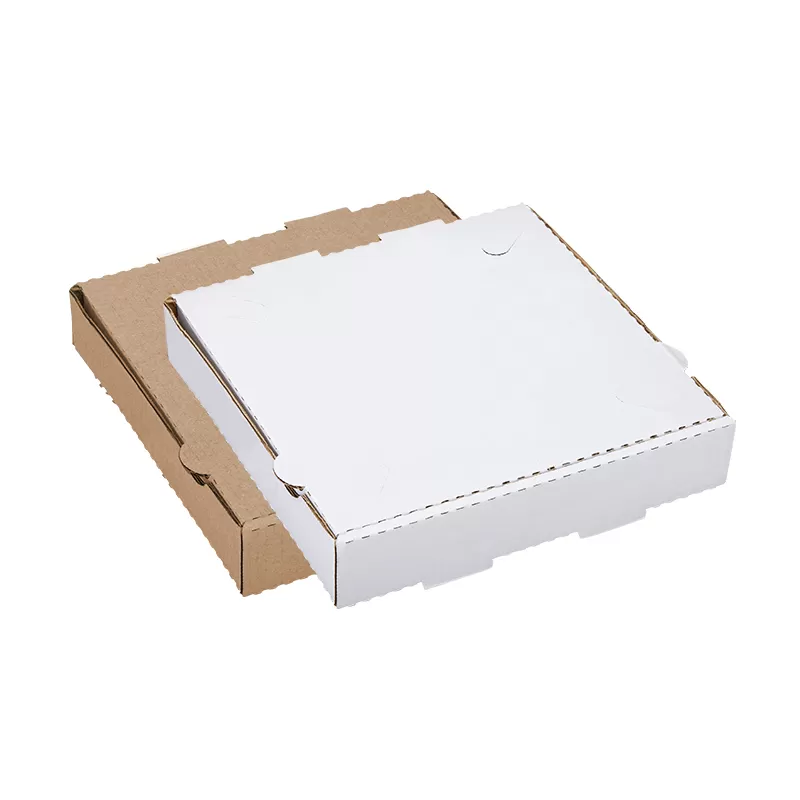
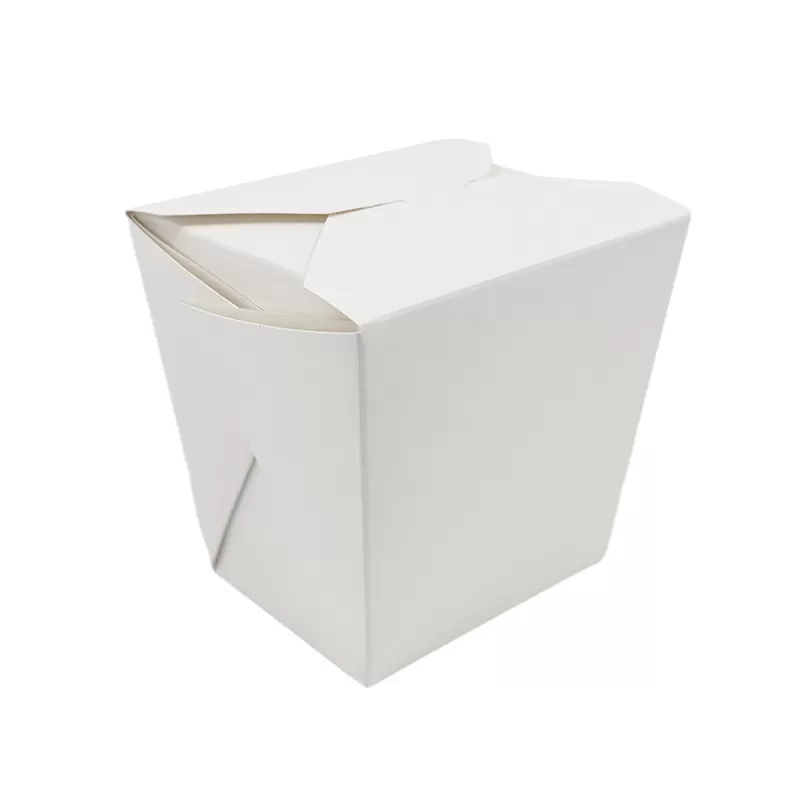
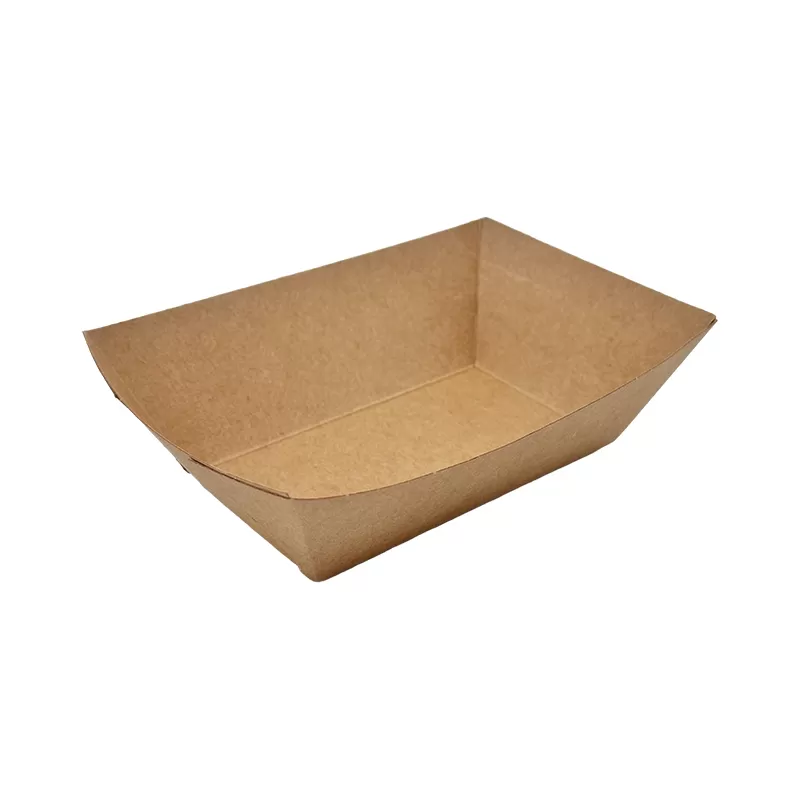
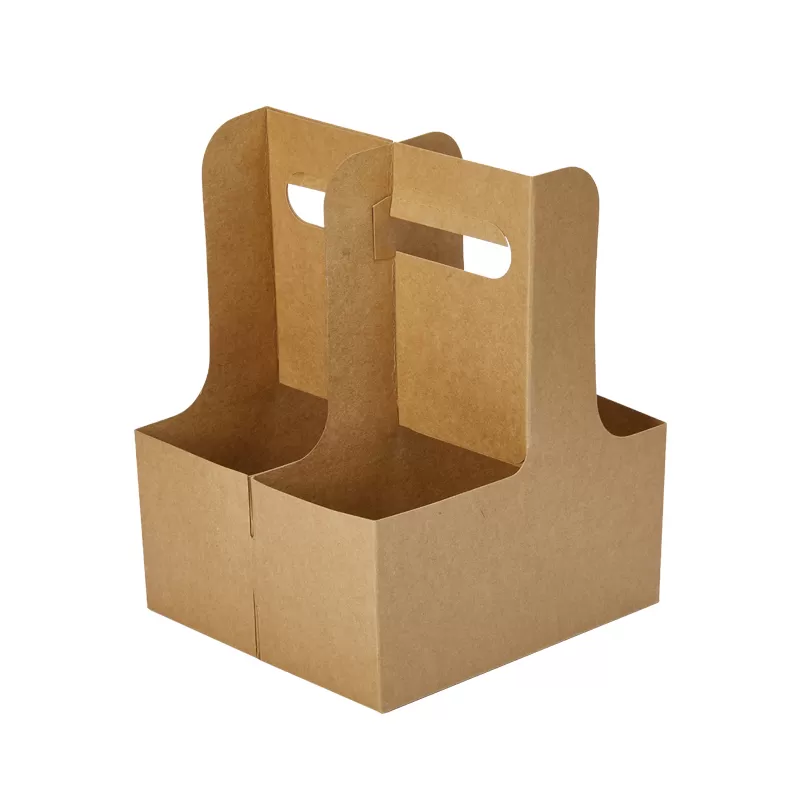
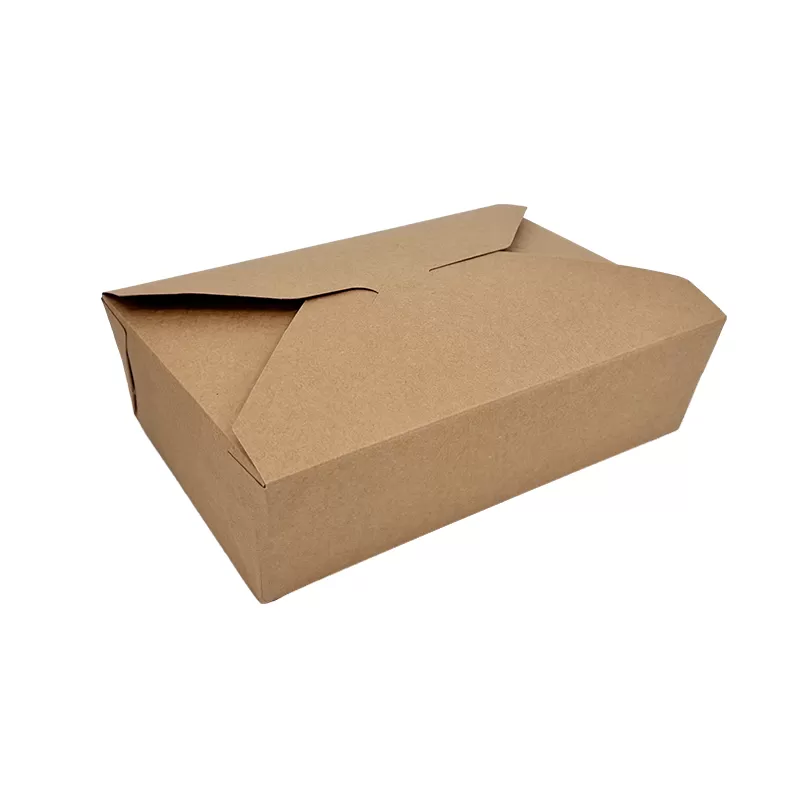
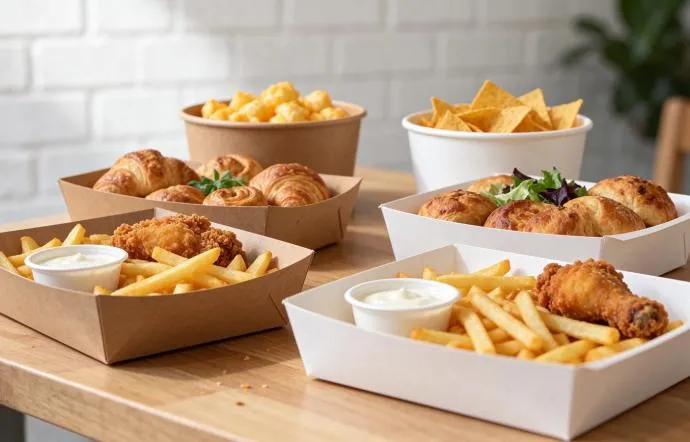
Folded paperboard food trays are cut from flat board and assembled with scored folds, tabs, or formed corners. They offer consistent dimensions and a relatively smooth printing surface. A paper food service tray comes in different board weights and depths for fries, baked goods, sandwiches, and other menu items.
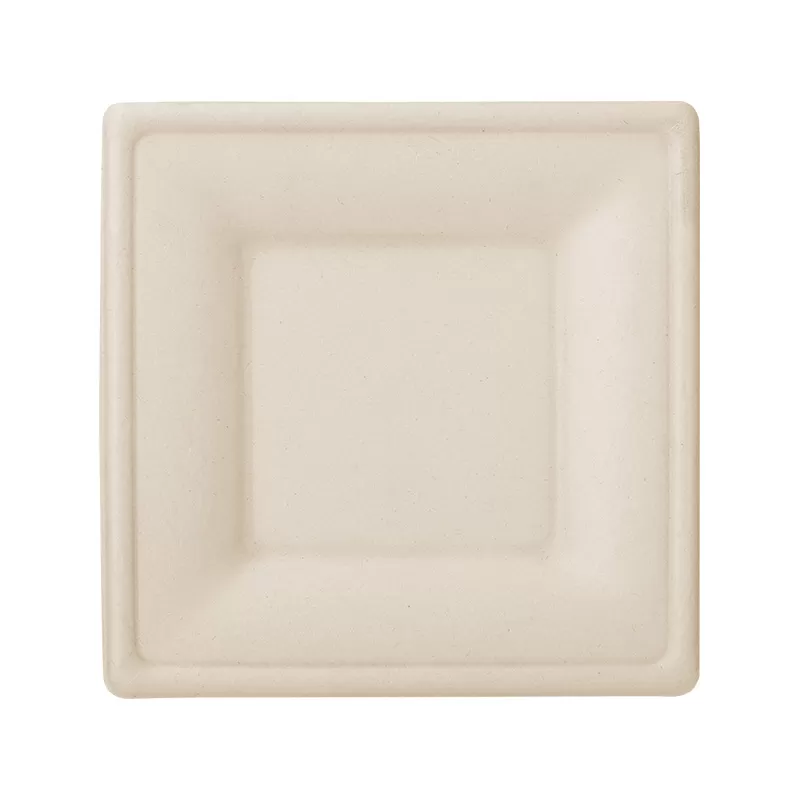
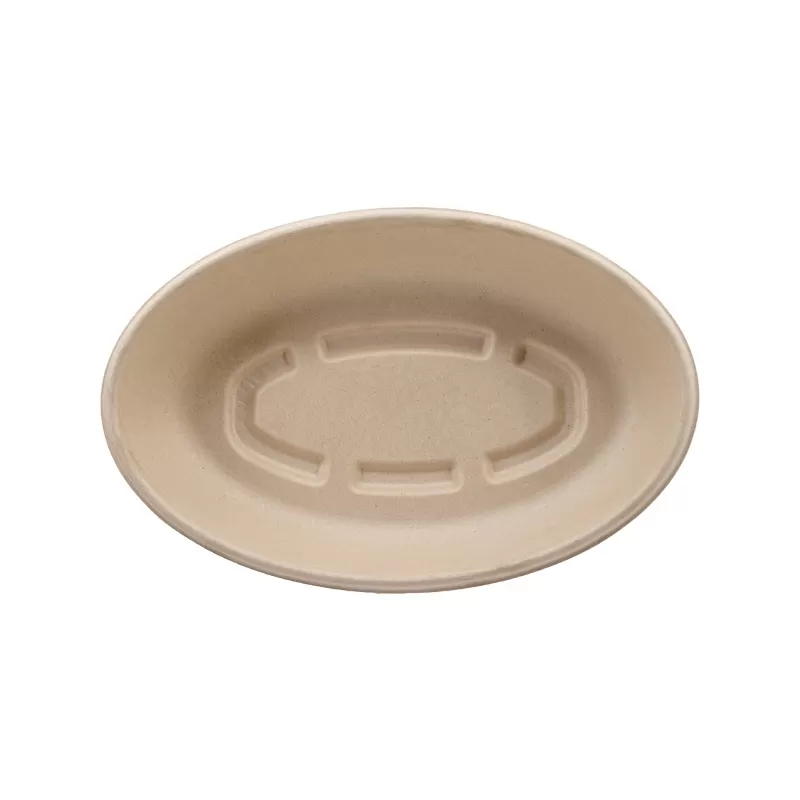
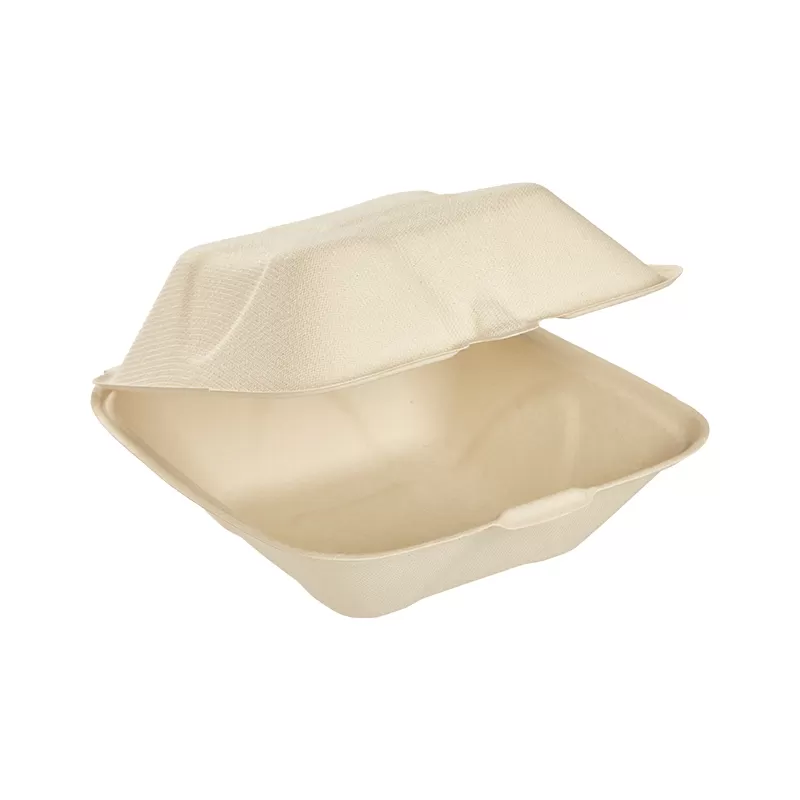
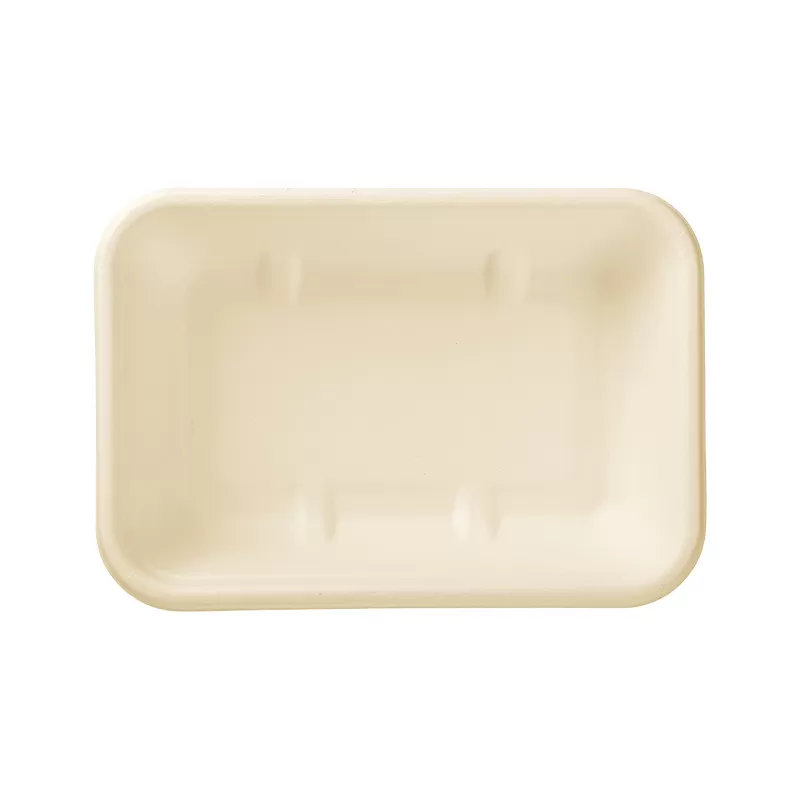
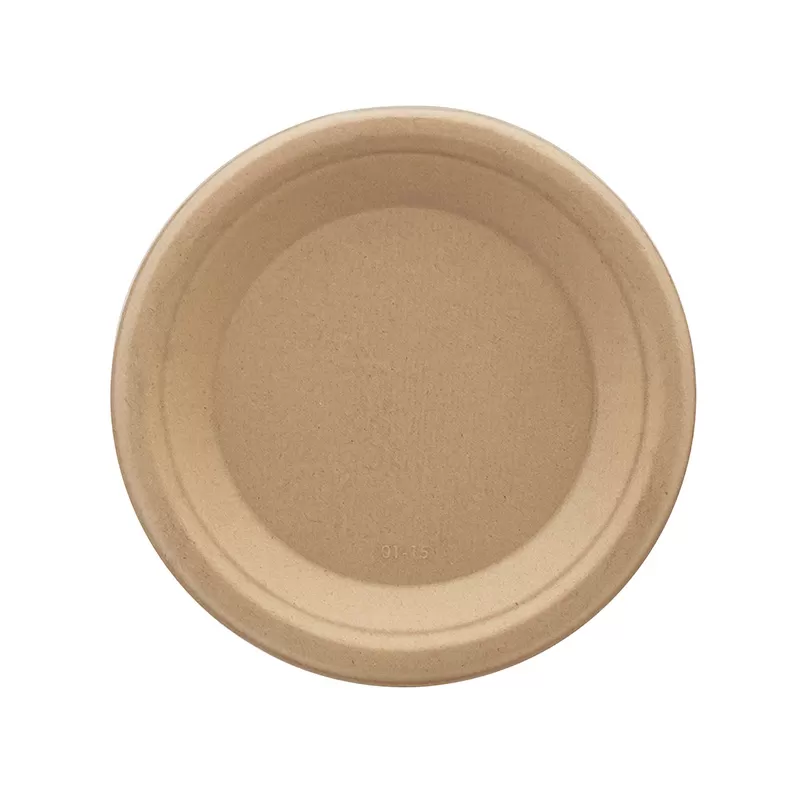
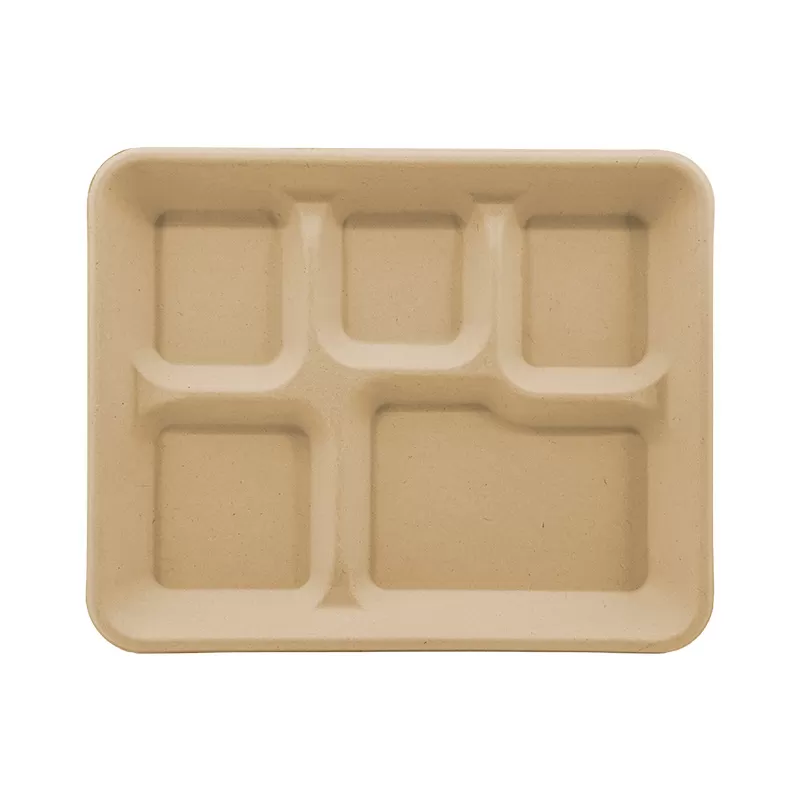
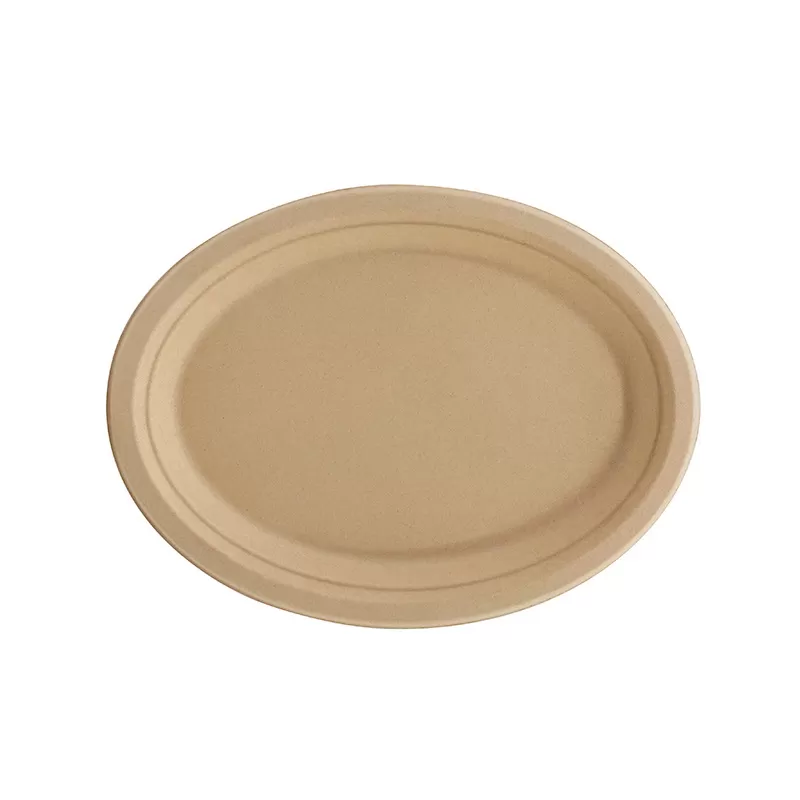
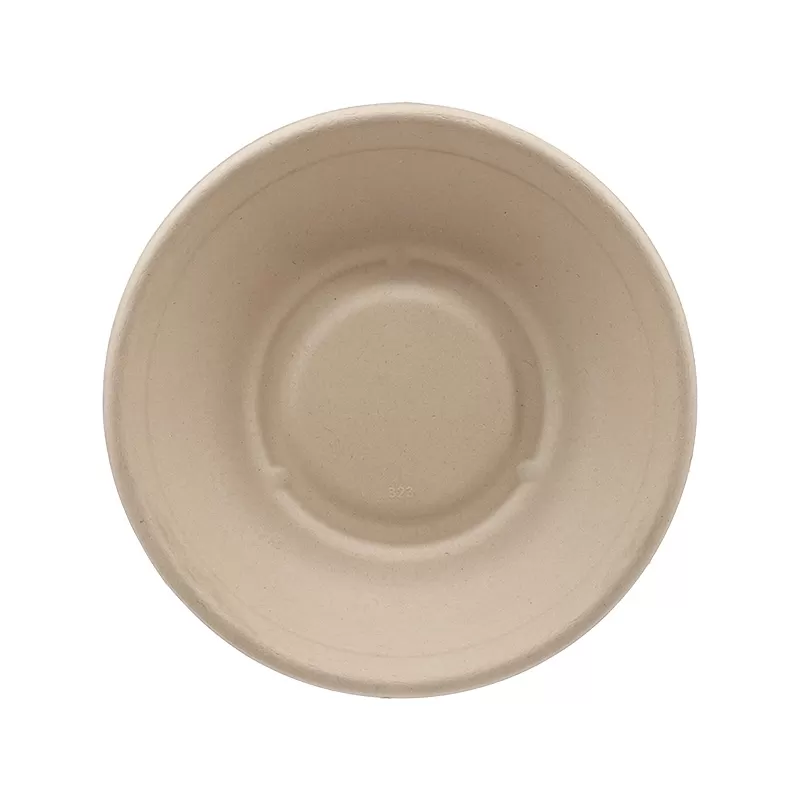
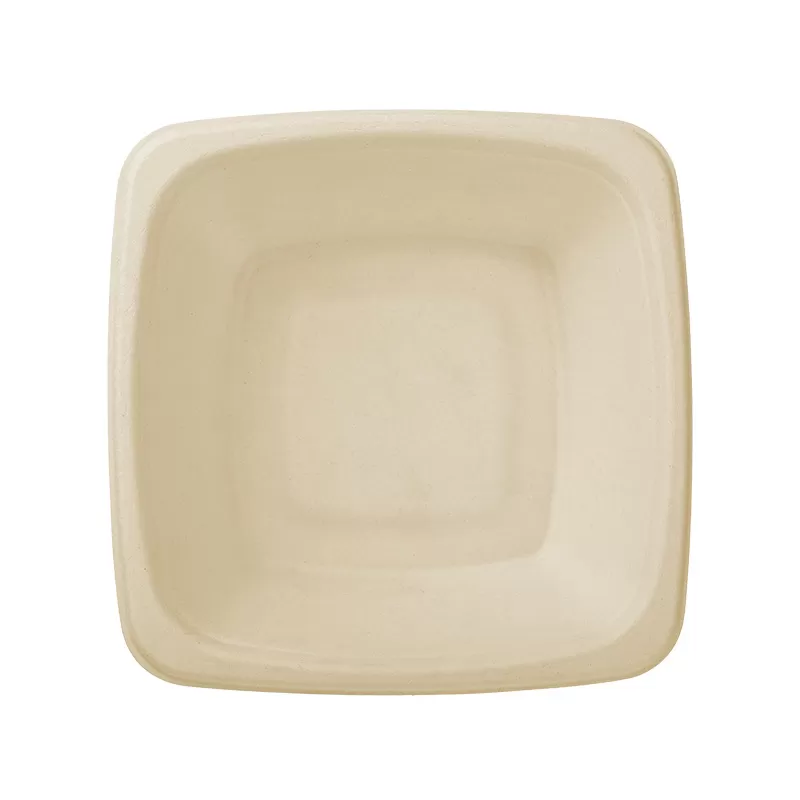
A molded fiber food tray is formed from a fiber mixture in a mold, then dried. Its surface is often more textured, and molded contours can support handling. Fiber sources, wall thickness, and manufacturing methods vary, so the material category alone does not guarantee strength or environmental benefits. Check each supplier’s specifications and test samples before ordering.
Tray Rigidity and Support Under Food Loads
Rigidity depends on board weight, thickness, tray depth, corner construction, base shape, and molded ribs. Folded paperboard can provide a predictable shape, while molded fiber may gain stiffness from its contours. Neither is automatically stronger. Test trays with the actual menu, portion size, and holding time.
· Load each tray with a typical serving and check for bowing or corner separation.
· Carry and stack filled trays to see whether the base stays level.
· Repeat the test with hot or moist foods if these are part of service.
For heavy portions or delivery orders, test samples under realistic conditions. A tray that works for dry snacks may soften or flex after prolonged contact with moisture.
Coatings, Grease Resistance, and Moisture Exposure
Grease and moisture resistance depend on surface treatments and product design, not material type alone. Some disposable paper food trays use barriers to resist oil or water; others are intended for dry foods. Ask suppliers about limits for hot, oily, wet, or acidic items, and test the expected holding time for leaks, oil migration, and softening.
Coatings can affect recycling or compostability. Do not assume a tray is recyclable or compostable because it is fiber-based or looks natural. Request product-specific documentation and confirm that local collection programs accept the exact tray, including coatings and liners.
Printing, Nesting, and Case Storage Differences
Folded paperboard usually has a smoother surface for logos, brand colors, and detailed graphics. Molded fiber often looks more textured, which can suit a simple, understated design but may limit fine detail. Request a sample or print proof when color consistency matters.
Both types may nest for storage, but stack shape and nesting depth determine case capacity and ease of separation. Compare units per case, carton dimensions, stack stability, and available storage space. For disposable paper food trays, include freight and warehouse space in the cost comparison, especially when orders are frequent.
Comparing Total Cost and Verified Disposal Options
Compare equivalent sizes and usable capacities rather than case prices alone. Include material specifications, units per case, freight, printing or setup fees, and any liners. Performance also affects cost: leakage, damaged servings, extra packaging, and slower handling can outweigh a small difference in unit price.
Use this quick comparison as a starting point; actual performance varies by product and supplier.
Factor | Folded Paperboard | Molded Fiber |
Construction | Cut and folded from flat board | Fiber formed in a mold |
Surface | Usually smoother; often better for detailed printing | Often textured; may suit simpler graphics |
Rigidity | Depends on board weight and folds | Depends on wall thickness and molded contours |
Grease/moisture | Depends on coating and board specification | Depends on product design and any barrier treatment |
Storage | Compare nesting depth and case dimensions | Compare nesting depth and case dimensions |
Disposal | Verify coating and local recycling acceptance | Verify certification and local facility acceptance |
Disposal claims must be verified for the exact product and location. Recycling depends on local rules and contamination; compostability requires suitable certification and access to a facility that accepts the item. Ask for documentation before making environmental claims.
Conclusion
Folded paperboard and molded fiber can both meet foodservice needs when matched to the menu and handling conditions. Paperboard food trays often offer a smooth print surface and consistent folded shape, while molded fiber provides a textured, molded form. Compare rigidity, barriers, storage, delivered cost, and verified disposal options before selecting disposable paper food trays, and test real samples before placing a bulk order.
FAQs About Disposable Paper Food Trays and Molded Fiber
Are paperboard food trays stronger than molded fiber trays?
Not automatically. Strength depends on thickness, shape, construction, and moisture exposure. Test both with the intended food and portion size.
Are molded fiber trays always compostable?
No. Check product-specific certifications and confirm that a local facility accepts the item.
Which tray is better for custom printing?
Folded paperboard often supports finer graphics, while molded fiber has a more textured surface. Request a sample or proof.
How should buyers compare prices?
Compare equivalent dimensions, units per case, freight, coatings, printing charges, and performance. Calculate delivered cost per usable tray.