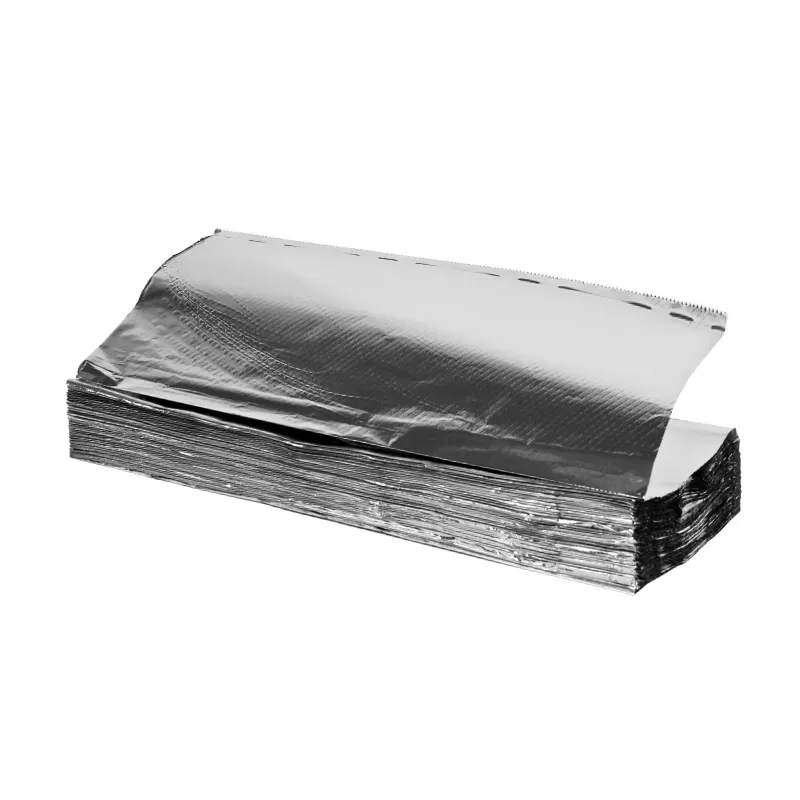
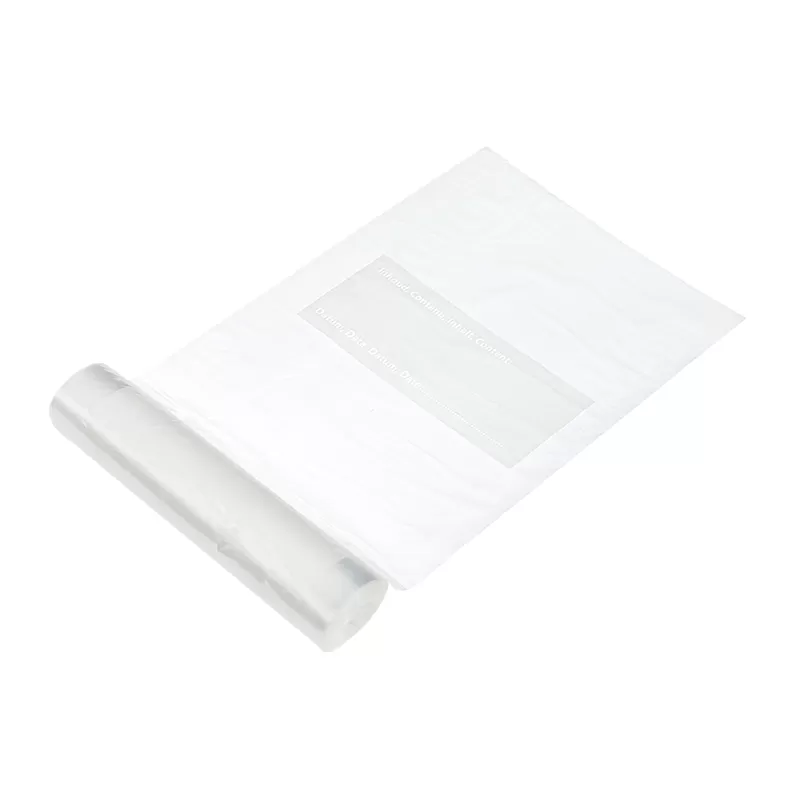
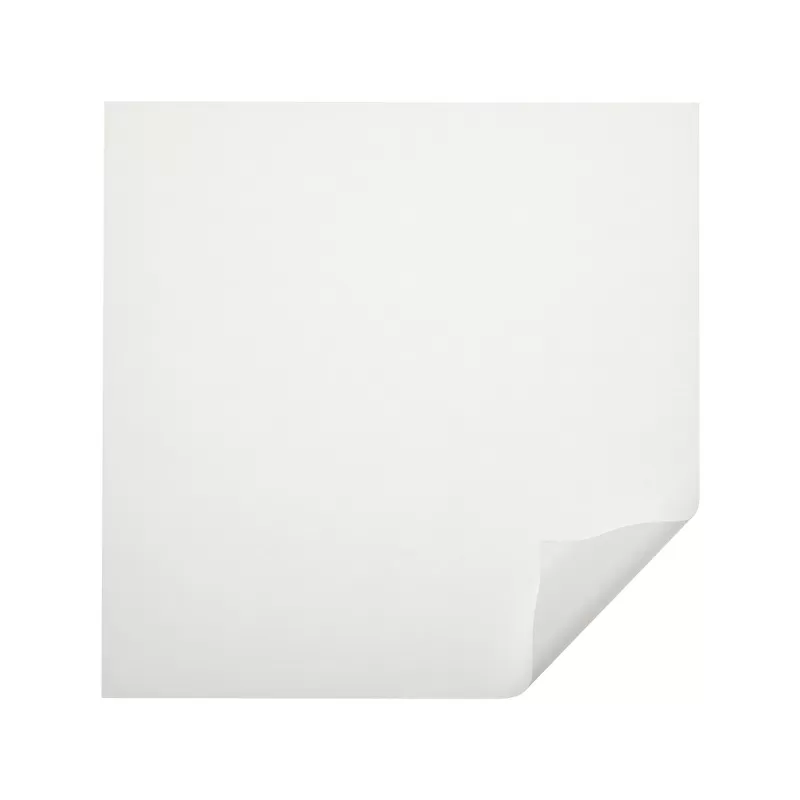
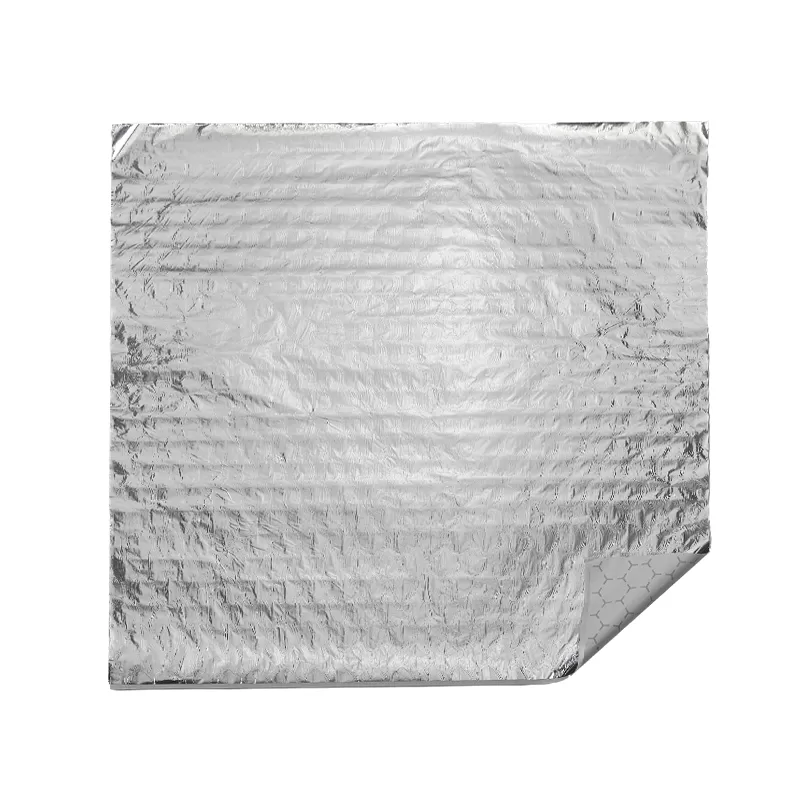
Choosing the right pre cut aluminum foil sheets helps foodservice businesses wrap food efficiently, reduce material waste, and maintain consistent portions. Two common options are 9 x 10.75-inch and 12 x 10.75-inch sheets. Although their lengths are identical, the wider option provides more coverage for larger foods and additional overlap. The best choice depends on food dimensions, wrapping technique, dispenser compatibility, and cost per wrapped item.
Comparing the Coverage Area of Common Foil Sheet Sizes
The main difference between these sizes is width, which affects how much food each sheet can cover.
l 9 x 10.75-inch sheets: Provide 96.75 square inches of foil per sheet, making them suitable for smaller portions and compact wraps.
l 12 x 10.75-inch sheets: Provide 129 square inches per sheet, offering approximately 33% more surface area.
l A 9 x 10.75 foil sheet can work well for smaller sandwiches, pastries, and side items. The wider format gives staff more material to fold around bulky foods or create secure closures.
However, more coverage is not always better. Using oversized foil for small items can increase packaging costs and create unnecessary waste. Choose a size that accommodates the food without leaving excessive unused material.
Food Dimensions and Overlap Required for a Secure Wrap
Sheet size should be based on the food's actual dimensions, including height and thickness, rather than its footprint alone. A flat sandwich may fit comfortably in a smaller sheet, while a thick burger or generously filled wrap may need more material around its sides.
Allow enough foil to cover the food and fold the edges securely. If the sheet barely reaches around the item, staff may struggle to close the package consistently. Too much overlap, however, can create bulky wrapping and slow service.
Before ordering, test both sizes with representative menu items. Check coverage, ease of folding, and whether the finished wrap stays closed during handling. This practical test helps determine which format suits your workflow.
Choosing Sheets for Sandwiches, Burgers, and Bakery Items
Different menu categories have different wrapping needs. Selecting the right size can improve presentation and make preparation more consistent.
l Sandwiches: Smaller sandwiches and half portions may fit 9 x 10.75-inch sheets, while larger stacked sandwiches may benefit from the wider option.
l Burgers: Thick patties and burgers with multiple toppings often need additional width for wrapping and overlap.
l Bakery items: Cookies, pastries, and smaller baked goods may require less coverage, depending on their shape and whether they are wrapped individually.
l Large wraps: Generously filled wraps may need wider foil to cover the ends and keep fillings contained.
Food service foil sheets should also match the service method. Quick-service counters may prioritize speed, while takeaway orders may require more secure wrapping for transport.
Dispenser Boxes and Sheet Counts per Case
Pre-cut sheets can simplify busy foodservice operations because employees do not need to tear foil from a roll. However, dispenser dimensions and sheet counts should be checked before purchasing.
Confirm that the dispenser accommodates the selected sheet size and allows staff to retrieve individual sheets easily. A box designed for narrower sheets may not fit wider formats.
Also compare the number of sheets per box and per case. A case containing more sheets may offer better value, but only if the quantity matches storage capacity and expected usage. Standardized dispensing can help reduce handling time and make inventory forecasting easier.
Calculating Packaging Cost per Wrapped Item
The lowest case price does not necessarily deliver the lowest operating cost. Compare the price per sheet, then consider how efficiently each size wraps your menu items.
Comparison | 9 x 10.75-Inch | 12 x 10.75-Inch |
Foil area per sheet | 96.75 sq. in. | 129 sq. in. |
Relative coverage | Smaller | About 33% more |
Potential best use | Small sandwiches, pastries | Larger burgers, bulky wraps |
Cost consideration | Lower material use per sheet | More coverage per sheet |
Calculate cost per sheet by dividing the case price by the total number of sheets. Then estimate cost per wrapped item using the size that reliably covers each food portion.
A slightly more expensive sheet may still be economical if it reduces failed wraps, repackaging, or preparation time. The goal is to balance coverage, consistency, and total operating cost.
Conclusion
Choosing between 9 x 10.75-inch and 12 x 10.75-inch pre cut aluminum foil sheets comes down to food size, wrapping requirements, and budget. Smaller sheets can be efficient for compact items, while wider sheets provide extra coverage for bulky foods. Test both formats, confirm dispenser compatibility, and compare cost per sheet before placing a bulk order. The right size helps maintain secure wrapping without paying for unnecessary foil.
FAQs About Pre Cut Aluminum Foil Sheets
What is the main difference between the two foil sheet sizes?
The 12 x 10.75-inch sheet is wider and provides approximately 33% more coverage than the 9 x 10.75-inch sheet.
Are 9 x 10.75 foil sheets suitable for sandwiches?
Yes. They can suit smaller sandwiches and portions, provided there is enough material for the required overlap and closure.
How should foodservice businesses compare foil sheet prices?
Compare total sheets per case, price per sheet, coverage, and performance with actual menu items.
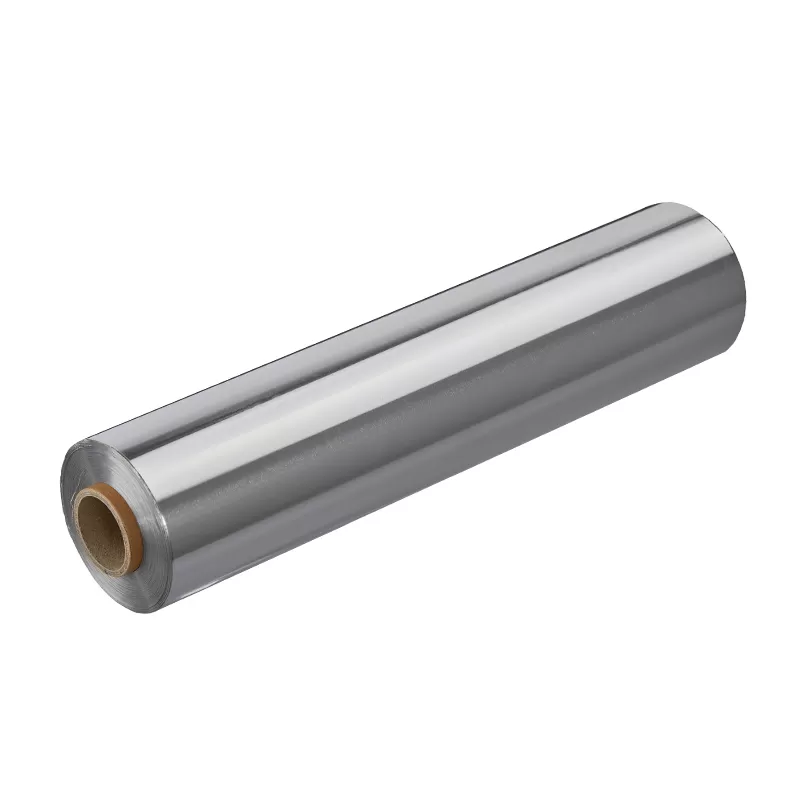
Why choose pre-cut foil instead of foil rolls?
Pre-cut sheets can make dispensing more consistent, reduce the need for tearing, and help staff work efficiently during busy service periods.