Microwave-safe plastic containers have become a staple in modern kitchens due to their convenience and practicality. Whether you're purchasing takeout or storing leftovers, identifying the right microwave safe plastic containers is crucial for maintaining food safety and quality. This guide explores the important factors to consider when choosing these containers, including understanding microwave-safe symbols, selecting materials that can withstand heat, and recognizing common mistakes to avoid. We'll also explore alternatives to plastic for microwaving, offering comprehensive insights for informed use. This knowledge can ensure your meals are both safe and enjoyable.
Identifying Microwave-Safe Symbols
Recognizing microwave-safe symbols is the first step in choosing the right containers. These symbols are typically found on the bottom of plastic containers and provide important information about their compatibility with microwave use. Common symbols may include a depiction of a microwave oven or text stating "microwave safe."
Symbol | Description |
Microwave Icon | Indicates container is safe for microwaving. |
Heat Waves Icon | Shows the material can withstand heat exposure. |
FDA Approval | Ensures the container is free from harmful chemicals. |
Understanding these symbols helps avoid the use of plastic that may release toxins when heated. Containers with FDA approval are particularly recommended, as they ensure that the plastic bulk containers are free from harmful substances that could contaminate food during microwave use.
Materials That Withstand Heat
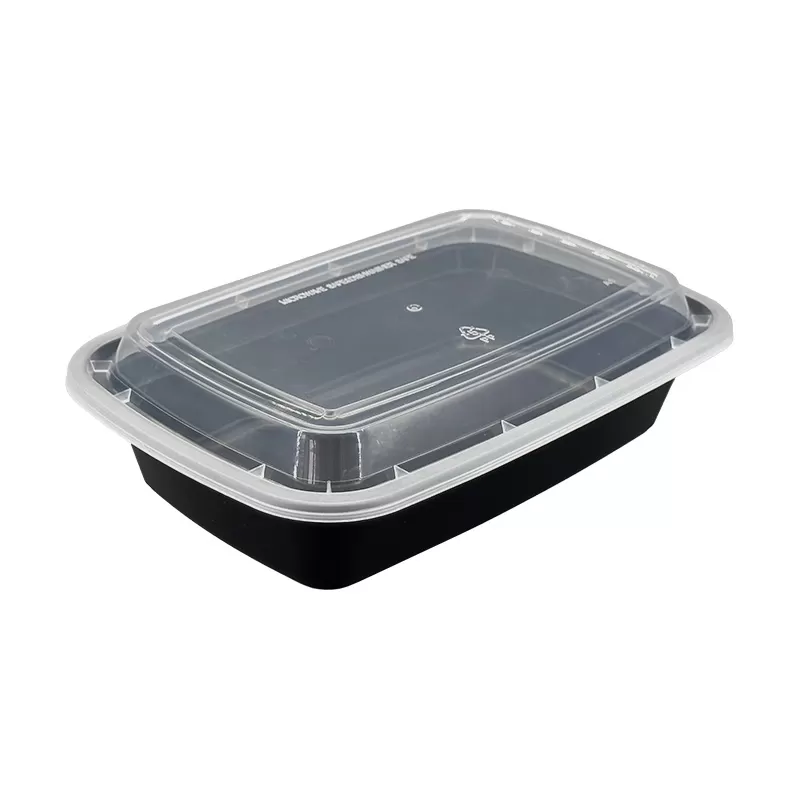
Materials play a crucial role in determining a container's microwave safety. When selecting bpa free plastic containers, aim for materials specifically designed to withstand high temperatures and resist warping.
Material | Characteristic |
Polypropylene (PP) | High heat tolerance, durable under microwave conditions. |
Polyethylene (PE) | Lightweight, used for low-temperature microwaving. |
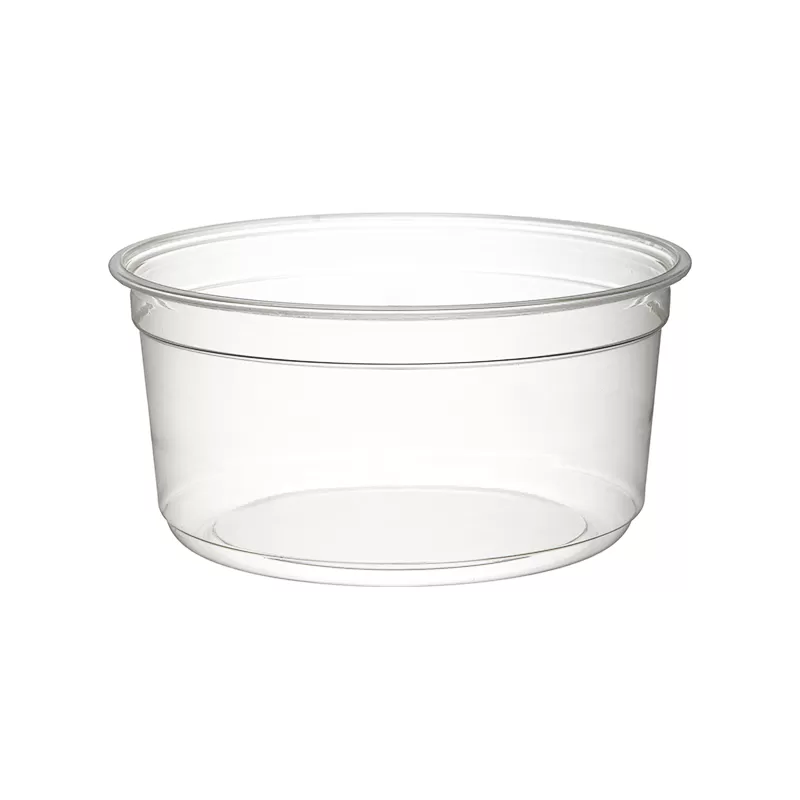
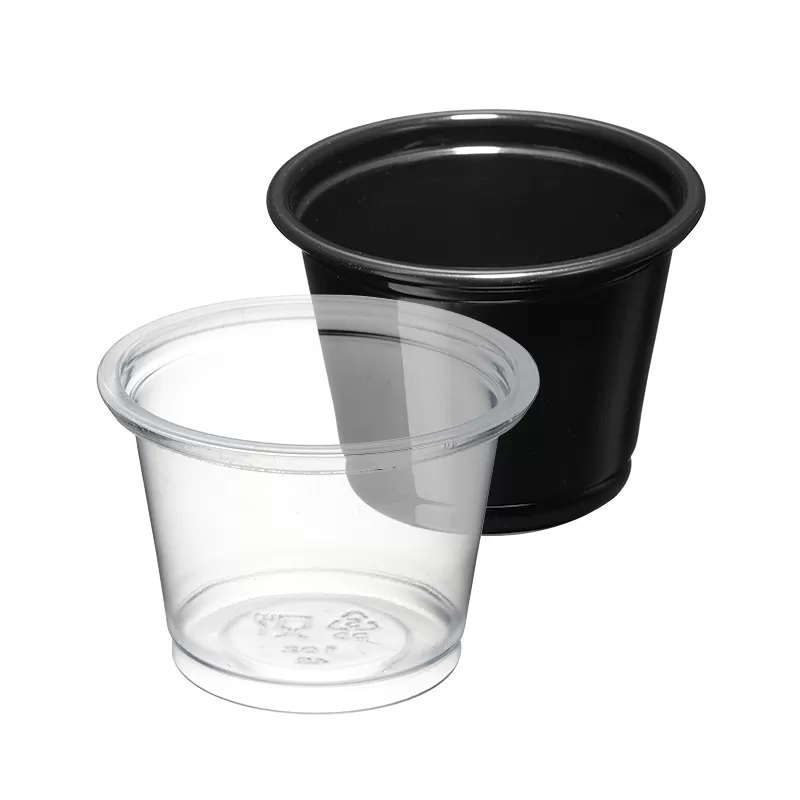
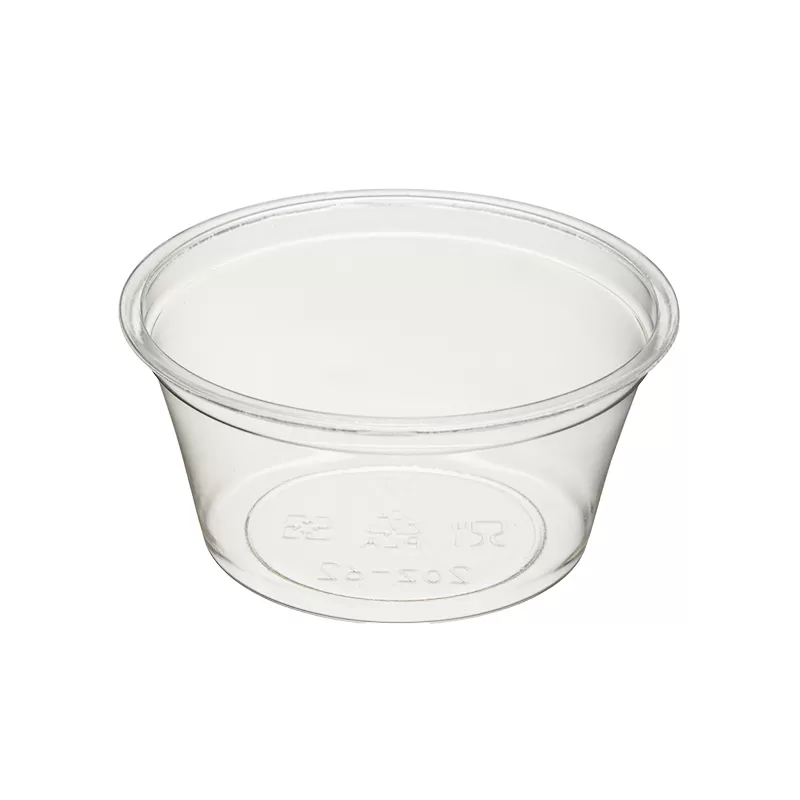
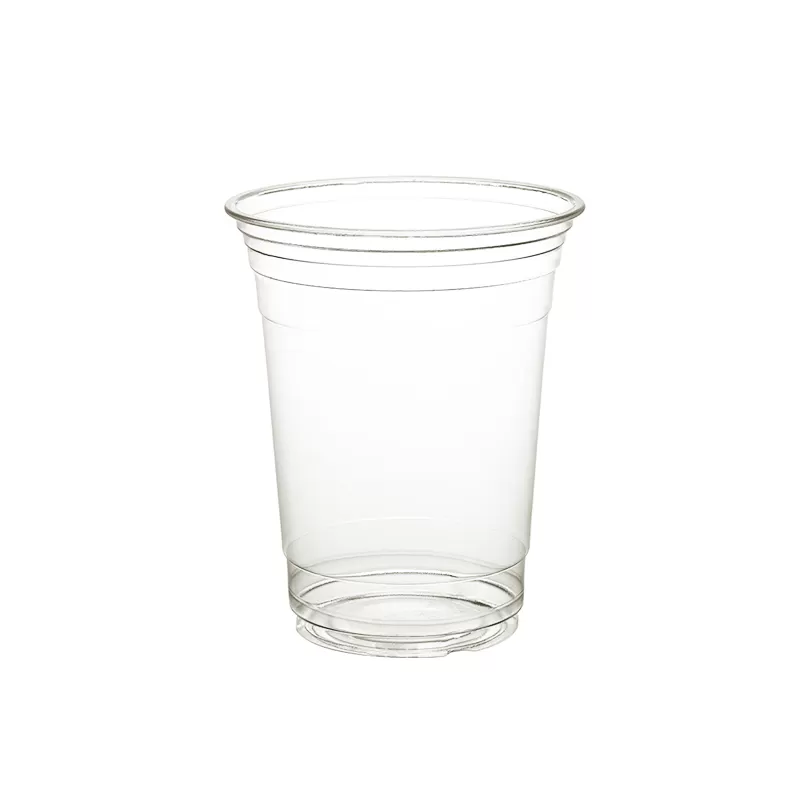
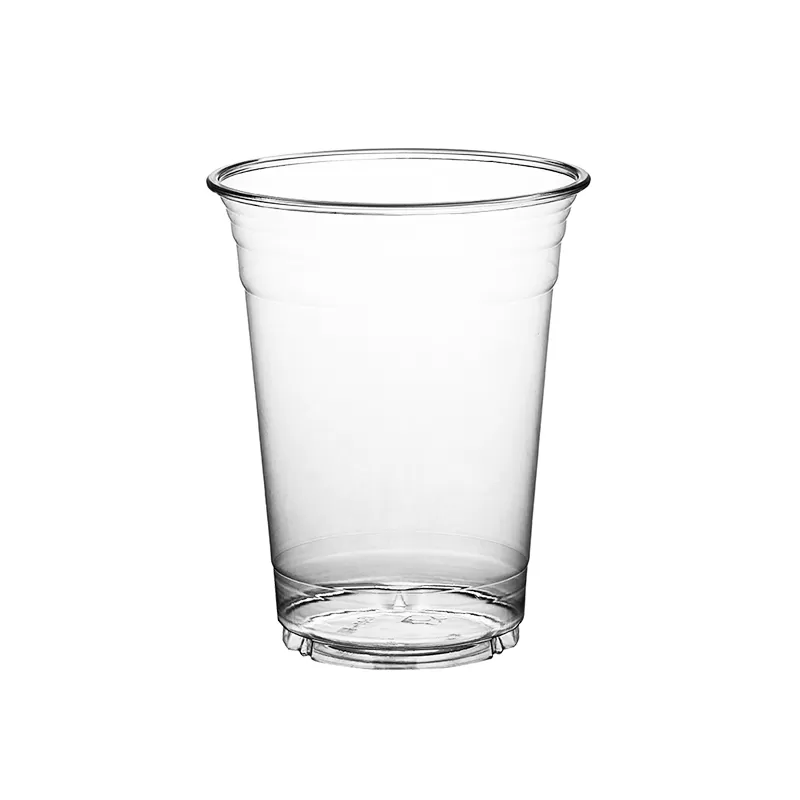
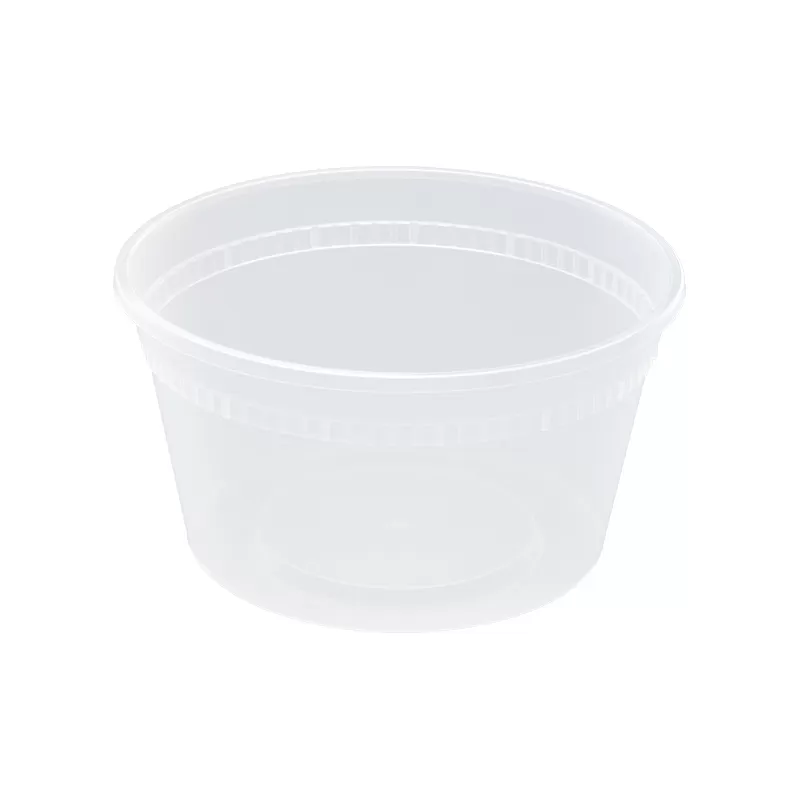
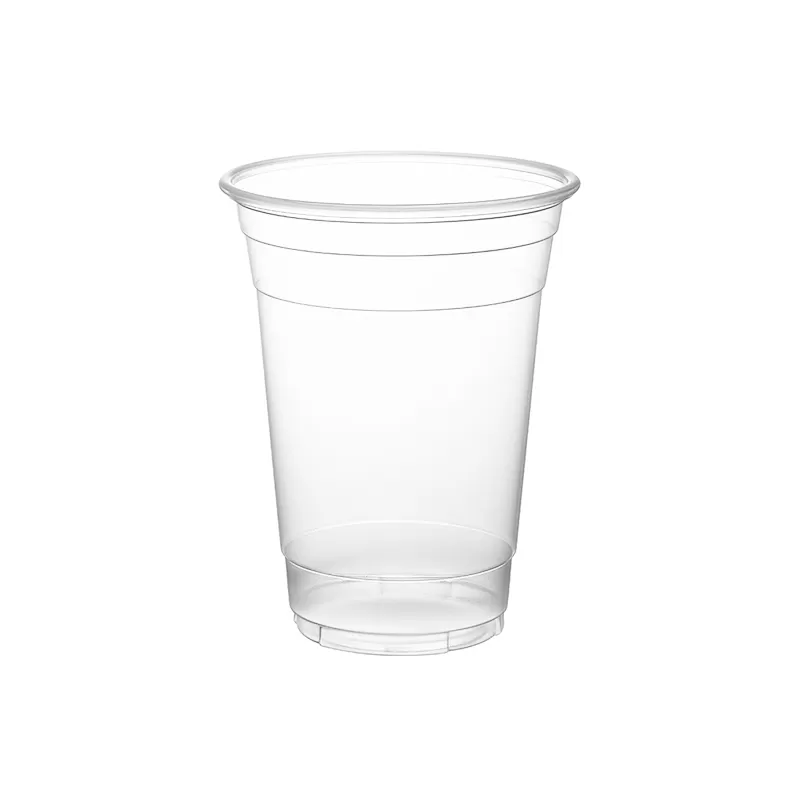
PP deli container is an ideal choice among plastic cups as it retains its shape and safety properties even under prolonged heat exposure. Polyethylene, while common, is better suited for lower temperature applications. Knowing these material types can aid in choosing the most effective and safe containers for microwave use.
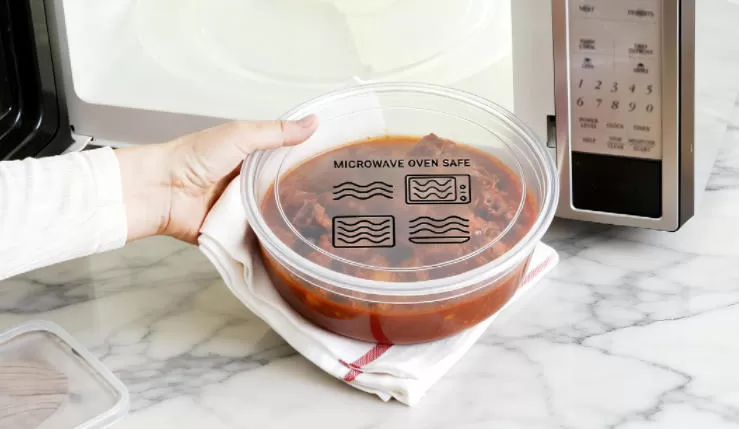
Safety Tips for Reheating Food
Using microwave-safe plastic containers effectively involves adhering to several safety practices to prevent accidents and ensure the quality of your food. Here are some essential tips:
Always check for "microwave safe" labeling before use.
Remove or vent lids to allow steam escape and avoid pressure build-up.
Do not use containers with visible wear or damage.
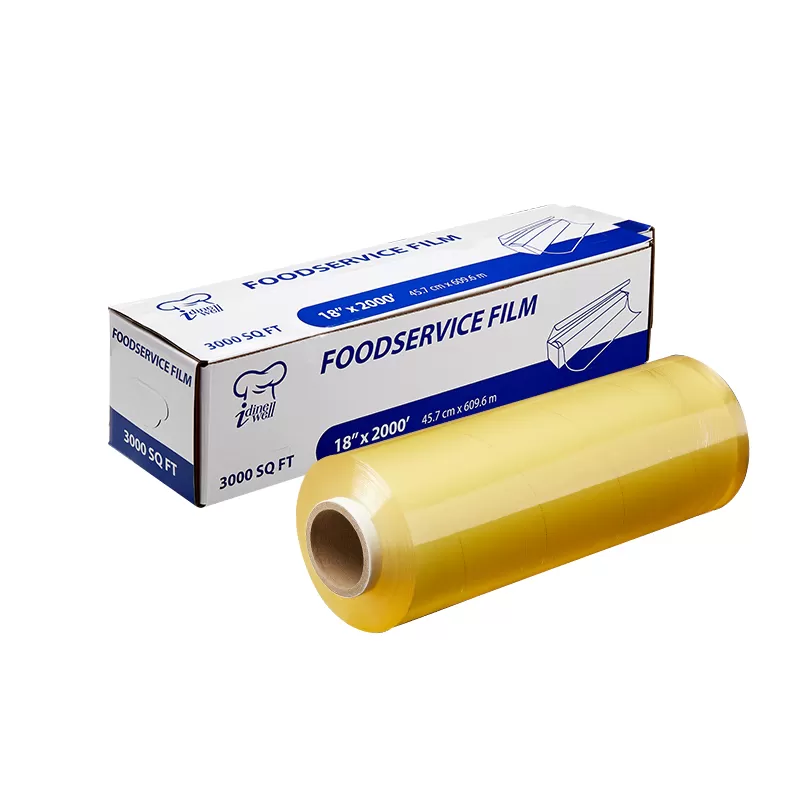
Use transparent plastic wrap or vented lids to cover food.
Avoid reheating food with high oil content as it generates extreme heat.
These guidelines ensure you can safely reheat meals without compromising container integrity or food safety.
Common Mistakes to Avoid
Users often make errors that can lead to food contamination or container damage. Awareness of these common mistakes helps in prevention:
Using containers with no microwave-safe confirmation.
Ignoring visible cracks or signs of wear on the container.
Reheating food directly without any protective material or lid.
Overheating food which can cause container leakage.
Using the wrong kind of plastic wrap as a cover
Consequences of these mistakes range from minor inconveniences to significant health risks, emphasizing the importance of careful container selection and usage.
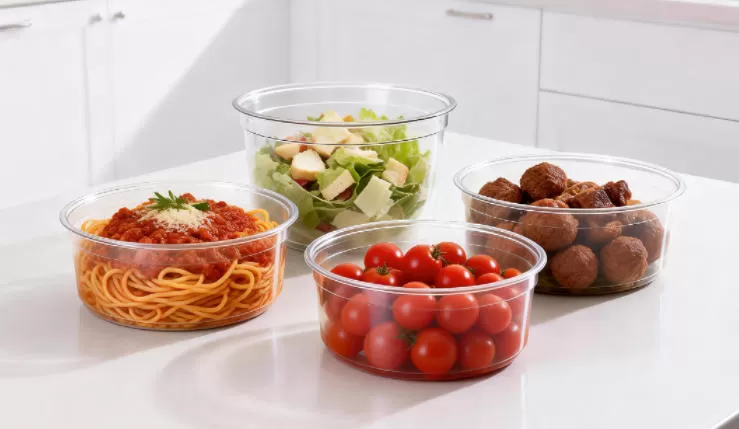
Alternatives to Plastic for Microwaving
While plastic containers are convenient, several alternatives may provide safer and more environmentally friendly options for microwaving, minimizing concerns related to heat exposure.
Alternative | Benefit |
Glass Containers | Resistant to leaching, maintains heat uniformly. |
Ceramic Containers | Non-reactive nature ensures food quality preservation. |
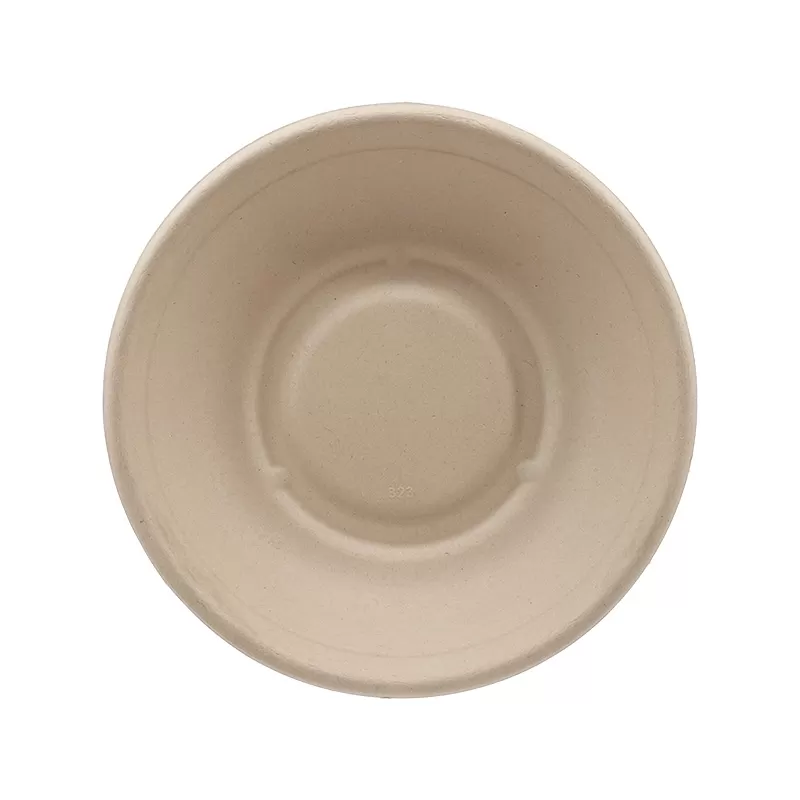
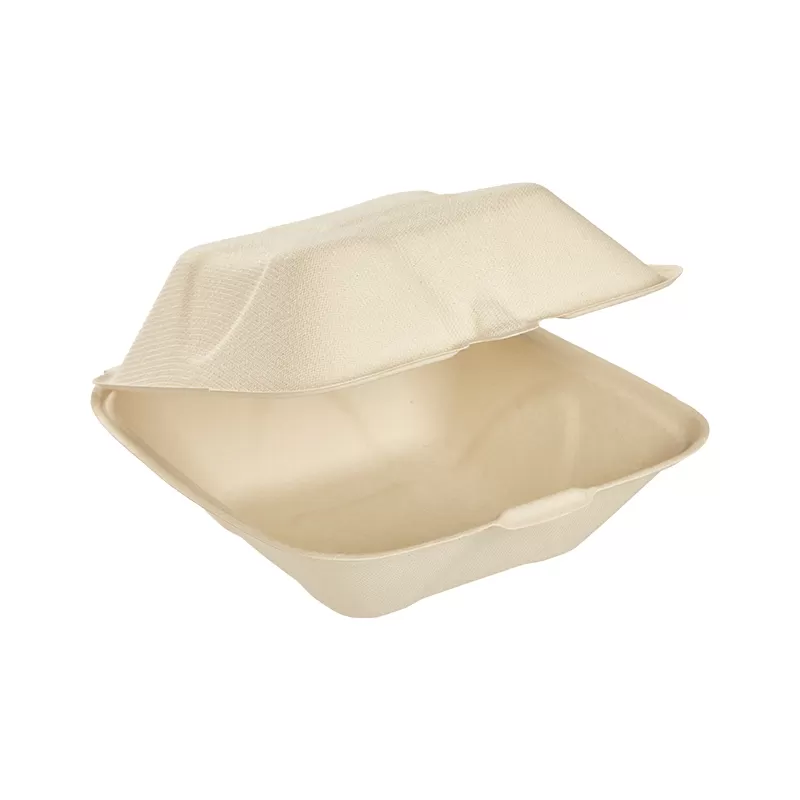
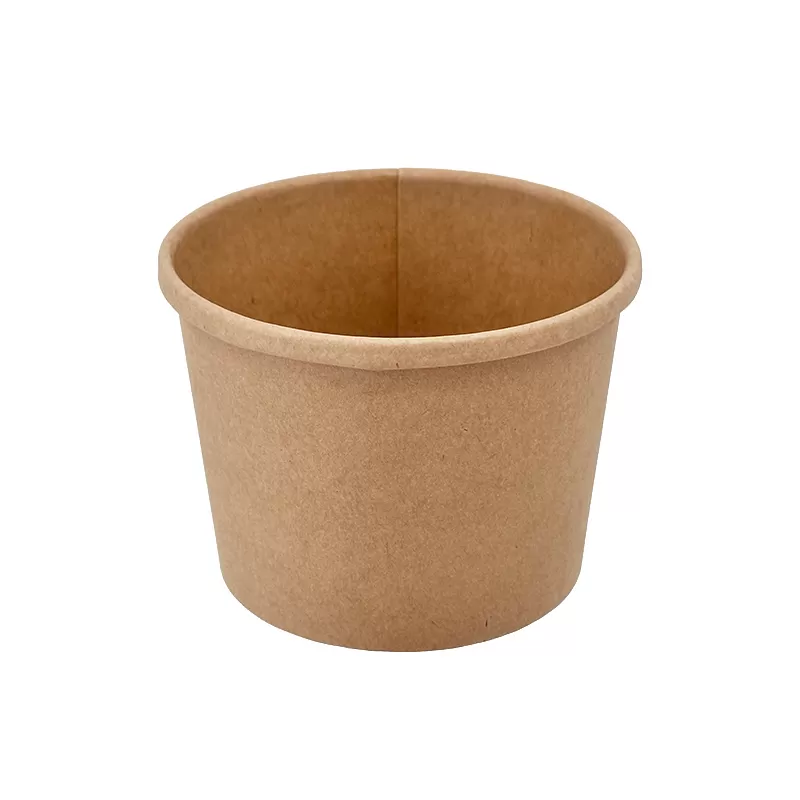
Paper Containers | Biodegradable, ideal for brief reheating. |
Switching to one of these alternatives can enhance food safety while reducing environmental impact. Glass containers are particularly praised for their ability to evenly distribute heat without affecting taste or texture.
Conclusion
Choosing the right microwave-safe containers requires careful consideration of symbols, materials, safety practices, and potential errors. By understanding the properties and correct usage of eco friendly containers and alternatives, such as glass or ceramic, you can enhance both safety and the enjoyment of your meals. This knowledge fosters informed decisions, proving crucial in maintaining both personal health and environmental sustainability.
For more information on microwave-safe containers, consider checking reputable product reviews, manufacturer guidelines, and culinary experts. These sources can provide additional insights into the best practices and options available.
References:
FDA website
EPA website
Consumer Reports