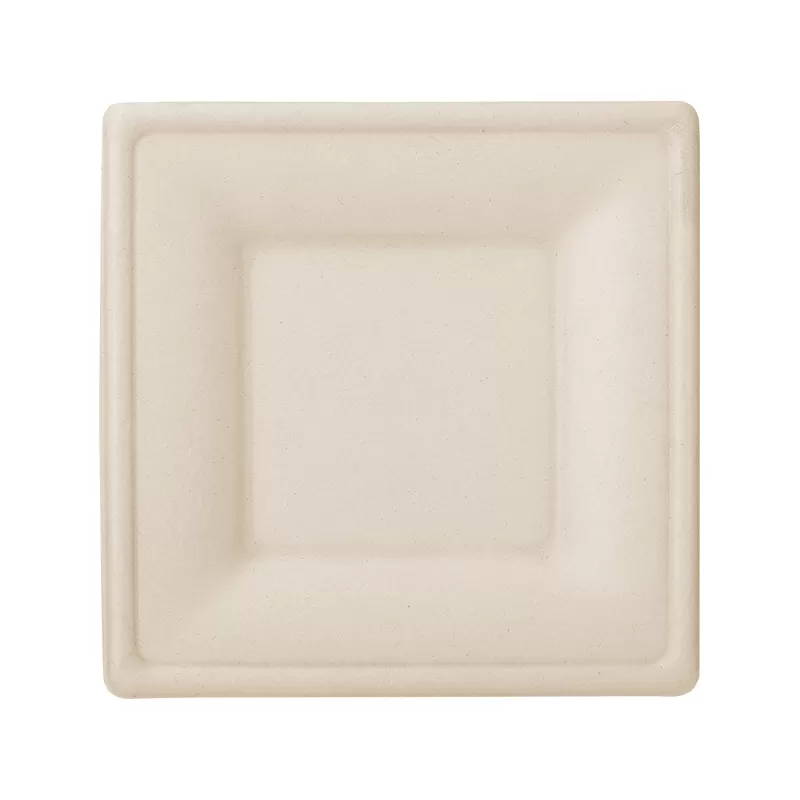
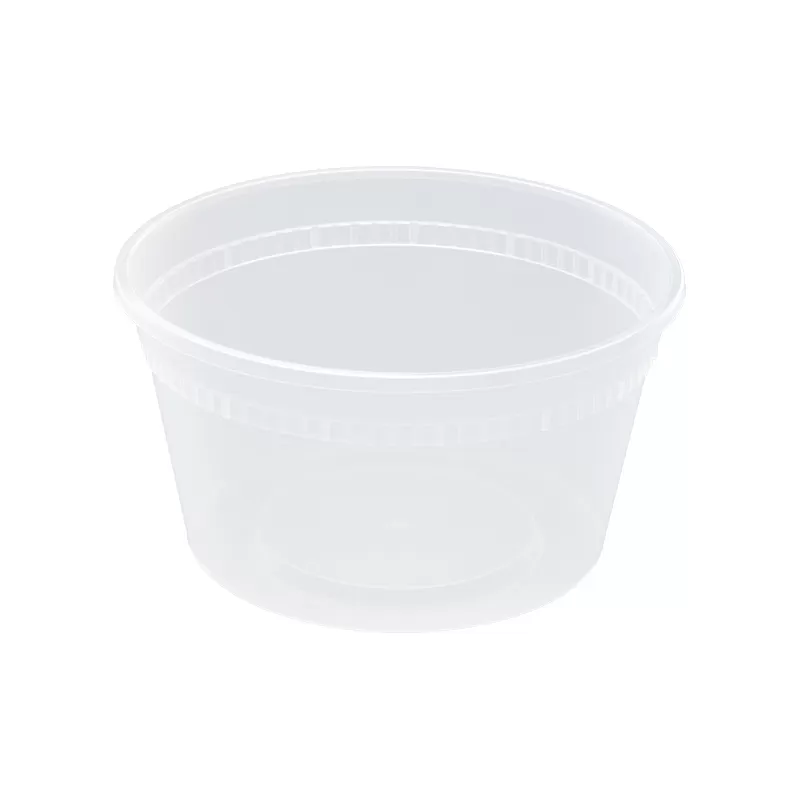
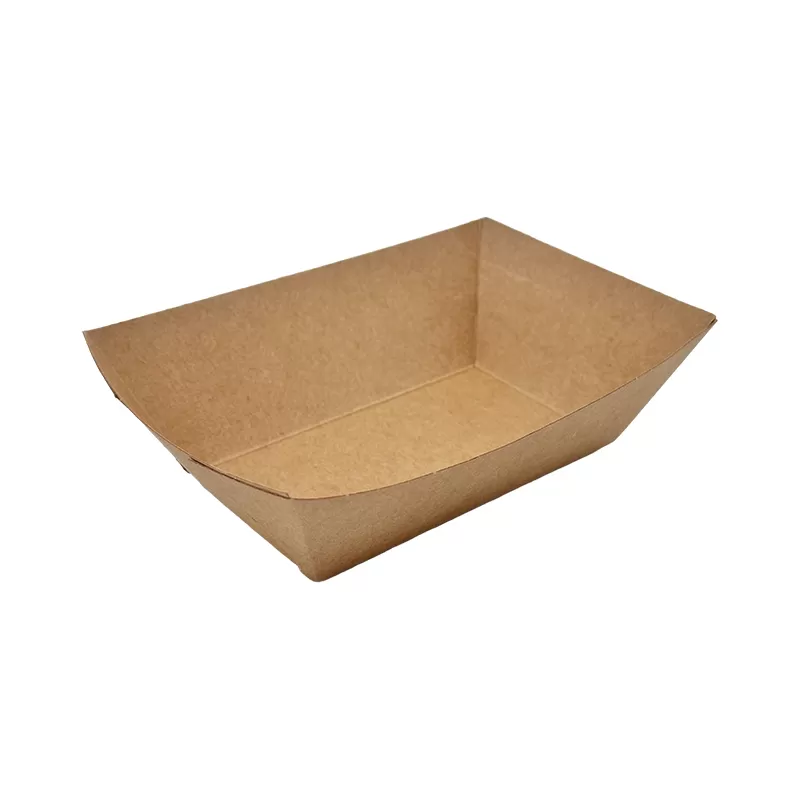
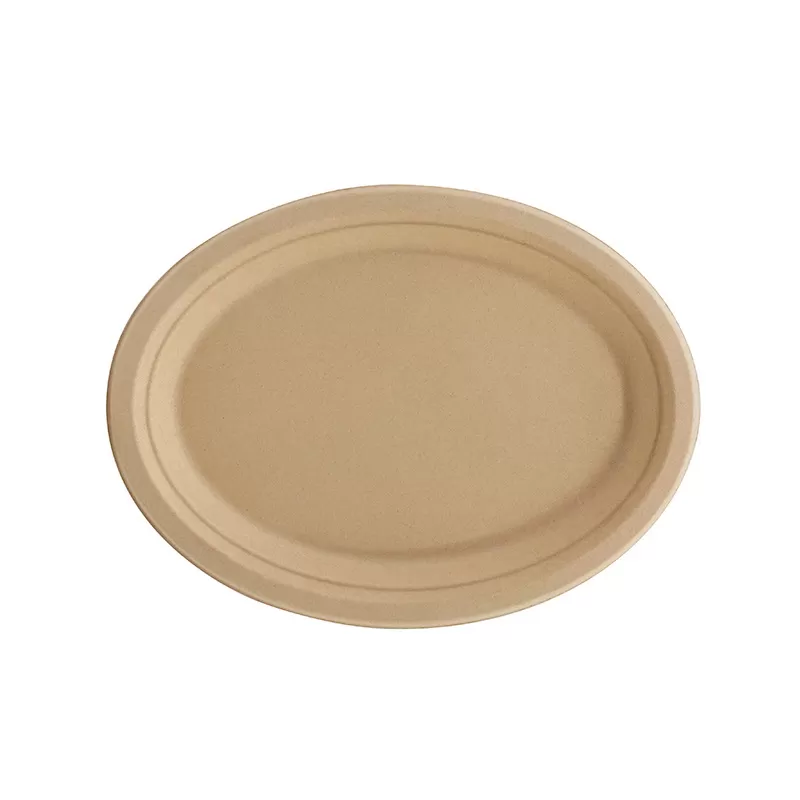
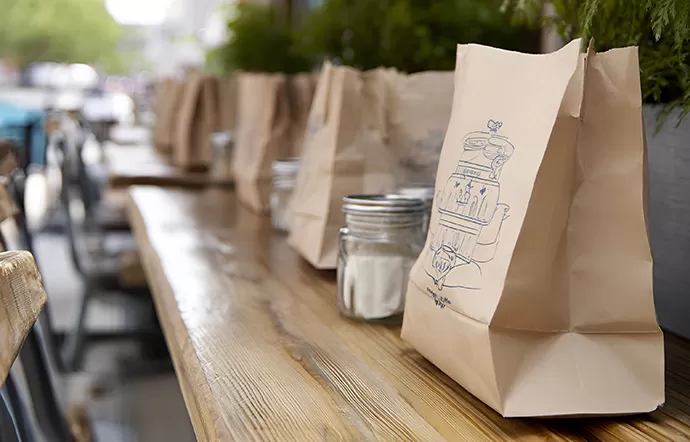
In the fast-paced foodservice industry, packaging choices play a critical role in operational efficiency, customer satisfaction, and brand reputation. As environmental concerns grow and regulations around single-use plastics tighten, many restaurants, cafés, caterers, and delivery platforms are reevaluating their container options. Paper containers have emerged as a compelling alternative to traditional plastic, offering improved performance and clear sustainability benefits. But how do they truly stack up in terms of durability and eco-friendliness? This article provides a detailed comparison to help foodservice professionals make informed decisions.
Durability: Modern Paper Containers Are Closing the Gap
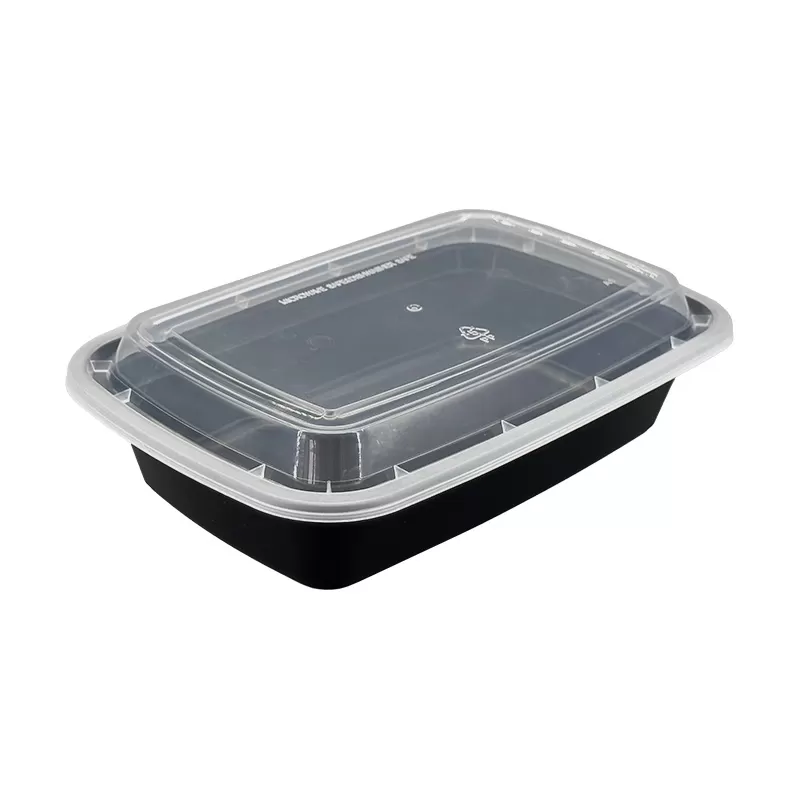
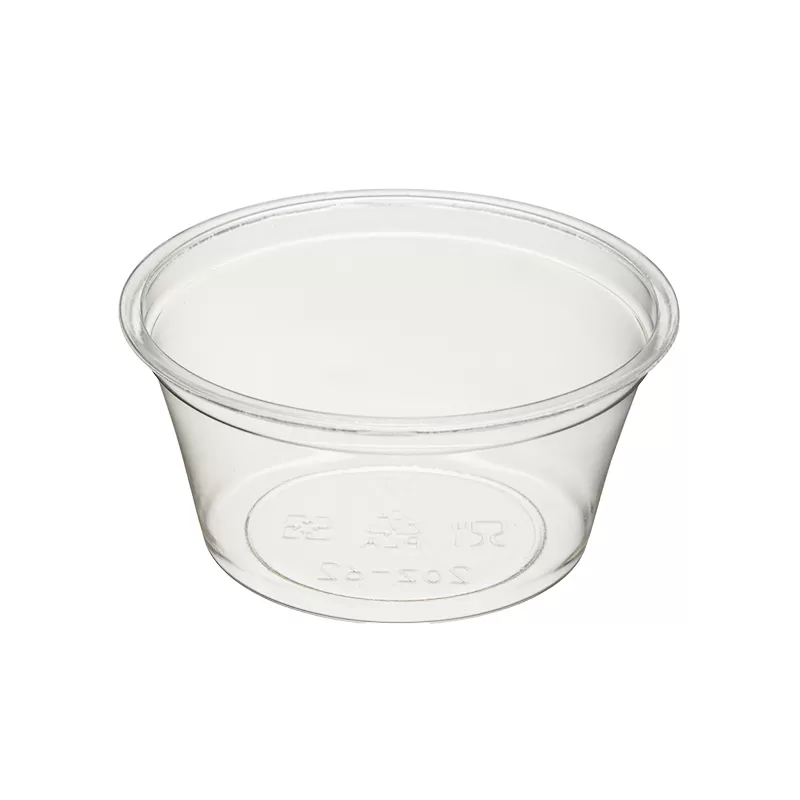
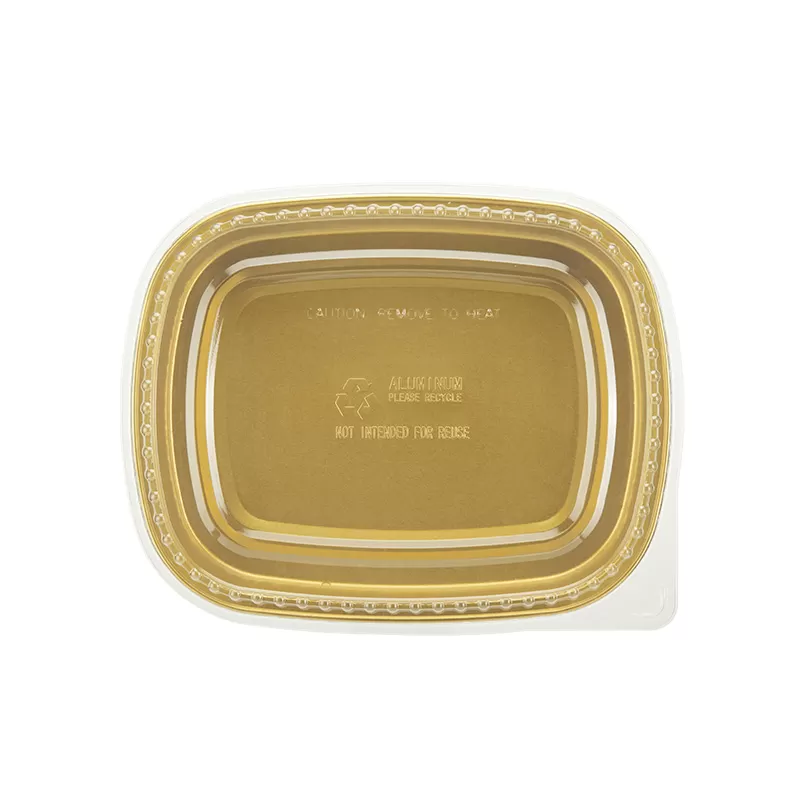
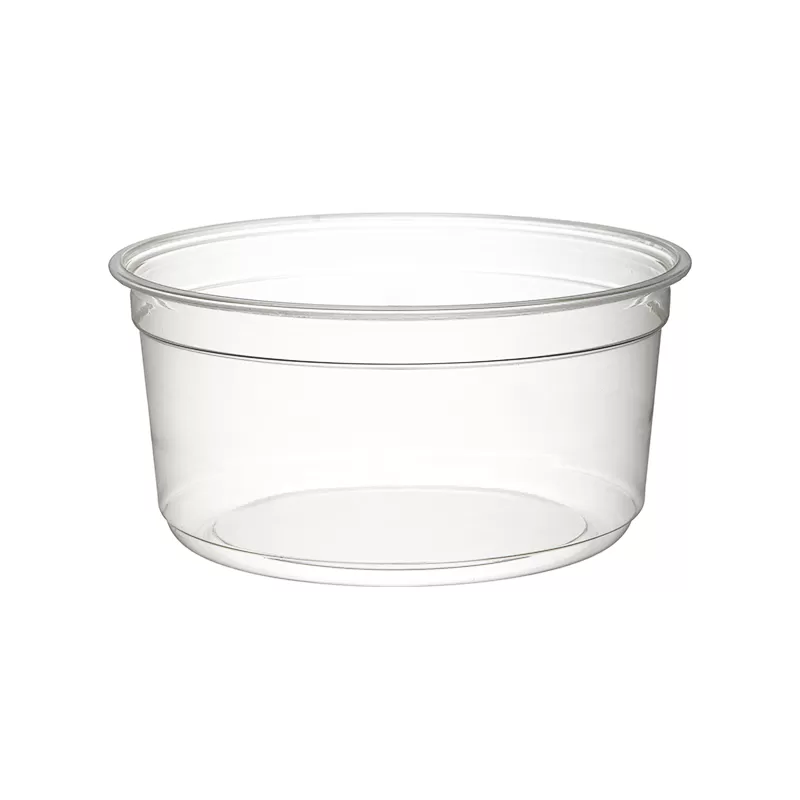
For years, plastic containers have been favored for their superior mechanical strength, impact resistance, and reliable leak-proof performance. Made from materials like polypropylene (PP) or high-density polyethylene (HDPE), plastic containers excel in demanding conditions. They withstand heavy loads, resist cracking during transport, and maintain integrity even when filled with hot, oily, or saucy foods. Their ability to handle extreme temperatures makes them ideal for long-term or multi-use scenarios.
However, advancements in paper packaging technology have significantly narrowed this gap. Today’s high-quality paper containers feature reinforced bases, multi-layer construction, and advanced coatings that enhance structural integrity. Tight-fitting lids and secure closure systems minimize spills, while grease-resistant and moisture-barrier treatments allow paper containers to handle everything from hot soups and curries to greasy fried foods and fresh salads without compromising performance.
In short-term applications—typical for takeout, delivery, and dine-in service—modern paper containers perform remarkably well. Many designs now rival plastic in leak resistance for several hours, and insulated paper options help maintain food temperature during transit. Their lighter weight also reduces shipping costs and makes stacking and storage more efficient for busy kitchens.
That said, plastic still holds an edge in extreme durability scenarios, such as repeated freezing and thawing cycles or very high-temperature applications. For most everyday foodservice needs, however, properly engineered paper containers deliver sufficient strength and reliability without the drawbacks of plastic. Foodservice operators who select premium paper products from reputable suppliers like Keystone Supply often find they meet or exceed customer expectations for both hot and cold items.
Sustainability: Paper Containers Lead with Renewable and Responsible Solutions
When it comes to environmental impact, paper containers hold a decisive advantage over plastic. Paper is derived from renewable resources, particularly when sourced from FSC-certified (Forest Stewardship Council) paperboard. These forests are managed responsibly, allowing trees to be replanted and the raw material supply to be continuously renewed—unlike petroleum-based plastics, which rely on finite fossil fuels.
The production of paper containers generally results in a lower carbon footprint compared to virgin plastic, especially when considering energy use and emissions throughout the lifecycle. Moreover, end-of-life options for paper are far more environmentally friendly. Many paper containers are recyclable in standard paper streams and, when certified, industrially compostable. In proper composting facilities, they can break down into nutrient-rich soil within months, returning to the earth without leaving harmful residues.
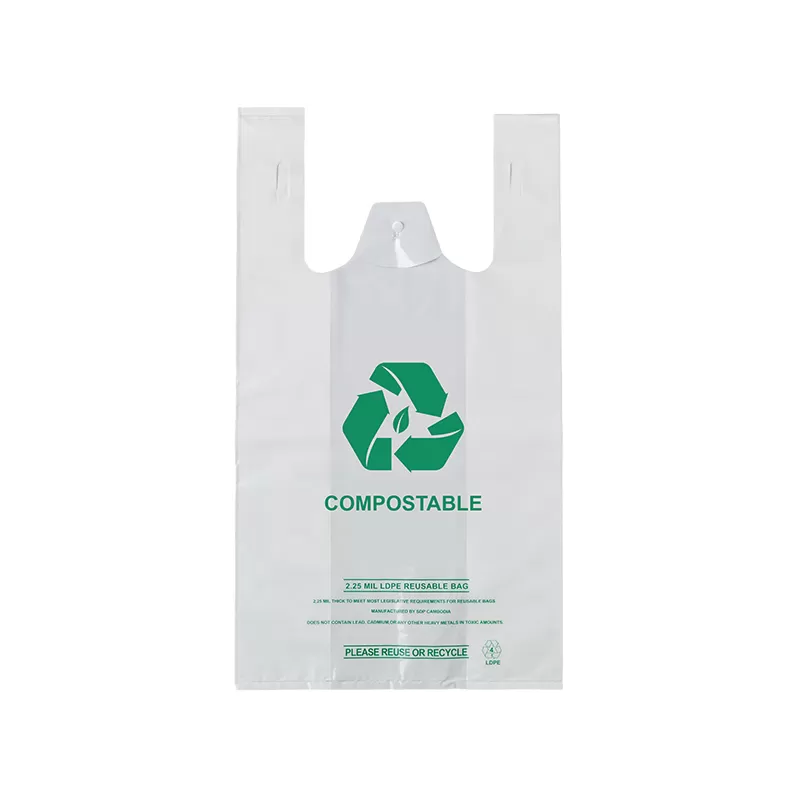
Plastic containers, by contrast, pose significant long-term challenges. Even recyclable plastics often end up in landfills or the natural environment due to low actual recycling rates worldwide. Non-recycled plastics can persist for hundreds of years, fragmenting into microplastics that pollute soil, waterways, and oceans. This persistence contributes to lasting ecological damage and has driven global regulatory actions, including bans and restrictions on single-use plastics in many regions.
Paper containers also align better with growing consumer demand for sustainable packaging. Surveys consistently show that younger diners and environmentally conscious customers prefer brands that use eco-friendly materials, often influencing purchasing decisions and brand loyalty. By switching to paper, restaurants and delivery services can strengthen their green credentials while reducing the risk of future regulatory penalties.
It is important to note that the sustainability of paper containers depends on responsible
sourcing and proper disposal. When FSC-certified and paired with compostable or recyclable coatings, paper offers one of the most responsible packaging choices available today.

Functional Performance and Practical Considerations in Real-World Use
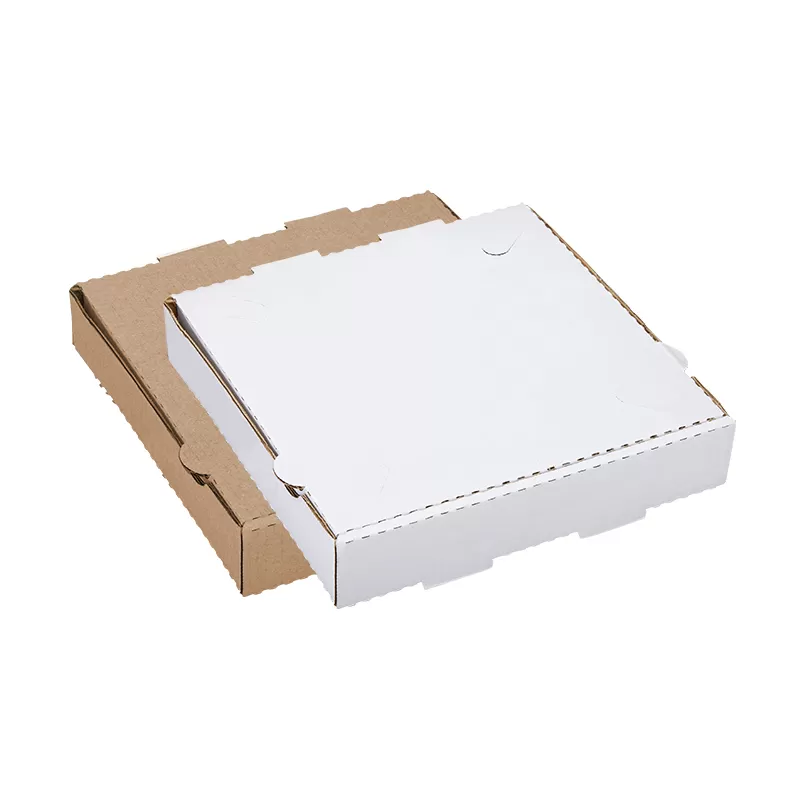
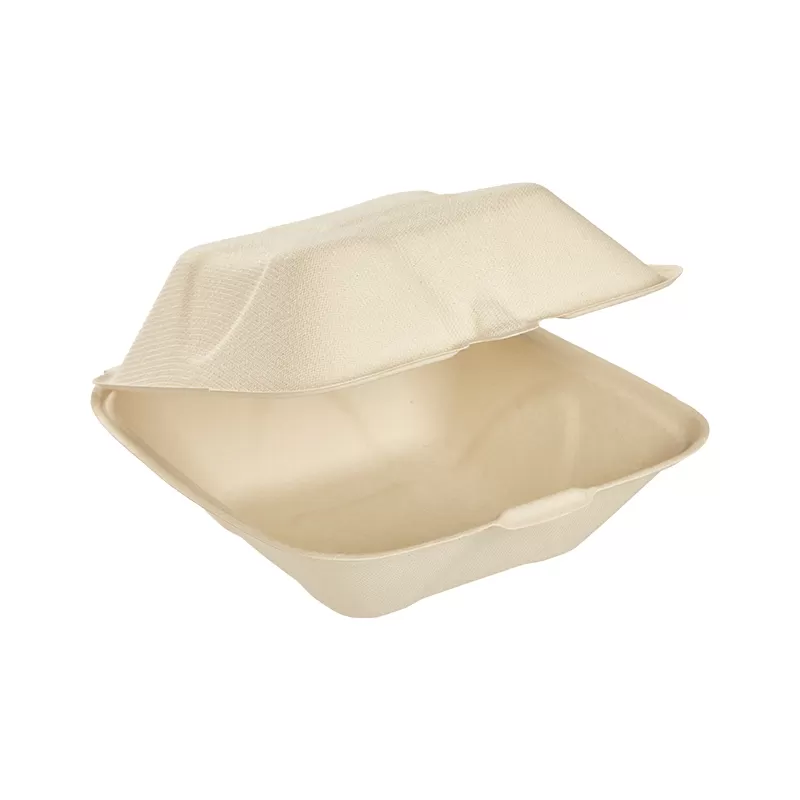
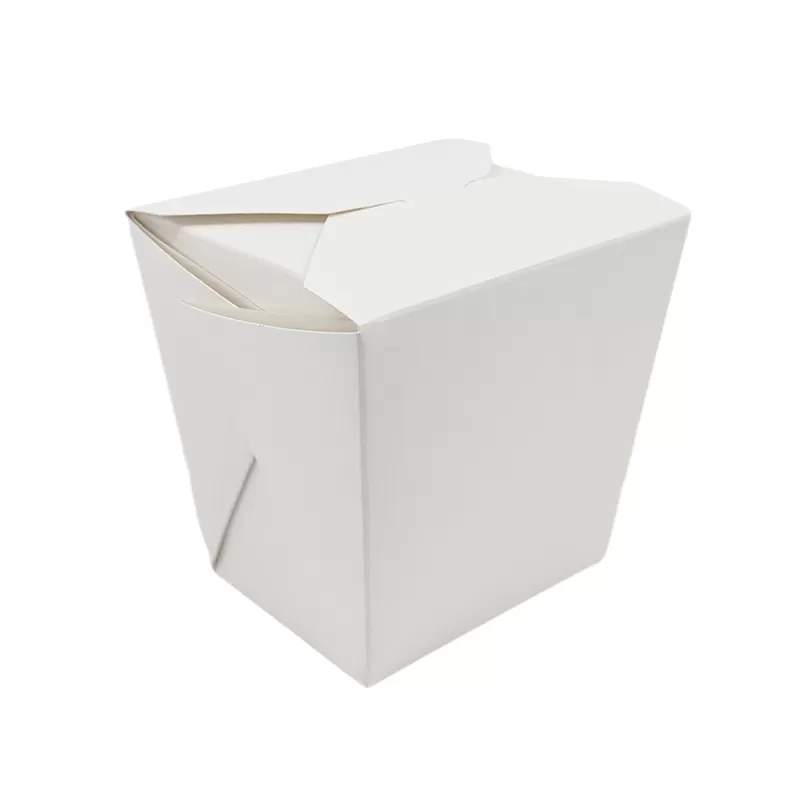
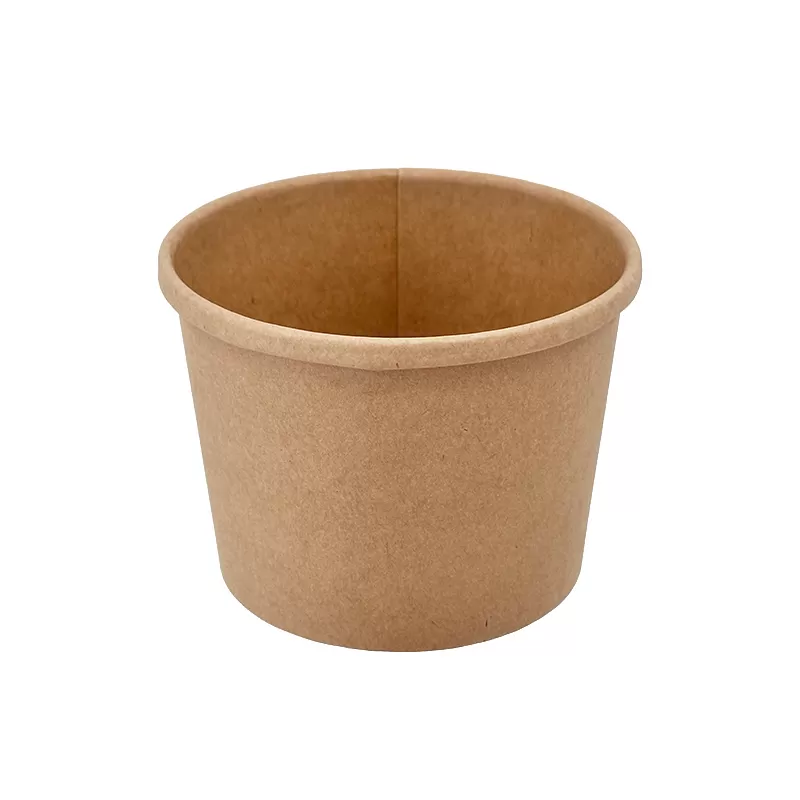
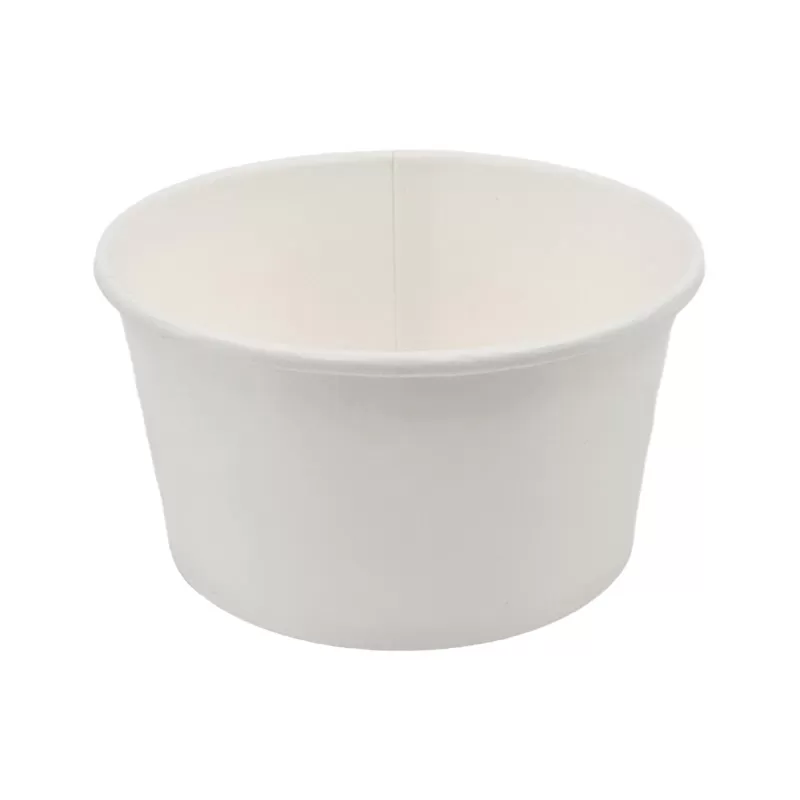
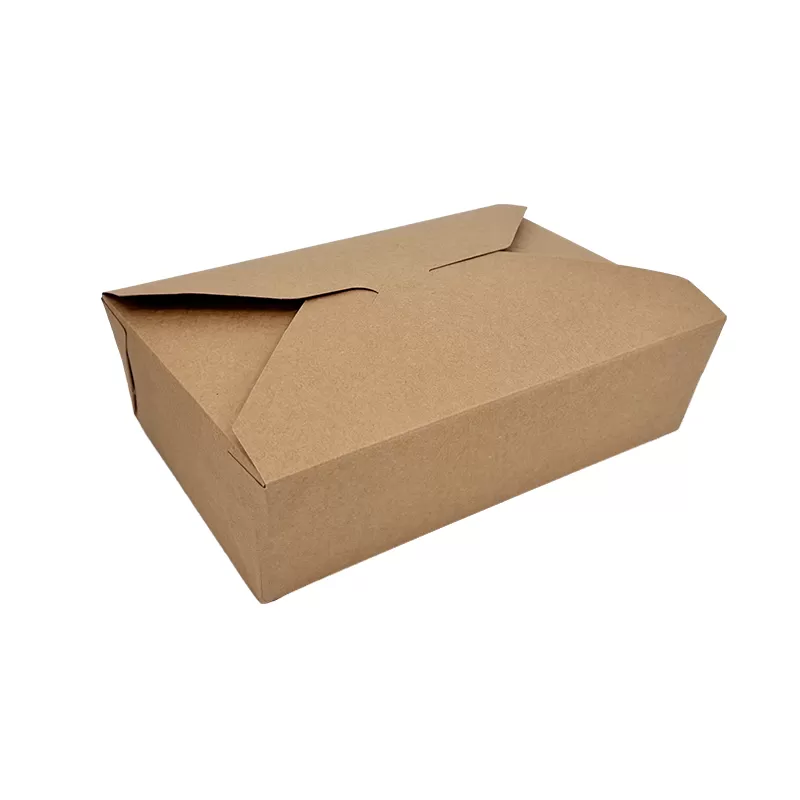
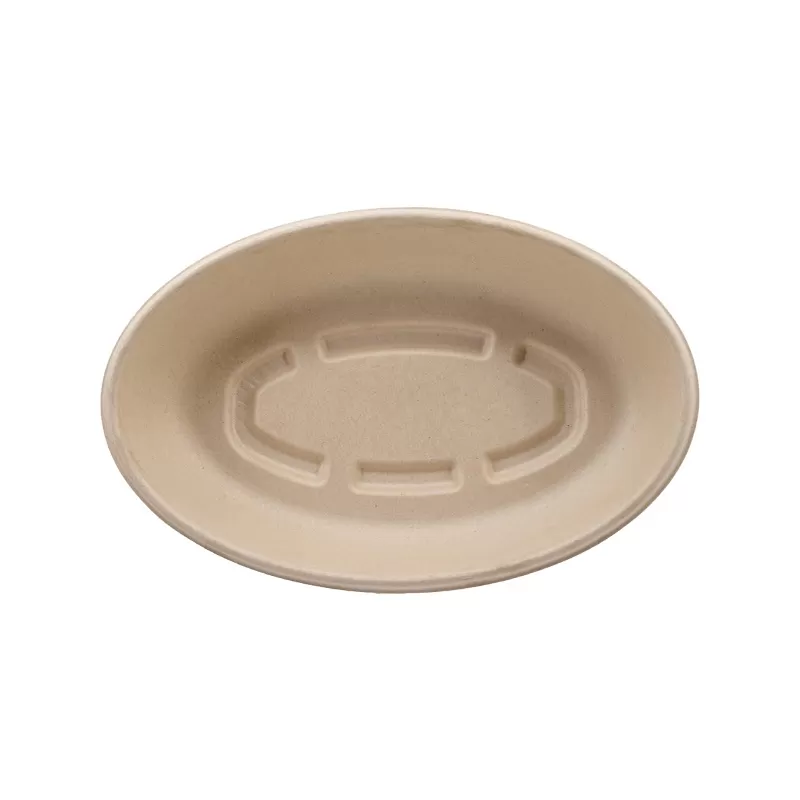
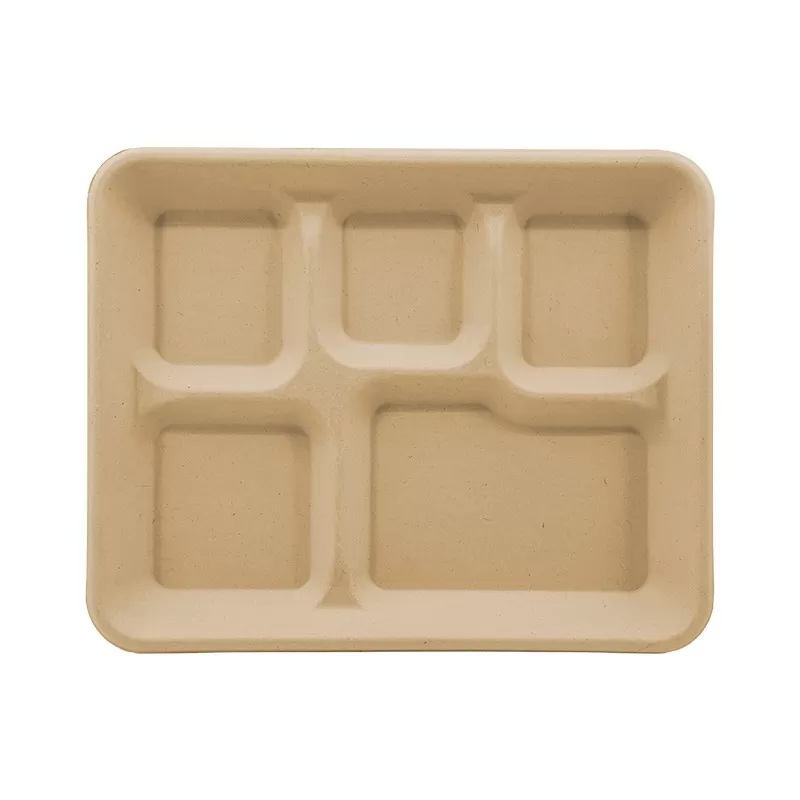
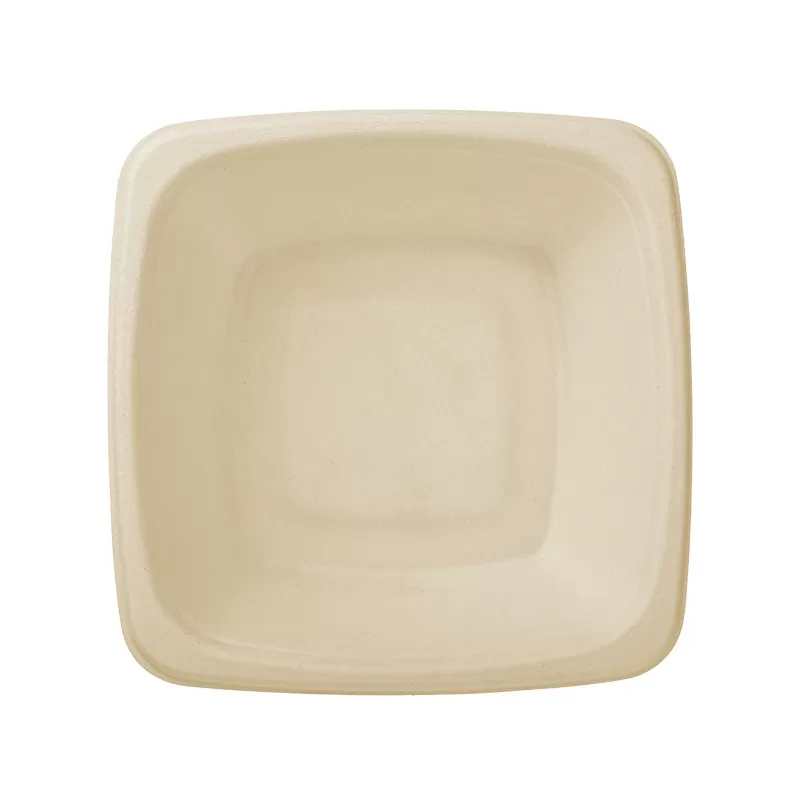
Beyond raw durability and sustainability metrics, real-world functionality matters greatly in foodservice operations. Paper containers are available in a wide variety of shapes, sizes, and styles—including round bowls, rectangular takeout boxes, soup cups, and clamshells—making them versatile for different menu items. Many feature steam vents to prevent sogginess in hot foods and clear lids for attractive presentation.
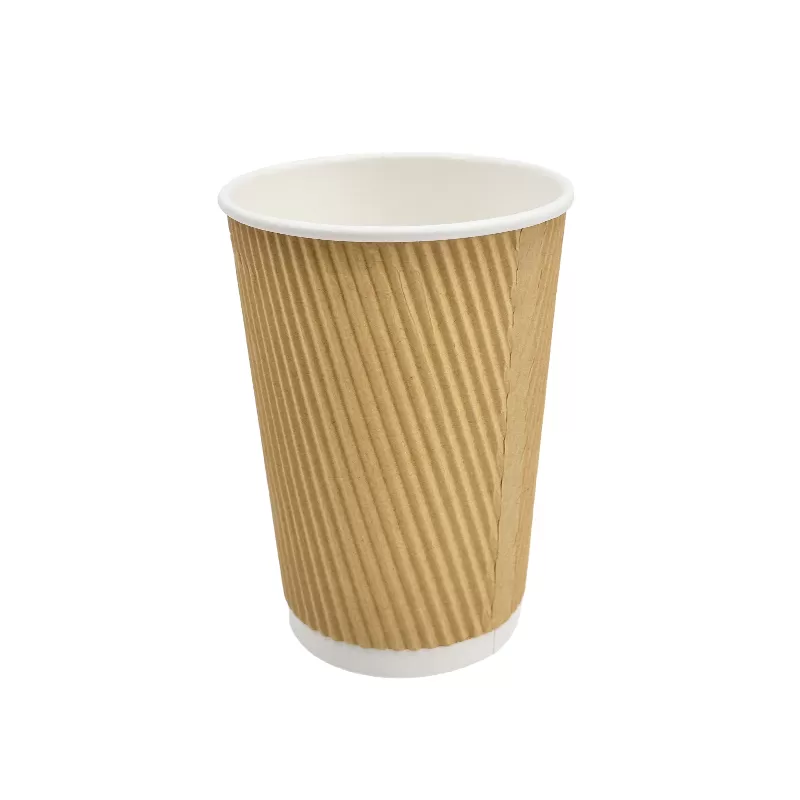
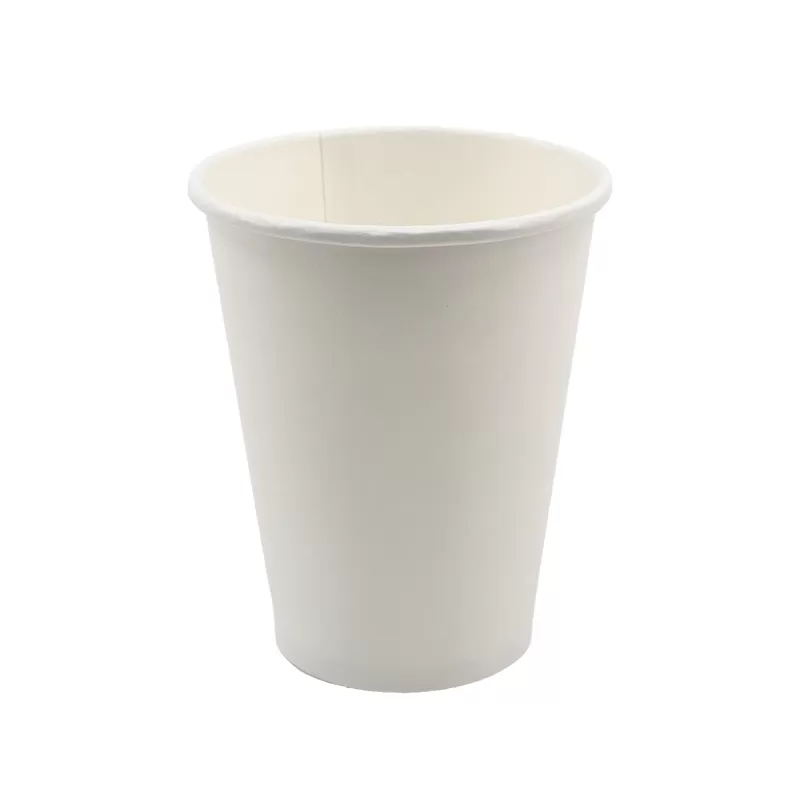
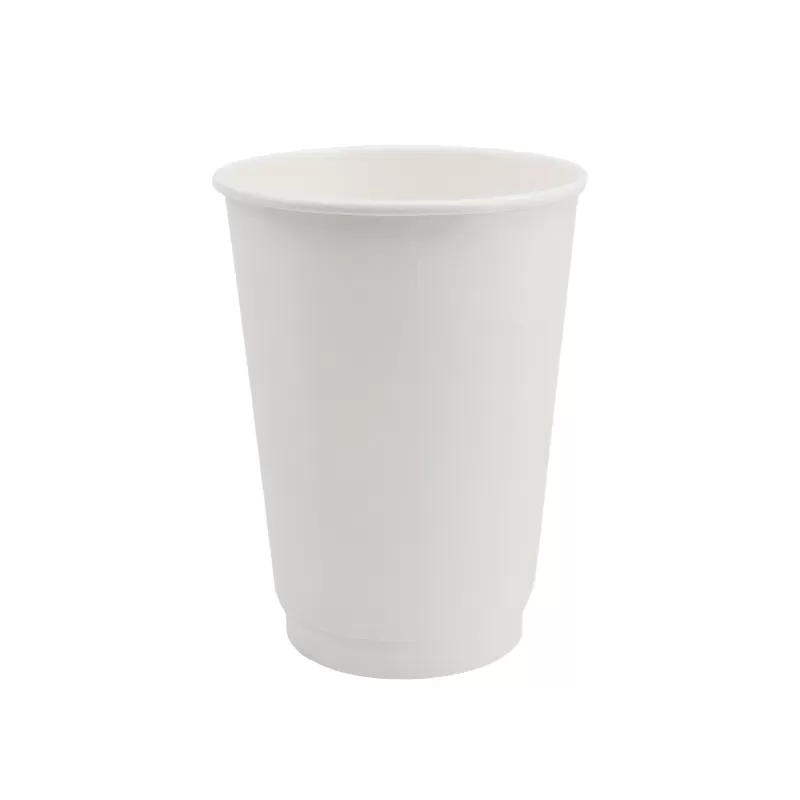
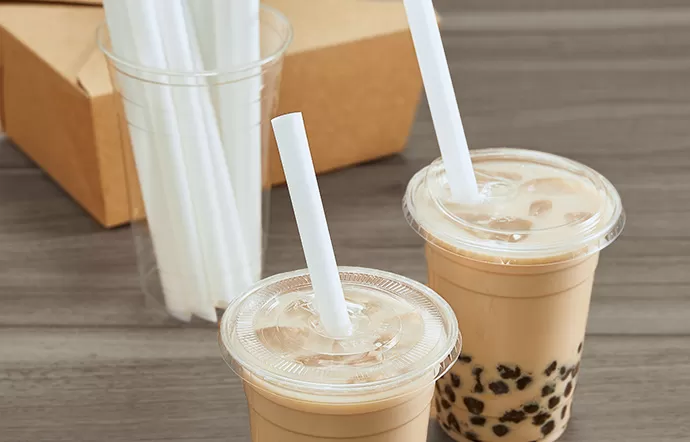
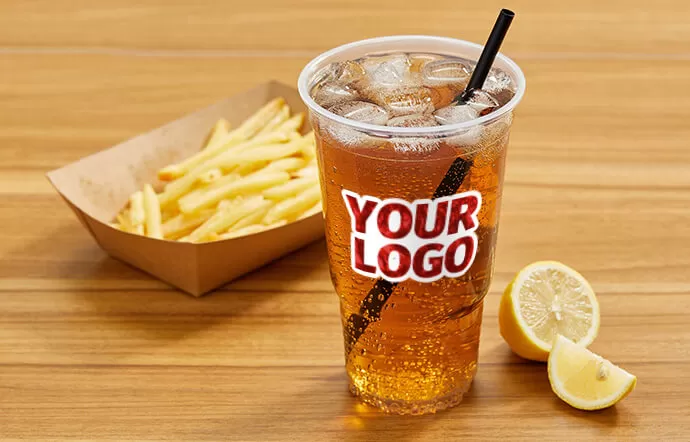
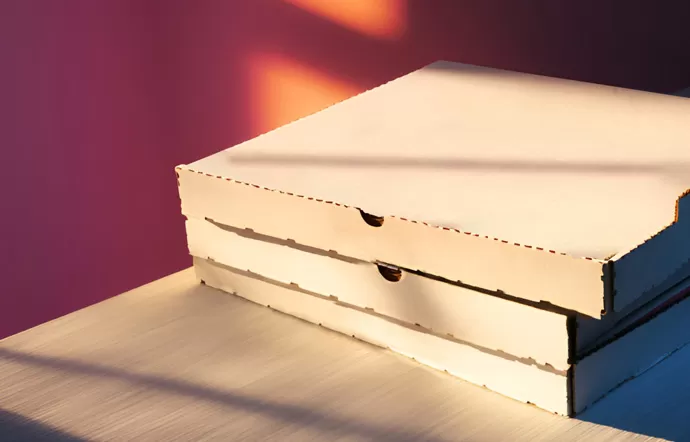
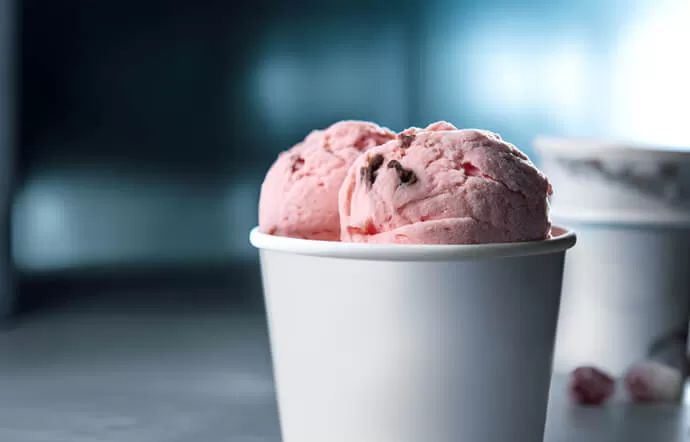
For cold beverages and foods, paper cups and containers with moisture barriers perform reliably, while insulated hot cups help keep beverages at the ideal temperature longer. Grease-resistant coatings ensure paper can safely hold oily items like burgers, fries, or pizza without leakage or weakening.
Cost is another practical factor. While high-performance paper containers may have a slightly higher per-unit price than basic plastic in some cases, their lighter weight lowers transportation and storage expenses. Additionally, as plastic restrictions increase, businesses that adopt paper early can avoid supply chain disruptions and potential price spikes in plastic alternatives.
Many operators adopt a hybrid approach: using durable paper for most takeout and delivery needs while reserving heavy-duty plastic for specific high-volume or reuse applications. This balanced strategy delivers both performance and environmental responsibility. Keystone Supply and similar providers offer extensive lines of paper-based solutions, including reinforced takeout containers, insulated cups, and compostable options, allowing businesses to customize their packaging strategy effectively.
Cost-Effectiveness, Regulatory Trends, and Brand Impact
From a business perspective, the total cost of ownership extends beyond the purchase price. Paper containers can reduce long-term risks associated with plastic bans, waste disposal fees, and negative public perception. Many municipalities and countries are implementing extended producer responsibility (EPR) programs or outright plastic restrictions, making paper a future-proof choice.
Furthermore, sustainable packaging enhances brand storytelling. Restaurants that highlight their use of renewable, compostable paper containers often see improved customer reviews and stronger social media engagement. In a competitive market where diners increasingly vote with their wallets for eco-conscious brands, this intangible benefit can translate into measurable revenue growth.
Conclusion
Paper containers and plastic containers each have strengths, but the balance is clearly shifting toward paper. While traditional plastic still offers unmatched durability in the most extreme conditions, modern paper containers—equipped with reinforced designs, advanced coatings, and secure closures—now provide excellent performance for the vast majority of foodservice applications. More importantly, paper delivers superior sustainability through renewable sourcing, high recyclability, compostability, and a dramatically lower long-term environmental impact.
For restaurants, caterers, and delivery services seeking to reduce their ecological footprint without sacrificing functionality or customer satisfaction, paper containers represent a smart, responsible choice. By partnering with quality suppliers like Keystone Supply, businesses can access durable, attractive, and eco-friendly packaging solutions that align with both current needs and future regulations.
As material science continues to advance, paper containers will only grow stronger and more versatile. The foodservice industry stands at a pivotal moment: those who embrace sustainable packaging today will not only meet consumer expectations but also build resilient, forward-thinking brands for tomorrow. Choosing paper is no longer just an environmental decision—it is a strategic one that supports durability, cost management, and long-term success.