What Does PET Stand For — A Quick Material Overview
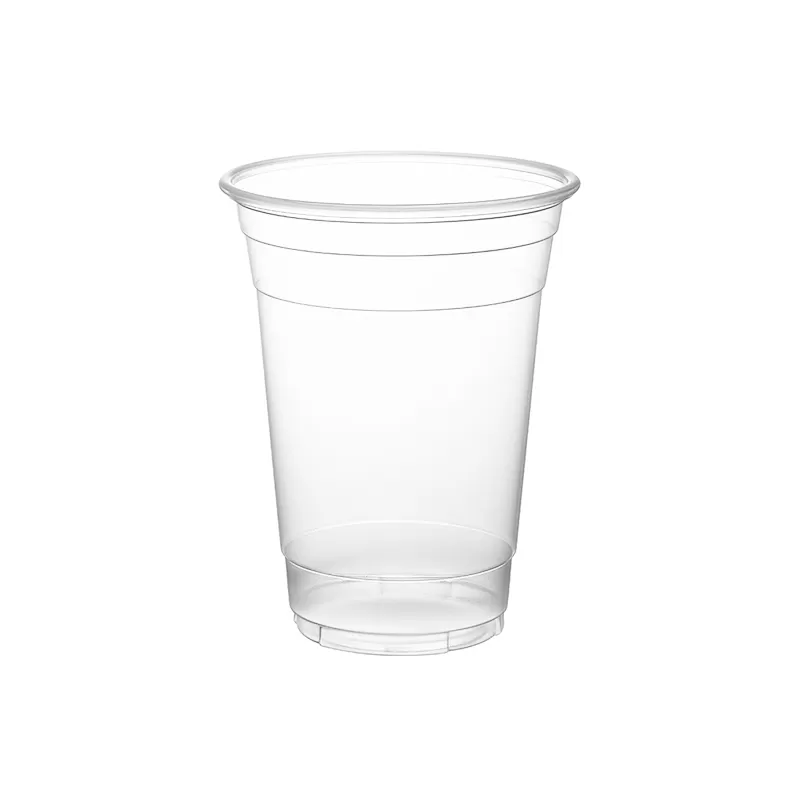
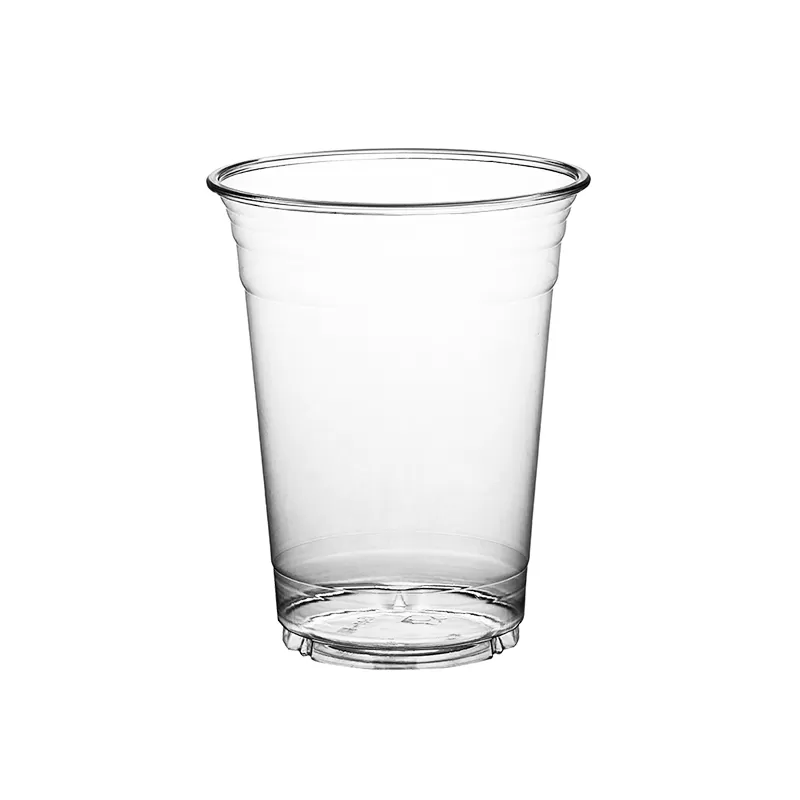
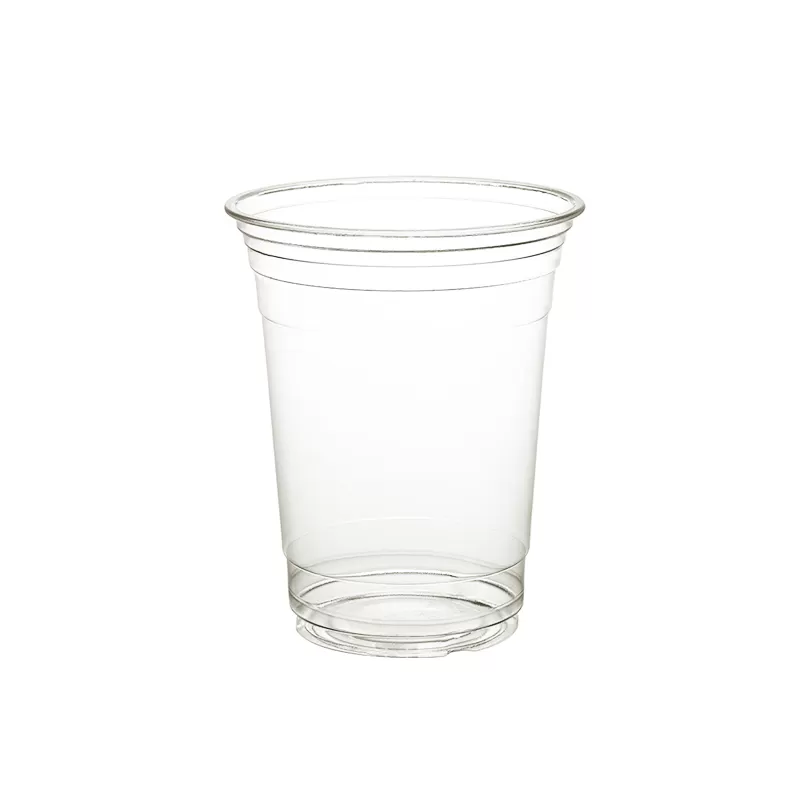
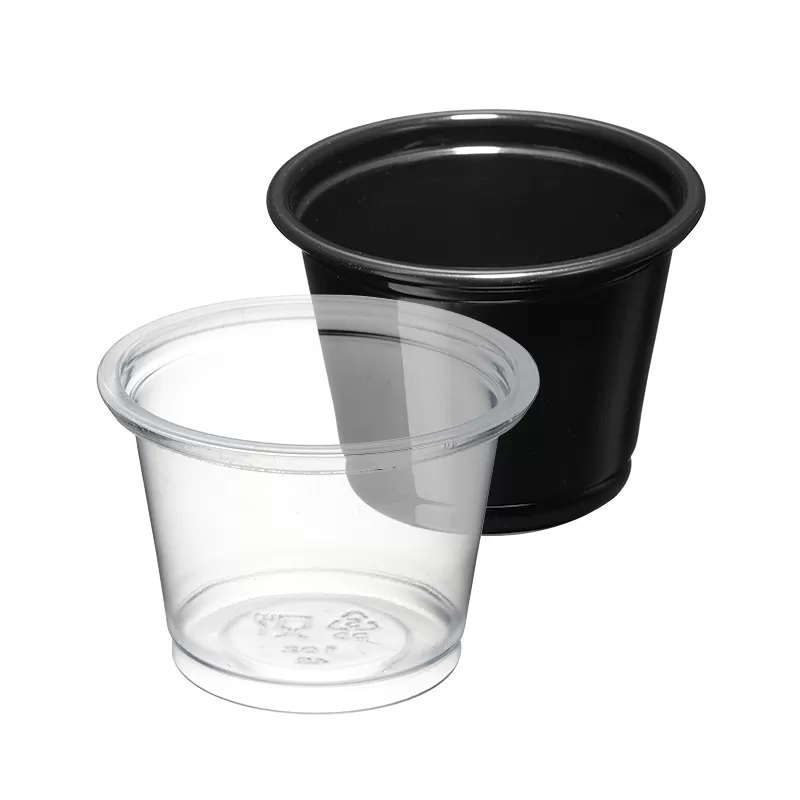
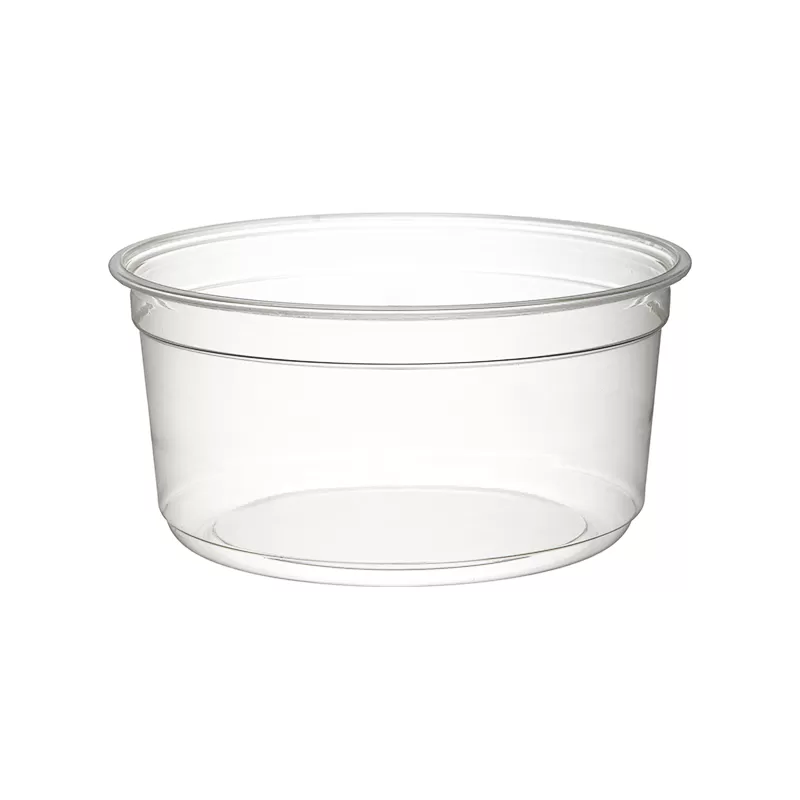
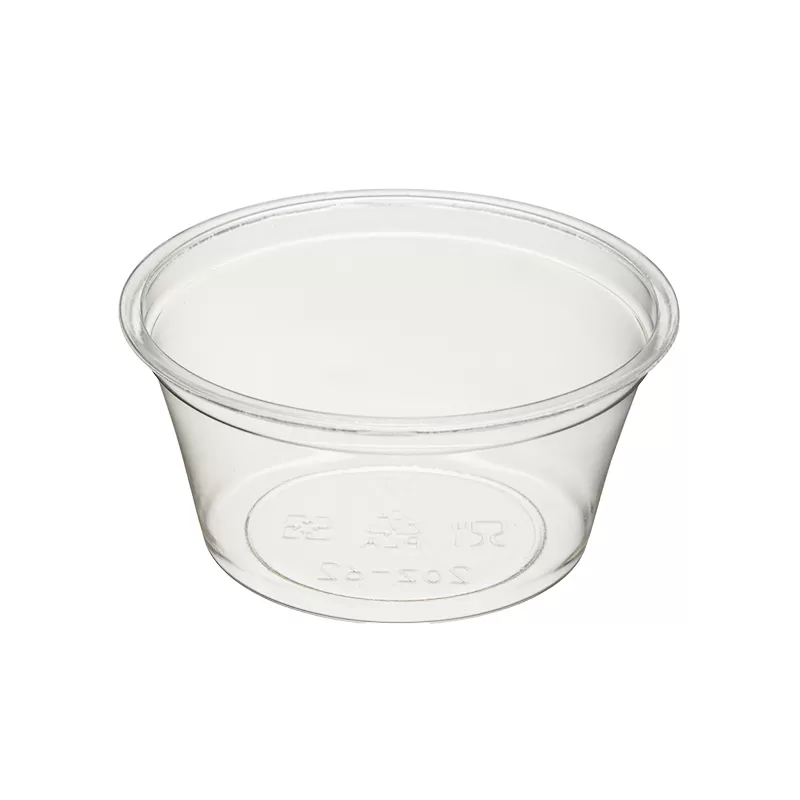
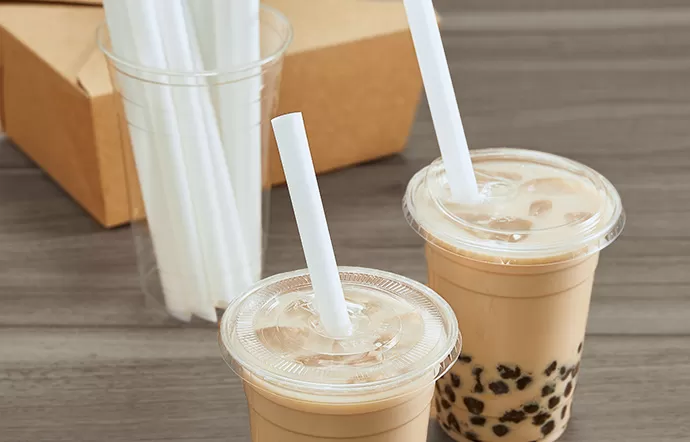
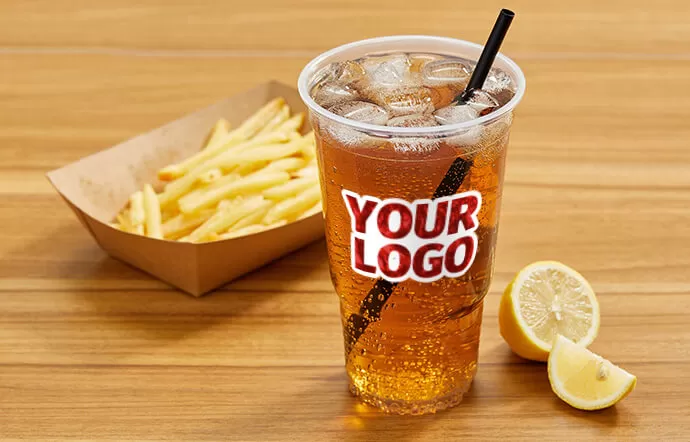
PET stands for Polyethylene Terephthalate, a strong thermoplastic polymer commonly used for cold drinks. PET cups deliver the classic clear look that consumers expect. They are recyclable in most curbside programs and can be reprocessed into new containers, clothing fibers, and packaging. While PET is petroleum-based, its wide recyclability makes it a responsible choice in regions with developed recycling infrastructure. Choosing pp clear cup alternatives made of PET allows brands to balance aesthetics and sustainability.
What is PLA? A Plant‑Based Compostable Option
PLA (Polylactic Acid) is a bioplastic derived from renewable resources like corn starch or sugarcane. Unlike petroleum-based plastics, PLA is created through fermentation and polymerization of lactic acid. This makes it 100% compostable in industrial facilities. Brands looking for eco-friendly options often choose PLA cold cup solutions for their plant-based origin. However, proper composting is essential, as PLA cannot be recycled in conventional programs.
What is PLA Good For — Sustainability vs. Practicality
What is PLA good for? PLA reduces reliance on fossil fuels and offers a lower carbon footprint compared to traditional plastics. It’s ideal for brands operating in regions with commercial composting access. For seasonal drinks or short-term events, plastic cups made of PLA can deliver both sustainability messaging and functional usability. On the downside, without industrial composting, PLA may behave like conventional plastic in landfills, so its environmental benefit depends on proper disposal.
PP (Polypropylene): Practical But Limited Sustainability
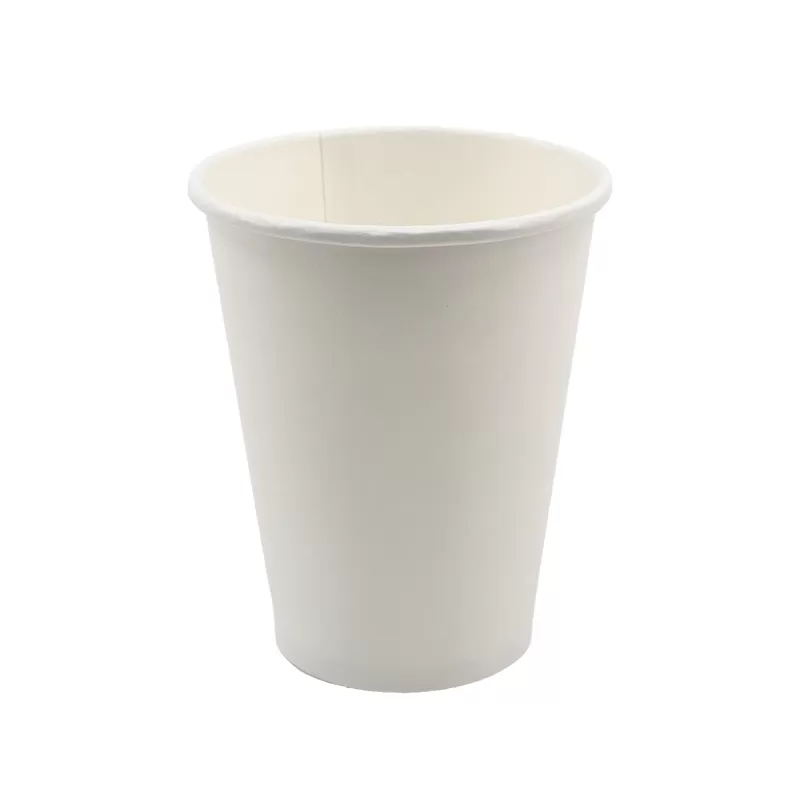
PP or polypropylene is lightweight, durable, and cost-effective, making it a common choice for budget-friendly cold cups. Polypropylene plastic cups and polypropylene cups with lids are widely used in cafes and restaurants. However, PP has limited recyclability in many regions and is neither compostable nor biodegradable. Choosing pp cup suppliers who provide sustainable options can help brands mitigate environmental impact, but PP cold cup remains best suited for cost-driven applications rather than sustainability-focused goals.
PET vs PLA: Key Differences for Sustainability
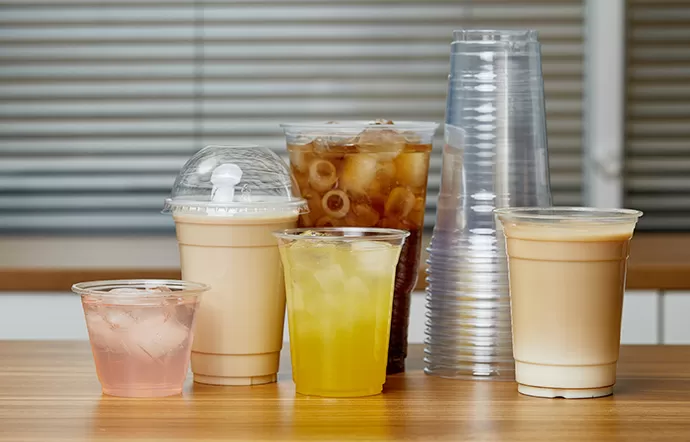
When comparing PET and PLA, the primary trade-off is recyclability vs compostability. When comparing PET and PLA, the primary trade-off is recyclability vs compostability. The PET material used in PET cold cups can be recycled into new containers or fibers, while PLA requires industrial composting. For businesses:
PET excels in areas with strong recycling infrastructure.
PLA is perfect for brands with access to commercial composting.
PP cold cup remains a practical, durable option if budget is the priority over sustainability.
Brands can customize their cups with pp cup design or pp cup material to meet both branding and operational needs.
Plastic vs Compostable Cups: What Consumers Should Know
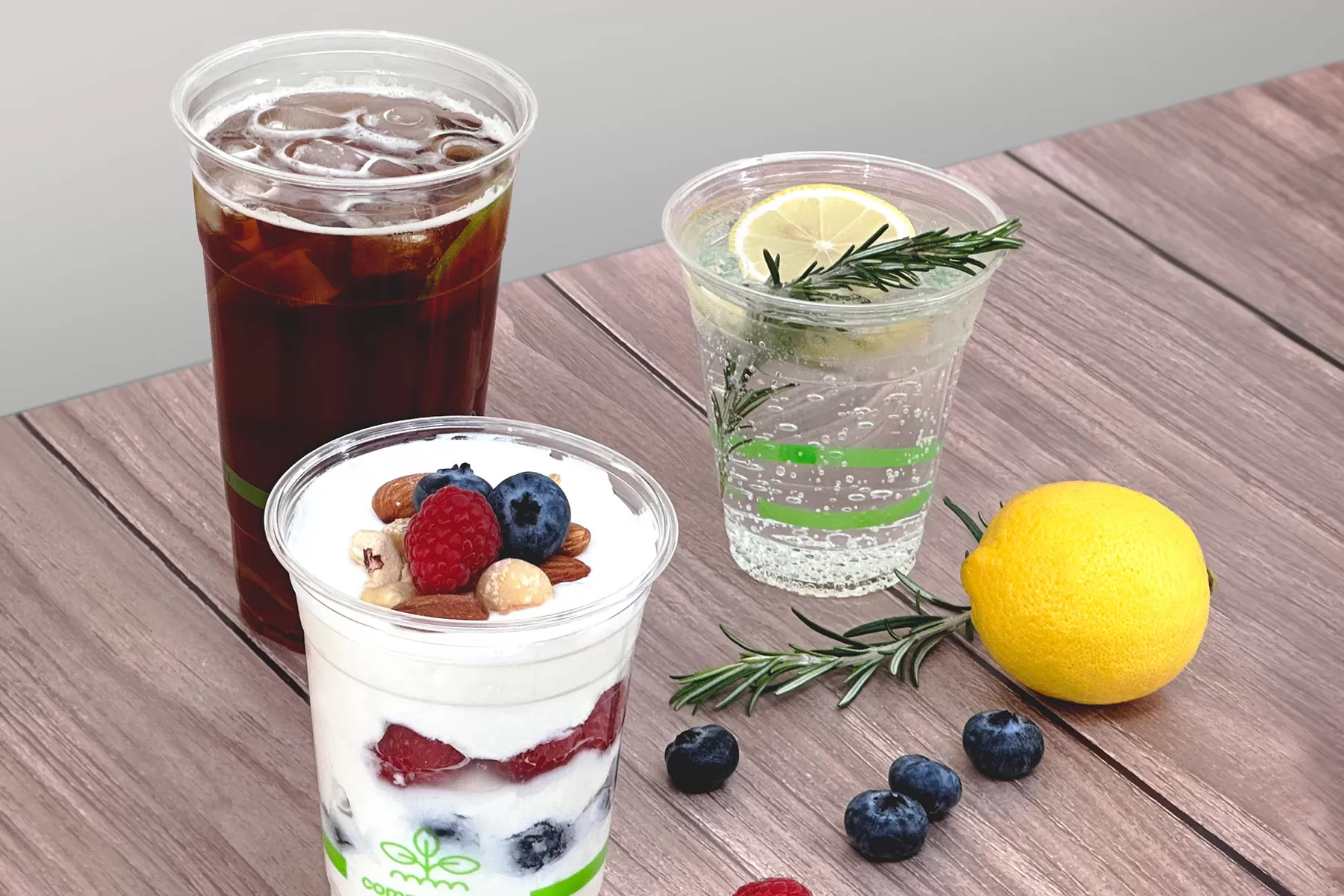
Even eco-friendly options like PLA require proper disposal to realize their sustainability potential. Without industrial composting, PLA cold cups can behave like conventional plastics. Consumers and businesses should contact pp cup factories or pp cup companies (https://www.keystonesupply.com/about-ksi/) to verify materials and ensure proper recycling or composting pathways.
For brands that value both sustainability and practicality, KSI offers custom-branded PET, PP, and PLA cold cups, helping businesses choose the right cup for their operation and eco-conscious goals.
Making the Right Choice for Your Brand and Sustainability Goals
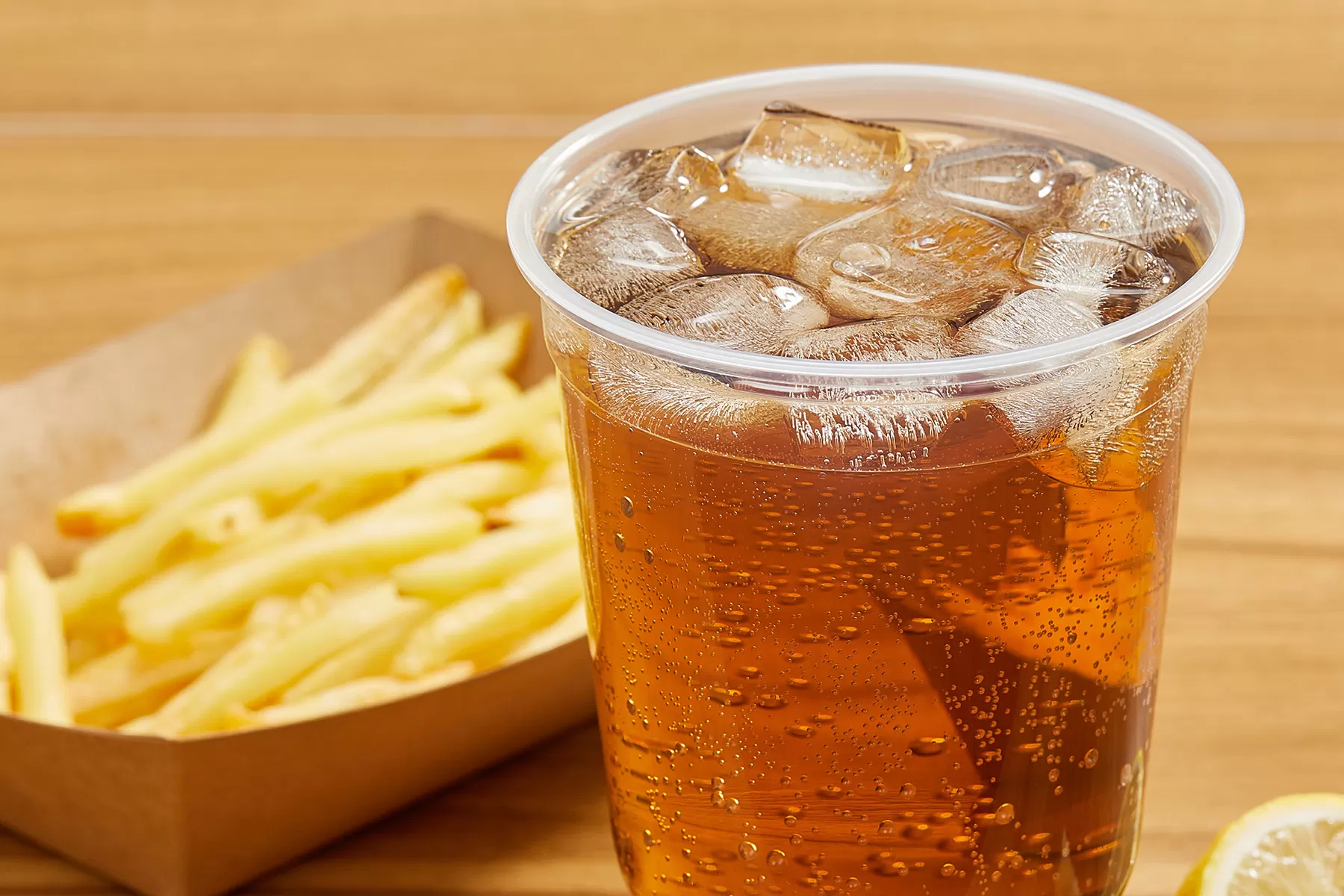
Choosing the right cold cup material depends on your brand priorities and environmental goals. PET offers excellent recyclability and a crystal-clear look that appeals to consumers. PLA provides a plant-based, compostable solution for eco-conscious businesses with access to commercial composting. PP remains a practical, durable, and budget-friendly option for those focused on cost efficiency.
By understanding the differences between PET, PLA, and PP, brands can select the best material for their operations while maintaining a commitment to sustainability. For businesses sourcing cold cups wholesale, partnering with trusted suppliers helps ensure quality, consistency, and responsible sourcing.
Contact us to learn more about sustainable packaging options tailored to your brand!