The modern restaurant industry has changed significantly in recent years. Influenced by food delivery platforms, online ordering systems, changing consumer habits, and fast-paced lifestyles, many restaurants no longer rely only on dine-in service. Takeout and food delivery have become an essential part of daily operations for restaurants, cafés, bakeries, catering companies, convenience stores, and even supermarkets.
As delivery demand continues growing, food packaging is no longer simply used to hold meals. Packaging now directly affects food quality, transportation safety, customer satisfaction, and even brand reputation.
For food businesses, delivery packaging must now perform under much more demanding conditions than traditional dine-in packaging.
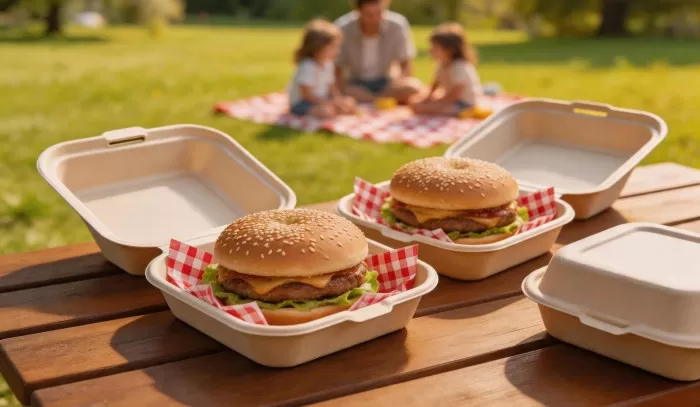
Common Problems Restaurants Face With Takeout Packaging
Many restaurants still experience serious packaging issues during transportation, especially when using low-quality takeaway containers.
Weak packaging structures may collapse under the weight of heavy meals. Thin materials can soften when exposed to steam or high temperatures. Poor sealing may allow oil, soup, or sauces to leak during delivery, creating a messy customer experience.
These problems often lead to:
For delivery-focused restaurants, packaging failure can directly impact repeat business.
For example, a poorly designed clamshell container may become unstable during stacking or transportation. Lightweight paper packaging may absorb moisture and lose rigidity quickly. Some low-grade containers also fail to properly separate foods, causing meals to lose their original presentation before reaching customers.
As delivery distances become longer and customer expectations continue rising, restaurants need packaging solutions capable of maintaining food quality from kitchen to customer doorstep.
Environmental Requirements Are Reshaping Food Packaging
In addition to performance concerns, food businesses are also facing growing environmental pressure.
Governments in many countries are introducing stricter regulations on plastic packaging waste, while consumers are increasingly paying attention to whether restaurants use environmentally responsible packaging materials.
Today’s customers often expect businesses to reduce reliance on foam and single-use plastic containers. As a result, restaurants are actively searching for packaging options that combine durability with sustainability.
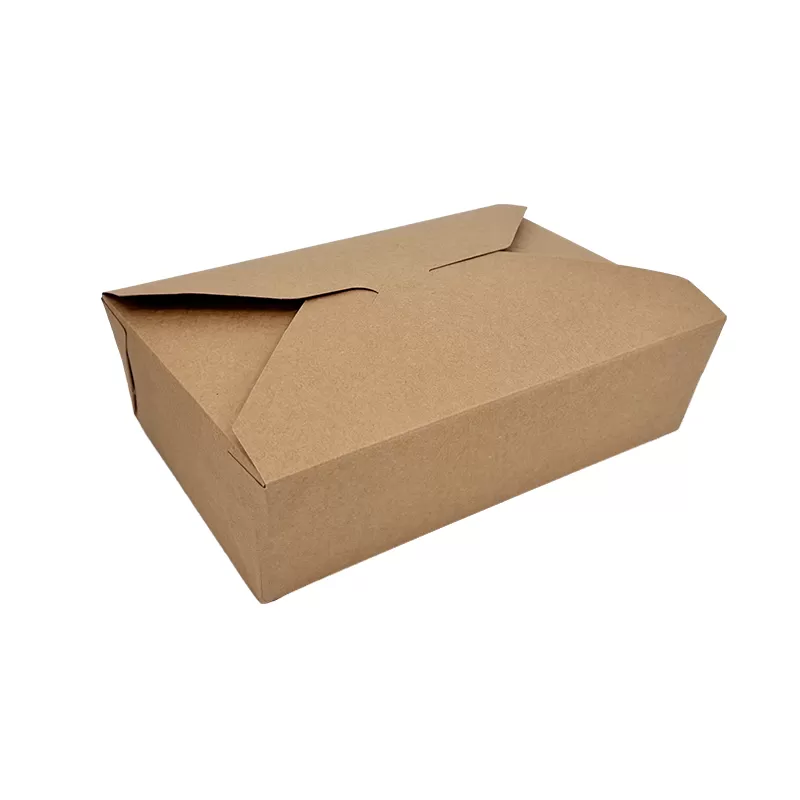
This growing demand has accelerated interest in molded fiber clamshell take out containers and other plant-fiber takeaway packaging solutions. Many restaurants are also replacing traditional foam boxes with eco friendly clamshells that offer a more modern appearance and improved environmental performance.
In recent years, sugarcane clamshell packaging has become especially popular because it is made from renewable plant fibers while still providing strong structural performance for takeaway meals. Businesses seeking more sustainable operations are also increasingly choosing environmentally friendly clamshell packaging to align with both customer expectations and regulatory requirements.
At the same time, the demand for compostable clamshell take out food containers continues to rise as restaurants search for packaging that can balance food protection, convenience, and sustainability.
Compared with traditional foam packaging, molded fiber containers offer a more practical long-term solution while supporting modern environmental goals.
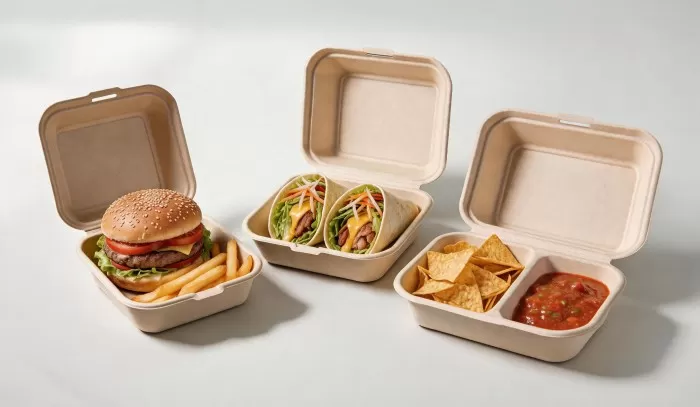
Why Molded Fiber Clamshell Packaging Is Becoming More Popular
Modern food businesses require packaging that can solve multiple challenges at the same time.
A high-quality clamshell takeout container must be able to:
Protect food during transportation
Retain heat effectively
Resist oil and moisture
Maintain structural stability
Support efficient stacking
Improve customer convenience
This is why molded fiber packaging has become one of the fastest-growing categories in the food service industry.
Unlike traditional plastic or foam containers, fiber clamshell packaging is typically manufactured from renewable plant fibers such as sugarcane bagasse. These materials provide both structural strength and environmental benefits.
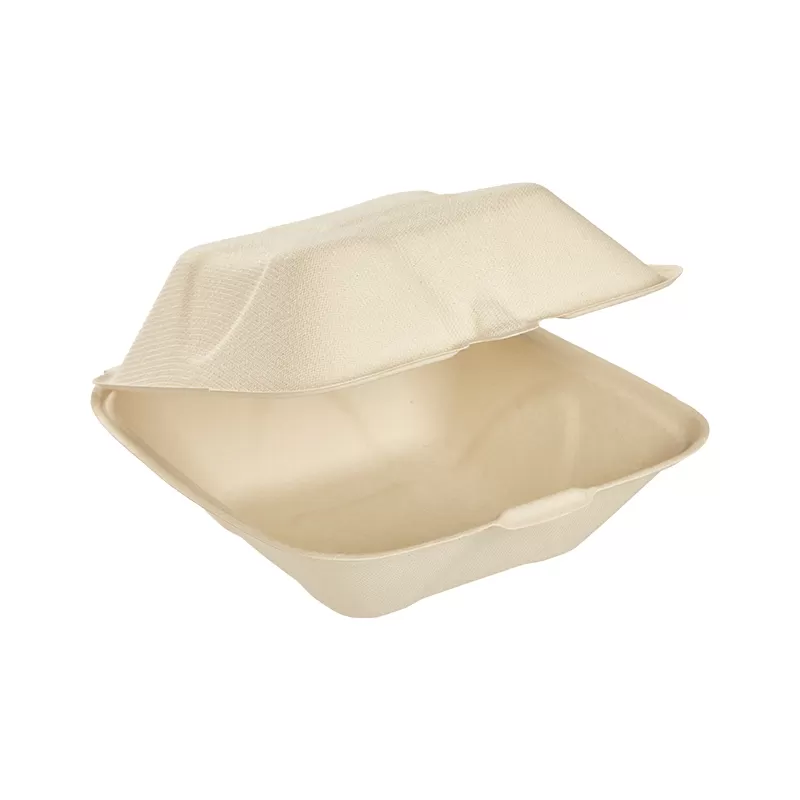
Restaurants also prefer a food container with hinged lid because it simplifies packaging operations. Since the lid is attached directly to the container, staff can pack orders more efficiently during busy service hours.
This design also helps improve transportation security while making containers easier for customers to open and close.
The Advantages of Strong Clamshell Packaging
Not all takeaway containers perform equally under real delivery conditions. Restaurants increasingly prioritize packaging that can withstand the challenges of modern food transportation.
Better Structural Durability
Strong clamshell take out containers help reduce spills, crushed packaging, and damaged meals during transportation.
This is especially important for:
Burgers
Fried foods
Rice meals
Sandwich combinations
Large takeaway platters
Well-designed containers maintain their shape even when stacked inside delivery bags.
Improved Heat Retention
Temperature plays a major role in customer satisfaction.
A properly designed clamshell to go container helps maintain food warmth longer during transportation, improving the overall dining experience.
Oil and Moisture Resistance
Many takeaway foods generate steam or contain sauces and grease that can weaken poor-quality packaging.
High-performance food clamshell packaging should resist moisture absorption and help prevent leakage during delivery.
More Professional Presentation
Modern consumers notice packaging quality. Clean, durable, and well-designed packaging helps restaurants create a more professional brand image.
This is one reason many businesses are replacing foam containers with eco clamshell to go boxes and other fiber-based packaging solutions.
Why Many Food Businesses Choose Keystone
As demand for reliable and sustainable takeaway packaging continues growing, food businesses are becoming more selective about packaging suppliers.
Keystone, a U.S.-based supplier serving international markets, has developed a complete range of molded fiber clamshell packaging products specifically designed for modern takeaway and delivery operations.
Rather than focusing only on basic disposable packaging, Keystone designs products around real food transportation challenges faced by restaurants and delivery businesses.
Keystone's Clamshell Packaging Advantages
Compared with many standard takeaway containers on the market, Keystone products are designed to provide stronger commercial performance.
Reinforced Structure for Delivery Stability
Many low-cost containers lose rigidity when carrying heavy foods or when exposed to steam.
Keystone's hinged clamshell packaging products are designed with reinforced structures that improve stacking stability and transportation durability.
This helps restaurants reduce packaging failures during delivery.
Better Material Quality
Keystone's molded fiber products are designed to provide:
These features are especially important for delivery-focused operations where meals may remain packaged for longer periods.
Sustainable Packaging Solutions
Environmental sustainability is becoming an important purchasing factor for restaurants worldwide.
Keystone offers multiple eco friendly clamshell containers manufactured from renewable plant fibers, helping businesses reduce dependence on traditional plastic and foam packaging.
This makes Keystone’s packaging solutions suitable for businesses seeking both commercial performance and sustainability support.
Bulk Supply Support for Commercial Operations
Restaurants, distributors, and food service chains often require stable large-volume packaging supply to support daily operations and seasonal demand fluctuations.
Keystone helps businesses maintain consistent availability and reliable supply performance for long-term operations, ensuring packaging needs are met even during peak service periods.
Applications for Keystone Clamshell Packaging
Keystone’s molded fiber packaging products are widely used across multiple food service industries, including:
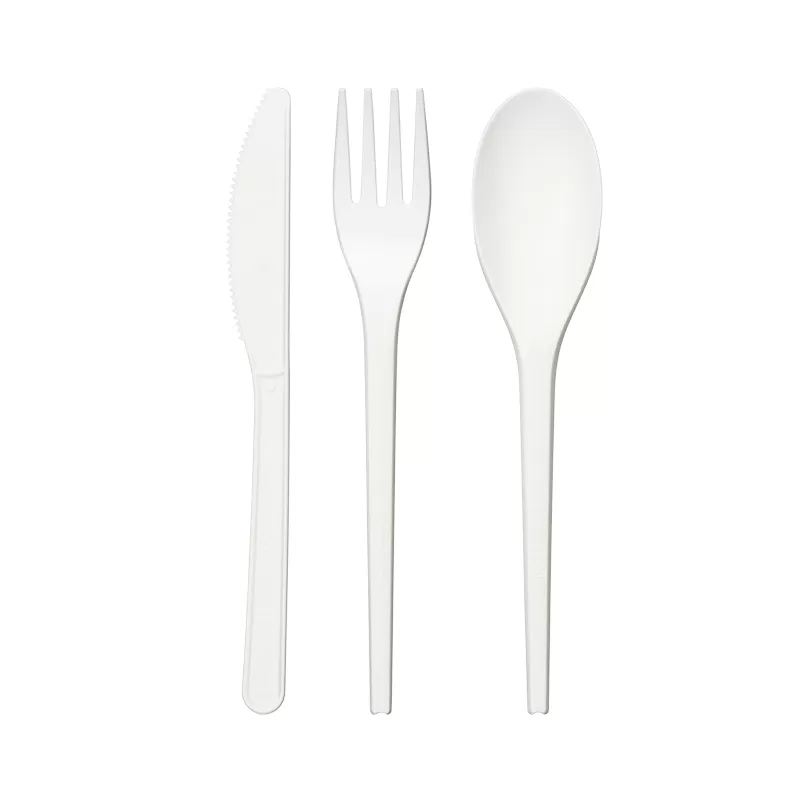
In addition to clamshell to go box solutions and disposable clamshell products, Keystone also offers a broad range of molded fiber tableware designed for modern takeaway and food service applications.
Its product categories include:
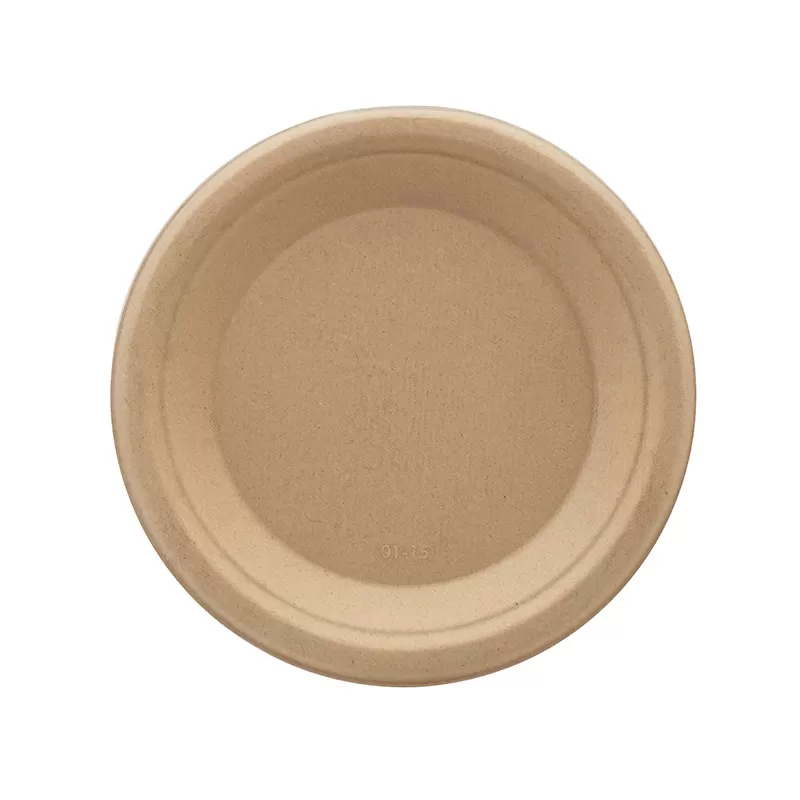
Round plates
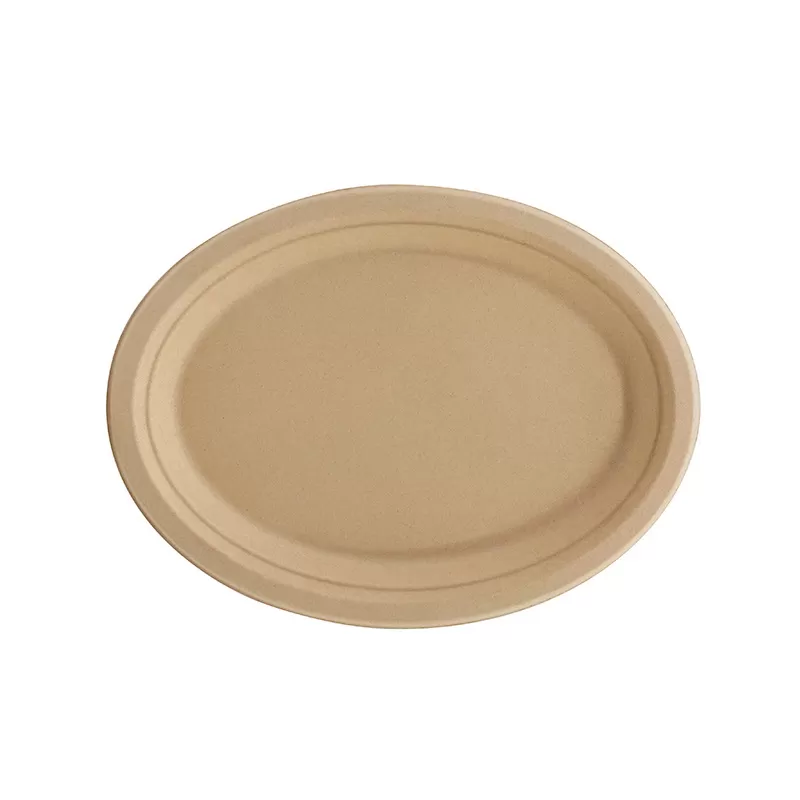
Oval plates
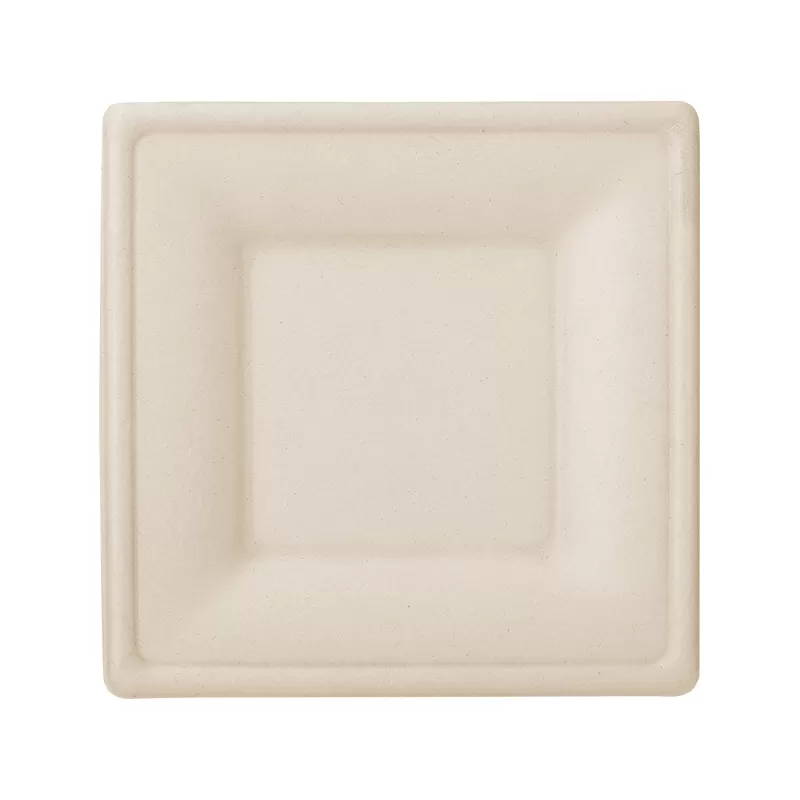
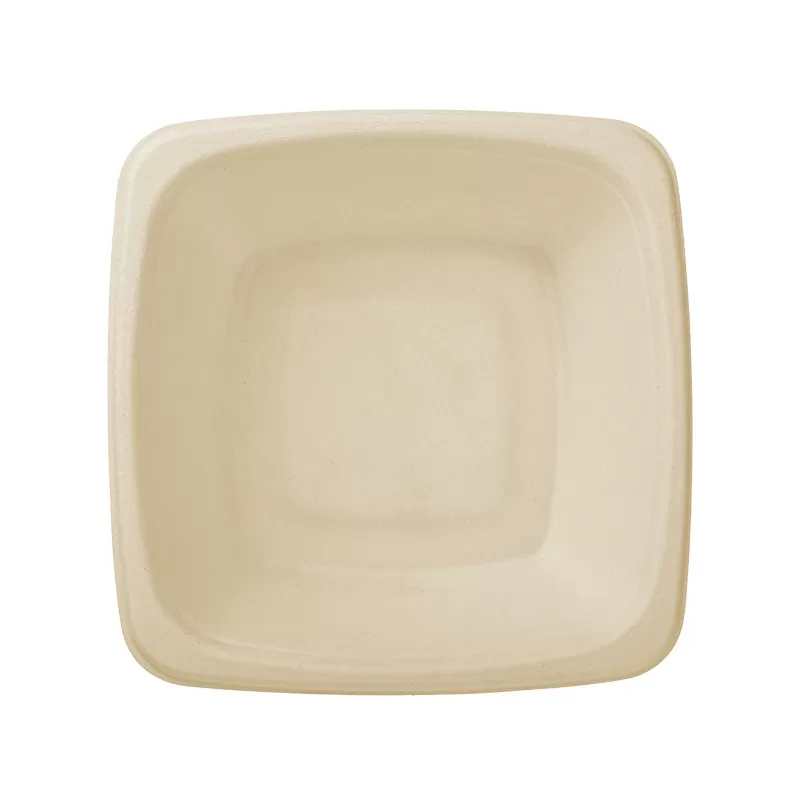
Square plates
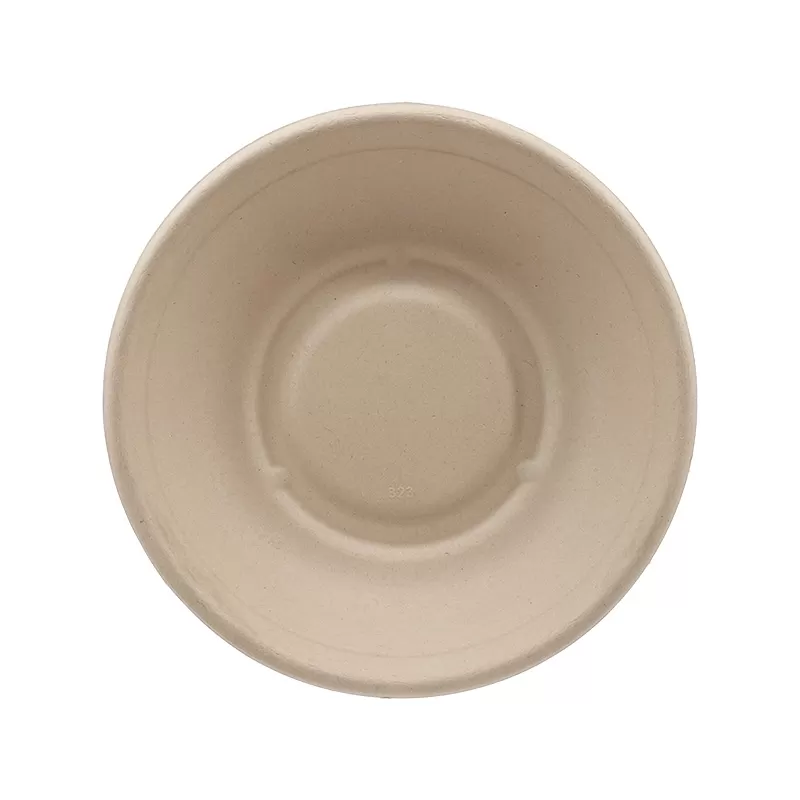
Round bowls
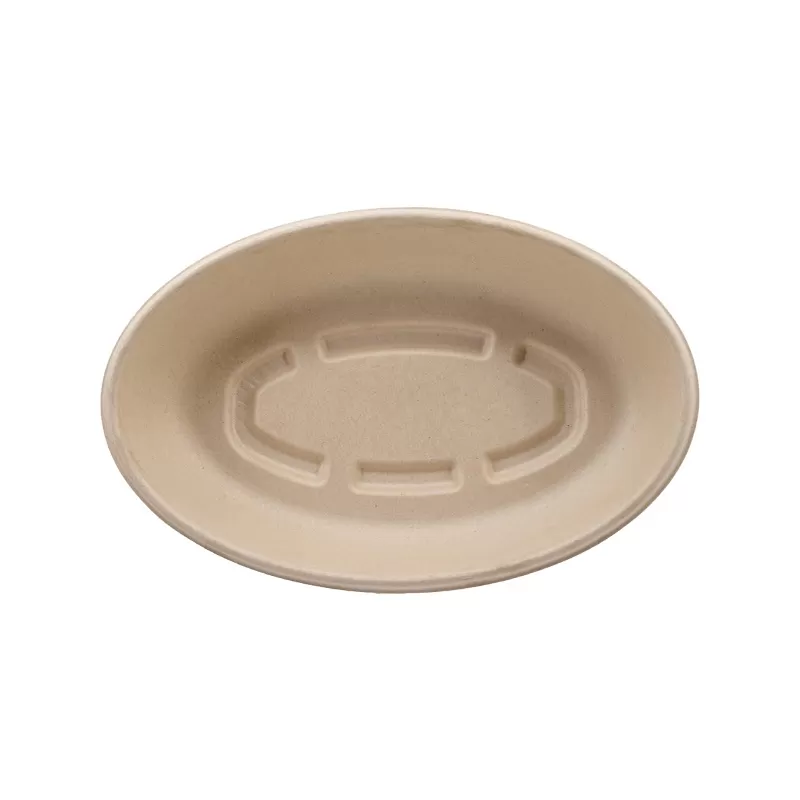
Oval bowls
Square bowls
Rectangle bowls
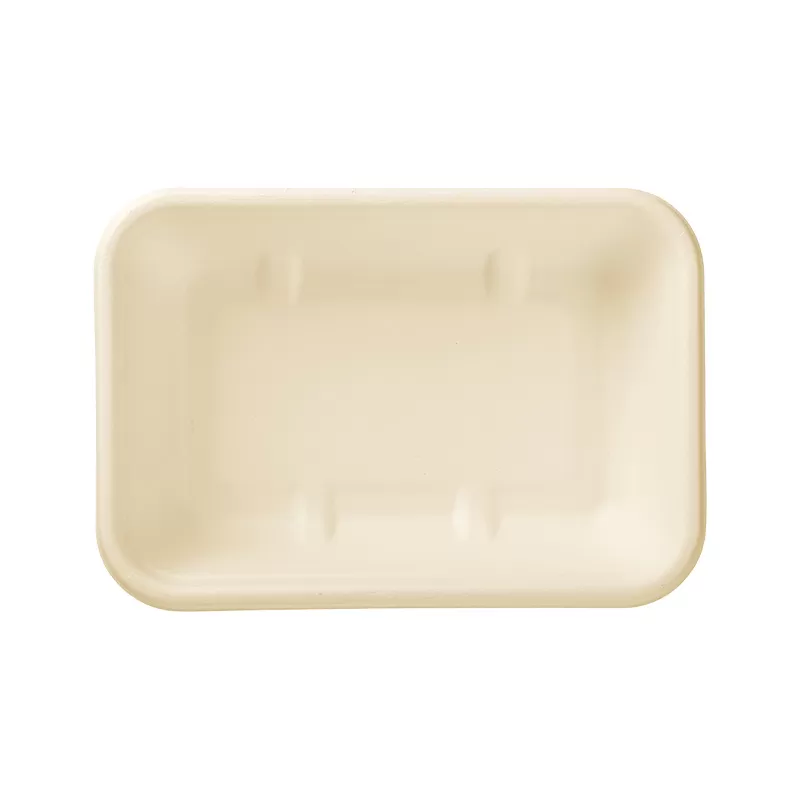
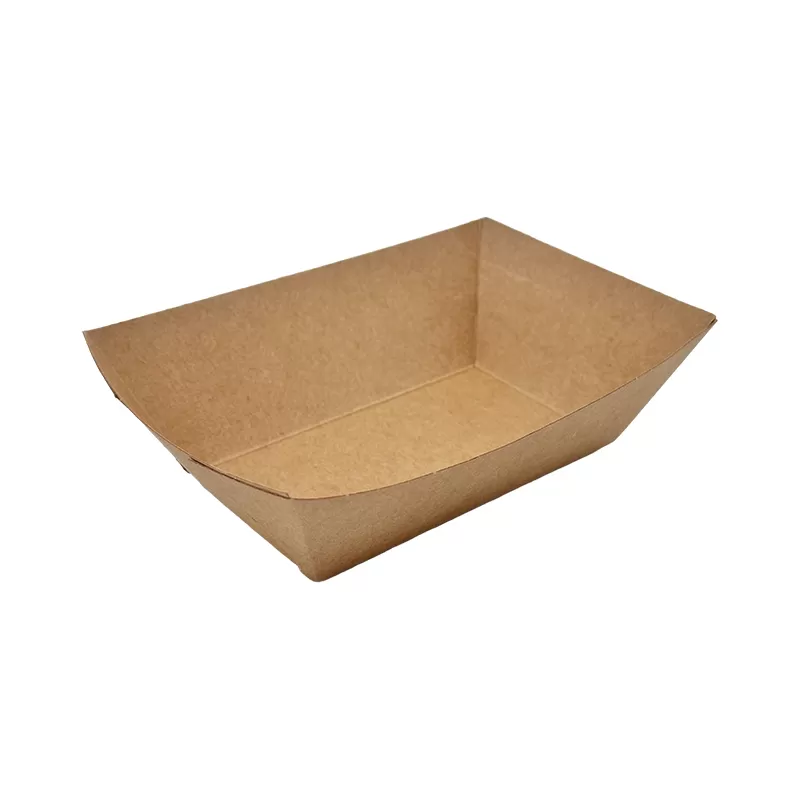
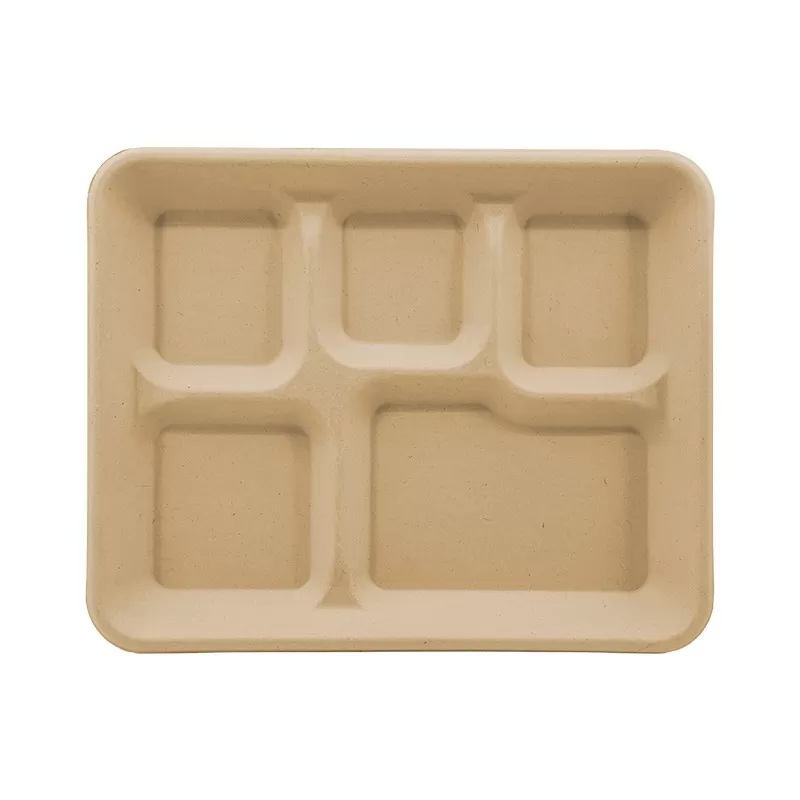
Food trays
These products are designed to support food presentation, transportation stability, and operational efficiency across different restaurant and takeaway environments.
The Future of Clamshell Food Packaging
As takeaway dining and food delivery continue expanding worldwide, packaging quality will become even more important for restaurants and food service businesses.
Modern takeaway packaging must now balance:
Food protection
Delivery performance
Customer convenience
Sustainability goals
Brand presentation
Because of these industry changes, molded fiber clamshell packaging is expected to remain one of the fastest-growing food packaging categories globally.
For businesses seeking durable, functional, and environmentally responsible takeaway packaging, Keystone’s molded fiber clamshell product line offers solutions designed specifically for the real demands of modern food delivery operations.