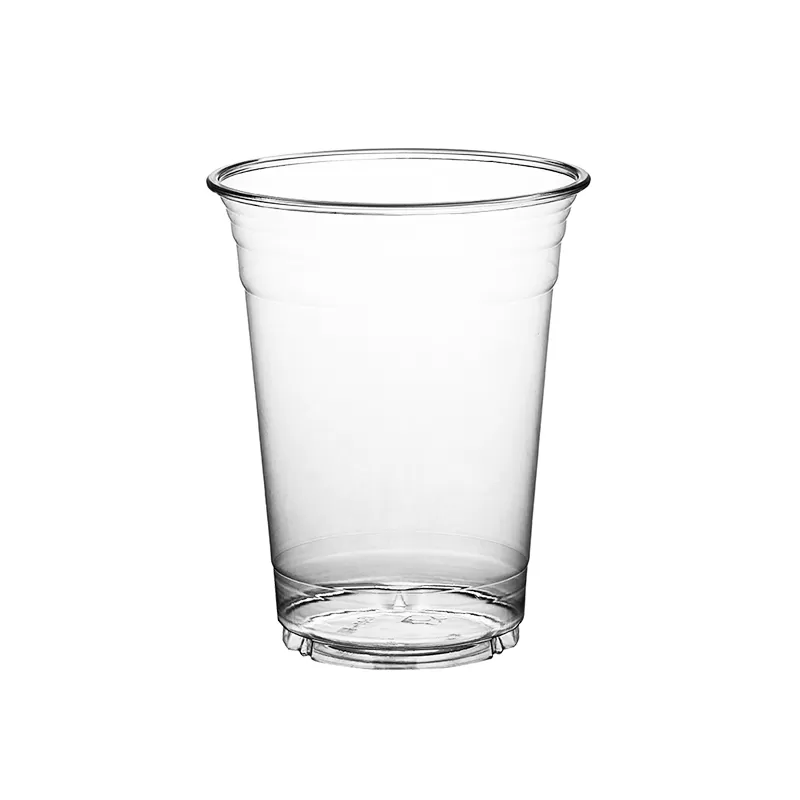
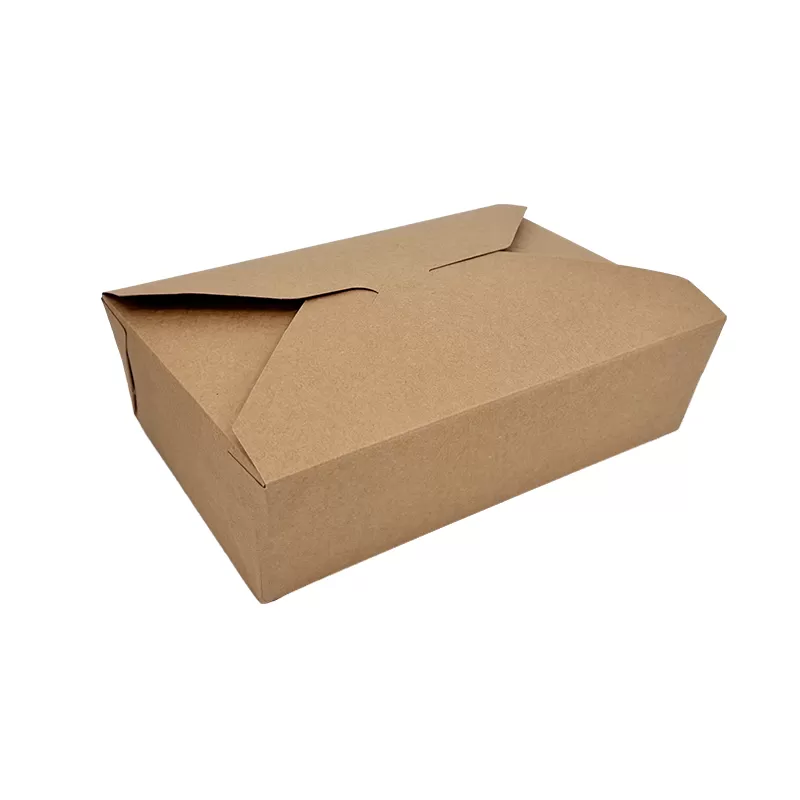
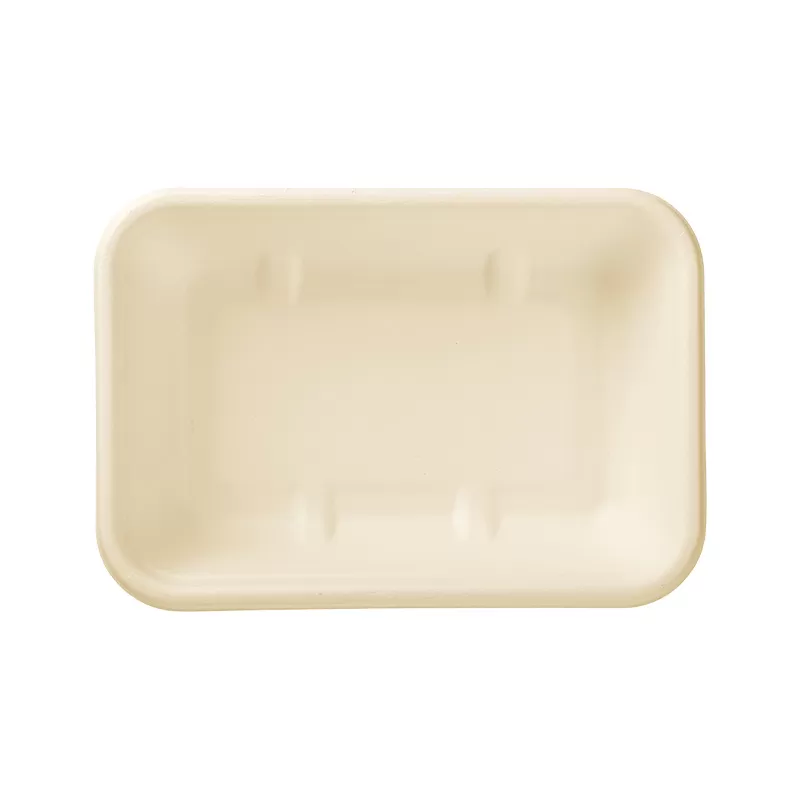
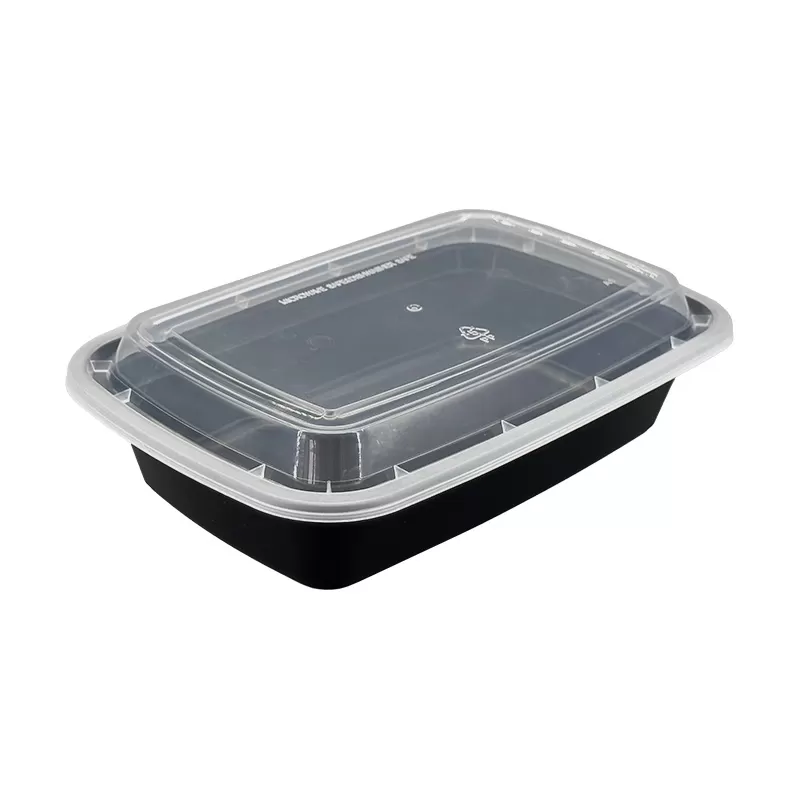
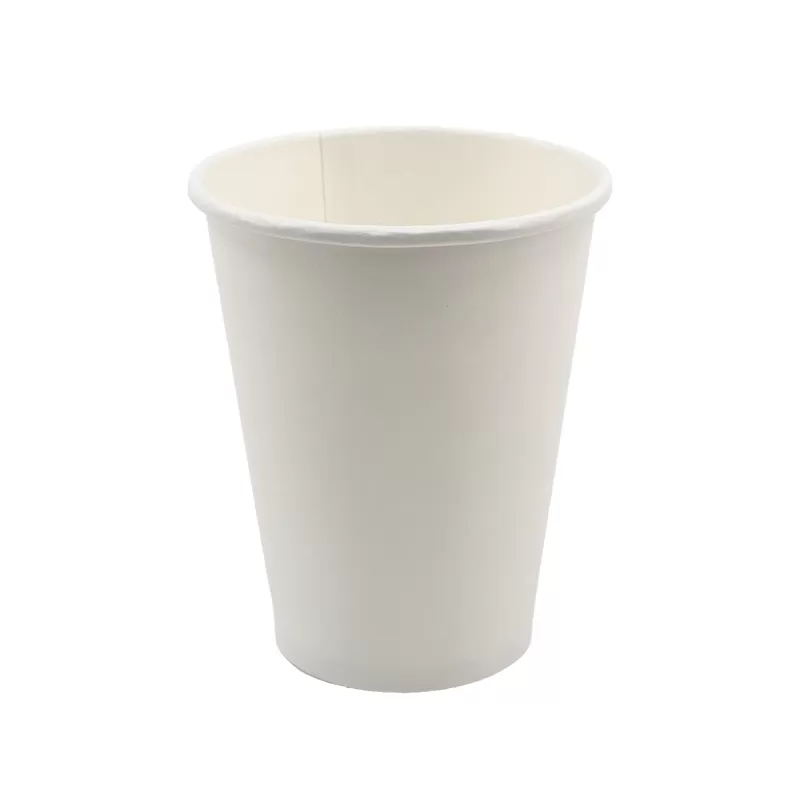
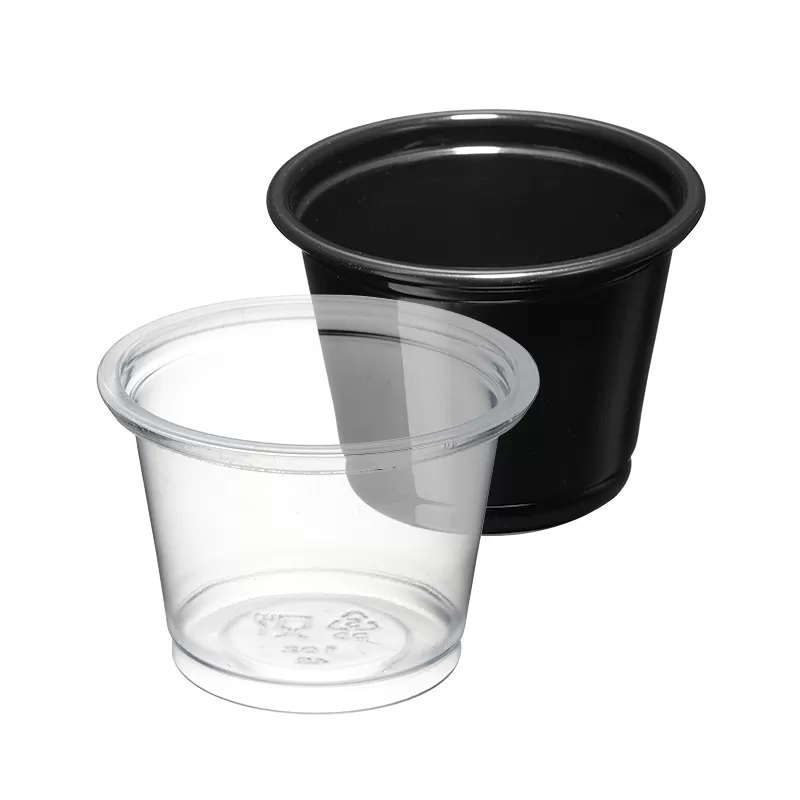
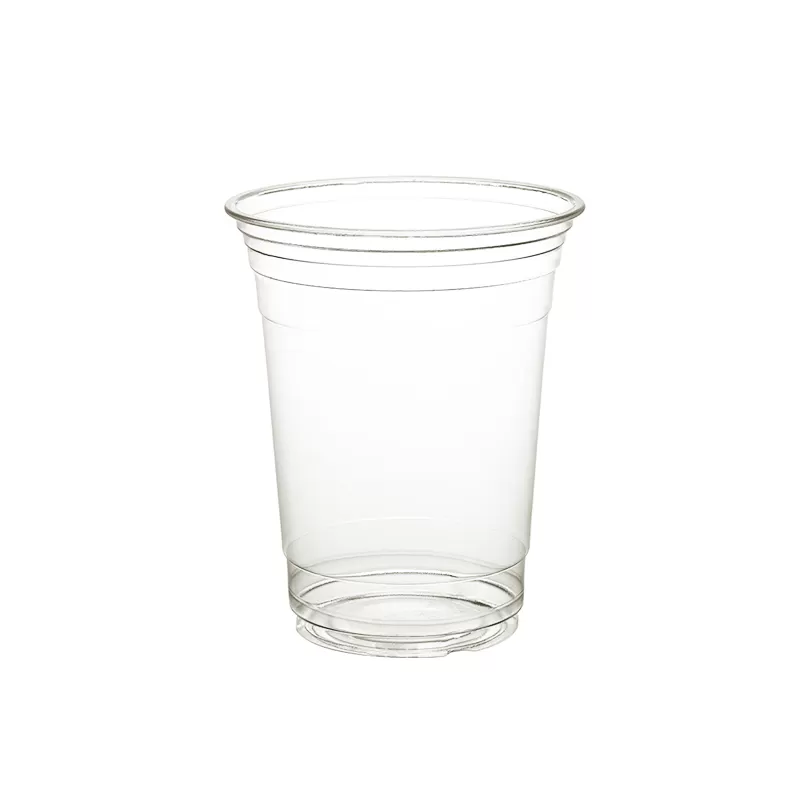
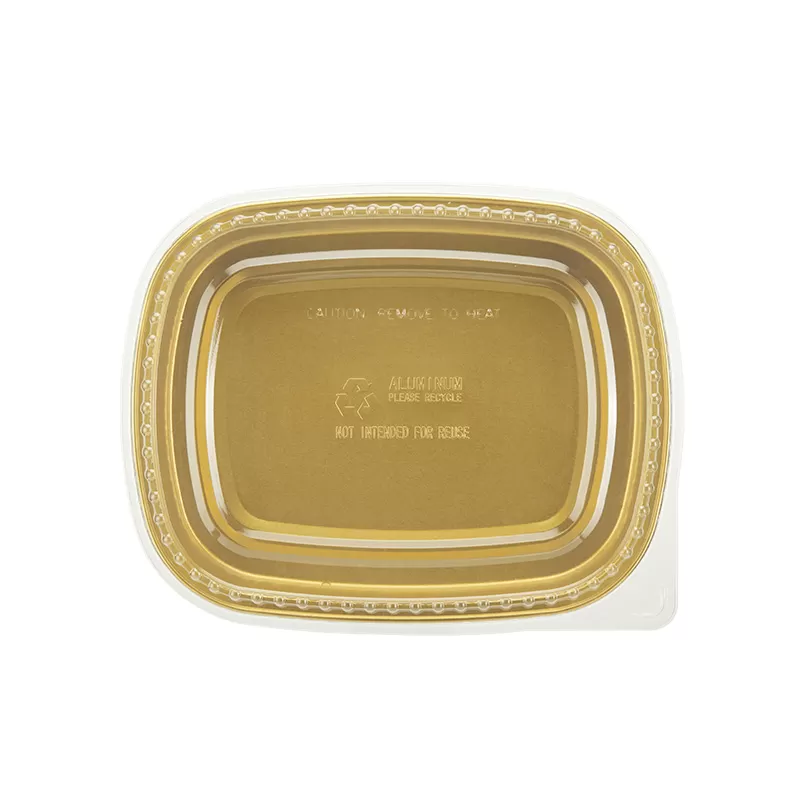
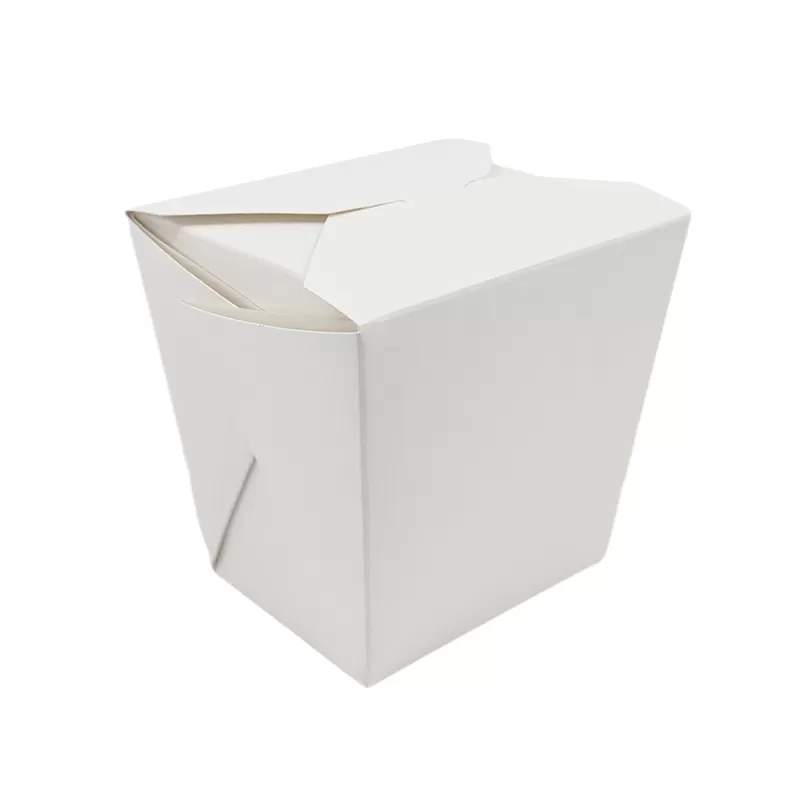
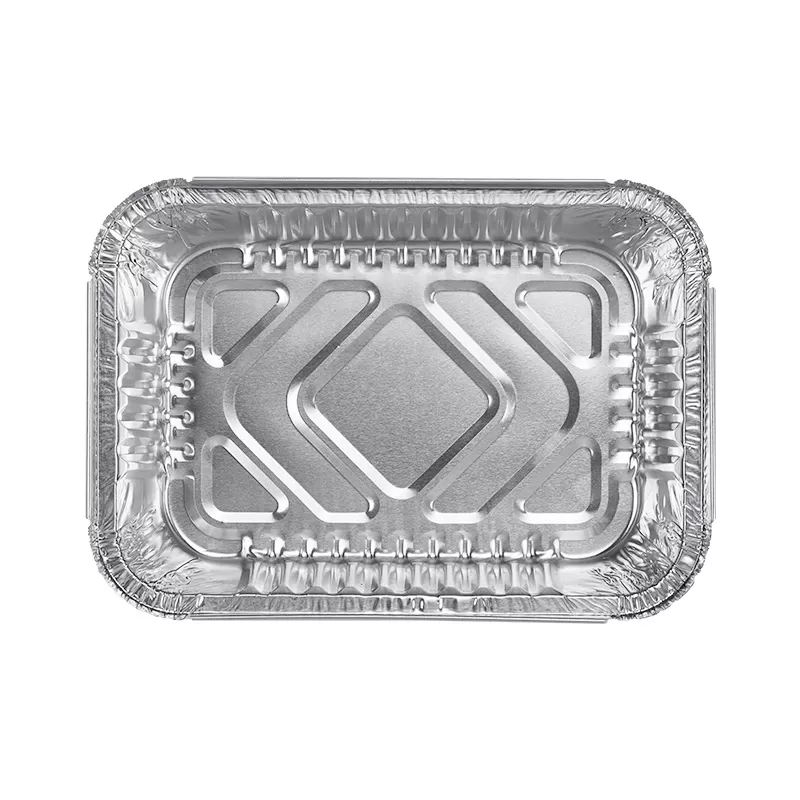
Buying plastic takeout containers wholesale should begin with the food and handling conditions, not with a generic material label. A restaurant serving hot entrées has different requirements from a deli packing cold salads, and a distributor needs a product range that can cover several customer profiles without creating unnecessary overlap.
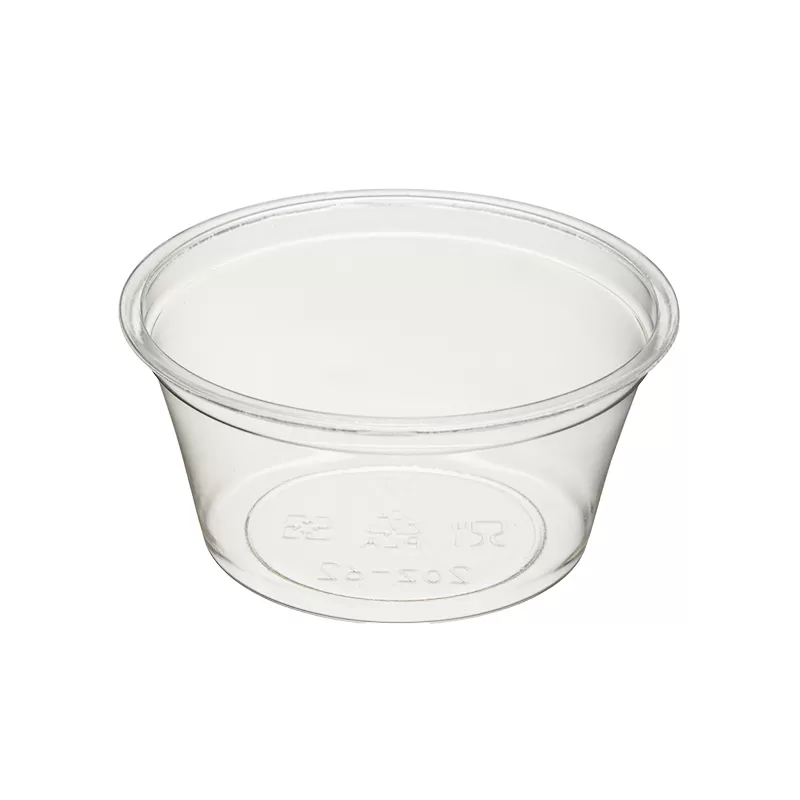
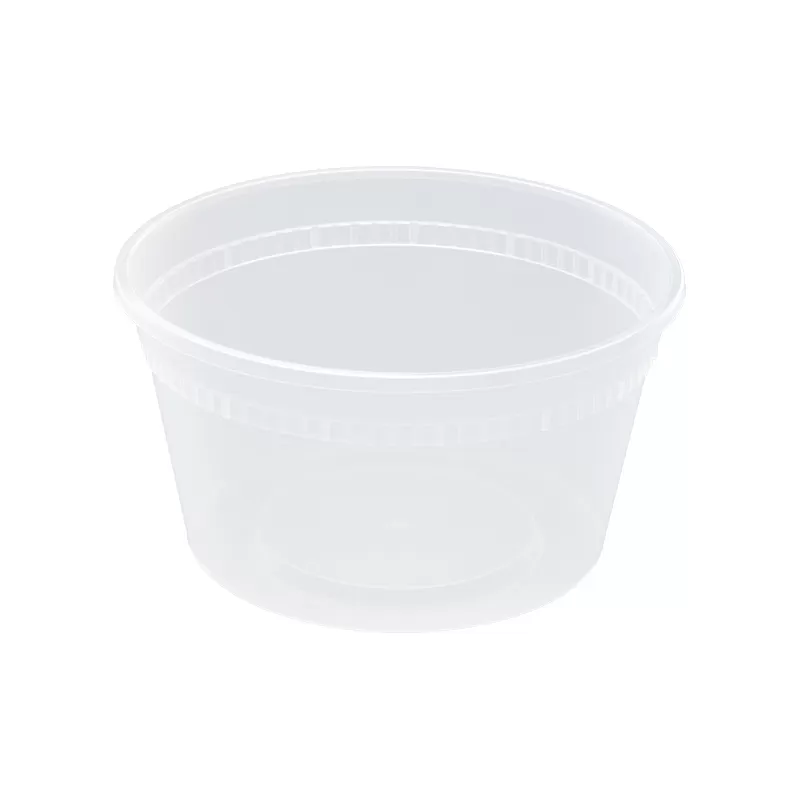
Keystone Supply's plastic container range includes PP deli containers, PLA deli containers, PP take-out containers and portion cups. KSI describes the overall range as sturdy, leak-resistant and available in different sizes and styles. The FDA's food-contact packaging overview is a useful reference for understanding why intended food-contact use and conditions matter when evaluating packaging.
What Should Buyers Put on a Plastic Container Procurement Checklist?
First, define temperature exposure. Ask whether the container is for hot filling, cold display, refrigeration, reheating or room-temperature service. Then define the food type: liquid, oily, dry, acidic or mixed. The package must be selected for the actual use condition stated by the supplier.
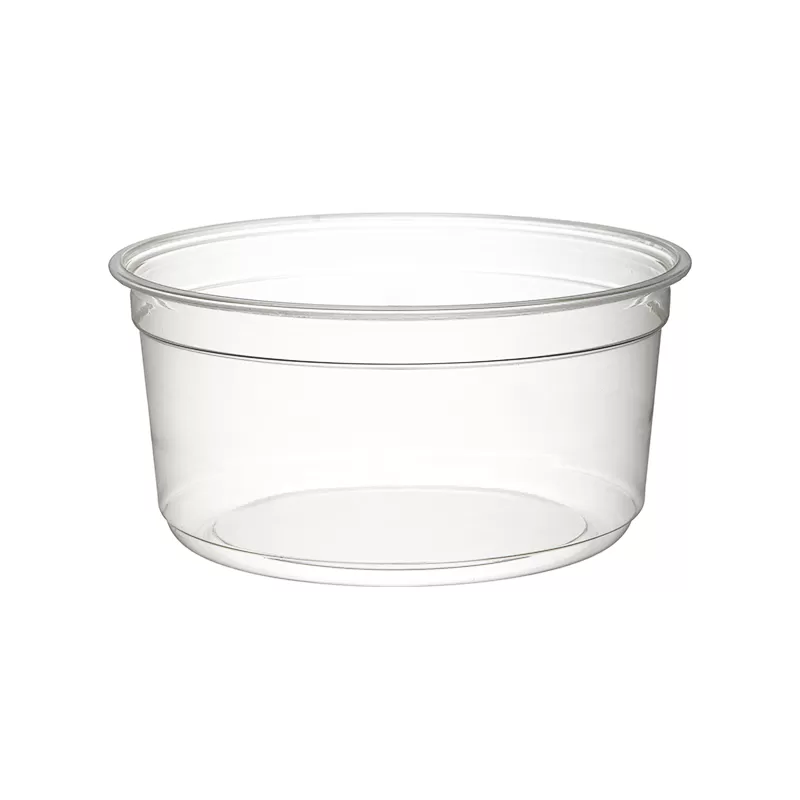
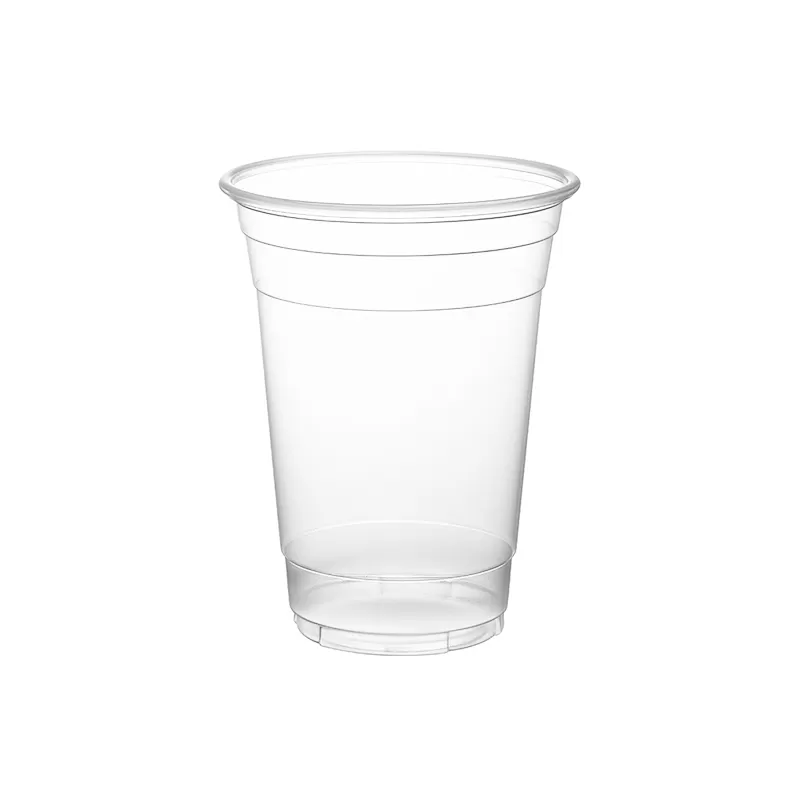
Second, document lid fit. For high-volume plastic food containers wholesale, lid compatibility can affect inventory as much as the container itself. KSI's PP deli container line, for example, lists 8 oz through 32 oz containers using the same 4.61-inch diameter and a compatible lid. Shared lid systems can simplify storage and replenishment.
Third, record case pack, storage footprint and the number of sizes needed. A distributor may want a broad range, but an individual restaurant usually benefits from a tighter approved set.
PP vs. PLA Deli Containers: What Matters for Procurement?
KSI offers both PP and PLA deli container families. The table below focuses on purchase-use differences described on KSI's current product pages rather than repeating a general material comparison.
Procurement factor | PP deli containers | PLA deli containers |
Intended use shown by KSI | Soups, salads, sauces and other foodservice uses | Cold foods such as salads, fruits and sauces |
Heat handling | KSI lists PP deli containers as microwave-safe | KSI positions PLA deli containers for cold and room-temperature foods |
Construction | Clear, durable, leak-resistant, secure-fitting lids | Clear, sturdy, leak-resistant, secure-fitting lids |
Sustainability position | Conventional PP foodservice container | Plant-based, compostable material for appropriate composting systems |
Buyer priority | Heat tolerance and broad foodservice versatility | Cold-service fit plus a compostable material strategy |
This comparison is useful when selecting pp containers or PLA options, but buyers should still verify the exact SKU. Material family alone does not replace product-specific use instructions.
How Can Restaurants and Distributors Reduce Purchasing Errors?
One effective approach is to create a one-page approval card for each container family. Include a product image, capacity, lid SKU, approved food uses and any temperature limitations. This helps staff avoid mixing visually similar packages.
For polypropylene food containers, KSI's PP deli line provides a useful example of size standardization because multiple capacities share a common diameter. A buyer can carry several capacities without adding a separate lid for every size. Before using a similar logic with another container family, confirm the dimensions and compatibility on the supplier's current product page.
Distributors comparing disposable plastic containers wholesale should also separate broad assortment planning from individual customer fit. A large product catalog is helpful, but each restaurant account still needs a clear recommended set. Too many overlapping sizes can increase picking errors and slow replenishment.
Finally, avoid making disposal or heat-use claims beyond supplier documentation. For food-contact materials, the FDA notes that authorization is tied to intended conditions of use. This is another reason procurement records should capture how the product will actually be used.
Businesses reviewing plastic takeout containers can compare KSI's plastic container categories, including PP deli containers and PLA deli containers. For help matching formats to a foodservice program, contact Keystone Supply.
Conclusion
A reliable plastic takeout containers wholesale program is built around use conditions, lid compatibility, size control and supplier documentation. Choose the container family only after defining the food, temperature and handling process. Then simplify the SKU set where compatible sizes and lids allow it. This reduces purchasing mistakes without forcing one material to serve every application.
FAQs
Are all plastic takeout containers microwave-safe?
No. Microwave suitability depends on the specific material and product design. KSI lists its PP deli containers as microwave-safe, while its PLA deli containers are positioned for cold and room-temperature foods.
Why does lid compatibility matter in wholesale purchasing?
Shared lid systems can reduce inventory complexity and the risk of stocking the wrong lid. Always verify compatibility by the exact supplier SKU.
Are PLA deli containers the same as PP deli containers?
No. KSI positions PP and PLA for different use conditions. PP supports broader temperature use, while PLA is intended for cold applications and a compostable material strategy.
What information should distributors collect from restaurant customers?
Collect the food type, serving temperature, required capacity, lid needs, expected weekly volume, storage limits and whether sustainability or custom-print requirements apply.
Authoritative reference: U.S. FDA - Food Packaging and Food-Contact Substances.