Food packaging has evolved far beyond its original role of simply holding meals. In modern food service systems, it now directly influences how food is prepared, transported, presented, and ultimately experienced by the customer. As centralized kitchens, delivery networks, and institutional dining continue to expand globally, packaging solutions must balance performance, efficiency, and environmental responsibility at the same time.
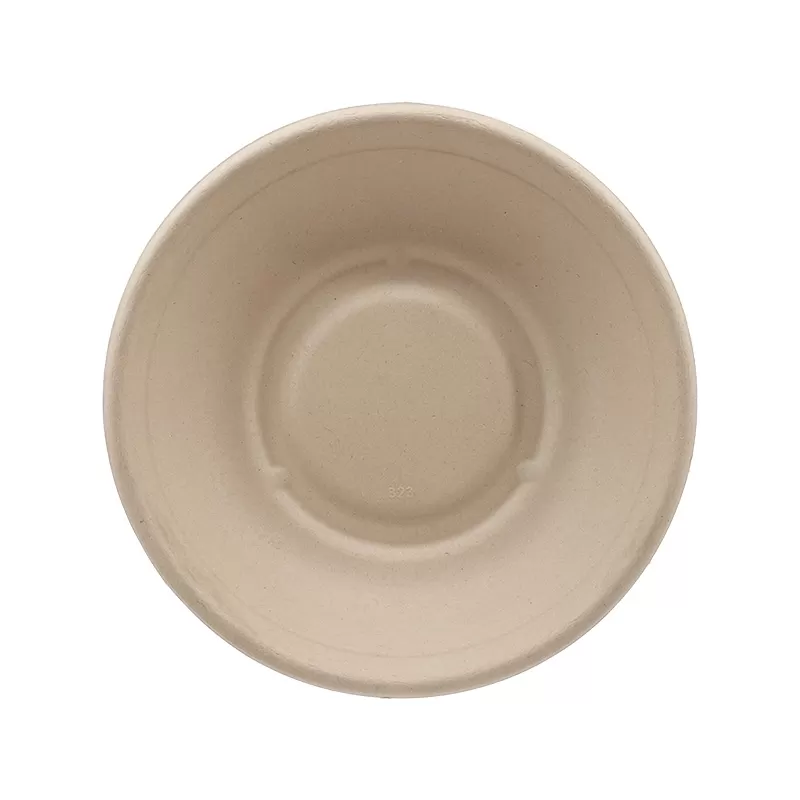
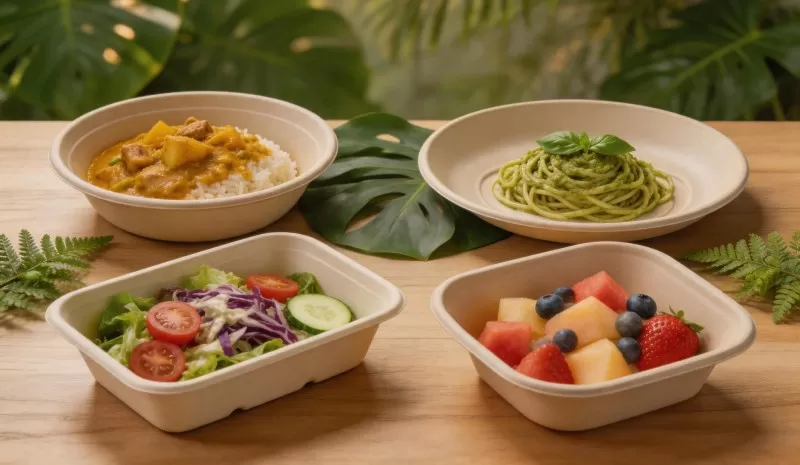
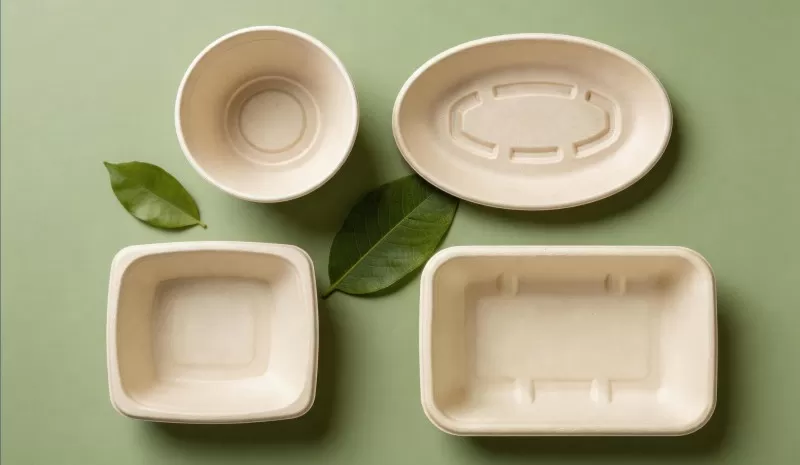
Within this context, the molded fiber bowl has emerged as a highly adaptable solution. With multiple structural formats—including round, oval, square, and rectangular designs—these bowls are engineered to support different cuisines, portion sizes, and service environments. Made primarily from renewable sugarcane bagasse, they are also commonly referred to as bagasse bowl products, forming part of a broader shift toward fiber-based, low-impact packaging systems.
Keystone, a U.S.-based supplier serving international food service markets, provides a complete range of molded fiber bowl solutions designed for real operational use across restaurants, catering services, and institutional food programs.
Why Bowl Design Has Become a Strategic Packaging Decision
In traditional food service models, packaging shape was often standardized. However, modern dining systems are far more complex. Different meal types require different structural conditions to ensure proper handling, presentation, and consumption experience.
This is where bowl design becomes critical. A well-matched bowl shape improves not only visual presentation but also portion control, stacking efficiency, and food stability during transport.
For example:
Round formats are typically used for soups and liquid-based dishes
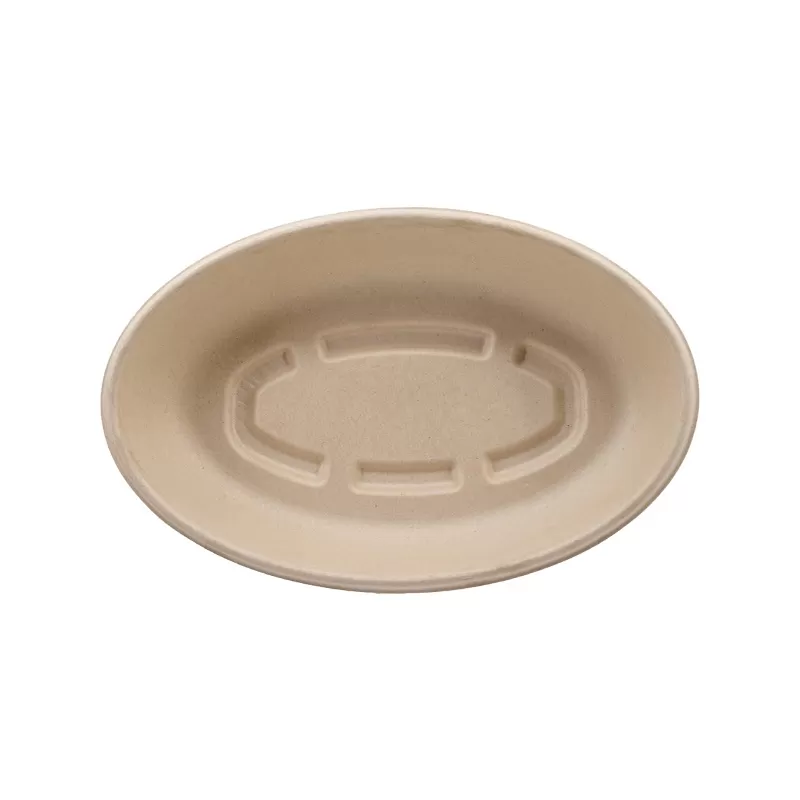
Oval designs enhance visual presentation for salads and grain bowls
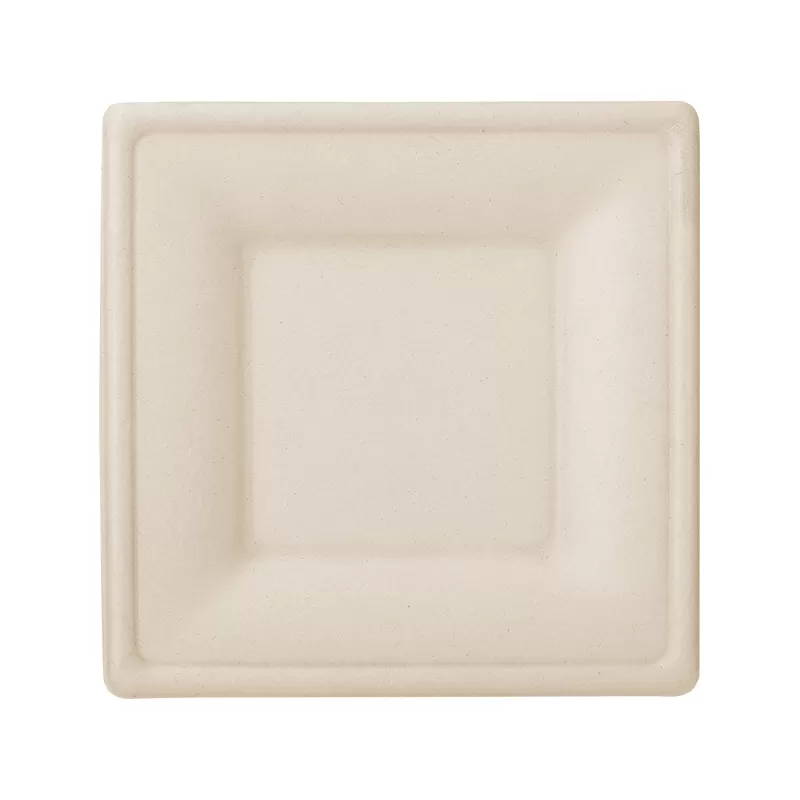
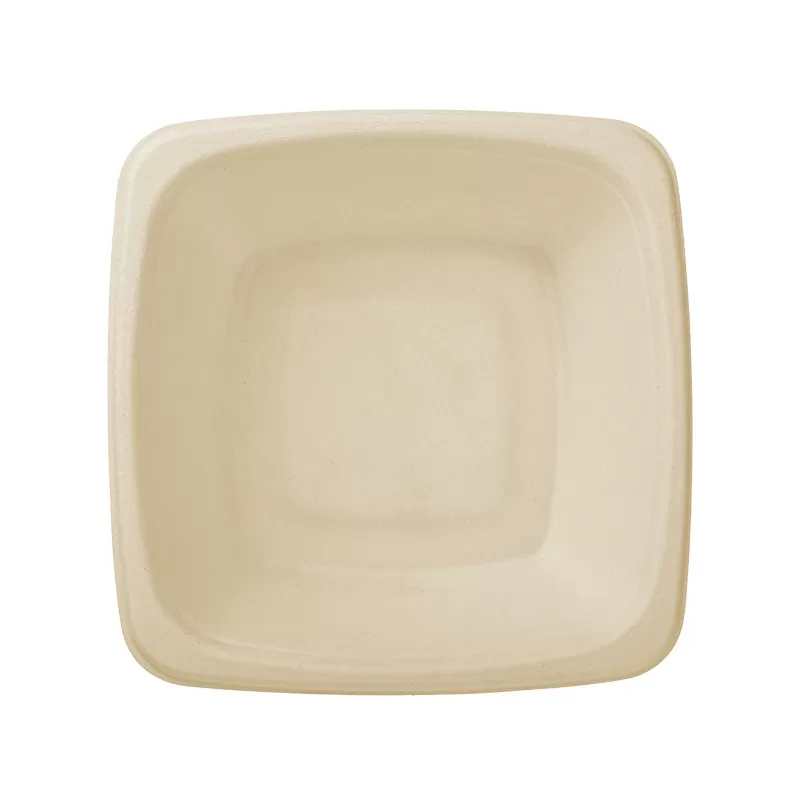
Square bowls support structured plating and modern meal aesthetics
Rectangular bowls are widely used for meal kits and combination servings
This diversity allows operators to match packaging more precisely to food type and service model rather than relying on a single universal container.
Capacity Diversity: Supporting Real-World Food Service Needs
One of the key strengths of modern bagasse plates and bowls systems is their wide range of capacities.
Food service operators rarely deal with a single portion size. Instead, they manage varied menus that require different volumes:
Small bowls for side dishes, sauces, and desserts
Medium bowls for salads, rice bowls, and pasta dishes
Large bowls for full meals, soups, or shared portions
This flexibility is especially important in catering and institutional dining environments, where portion consistency must be maintained across large-scale production.
By offering multiple sizes within a unified material system, molded fiber bowls help simplify procurement while maintaining operational consistency.
Structural Strength: Why Molded Fiber Does Not Easily Deform
A major challenge in food packaging is maintaining structural integrity under real operating conditions. Heat, moisture, and oil can easily weaken low-quality containers, leading to deformation or collapse during transport.
In contrast, molded fiber bowls are produced using compressed plant fibers, forming a dense and rigid structure. This makes them significantly more resistant to softening compared to conventional paper-based or lightweight plastic alternatives.
Even when filled with hot soups, saucy meals, or chilled dishes, molded fiber bowls maintain their shape and stability throughout the delivery and serving process. This reliability is essential for food service operators that depend on consistent presentation and safe transportation.
Shape-Based Performance: How Each Bowl Type Serves a Different Purpose
Round Bowls: Stability for Liquid-Based Meals
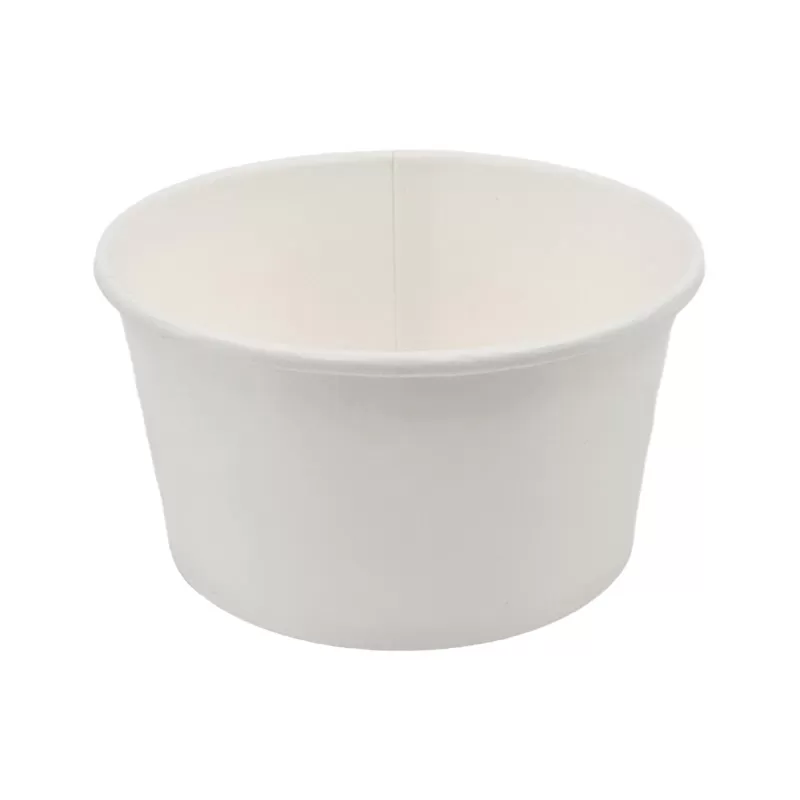
Round bowls remain one of the most widely used formats in food service due to their balanced structure and efficient load distribution. Their circular shape helps contain liquids evenly, making them ideal for soups, noodles, and stews.
This geometry reduces stress points and improves stability during transport, especially in stacked delivery systems.
Oval Bowls: Enhanced Presentation and Serving Flexibility
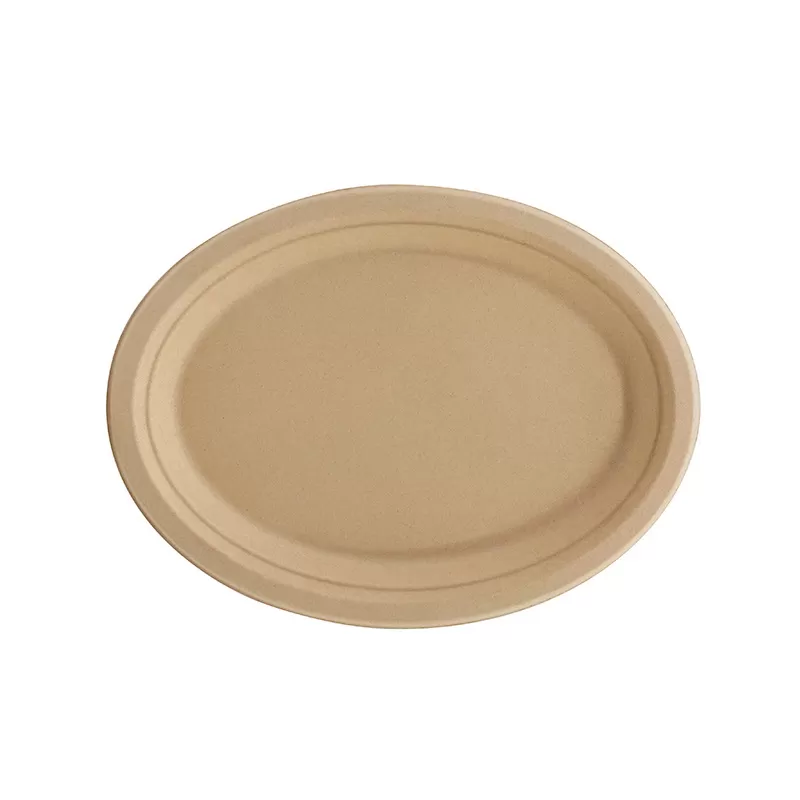
Oval bowls offer an elongated structure that enhances food presentation. They are frequently used for salads, pasta dishes, and visually layered meals.
The extended surface area allows for more creative plating, improving perceived meal quality while maintaining functional strength for both hot and cold foods.
Square Bowls: Structured Design for Modern Meal Systems
Square bowls are increasingly used in contemporary food service environments where structure and visual organization matter.
Their defined edges support clear ingredient separation and efficient stacking. This makes them suitable for meal prep systems, retail food displays, and standardized catering formats.
Rectangular Bowls: Efficiency for Meal Kits and Combo Meals
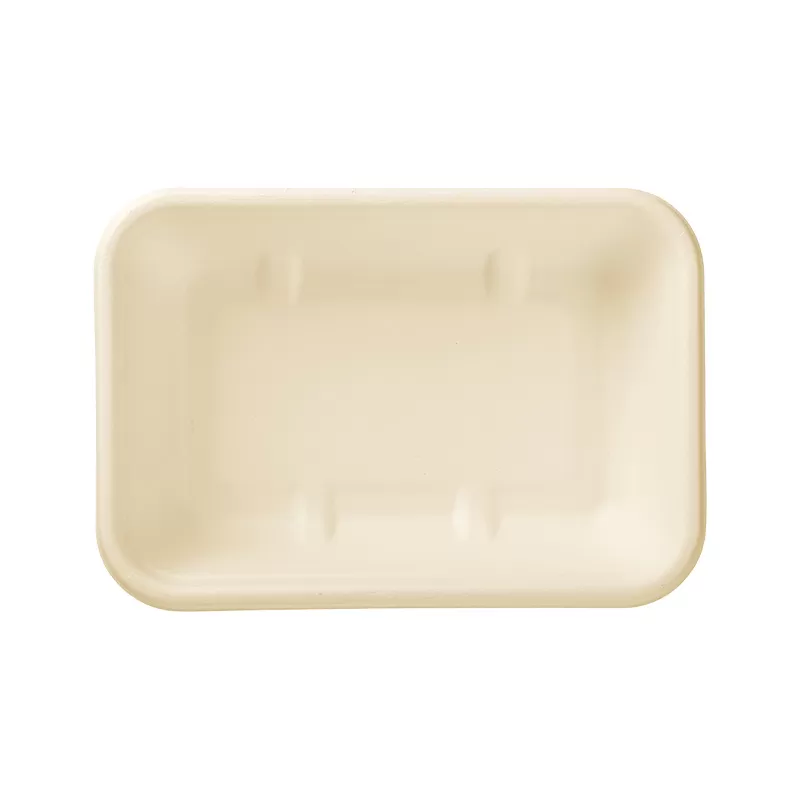
Rectangular bowls are designed for system-based food distribution. Their elongated structure supports multi-component meals and packaged combinations.
They are particularly effective in centralized kitchen operations where efficiency and space utilization are critical factors in packaging and logistics.
Temperature Versatility: Hot and Cold Food Performance
Modern food service systems require packaging that can perform across a wide temperature range. A sugarcane bagasse bowl is naturally heat-resistant and suitable for both hot and cold applications.
It can hold steaming meals without losing rigidity and also perform reliably in chilled storage or refrigerated food environments.
This versatility allows food operators to standardize packaging across diverse menu categories, reducing complexity in supply chain management.
Oil and Moisture Resistance in Real Food Environments
Food is rarely dry or simple in real-world service conditions. Sauces, dressings, and broths are common components that can challenge packaging integrity.
Molded fiber bowls are designed to resist oil penetration and moisture weakening, helping maintain structural stability throughout use. This ensures that food remains contained and visually presentable from preparation to consumption.
The Environmental Advantage: From Sugarcane Waste to Functional Packaging
One of the most important advantages of molded fiber bowls lies in their material origin.
Sugarcane bagasse is a byproduct of sugar production. Instead of being discarded or burned, it is transformed into durable packaging material. This process reduces waste and supports a more circular resource model.
As a result, sugarcane disposable bowls provide an environmentally responsible alternative to conventional plastic packaging. After use, they can break down in industrial composting systems, returning to natural cycles rather than accumulating in long-term waste streams.
This environmental story is increasingly important for food service operators facing regulatory pressure and sustainability commitments.
Keystone's System Approach to Molded Fiber Bowls
Keystone offers a comprehensive range of molded fiber bowl solutions designed to meet the operational needs of modern food service systems. As a U.S.-based supplier serving global markets, the company focuses on combining functional performance with scalable production and environmental responsibility.
Rather than treating bowls as standalone products, Keystone designs them as part of a unified packaging system that supports different food types and service models.
Consistent Performance Across All Formats
Whether round, oval, square, or rectangular, Keystone bowls are engineered to maintain consistent structural integrity. This ensures reliable performance across different food categories and service environments.
Designed for Real Operational Conditions
Keystone bowls are built to withstand heat, moisture, and transport stress. This makes them suitable for both dine-in and takeaway applications where reliability is essential.
Supporting Sustainable Procurement Strategies
By using renewable plant-based fibers, Keystone helps food service operators reduce reliance on plastic packaging while maintaining operational efficiency and product consistency.
Conclusion: A Unified Packaging System for Diverse Food Experiences
The development of molded fiber bowls reflects a broader transformation in food service packaging—from standardized containers to purpose-driven systems designed for specific use cases.
Whether used for soups, salads, meal kits, or catering services, molded fiber bowls provide a flexible and reliable solution that balances capacity diversity, structural strength, temperature versatility, and environmental responsibility.
For modern food service operators, Keystone’s molded fiber bowl range offers a practical way to support operational efficiency while advancing sustainability goals across global food systems.