In today’s beverage market, drinks are evaluated long before the first sip. From iced coffee and fruit tea to smoothies and cold brew, visual appeal and usability strongly influence purchasing decisions. This is where cup materials matter.
The material of a drinking cup affects not only how a beverage looks, but also how well it performs during service, transport, and consumption. Understanding these differences helps brands choose the best material for drinking cups based on presentation goals, durability needs, and sustainability priorities.
Why Cup Materials Matter in Beverage Service
Different cup materials offer distinct advantages in terms of clarity, strength, flexibility, and environmental impact. For cafés, restaurants, and beverage brands, choosing the right material is not just a functional decision—it directly impacts brand perception and customer experience.
A clear cup material comparison for durability and drink presentation allows businesses to match the cup to the drink, the service environment, and the expectations of their audience.
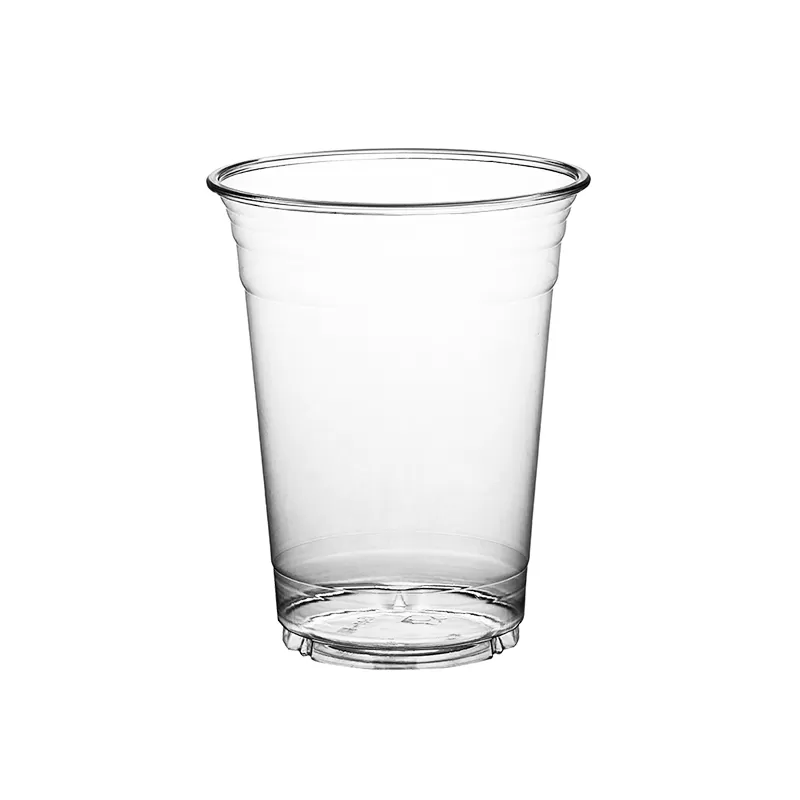
PET – Premium Look, Rigid Feel
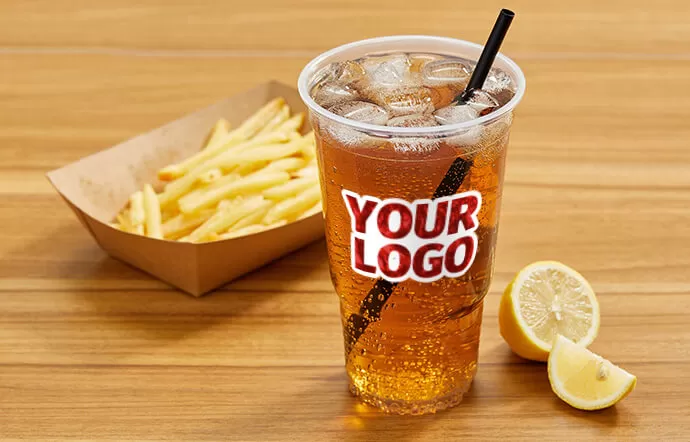
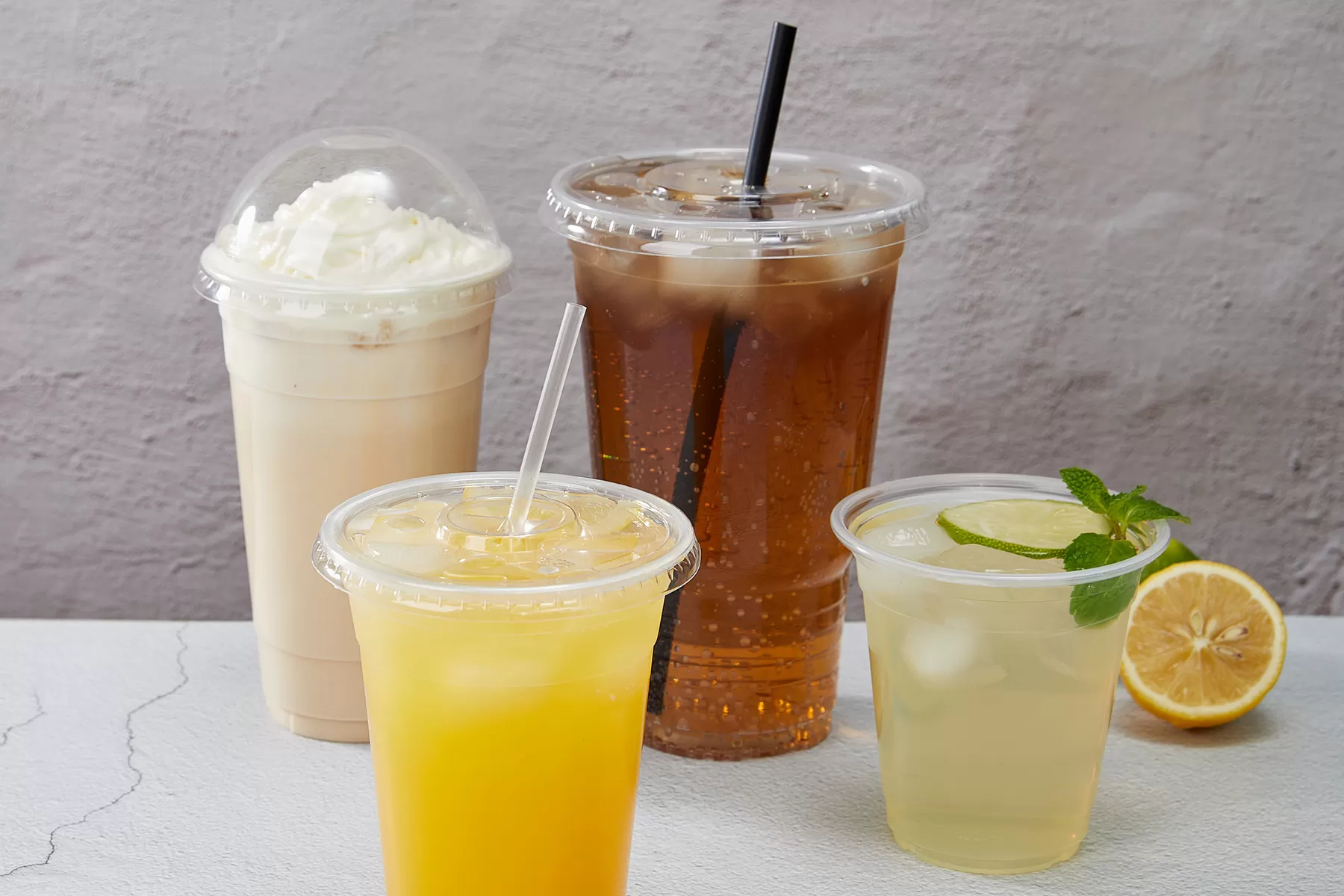
Presentation: High-clarity, glass-like appearance
Durability: Strong, rigid, crack-resistant
Best For: Iced coffee, teas, smoothies, and colorful drinks
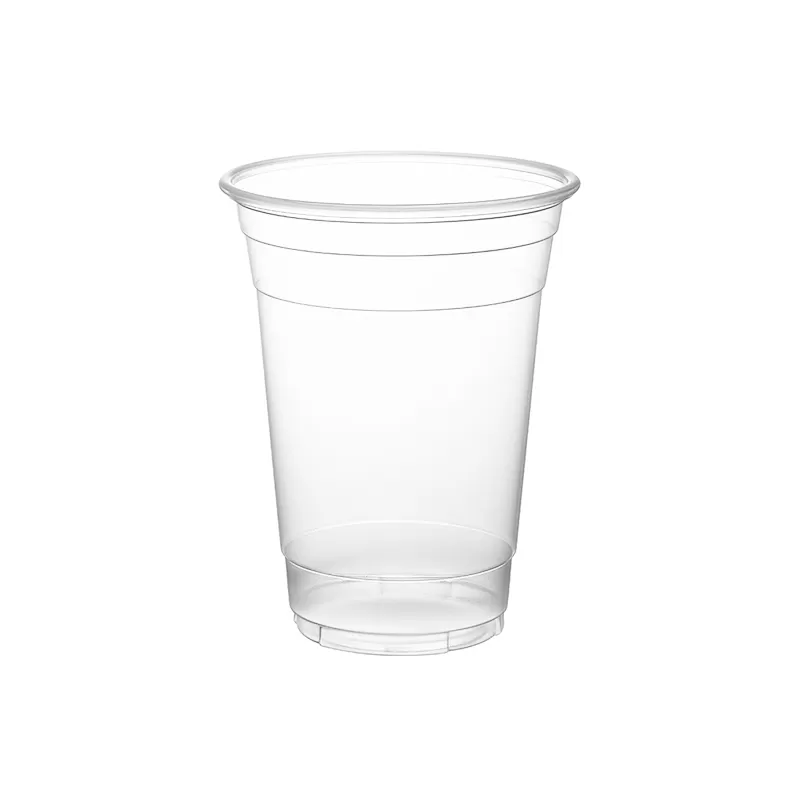
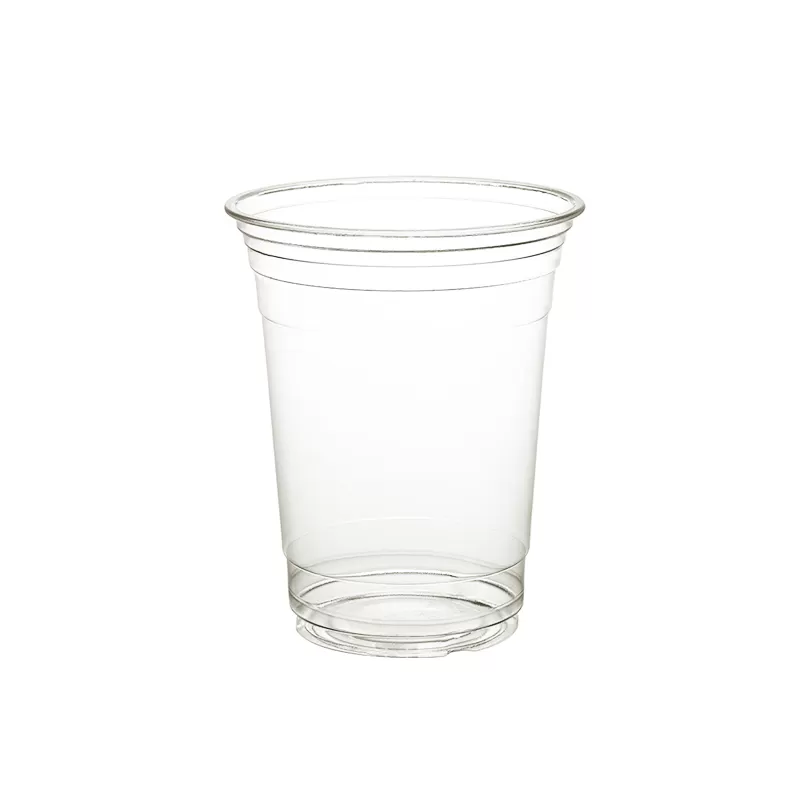
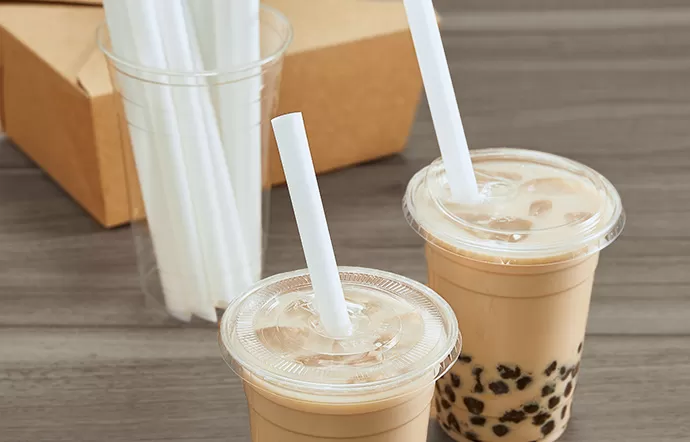
Clear PET cups offer the clearest presentation, making drinks look more appealing and fresh. They're also durable enough for grab-and-go service or delivery.
PP – Practical & Budget-Friendly
Presentation: Slightly cloudy or translucent
Durability: Lightweight, flexible, and less prone to cracking
Best For: High-volume, cost-sensitive service settings
While PP cold cup may not offer the same visual appeal as PET, it's highly functional and economical—ideal for fast-paced environments where durability and cost matter most.
PLA – Eco-Friendly with Moderate Strength
Presentation: Clear but softer than PET
Durability: Suitable for cold drinks; not heat-resistant or shatter-proof
Best For: Brands focused on sustainability and compostability
PLA cold cups balance clean aesthetics with eco-conscious appeal, though they’re slightly more fragile and must be used for cold beverages only.
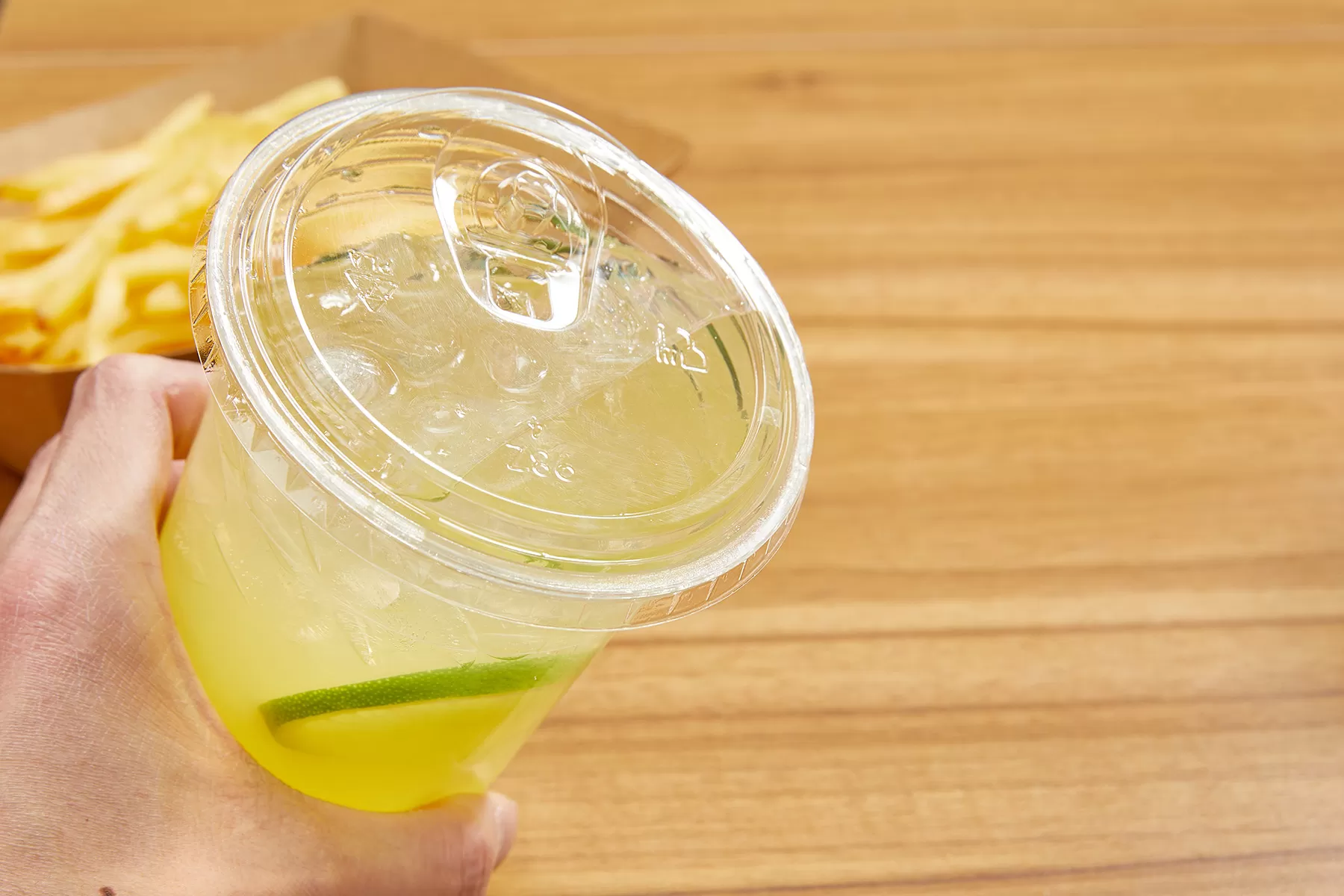
Best Material for Drinking Cups: How to Choose
There is no single solution that fits every business. The best material for drinking cups depends on your priorities:
For premium presentation: PET or PLA clear cups
For operational durability: PP cup material
For sustainability-focused brands: compostable PLA cups, eco cold cups, or other eco compostable cups
Matching cup materials with brand positioning ensures the cup enhances—not distracts from—the beverage itself.
Conclusion: Choosing Cup Materials That Support Your Brand
Cup materials influence far more than functionality. They shape how drinks are presented, how customers interact with them, and how brands are perceived. Whether selecting PET for clarity, PP for durability, or PLA for eco-conscious appeal, understanding material differences leads to smarter, more strategic decisions.
By evaluating cup material comparison for drink presentation and durability, beverage brands can choose cups that elevate both the drink and the customer experience—while also capturing search traffic from buyers actively researching the best options.
Click for cold cups wholesale