Bulk beverage packaging looks simple from the outside, but purchasing the wrong cups can create daily problems. A restaurant may run out of the most-used size during a lunch rush. A convenience store may discover that the lids do not match the larger cups. A distributor may receive repeated requests for different cup sizes, case packs or custom printing options without a clear system for managing them.
A structured Cold Cup Bulk purchasing checklist helps buyers compare more than price. It connects cup size, lid compatibility, storage space, case pack, material performance and reorder timing into one practical buying process.
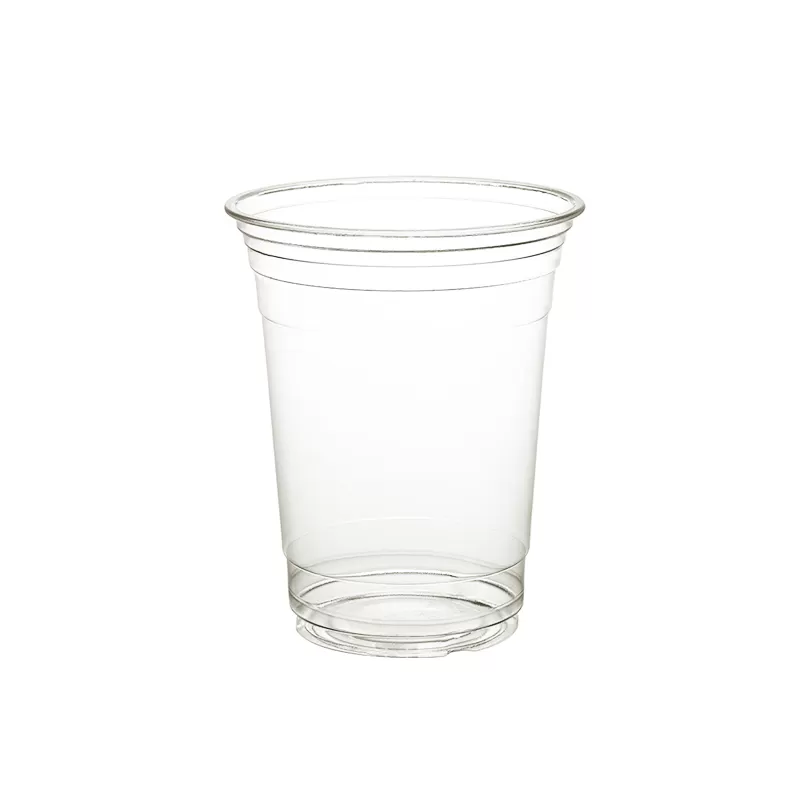
For businesses evaluating PP Cold Cups, Keystone Supply provides multiple clear polypropylene cup sizes and compatible lids that can support restaurants, grocery stores, convenience stores, beverage brands and distributors.
Why Cold Cup Bulk Buying Requires More Than Price Comparison
When buyers search for Cold Cup Bulk options, unit cost is usually the first concern. Price matters, but it should not be the only buying standard. A lower-cost cup can become more expensive if it causes lid mismatches, poor presentation, storage issues or frequent reordering problems.
A better purchasing process starts with the real operating environment. Buyers should ask how the cups will be used, who will handle them, where they will be stored and how often they must be replenished. A restaurant may care most about speed and presentation. A grocery store may care about grab-and-go visibility. A convenience store may prioritize large sizes and consistent lid fit. A distributor may need a balanced range that can serve many customer types.
Bulk cold cup planning should therefore include product performance, inventory management and customer experience together. This makes the final purchasing decision more reliable and easier to repeat.
Confirm Cup Size, Diameter and Case Pack Before Ordering
Cup size is the foundation of a cold beverage packaging system. Buyers should confirm not only ounce capacity, but also rim diameter, case pack and storage requirements. These details affect lid compatibility, shelf planning and reorder cycles.
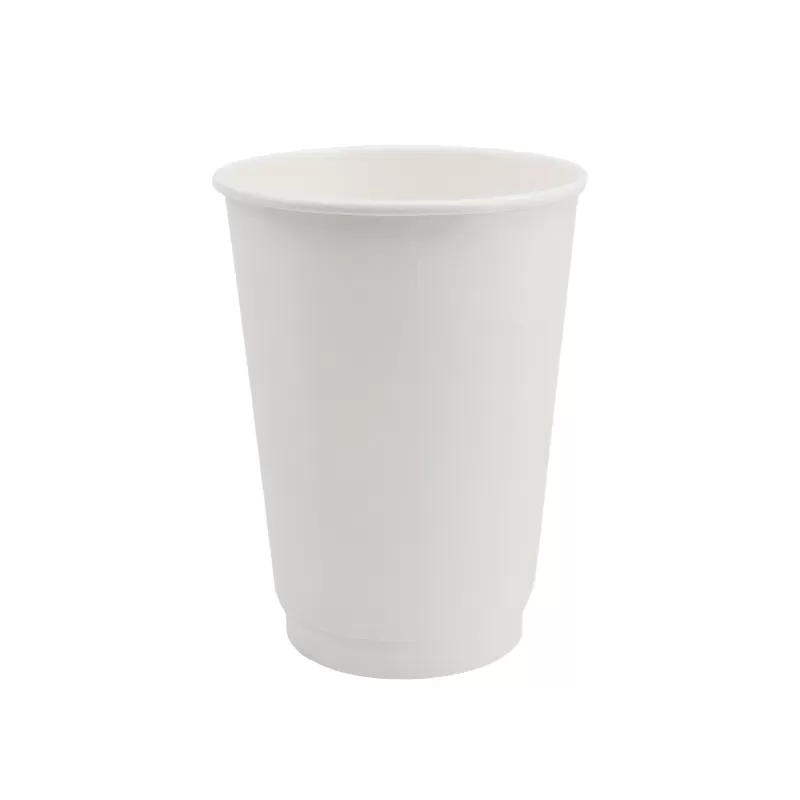
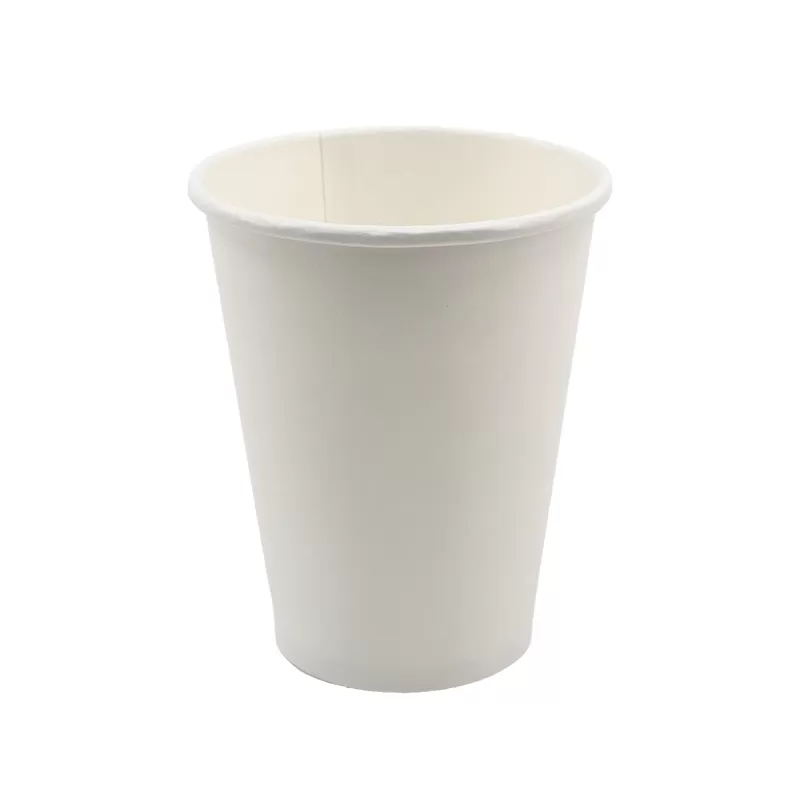
Keystone Supply lists PP cold cups in 12oz, 16oz, 20oz, 24oz, 32oz and 44oz sizes. The 12oz to 24oz cups use a 96mm diameter, while 32oz and 44oz cups use a 113mm diameter. Case pack also changes by size, with smaller sizes commonly packed in 1000-count cases and larger sizes in 500-count cases.
Cup Size | Diameter | Case Pack | Common Planning Use |
12oz | 96mm | 1000 | Small iced drinks, samples, kids beverages or controlled portions |
16oz | 96mm | 1000 | Regular iced coffee, tea, lemonade and soft drinks |
20oz | 96mm | 1000 | Large cold beverages and specialty drink menus |
24oz | 96mm | 1000 | Extra-large drinks, fruit teas and high-value beverage sizes |
32oz | 113mm | 500 | Convenience store drinks, large teas and high-volume cold beverages |
44oz | 113mm | 500 | Very large drink programs and self-service beverage stations |
Before confirming an order, buyers should estimate weekly usage by size. A business may use 16oz cups as its main volume item, while 24oz or 32oz cups support premium upsizing. Understanding this mix helps avoid overstocking slow-moving sizes and understocking best sellers.
Match Flat Lids and Dome Lids to Your Beverage Menu
Lid compatibility is one of the most common issues in cold cup purchasing. Even when the cup quality is suitable, a wrong lid can slow down service and create frustration for staff and customers. For bulk purchasing, cups and lids should always be checked as one system.
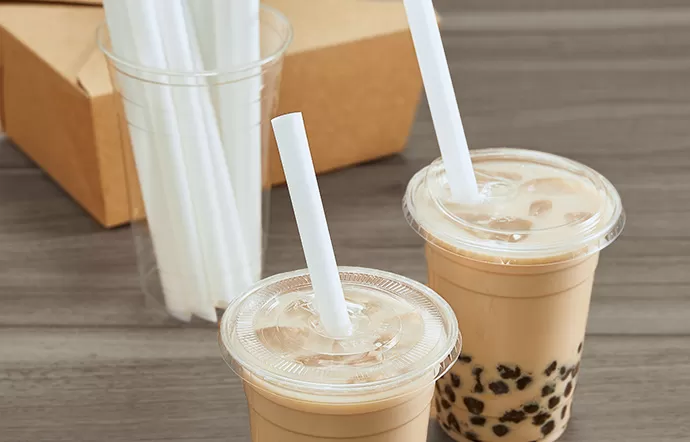
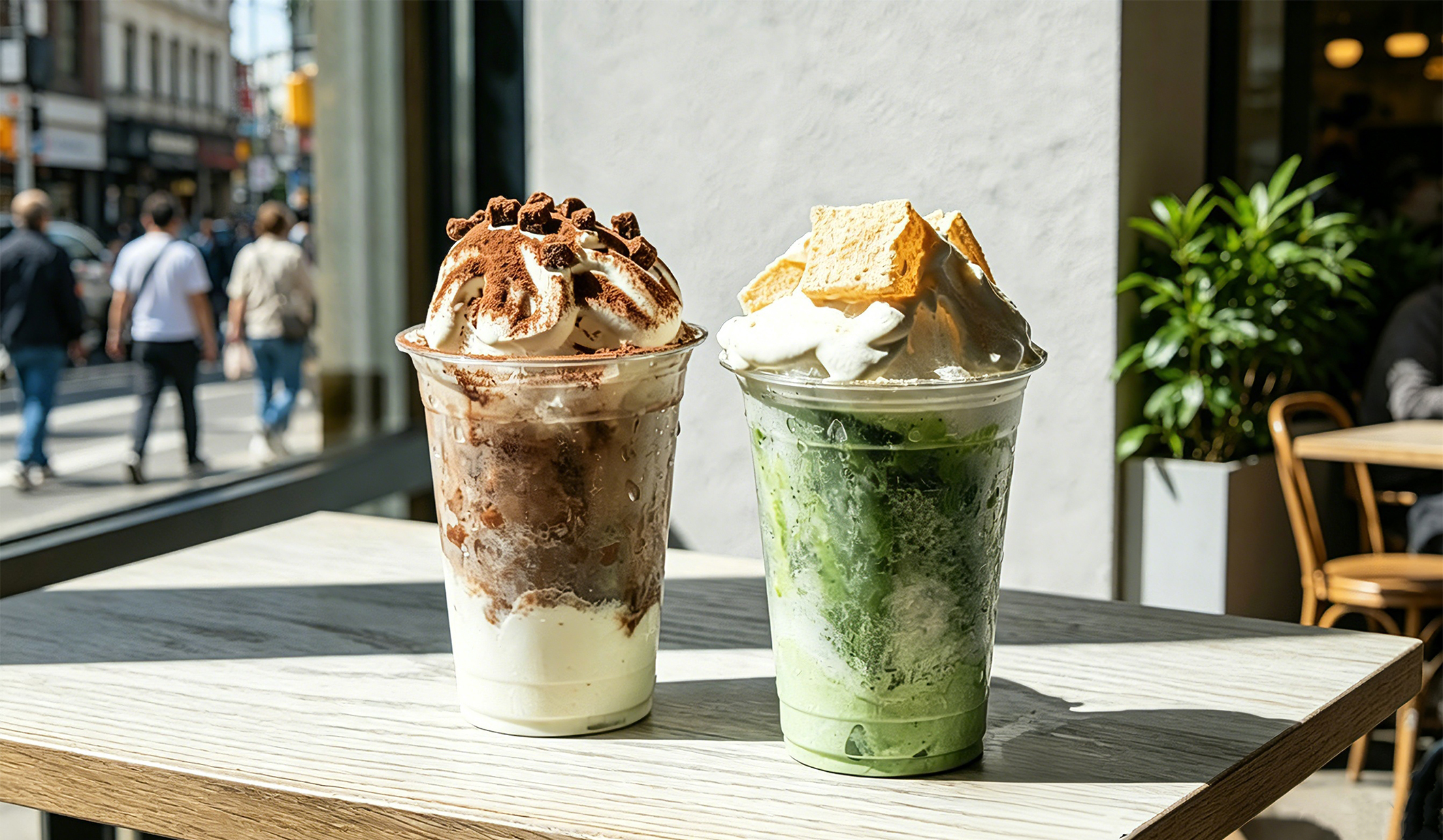
Flat lids with cross holes are practical for standard straw beverages such as iced coffee, iced tea, lemonade and soft drinks. Dome lids with round holes are useful for smoothies, shakes, whipped drinks and beverages with toppings. When a menu includes both standard drinks and specialty drinks, carrying both lid styles can help staff prepare orders more accurately.
The 12oz to 24oz PP cold cups use compatible 96mm lids, while 32oz and 44oz cups use compatible 113mm lids. This two-diameter structure can help buyers organize inventory by cup family and reduce confusion in the packing area.
A practical checklist should include the following questions:
Which cup sizes use the same lid diameter?
Which drinks need a flat lid and straw access?
Which drinks need dome lid space for foam or toppings?
Are lids stored near the correct cup sizes?
Can staff identify the correct lid quickly during peak hours?
Review Material, Clarity, Durability and Custom Print Needs
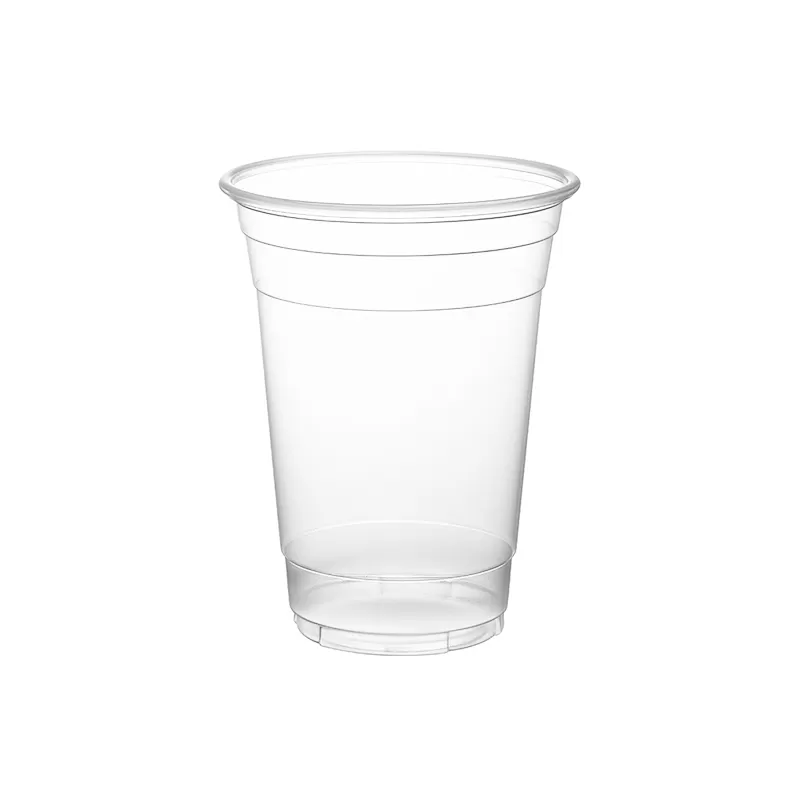
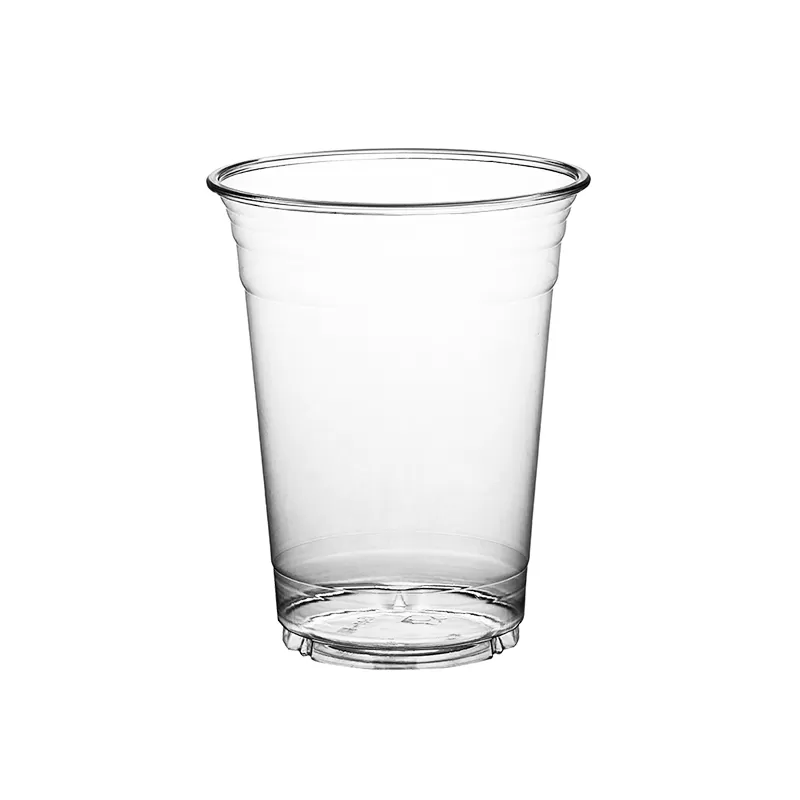
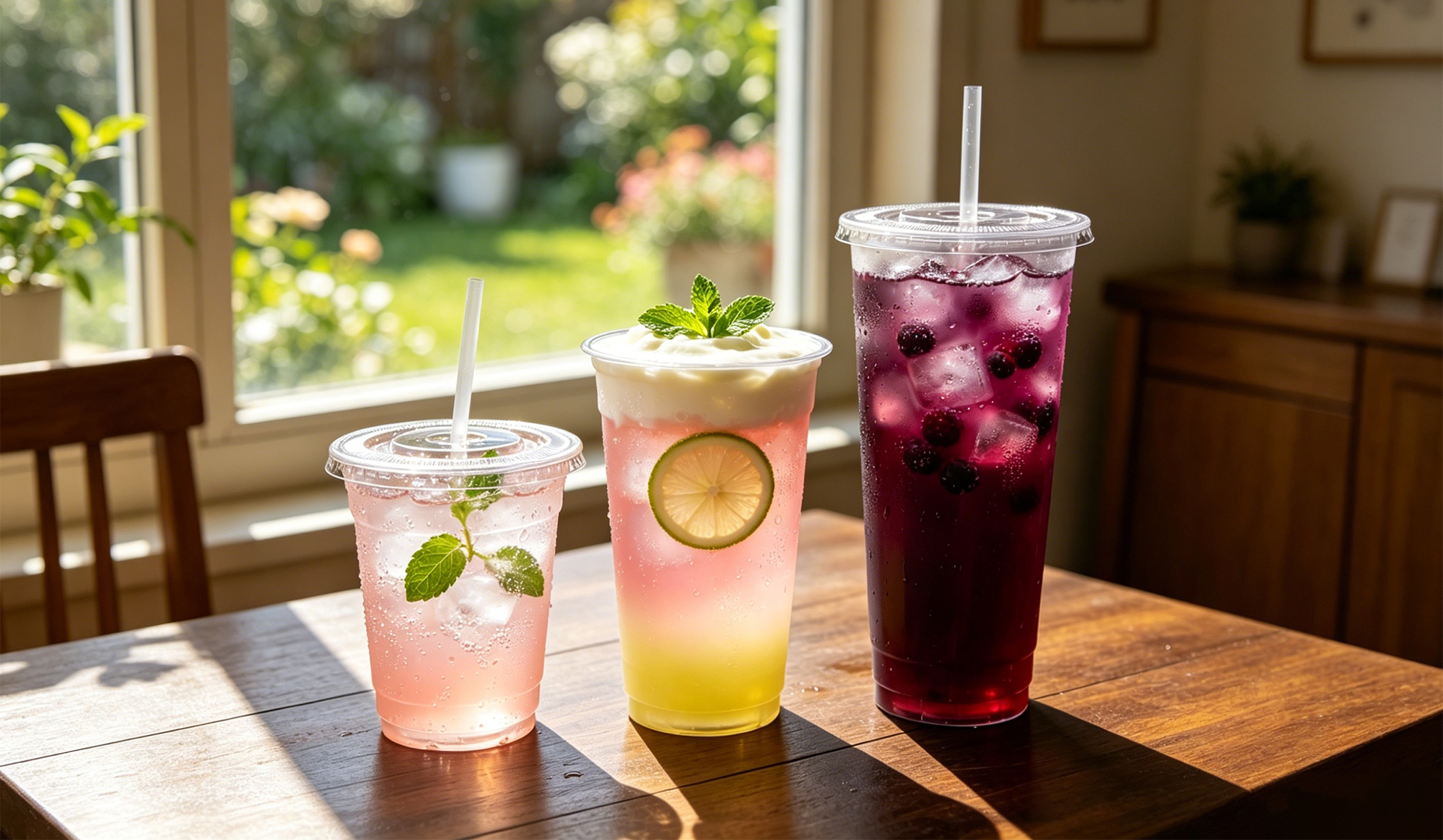
A PP Cold Cup should support the actual drink experience. For cold beverage service, buyers often need a cup that is lightweight enough for efficient handling, durable enough for daily use and clear enough to show the drink inside.
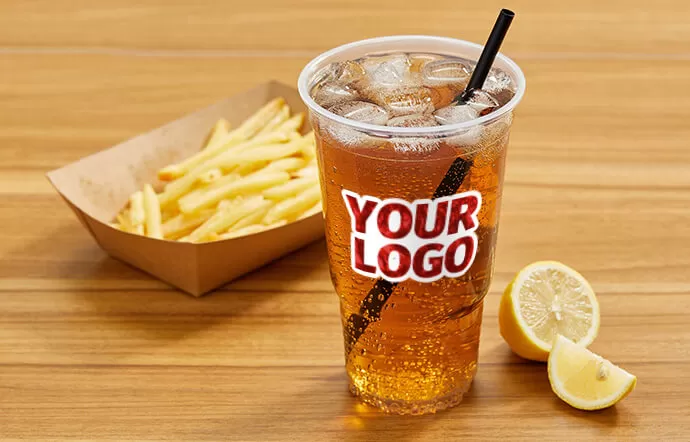
Clear polypropylene cups can improve beverage presentation by showing colors, ice, fruit pieces, layers and toppings. This is useful for iced coffee, fruit tea, smoothies, shakes, lemonade and grab-and-go drinks. Shatter-resistant strength also supports normal handling in busy foodservice environments.
Custom printing should be reviewed early when branding matters. A printed cup can help customers recognize the business, especially for cafes, beverage chains, juice bars, event drink programs and takeout-focused restaurants. Buyers should confirm artwork needs, cup sizes, order volume and timing before finalizing the purchasing plan.
For distributors, custom print capability can also create additional value for customers who want branded foodservice packaging rather than plain stock items.
Choose PP Cup Suppliers That Support Consistent Reordering
Reliable PP Cup Suppliers should help buyers maintain consistency across sizes, lids, case packs and replenishment needs. In foodservice, a supply issue can quickly affect daily operations. If a key cup size is unavailable or the matching lid is missing, staff may need to substitute packaging, which can hurt presentation and service speed.
A U.S.-based foodservice supply partner such as Keystone Supply can help restaurants, stores and distributors organize disposable packaging around real demand. Buyers should look for product range, compatible accessories, clear communication and the ability to support repeat purchasing.
The supplier conversation should include:
Primary cup sizes and expected monthly usage
Required lid types and lid quantities
Custom print requirements
Storage capacity and delivery planning
Business type, such as restaurant, grocery store, convenience store or distributor
Seasonal demand changes, promotions or new beverage menu launches
This information helps buyers receive more practical recommendations instead of choosing only from a generic cup list. It also supports better comparison when different suppliers offer different case packs, lid options or printing support.
Conclusion: Turn Bulk Cup Purchasing into a Smarter Beverage Packaging Plan
A strong cold beverage program depends on more than cup availability. Buyers need the right size range, compatible lids, clear material, reliable case packs, storage planning and a supplier that can support repeat purchasing. With a clear checklist, Cold Cup Bulk sourcing becomes easier to manage and more closely aligned with daily service needs.
Restaurants, grocery stores, convenience stores and distributors sourcing PP Cold Cup options can work with Keystone Supply to build a more consistent cold beverage packaging program. For teams comparing sizes, lids, branding needs or purchasing volume, Keystone Supply can help turn packaging requirements into a clearer sourcing plan.