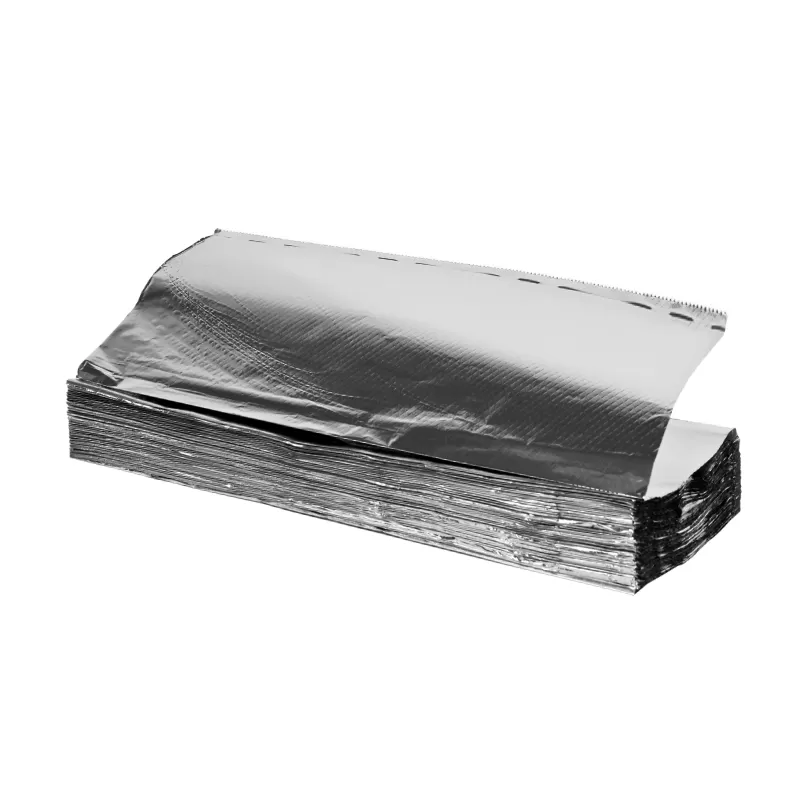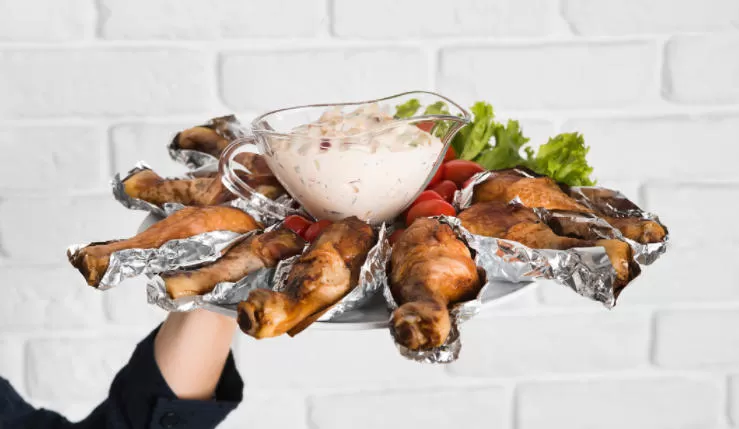
From wrapping leftover meals to cooking gourmet feasts, aluminum foil plays an integral role in food preservation and culinary creativity. With its versatile usage, it is a staple in many kitchens around the world. This article delves into the properties and benefits of aluminum foil, explores best practices for its use, and highlights its environmental impact and creative applications in cooking. As the demand for eco-friendly and efficient food storage solutions grows, understanding the multifaceted utility of aluminum foil can enhance your food preservation techniques, whether you're a home cook or a professional chef.
Properties of Aluminum Foil
Aluminum foil boasts several characteristics that make it ideal for food storage and cooking. Its lightweight nature combined with immense durability allows for easy handling without compromising strength. Here are some notable properties:
Property | Description |
Malleability | Can be easily shaped and wrapped around various food items. |
Impermeability | Prevents environmental factors such as moisture and light from damaging food. |
Heat Conductivity | Provides even heat distribution, making it excellent for cooking and grilling. |
Recyclability | Can be reused and recycled, making it a sustainable option. |
Its impermeability ensures that flavors and aromas remain intact, leading to more flavorful meals. For those concerned with environmental impact, aluminum foil offers the benefit of recyclability, a key consideration for eco-conscious consumers.
Best Practices for Wrapping Food
Using aluminum foil effectively requires understanding its best practices to ensure food remains safe and fresh. Here are some tips:
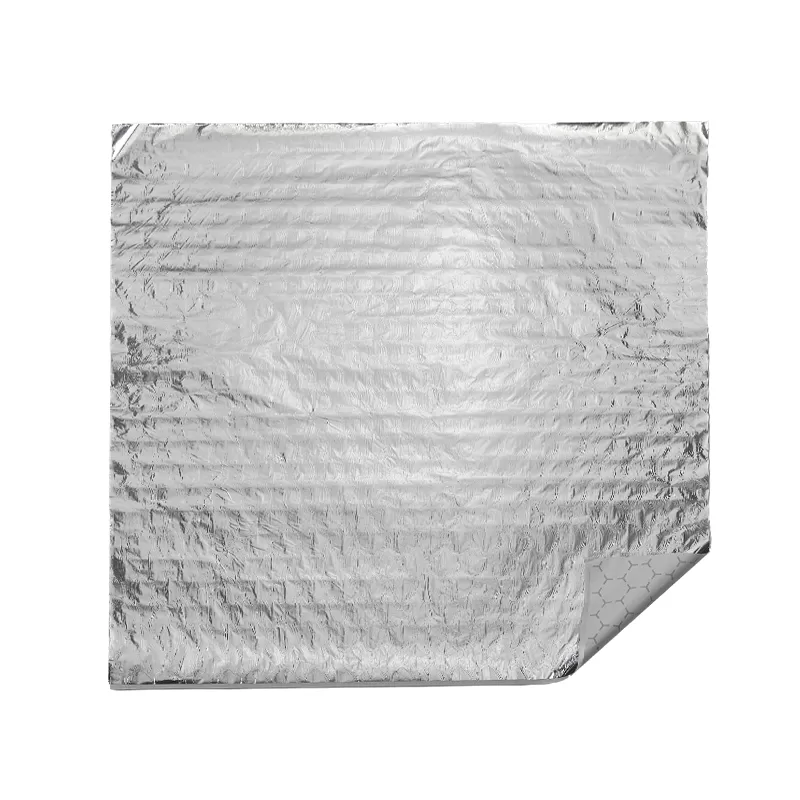
Always use the right side of the foil. The shiny side reflects heat, making it ideal for cooking, while the dull side can absorb heat, suitable for wrapping cold items.
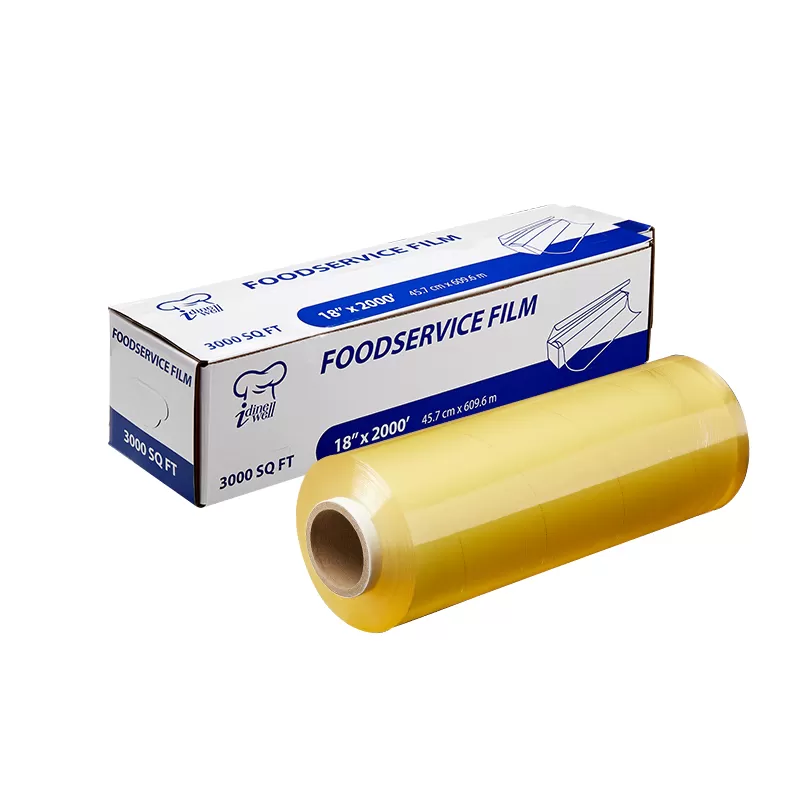
Ensure a tight seal around food to prevent exposure to air and moisture, utilizing cling film wrap if more adhesion is required.
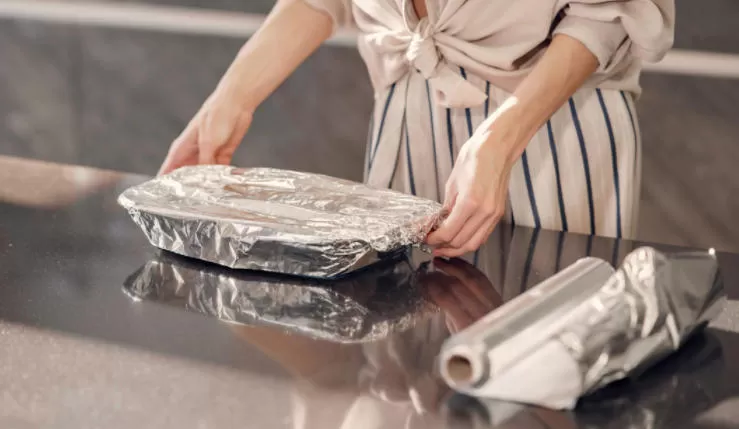
Avoid using catering foil sheets to cover acidic foods like tomatoes or citruses because the acid can react with aluminum, transferring a metallic taste.
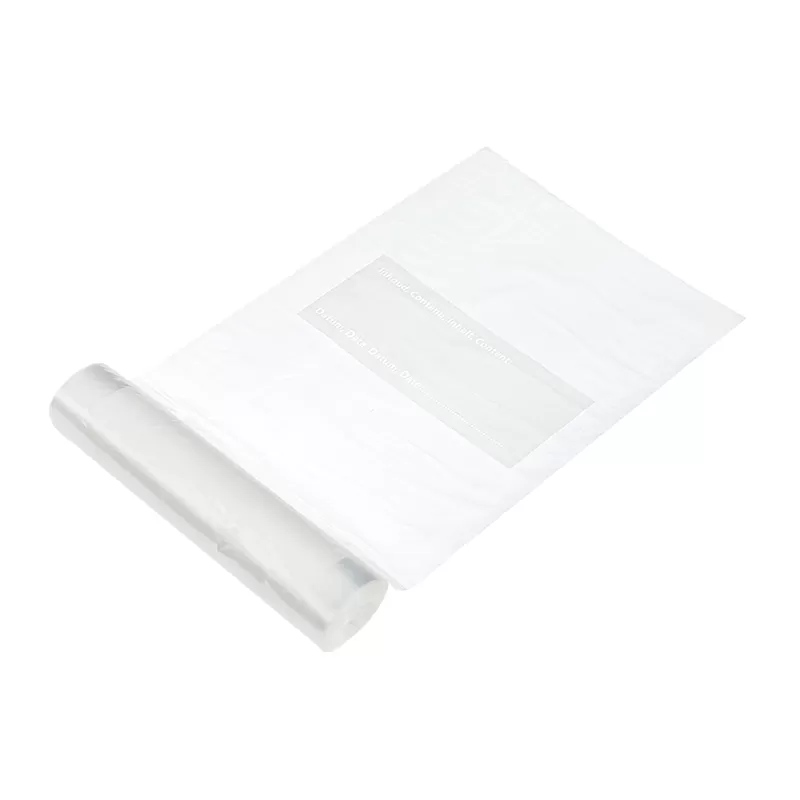
Wrap leftovers tightly, utilizing disposable lunch box liners for containment within the refrigerator.
These practices not only help in preserving food quality but also in maintaining hygienic food storage cases.
Heat Retention Benefits
The heat retention capability of aluminum foil contributes significantly to its widespread usage in both household and commercial food applications.
Use Case | Benefit |
Cooking | Helps evenly cook the contents due to uniform heat distribution. |
Baking | Keeps baked goods moist and prevents crusts from overbrowning. |
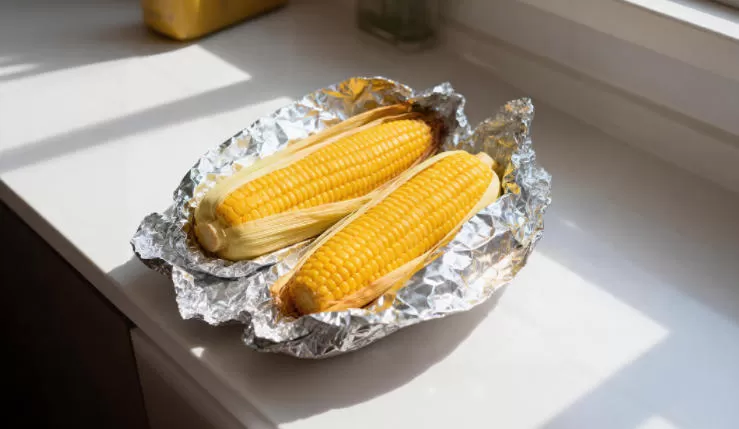
Grilling | Contains juices and flavors when grilling meats or vegetables. |
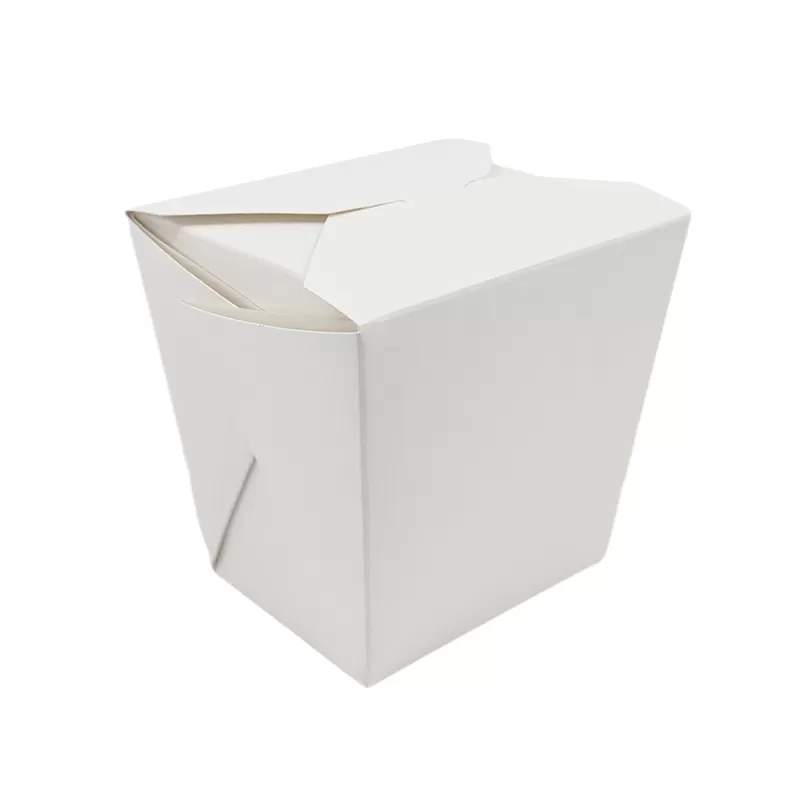
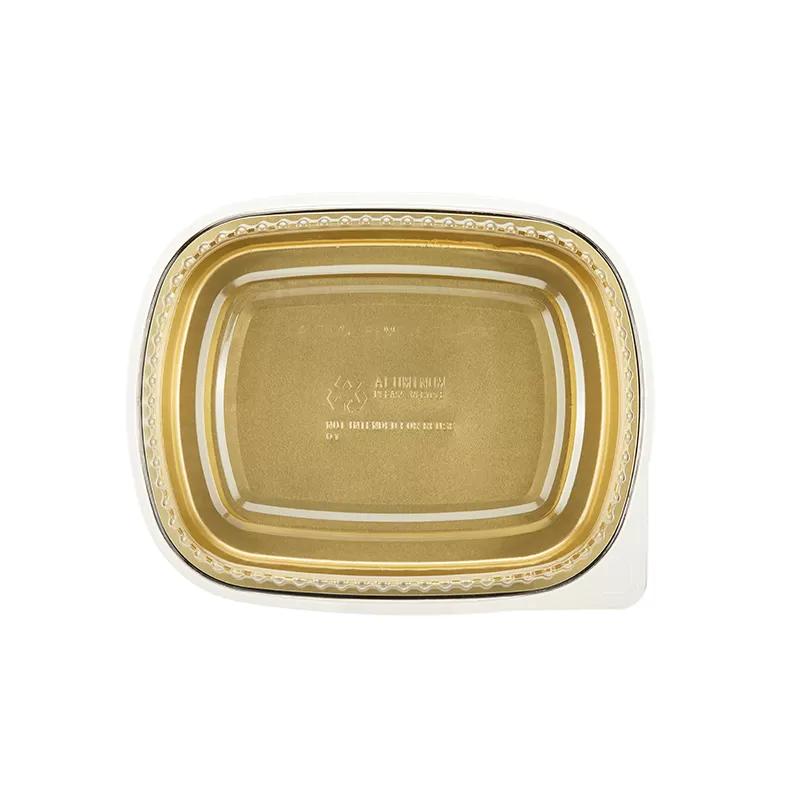
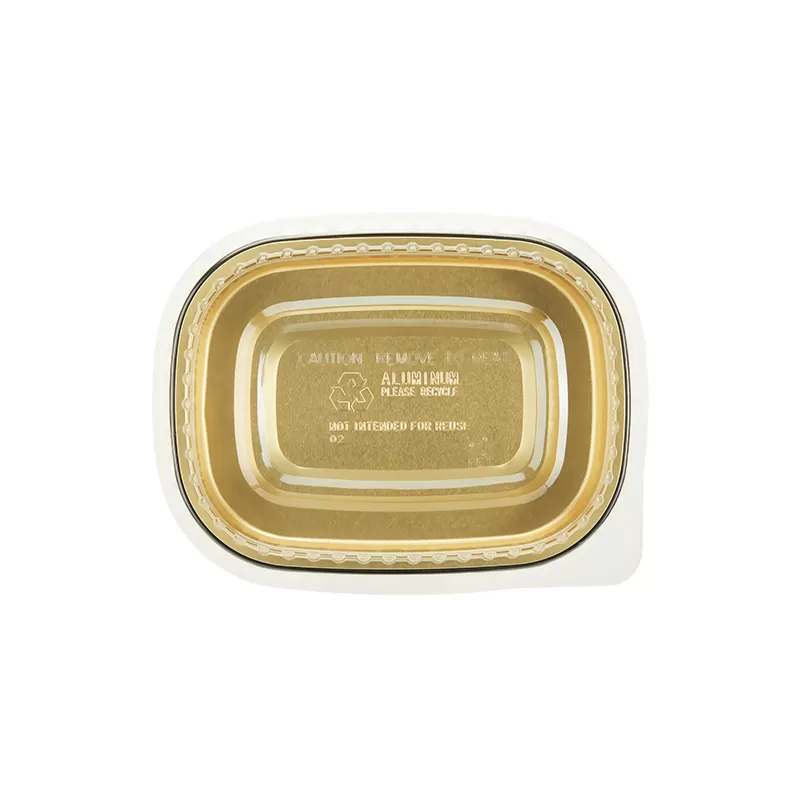
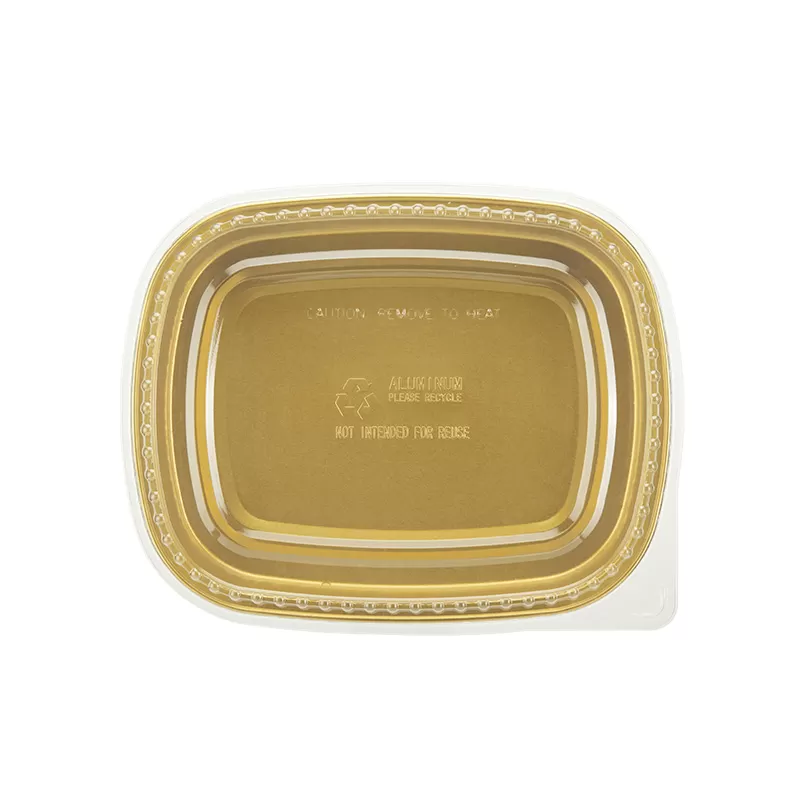
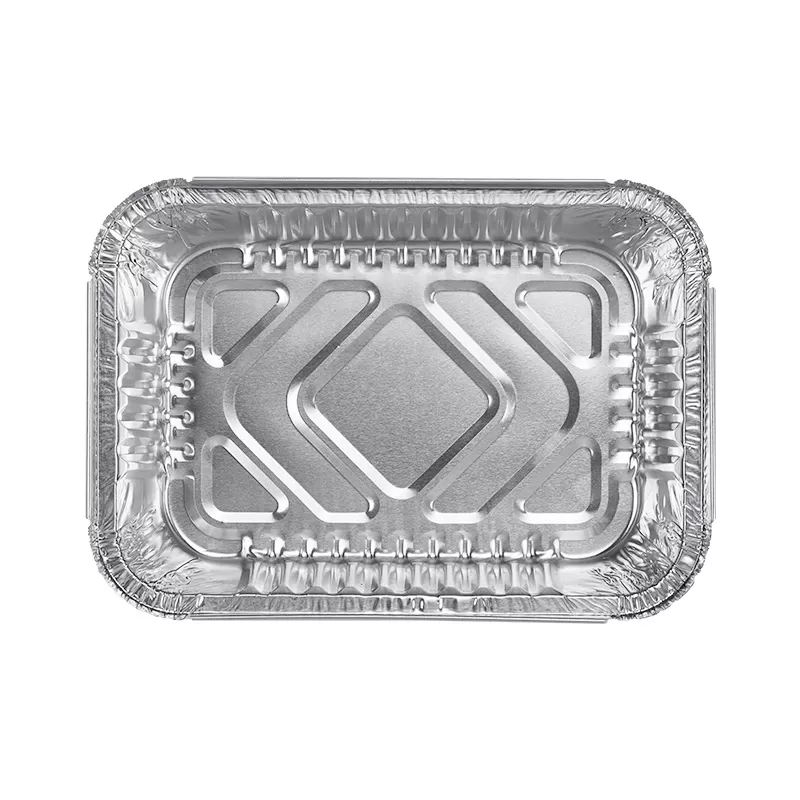
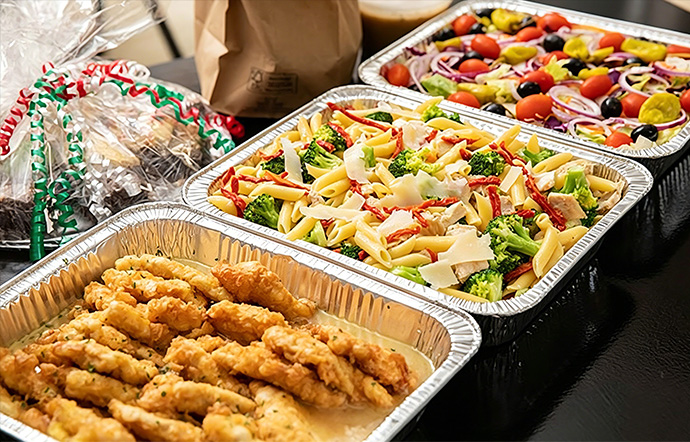
Takeout Packaging | Provides insulation, maintaining food temperature during transport. |
This property makes it essential in disposable laminated packaging, helping sustain food temperature with minimal loss over extended periods.
Recycling and Environmental Impact
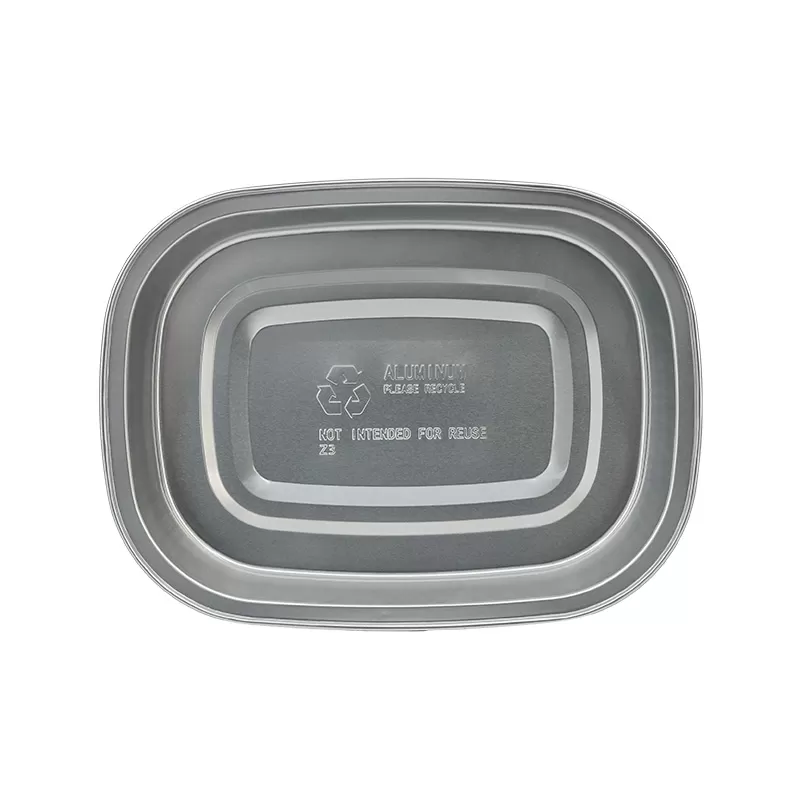
Recycling aluminum sheet for food packaging plays a significant role in minimizing waste and conserving resources. Understanding how to properly dispose of or recycle the foil can greatly reduce its environmental footprint.
If the foil is clean, it can be recycled along with beverage cans and other recyclable metals.
Determine if your local waste management facility accepts aluminum foil for recycling.
Reuse aluminum foil wherever possible, such as in garden or household crafts.
Opt for compostable alternatives or eco-friendly containers when possible to reduce usage.
Consumers' understanding of recyclability can drive demand for products that are both economically and environmentally sustainable.
Creative Uses in Cooking
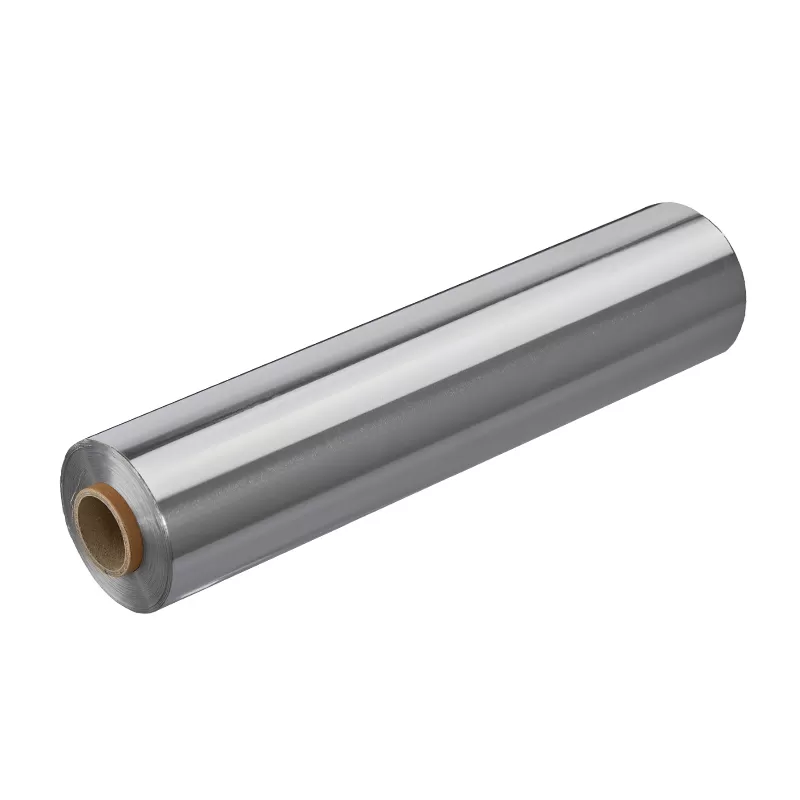
Aluminum foil bulk roll isn't limited to just food storage or grill covers but offers a plethora of innovative uses in the kitchen.
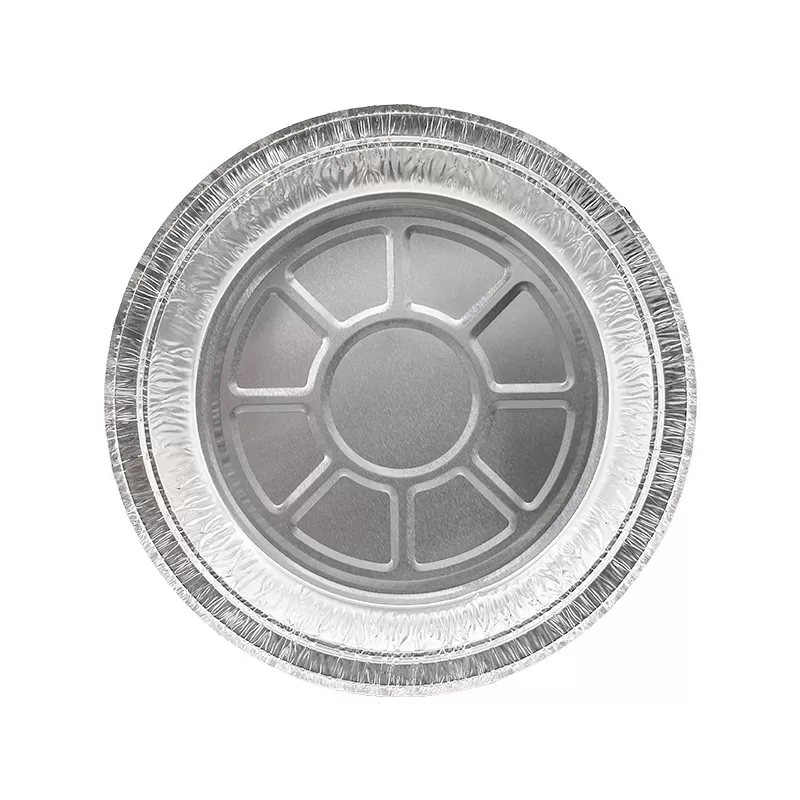
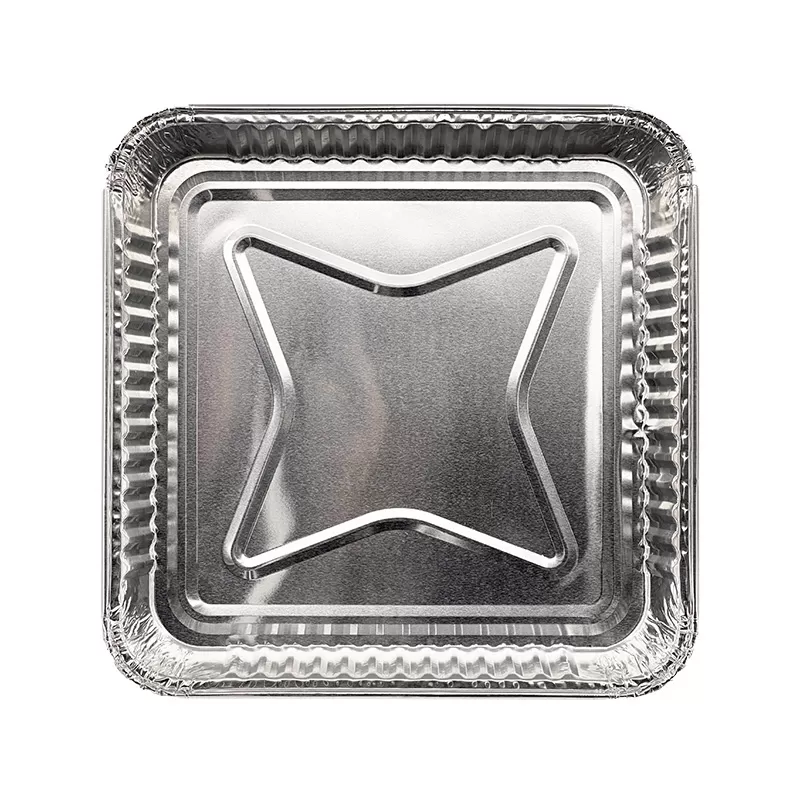
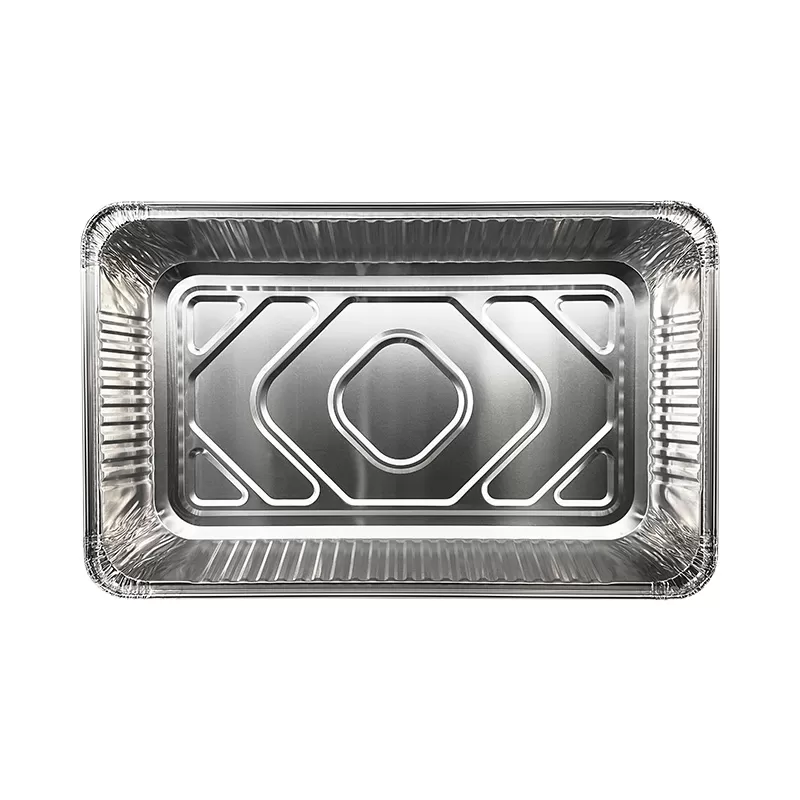
Create makeshift pans or molds for baking or cooking unusual shapes when you lack specific equipment like 9x13 cake pans or round pan.
Use foil as a convenient lid substitute for microwave-safe plastic containers.
Line baking sheets with foil to capture drippings and simplify cleanup.
Craft kitchen tools such as pot scrubbers or cake pan lifters using balled-up foil pieces.
Such versatile applications emphasize the role of aluminum foil as an indispensable tool in a resourceful cook’s kitchen.
Conclusion
From unlocking heat retention advantages in cooking to enhancing the environmental sustainability of your kitchen practices,aluminum foil stands as an invaluable component in modern food handling and preparation. Whether you’re focused on reducing waste through recycling, mastering best practices for food wrapping, or exploring creative culinary applications, understanding its multifaceted capabilities is crucial. Embracing these insights enables you to optimize your cooking processes and take the next steps toward more efficient, eco-friendly food management.
References:
1. Recycling of Aluminum: https://www.aluminum.org/recycling
2. Best Practices for Using Foil: https://www.epicurious.com/foil
3. Environmental Impact:https://www.ecosavingscouncil.org/foil-impact
4. Cooking with Foil: https://www.bonappetit.com/foil-cooking-tips