In the realm of food safety, selecting the right disposable gloves is crucial for preventing contamination and ensuring hygiene. Whether in a restaurant, catering service, or a home kitchen, food-safe disposable gloves play a pivotal role in maintaining cleanliness and protecting both the handler and the consumer. With various materials and types available, each with its strengths and weaknesses, choosing the right gloves requires understanding the nuances related to their use. This guide explores the requirements set by the FDA, types of gloves available on the market, proper usage and hygiene practices, storage and shelf life considerations, and a debunking of common myths. By the end of this article, you will be better equipped to make an informed choice regarding disposable food service gloves that meet your specific needs.
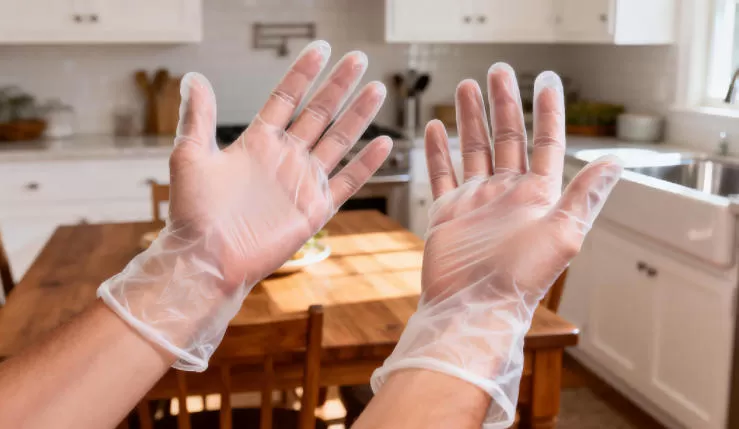
FDA Requirements for Food Handling
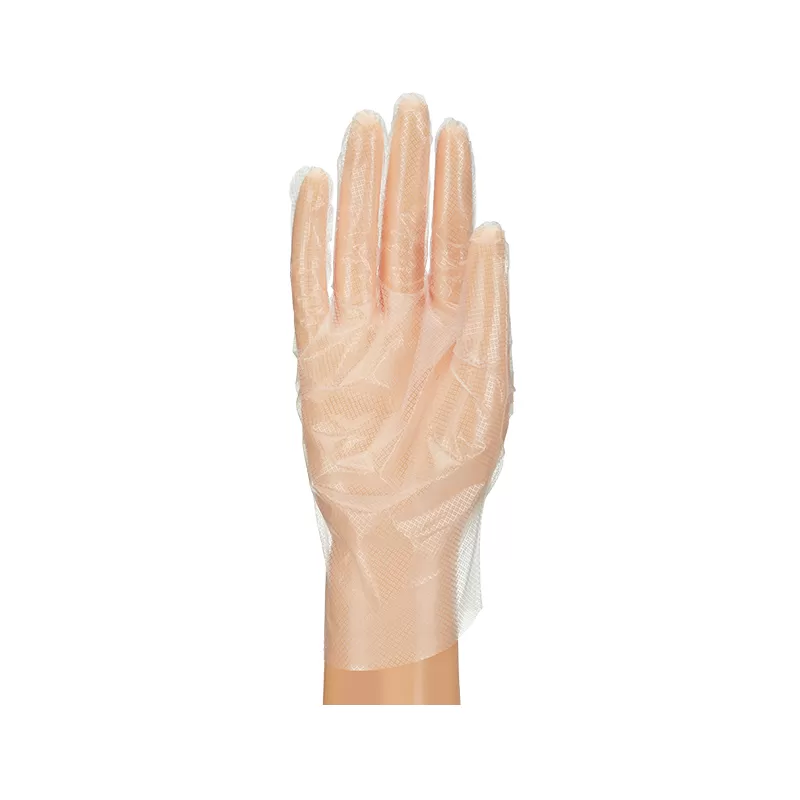
Government regulations, specifically those set by the Food and Drug Administration (FDA), are essential to ensuring that disposable gloves food safe for handling food do not compromise consumer health. These regulations stipulate that gloves must be made from specific materials and manufactured under strict quality control to ensure they are food-safe.
Requirement | Description |
Material Composition | Gloves must be manufactured from materials acknowledged as safe for food contact, like nitrile, vinyl, latex, or polyethylene. Materials should be resistant to tearing and puncturing, safeguarding against any form of contamination. |
Manufacturing Standards | Gloves must be produced in facilities that adhere to stringent quality control measures to prevent cross-contamination during production. |
Fit and Dexterity | Gloves should fit accurately and allow for adequate dexterity, reducing the risk of cross-contamination through accidental spills or tears. |
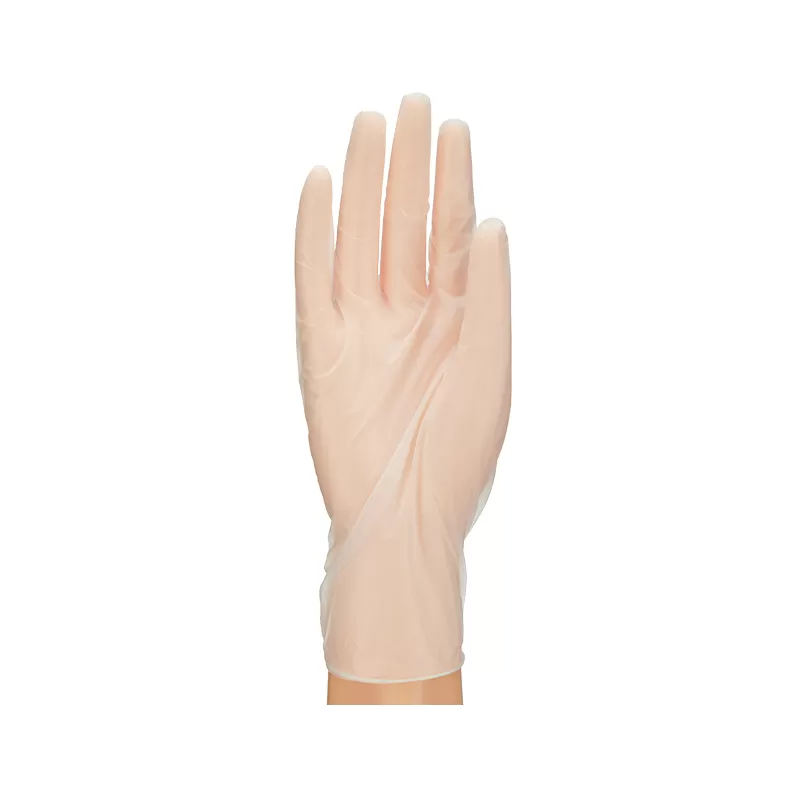
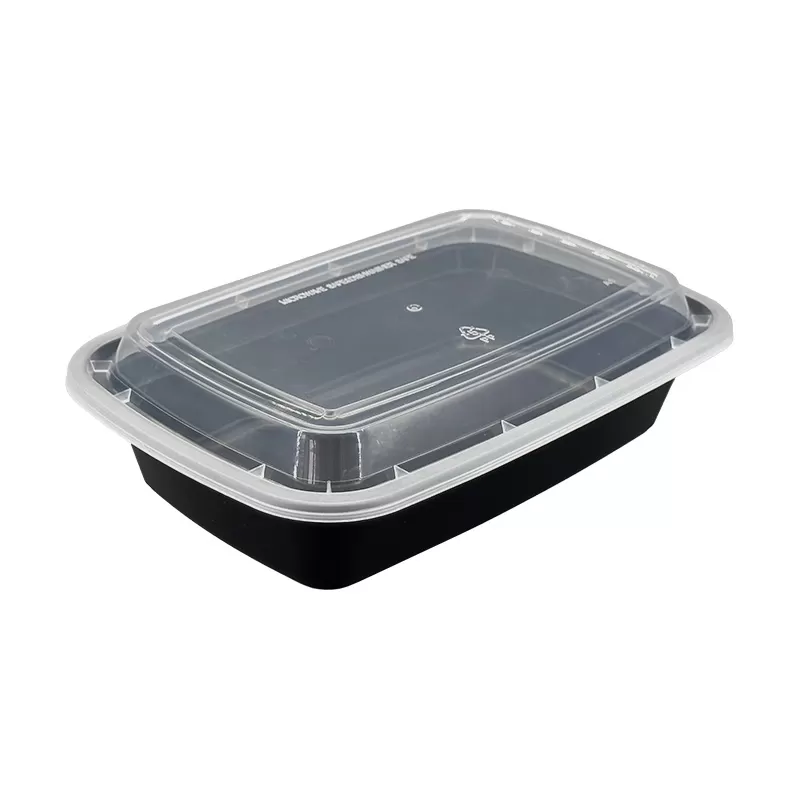
The FDA also requires that disposable gloves used in food service establishments be powder-free, as powdered gloves can sometimes contaminate food. Businesses can refer to the FDA's extensive guidelines when selecting and purchasing disposable lunch box and gloves to ensure full compliance with these regulations.
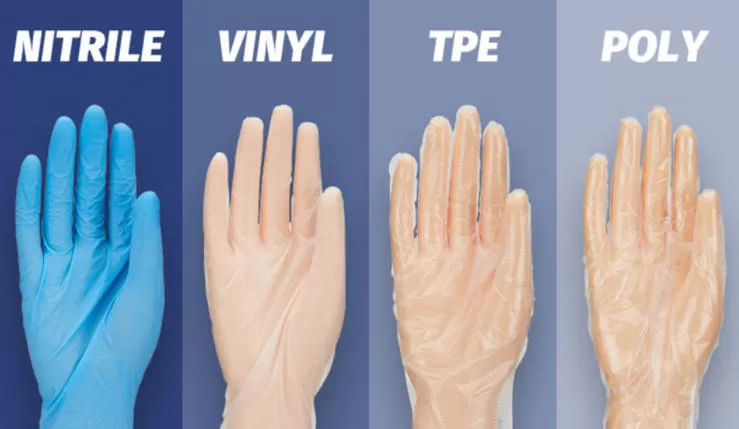
Types of Gloves and Materials
Choosing the right disposable glove involves understanding the different materials available and their individual properties, including comfort, durability, and allergen potential.
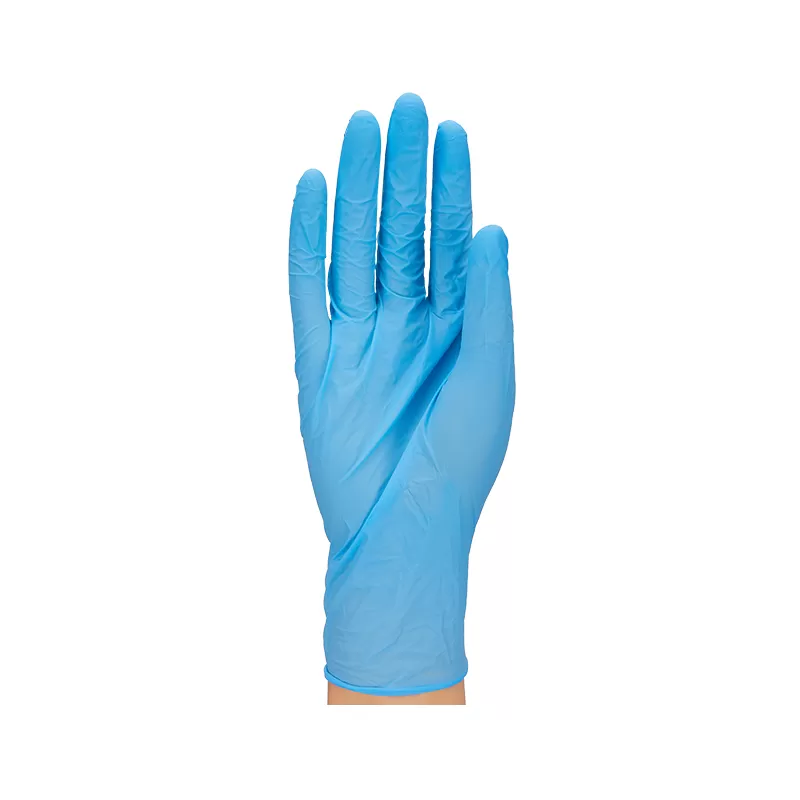
Nitrile Gloves: Known for their strength and chemical resistance, nitrile gloves bulk offer excellent protection against harsh substances. They are often favored by those with latex allergies.
Vinyl Gloves: More affordable than nitrile, vinyl gloves provide a looser fit and are best used for short-term tasks that do not require a high level of durability.
Latex Gloves: A biodegradable option offering comfort and dexterity. However, potential allergic reactions make disposable plastic containers important for those with sensitivities.
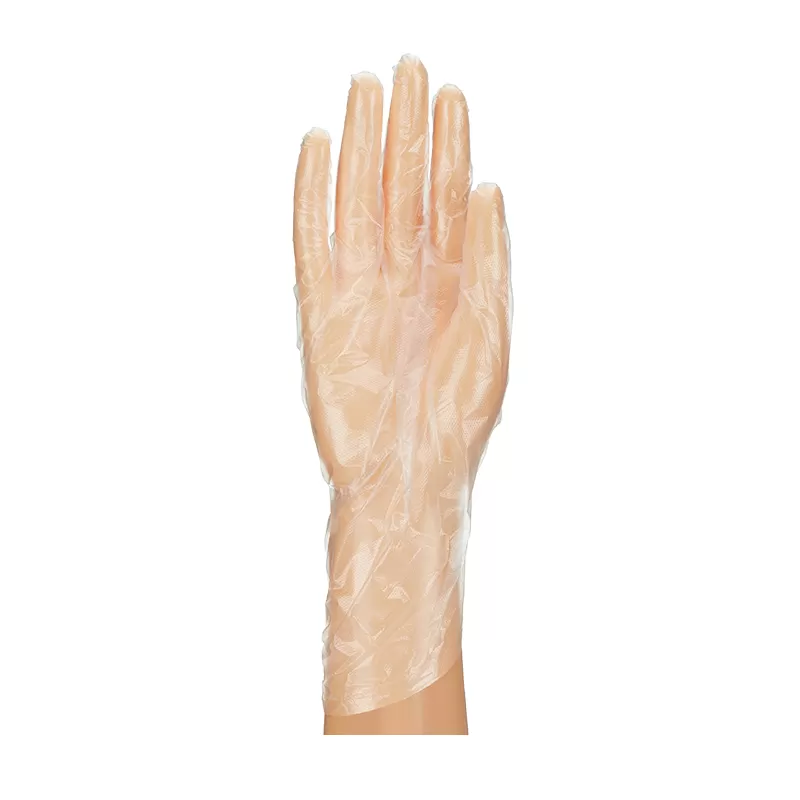
Polyethylene Gloves: Ideal for light and one-time tasks, these disposable food packaging are inexpensive and offer limited durability.
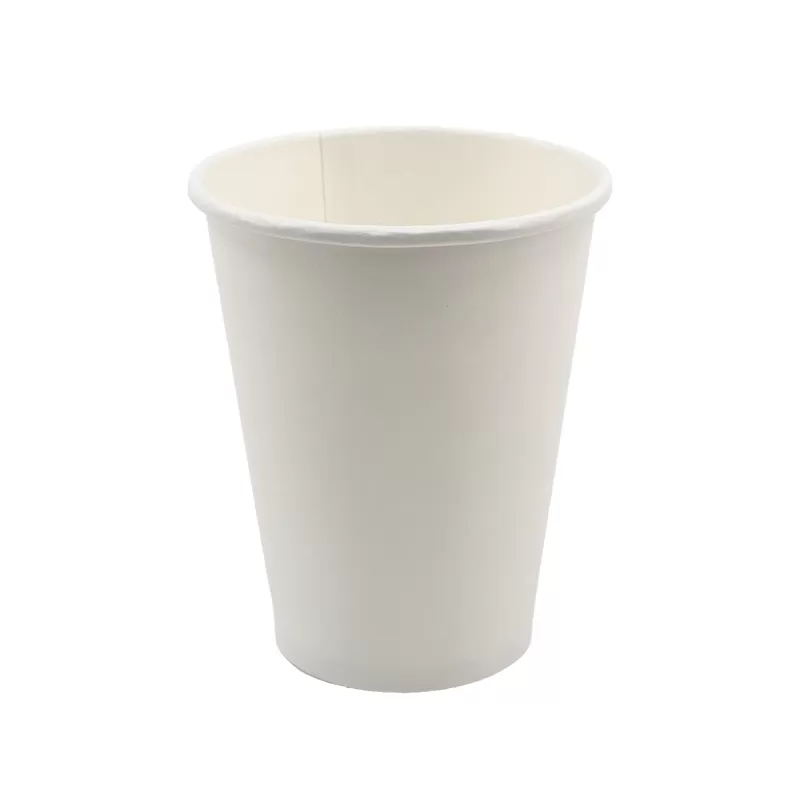
Understanding the specific needs of your business or home use can help in selecting the right glove type. Depending on whether you're working with hot beverages requiring services like Disposable hot cups or handling raw ingredients in a kitchen setting, the glove type and its properties will vary significantly.
Proper Usage and Hygiene
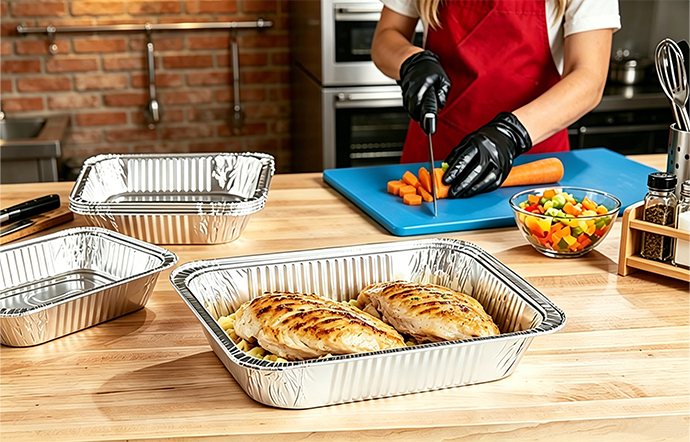
Even with the best disposable gloves food safe, improper use can lead to contamination and unsanitary conditions. Ensuring that gloves are used correctly in food handling processes is essential for maintaining food safety standards.
1.Hand Hygiene: Always wash hands before and after wearing gloves to reduce the likelihood of transferring contaminants to the gloves or food.
2.Change Frequency: Change gloves at appropriate times, such as when switching tasks or after handling raw meat or dirty surfaces.
3.Inspection Routine: Regularly inspect gloves for tears or damages prior to usage. Any compromised glove should be replaced immediately with a new one.
Additionally, combining Disposable food packaging with appropriate glove usage can enhance sanitary protocols, especially in environments dealing with disposable iced coffee cups and utensils.
Storage and Shelf Life
Proper storage of gloves disposable nitrile is necessary to maintain their effectiveness and meet standards for food safety. Factors such as temperature, humidity, and exposure to light can significantly impact a glove's shelf life.
Condition | Impact on Gloves |
Temperature | Ideal storage temperature is between 10°C to 28°C (50°F to 82°F). Extreme temperatures can cause gloves to degrade over time. |
Humidity | Stored in low humidity environments to prevent bacterial growth and degradation of glove material. |
Light Exposure | Exposure to direct sunlight and fluorescent lighting can deteriorate the material, particularly for latex gloves. |
Observing these storage conditions will help prolong the lifespan of gloves, ensuring readiness and reliability when needed. It's also essential to check the expiration date of gloves, usually indicated on the packaging, to confirm they remain effective.
Common Myths Debunked
The incorrect beliefs surrounding disposable food gloves can result in poor practices and false assurance of safety. Here are common myths and facts to better equip users with accurate information.
Myth: Colored gloves are more sanitary.
Fact: The color of a glove does not determine its sanitation level; it primarily aids in preventing cross-contamination.
Myth: All gloves offer equal protection.
Fact: Different materials offer varying levels of protection. Nitrile gloves, for example, provide more chemical resistance than vinyl.
Myth: Reusing disposable gloves is okay.
Fact: Disposable gloves are meant for one-time use only, and reusing them poses significant contamination risks.
By dispelling these myths, businesses can ensure better practices and reliability in food safety scenarios, particularly when using Disposable food packaging and related products.
In conclusion, selecting the right disposable gloves food safe is fundamental to maintaining high food safety standards. By understanding FDA requirements, selecting appropriate glove types, adhering to proper usage protocols, and debunking common myths, both businesses and individuals can improve their food handling practices, protecting both employees and customers. Supplementary Disposable food packaging products, like disposable lunch box and disposable ice cream cups, can further aid in maintaining sterile and hygienic conditions across food service environments. By meticulously considering these factors, you can reassure your clientele of their health and safety.
Reference Links: FDA. "Guidance for Industry: Juice HACCP Hazards and Controls Guidance." Available at: [FDA Food Safety](https://www.fda.gov) - National Institute for Occupational Safety and Health (NIOSH). "Chemical Glove Reference Chart." Available at: [NIOSH](https://www.cdc.gov/niosh)