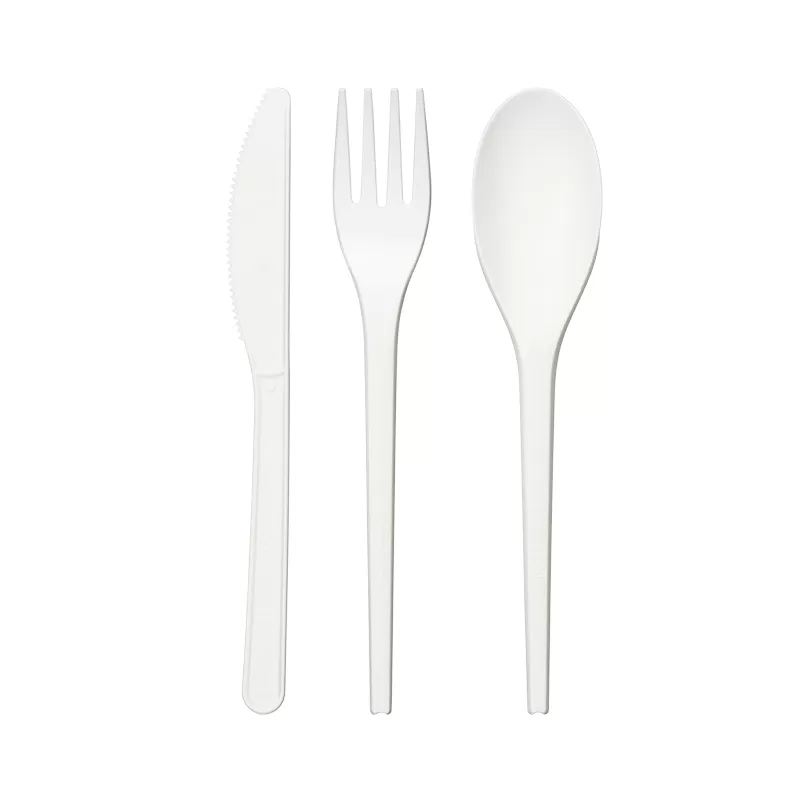
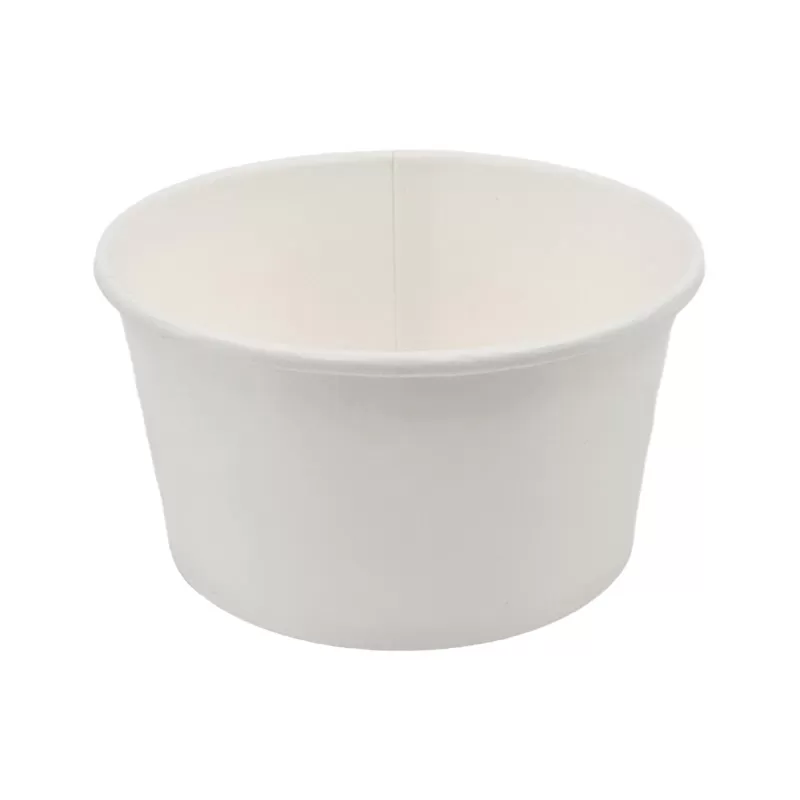
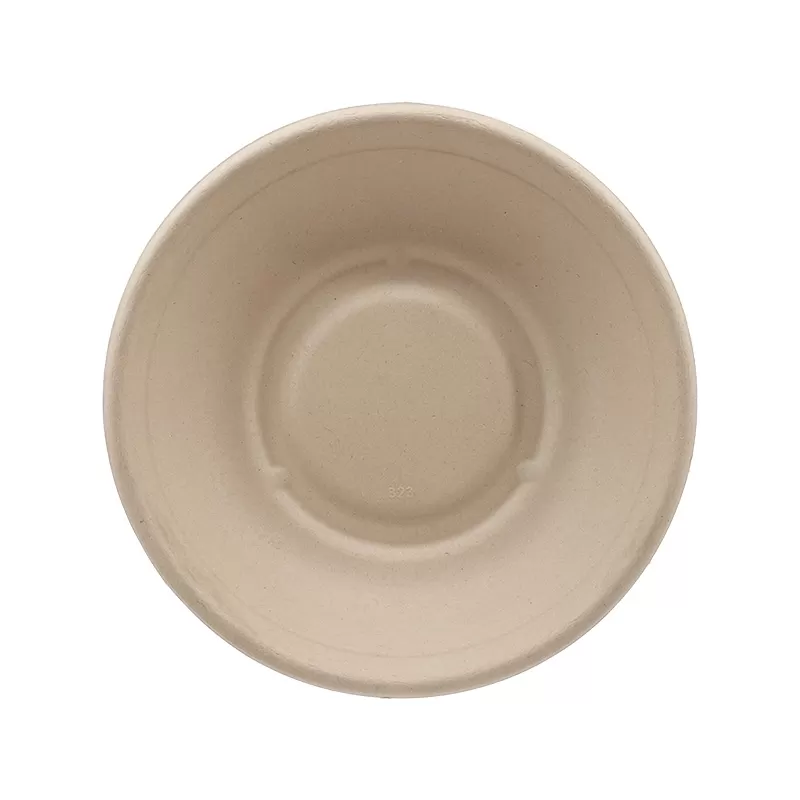
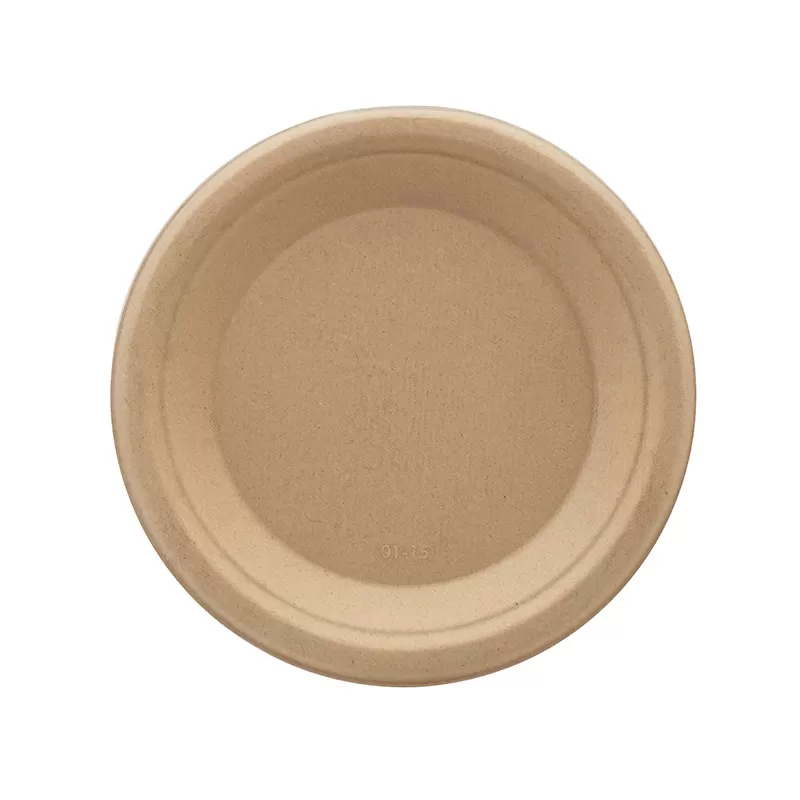
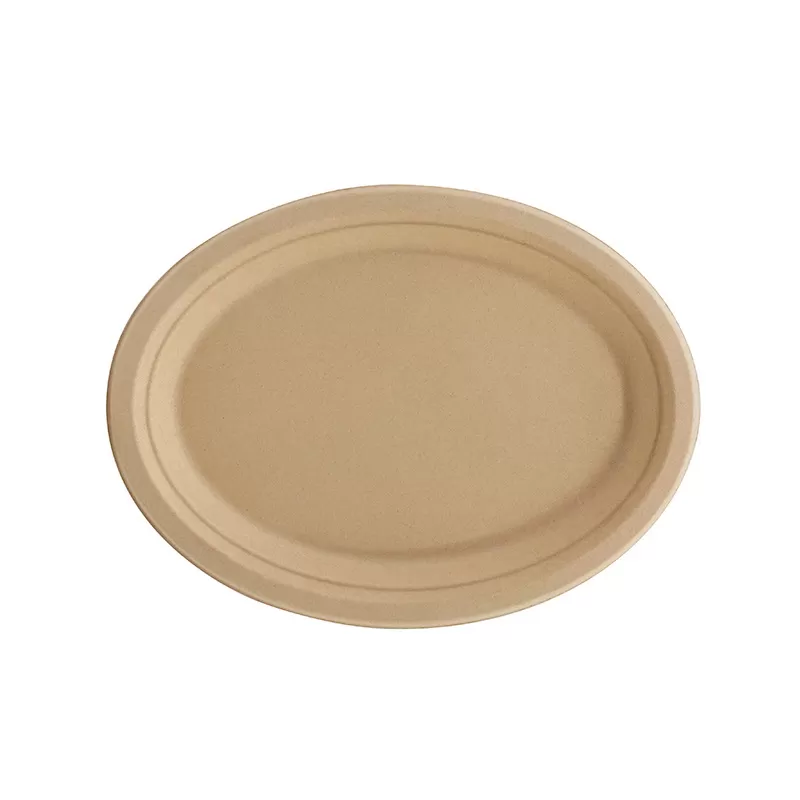
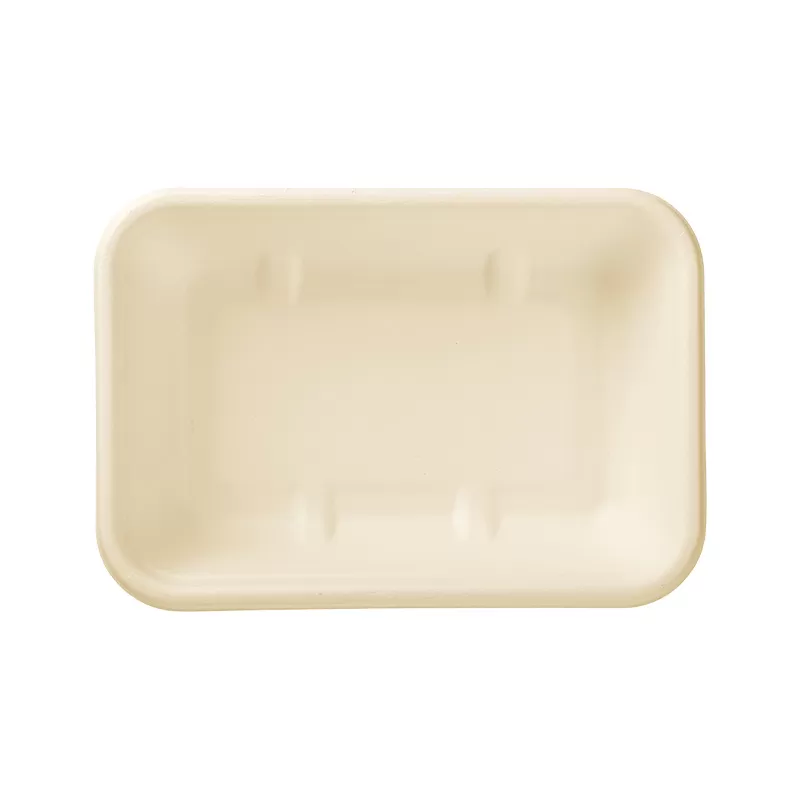
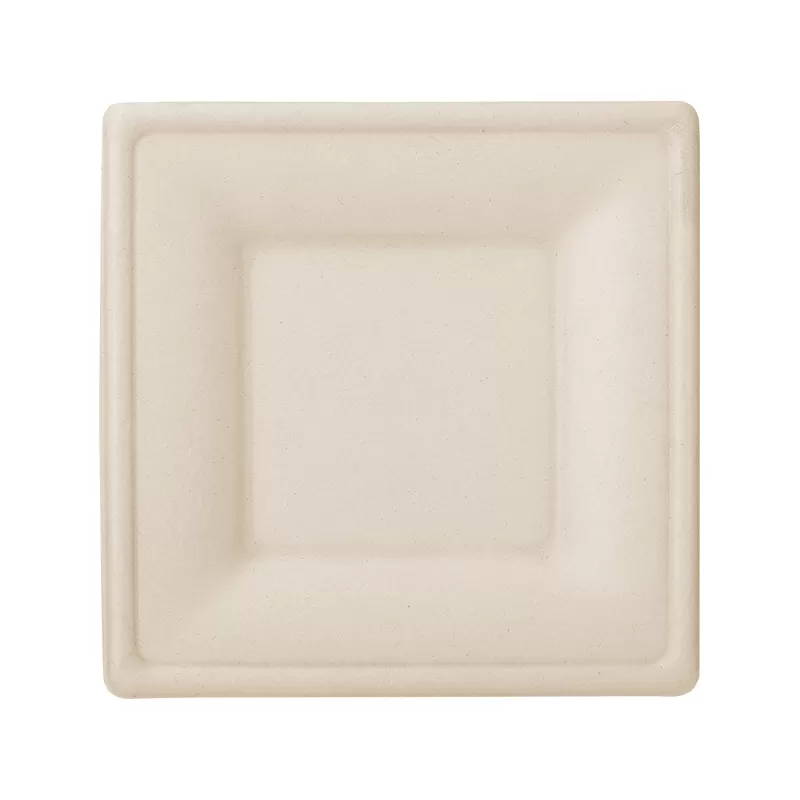
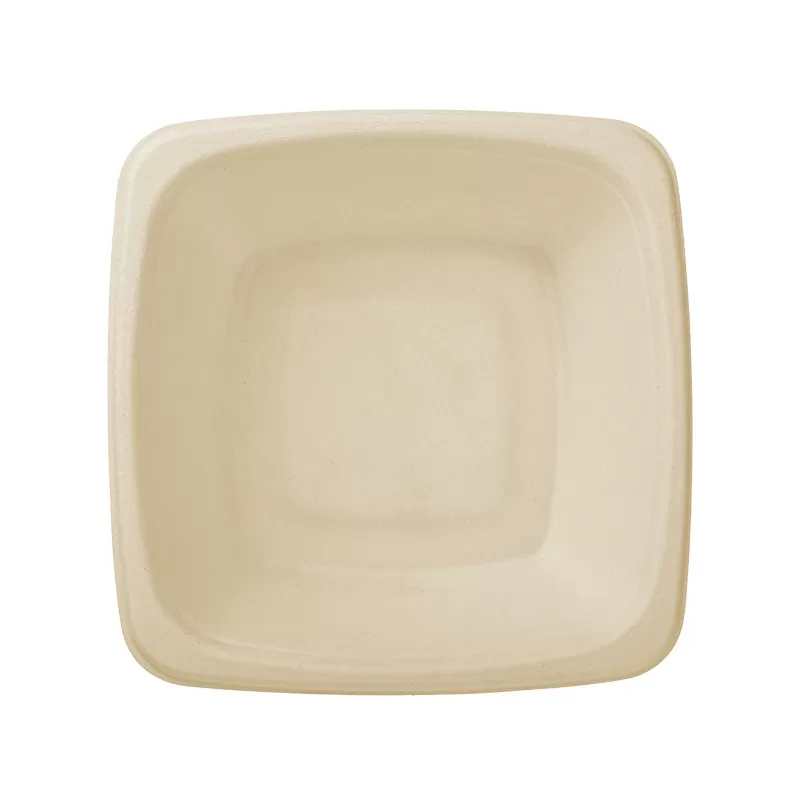
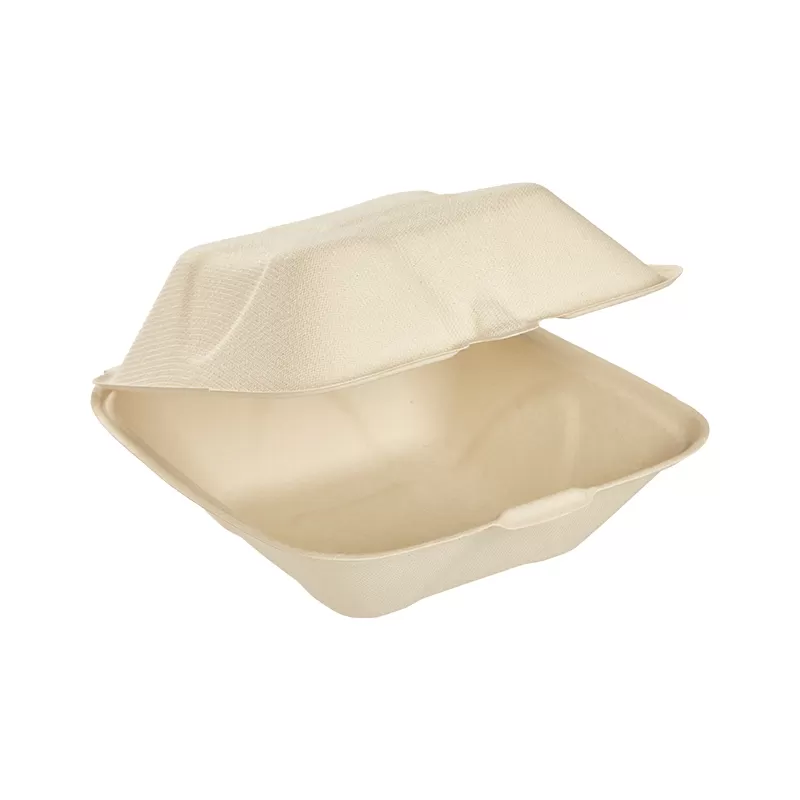
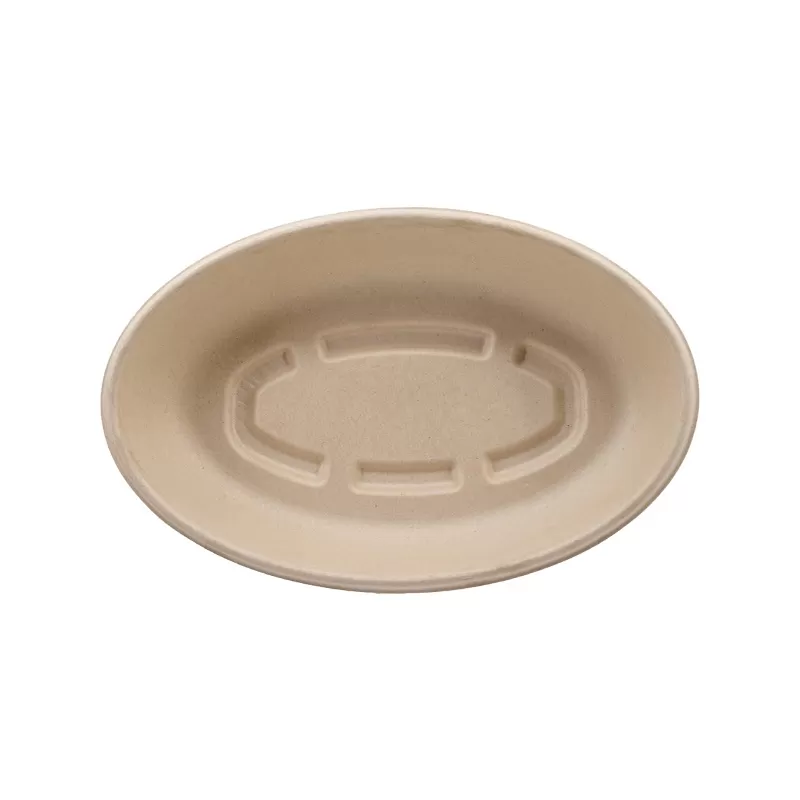
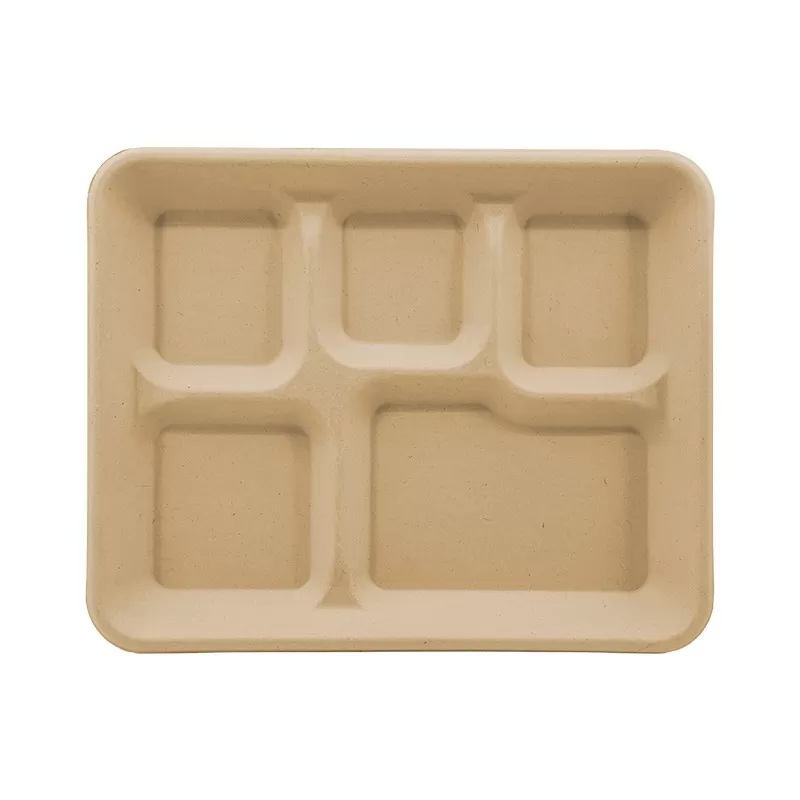
In the fast-paced world of foodservice, disposable plates must withstand demanding conditions without compromising food safety, presentation, or convenience. Molded fiber tableware has proven itself as a reliable performer. Crafted from renewable sugarcane fibers, these sugarcane pulp tablewares deliver excellent heat and grease resistance while remaining fully compostable.
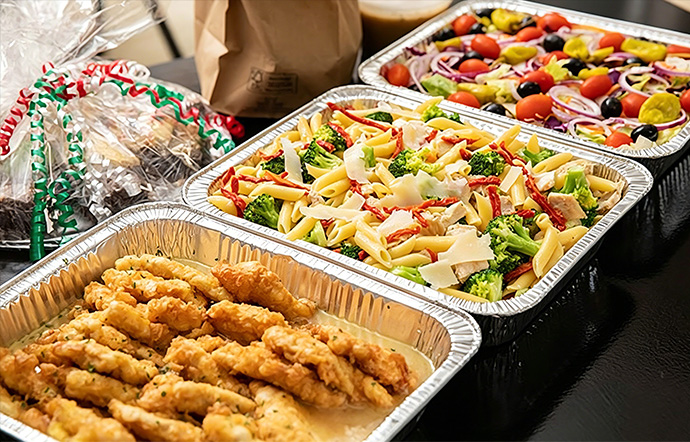
Keystone Supply’s molded fiber plates are specifically engineered for real-world use with hot, oily, and saucy meals—think burgers, fried foods, pasta, BBQ ribs, and hearty takeout orders. Unlike traditional plastic or coated paper plates that may warp, leak, or leave environmental harm, plant-based fiber tableware offers a sturdy, eco-conscious solution that maintains structural integrity from kitchen to table.
This article examines how eco-friendly molded fiber tableware perform under challenging conditions, helping restaurants, caterers, and event planners understand why tableware from bagasse is becoming the preferred choice.
Understanding Molded Fiber Plates: Material and Construction
Molded fiber plates, also known as molded pulp tableware, are created by transforming agricultural byproducts—primarily bagasse (the fibrous residue left after extracting juice from sugarcane)—into a pulp. This pulp is then molded, pressed, and dried under heat and pressure to form rigid, three-dimensional plates with a dense fiber structure.
The natural composition of sugarcane bagasse tableware gives it inherent strength. Bagasse fibers contain high levels of cellulose and lignin, which contribute to rigidity and thermal stability. Keystone Supply emphasizes that their plates feature a dense, plant-based matrix designed to handle both hot and cold foods without softening or collapsing. Many formulations include a natural or compostable barrier treatment that enhances resistance to oils and sauces without relying on synthetic plastics or PFAS chemicals.
This construction sets sugarcane tableware apart from conventional alternatives. Plastic plates derive from petroleum and can deform under high heat or release concerns when microwaved, while paper plates often require heavy plastic or wax coatings that reduce compostability and may fail under greasy loads. In contrast, sugarcane pulp tableware leverages renewable resources to create a product that is both functional and aligned with circular economy principles—turning agricultural waste into durable dinnerware.
Heat Resistance: Standing Strong Under High Temperatures
One of the standout features of molded fiber tableware is its impressive heat resistance. The dense fiber structure of bagasse tableware prevents softening or structural failure even when serving steaming hot foods straight from the oven, grill, or fryer. Keystone Supply notes that these plates maintain their shape and rigidity, making them suitable for hearty meals like BBQ, fried chicken, pasta dishes, and hot sandwiches.
In practical terms, compostable molded fiber dinnerware can typically withstand temperatures associated with hot food service, including brief exposure to oils around 100–120°C. The material does not warp like some thin paper options or melt like lower-grade plastics. This thermal stability ensures plates remain flat and supportive throughout the meal, preserving food presentation and preventing messy collapses that frustrate customers and staff alike.
For operators using microwaves or reheating takeout, sugarcane fiber tableware offers added peace of mind. Many molded fiber plates are microwave-safe, allowing convenient reheating without the chemical leaching risks sometimes associated with certain plastics. Whether in a busy restaurant line, catering setup, or delivery service, these plates deliver consistent performance, reducing waste from failed containers and improving overall efficiency.
Real-world applications highlight this strength: imagine a food truck serving hot, cheesy nachos or a cafeteria plating steaming stir-fries—eco-friendly molded fiber tableware holds its form where lesser alternatives might buckle, ensuring a professional dining experience from start to finish.
Grease and Oil Resistance: No Soaking, No Leaking
Greasy and oily foods present a major challenge for disposable tableware, often causing sogginess, leaks, or weakened structures. Molded fiber plates address this effectively through their natural fiber density and optional compostable barriers. Sugarcane bagasse disposable tableware resists oil penetration, preventing sauces and fats from soaking through and compromising the plate’s integrity.
The dense arrangement of bagasse fibers creates a natural barrier, while many commercial products receive a light, plant-derived treatment that enhances hydrophobicity and oleophobicity without sacrificing compostability. This means plates can confidently handle greasy burgers with dripping cheese, fried appetizers, oily BBQ ribs, or pasta with rich sauces—maintaining dryness on the outside and structural strength even after extended contact.
Compared to uncoated paper plates that quickly absorb oils and become limp, or plastic plates that may feel slippery and retain heat unevenly, plant-based fiber tableware strikes an ideal balance. It keeps food securely contained, reduces the risk of spills during transport or service, and preserves the appetizing appearance of meals. Customers notice the difference: no soggy bottoms or leaking containers, leading to higher satisfaction and fewer complaints.
For high-volume operations like stadium concessions, festival catering, or quick-service restaurants, this grease resistance translates directly into operational reliability. Biodegradable molded fiber tableware performs reliably under pressure, allowing staff to focus on service rather than replacing failed plates mid-shift.
Sustainability and End-of-Life Benefits
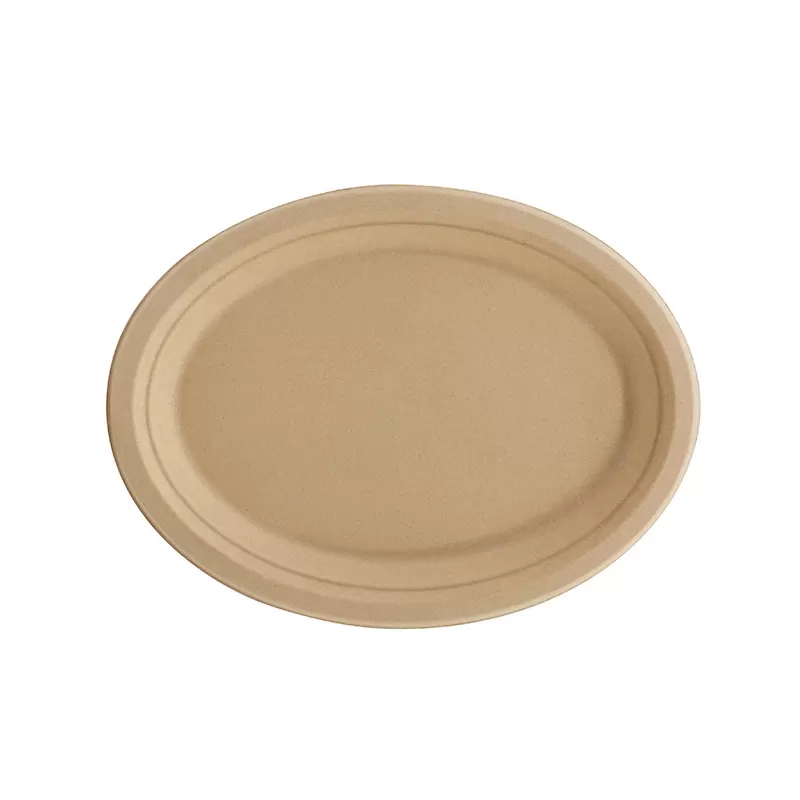
Beyond performance, molded fiber tableware excels in environmental responsibility. Made from renewable sugarcane bagasse, these plates divert agricultural waste from landfills or incineration and transform it into useful products. They are fully compostable molded fiber dinnerware, breaking down in commercial composting facilities within 60–90 days into nutrient-rich soil, with no harmful residues.
This stands in sharp contrast to single-use plastics, which persist for centuries and contribute to microplastic pollution. Even many “eco” paper plates rely on non-compostable coatings that hinder recycling or composting efforts. By choosing tableware from bagasse and sugarcane tableware, businesses can significantly reduce their environmental footprint while meeting growing consumer demand for sustainable options.
Keystone Supply’s eco-friendly molded fiber tableware supports broader sustainability goals, helping operators comply with plastic reduction regulations and enhance their brand image as environmentally responsible. The combination of high performance and genuine compostability makes these plates a forward-thinking investment for the future of foodservice.
Conclusion: Reliable Performance Meets True Sustainability
Molded fiber plates made from sugarcane bagasse and other plant fibers demonstrate outstanding ability to hold up against hot and greasy foods. Their dense structure provides reliable heat resistance, while natural and compostable barriers ensure excellent grease and oil performance—qualities that make sugarcane pulp tableware ideal for demanding foodservice environments.
Unlike plastics that burden the planet long after use or paper options that often sacrifice durability for cost, biodegradable molded fiber tableware delivers practical strength without environmental compromise. Keystone Supply’s range of plant-based fiber tableware proves that businesses no longer need to choose between performance and sustainability.
As the industry shifts toward greener practices, eco-friendly molded fiber tableware offers a smart, responsible solution that meets today’s operational needs while supporting a healthier planet. Whether you run a restaurant, catering service, or event venue, switching to high-quality molded fiber plates can elevate service standards and reinforce your commitment to sustainability.
Explore Keystone Supply’s full selection of molded fiber plates and discover how sugarcane bagasse disposable tableware can transform the way you serve hot and greasy favorites—reliably, cleanly, and conscientiously.