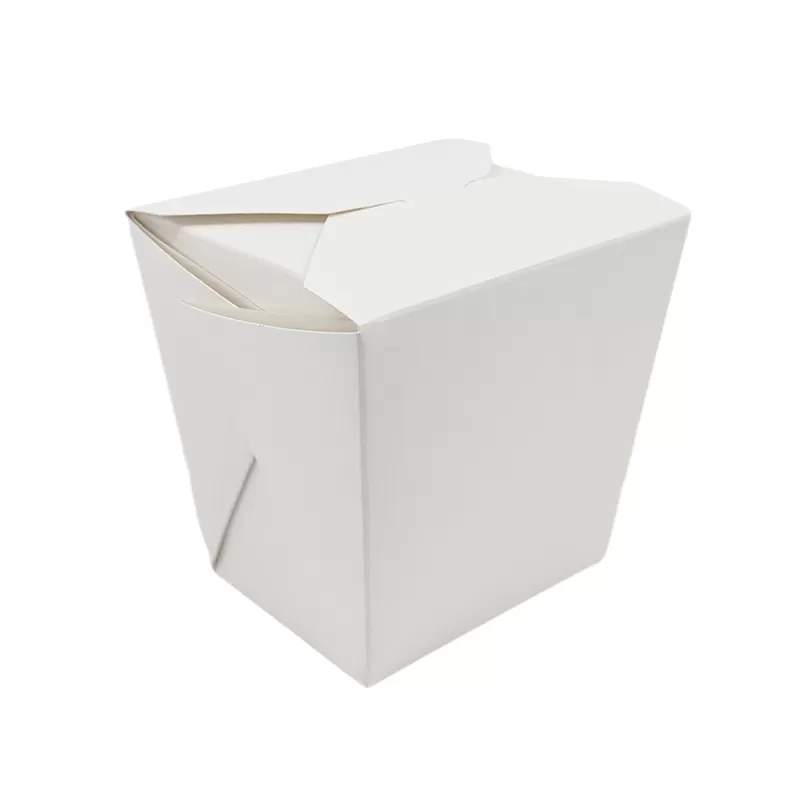
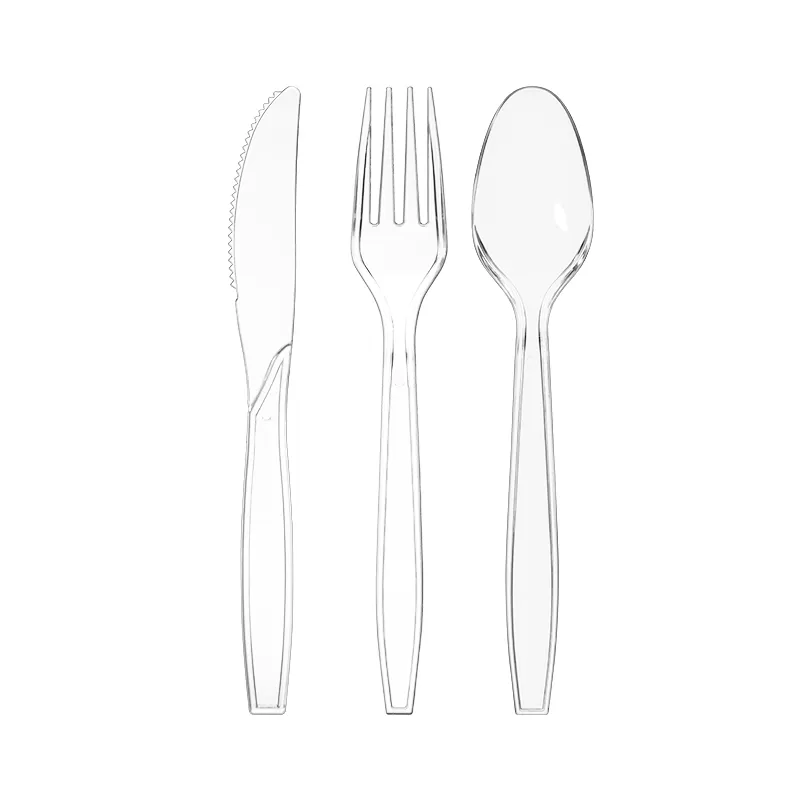
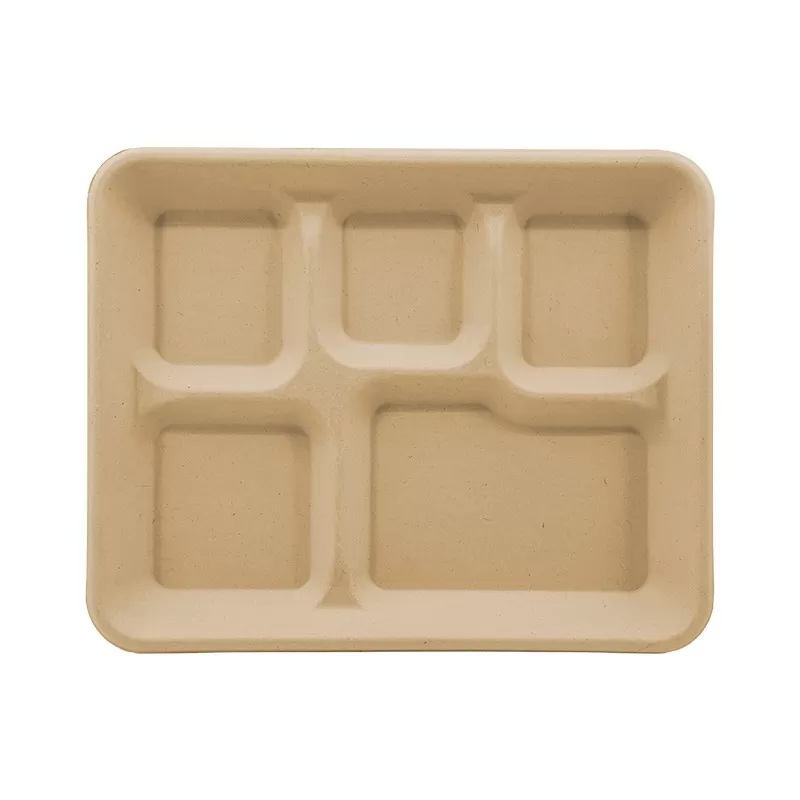
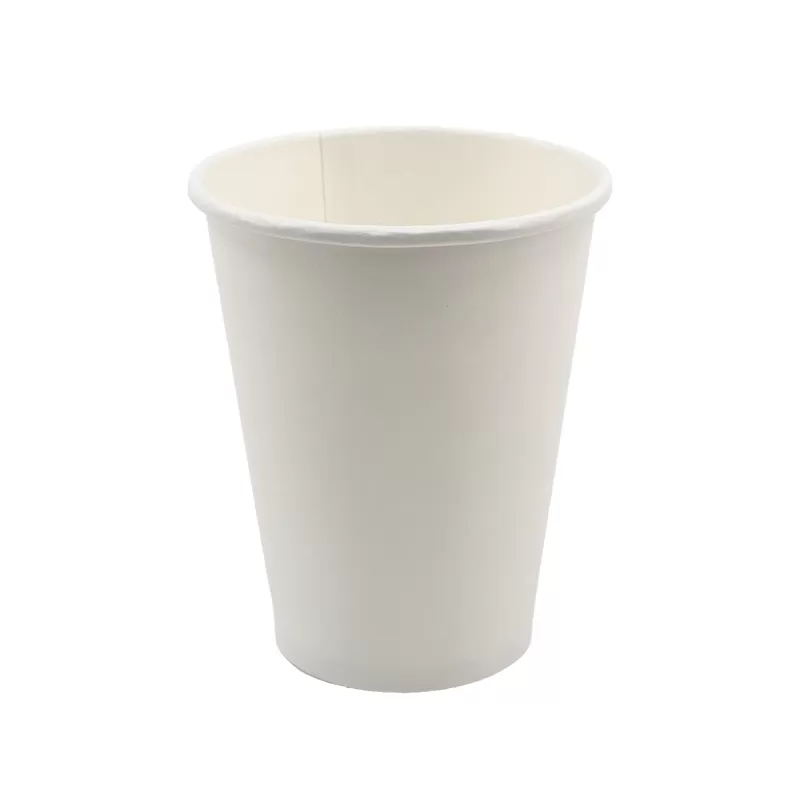
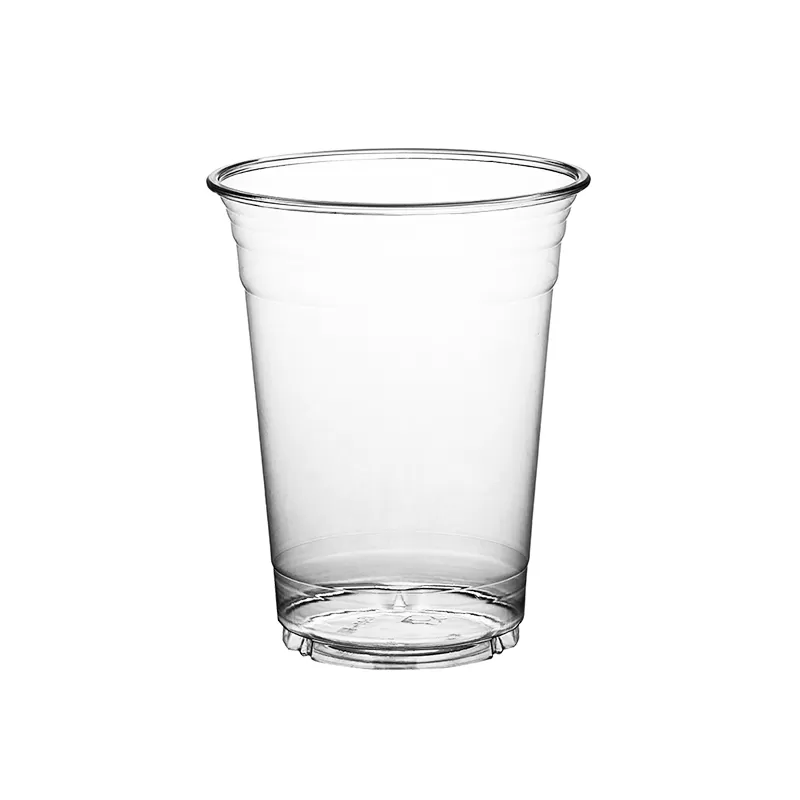
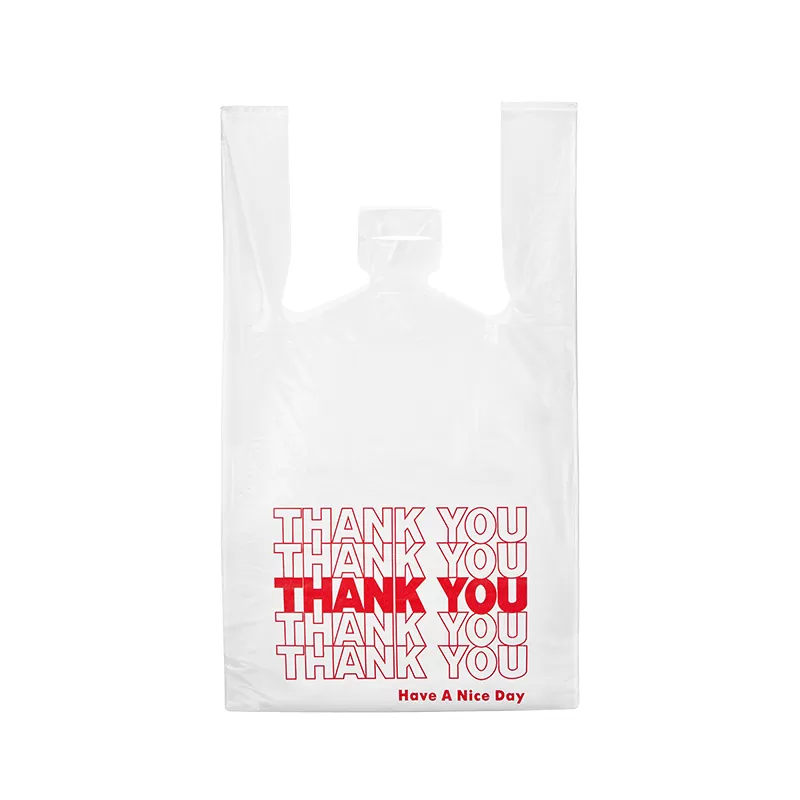
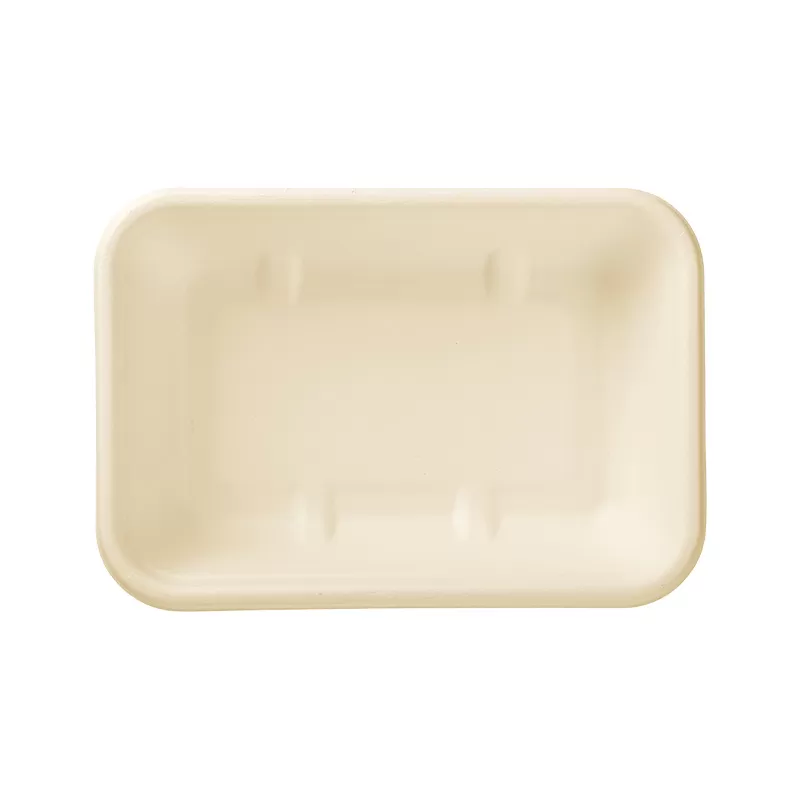
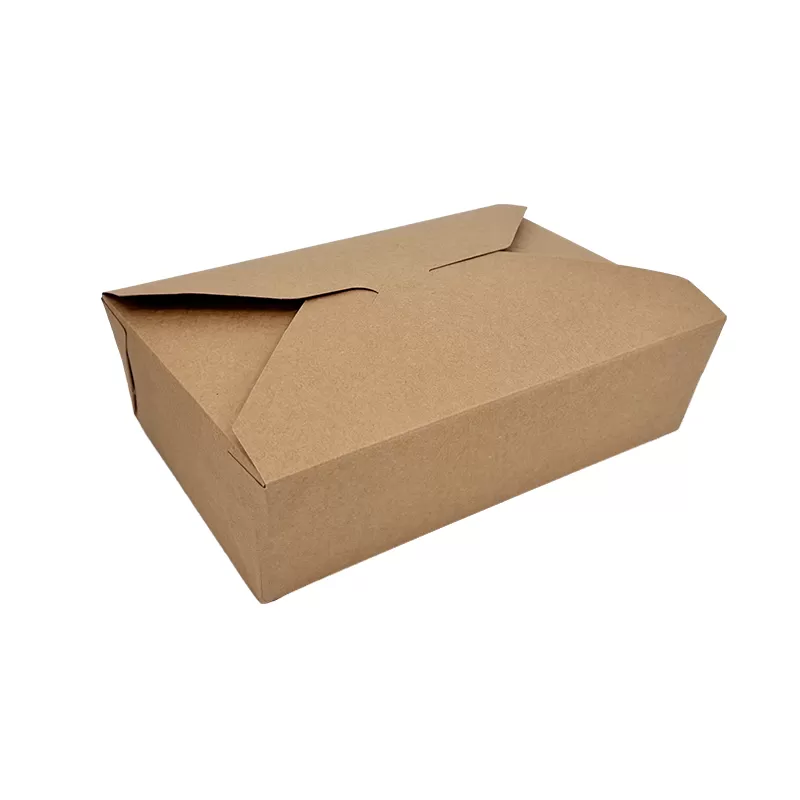
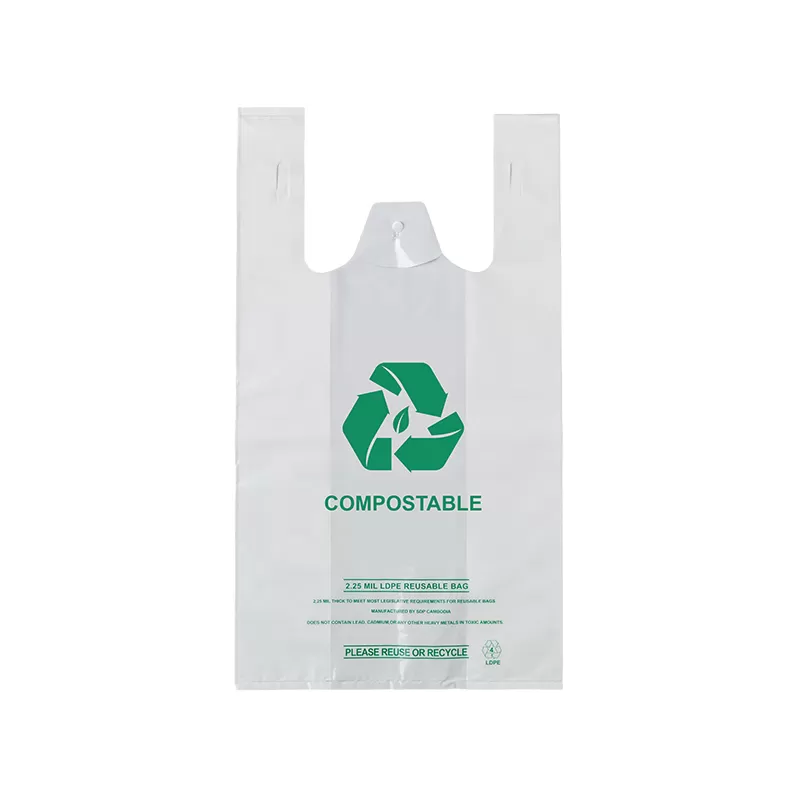
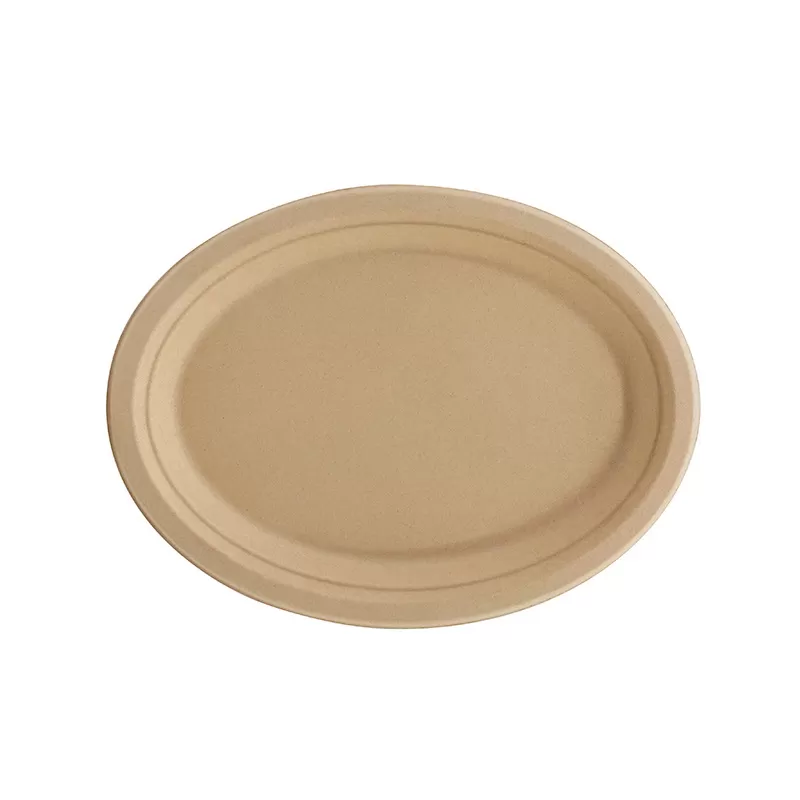
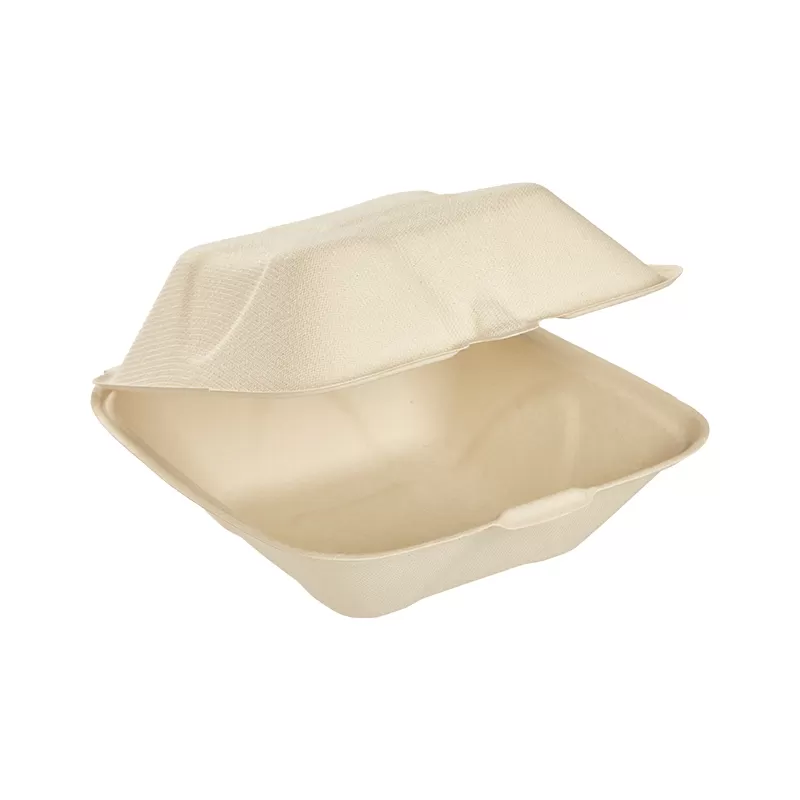
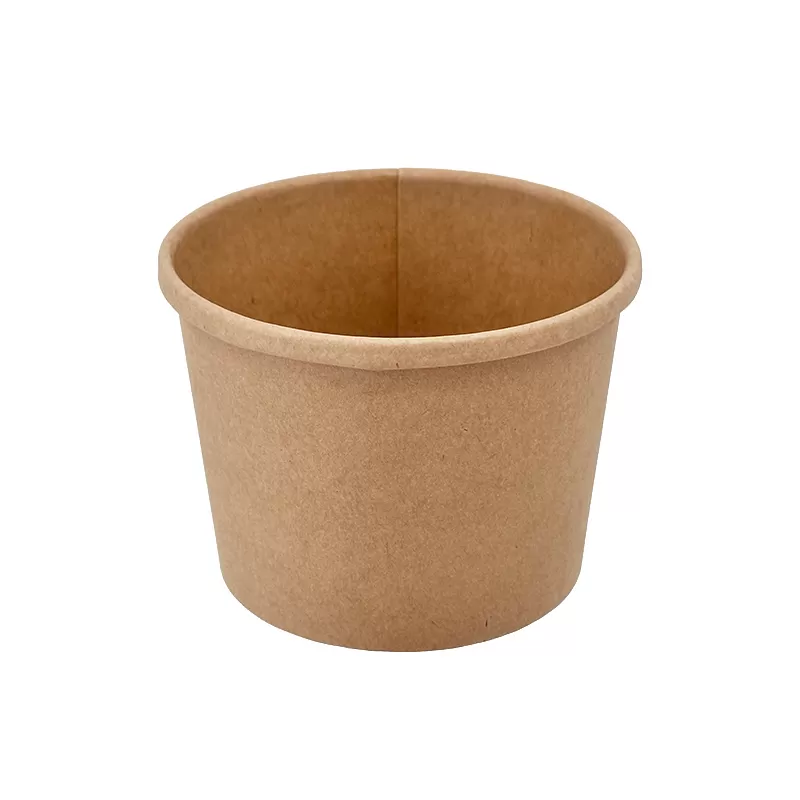
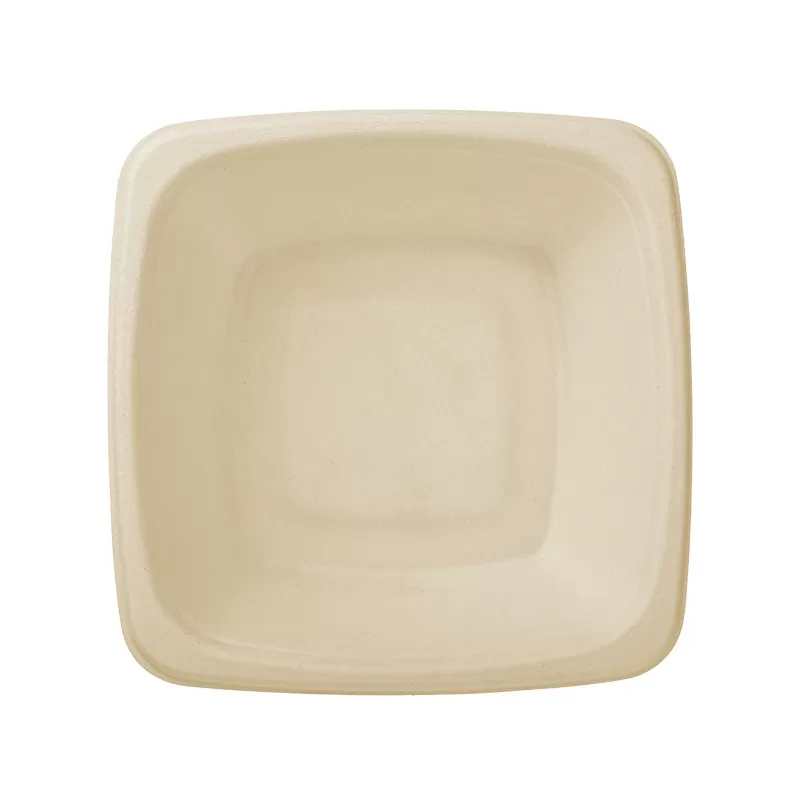
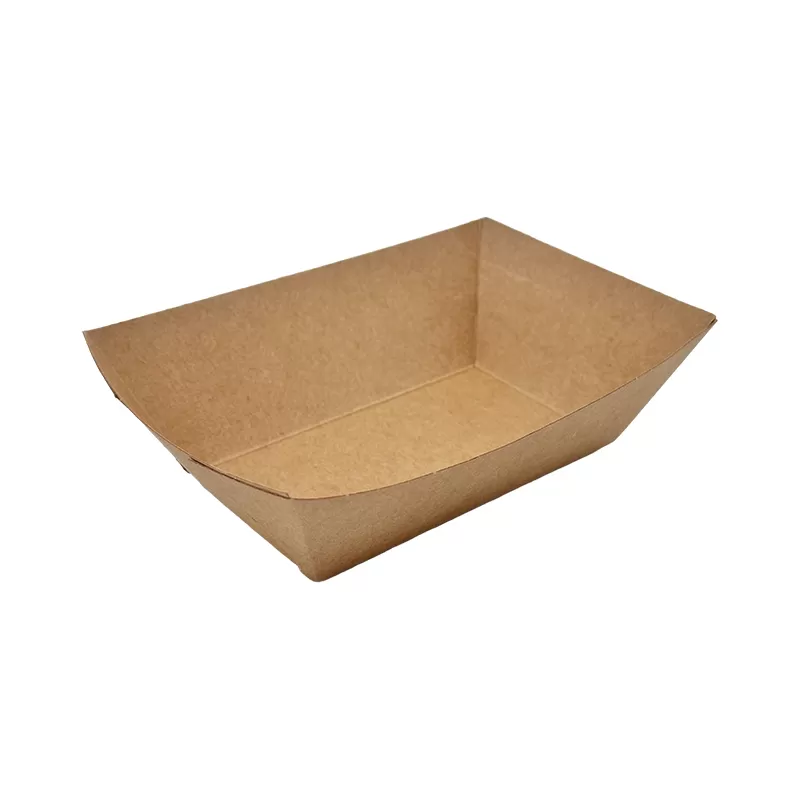
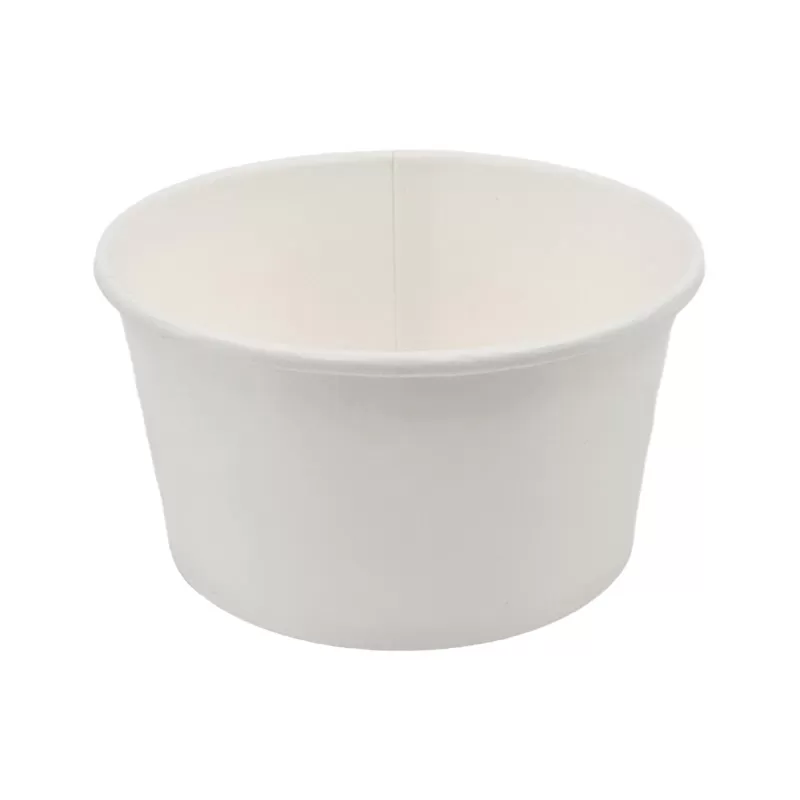
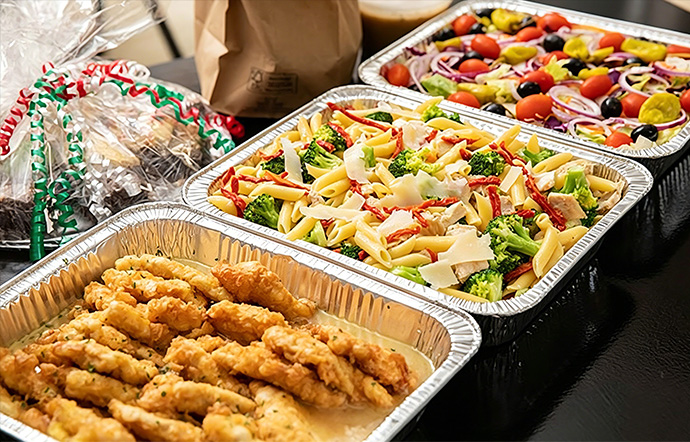
In our fast-paced modern world, the demand for disposable food packaging has surged. Whether you're grabbing a coffee in a cup to go, ordering lunch in a disposable lunch box, or buying groceries in paper bags wholesale, understanding the material that goes into these products is crucial. It's not just about convenience; it's about choosing materials that are sustainable, safe, and fit for purpose. This guide will walk you through the various materials used in disposable food packaging and discuss their benefits and applications. Let's explore the world of disposable food packaging materials to make informed decisions that benefit both consumers and the environment.
Types of Materials Used in Disposable Packaging
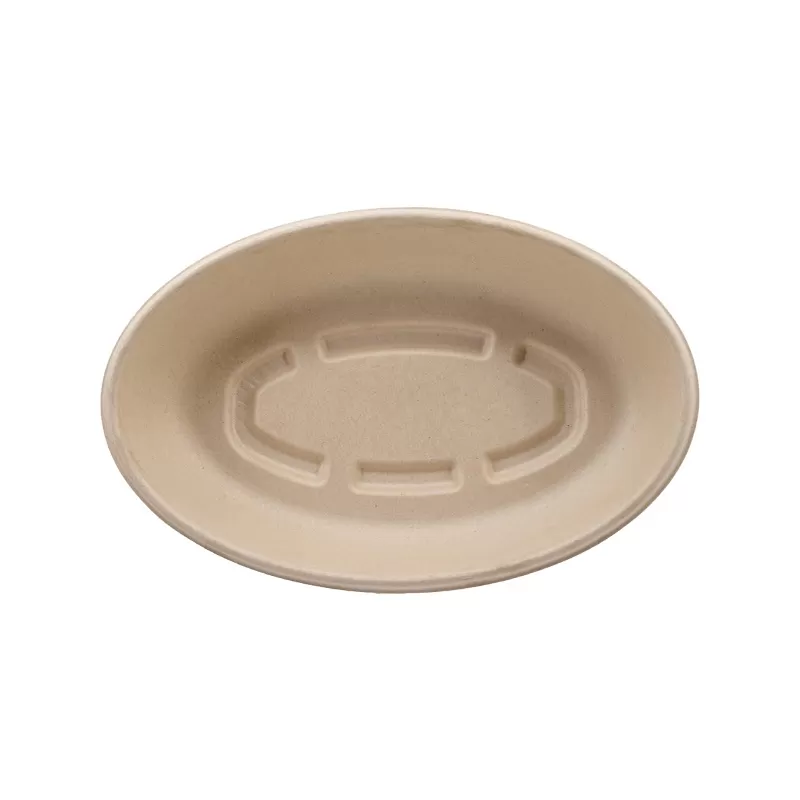
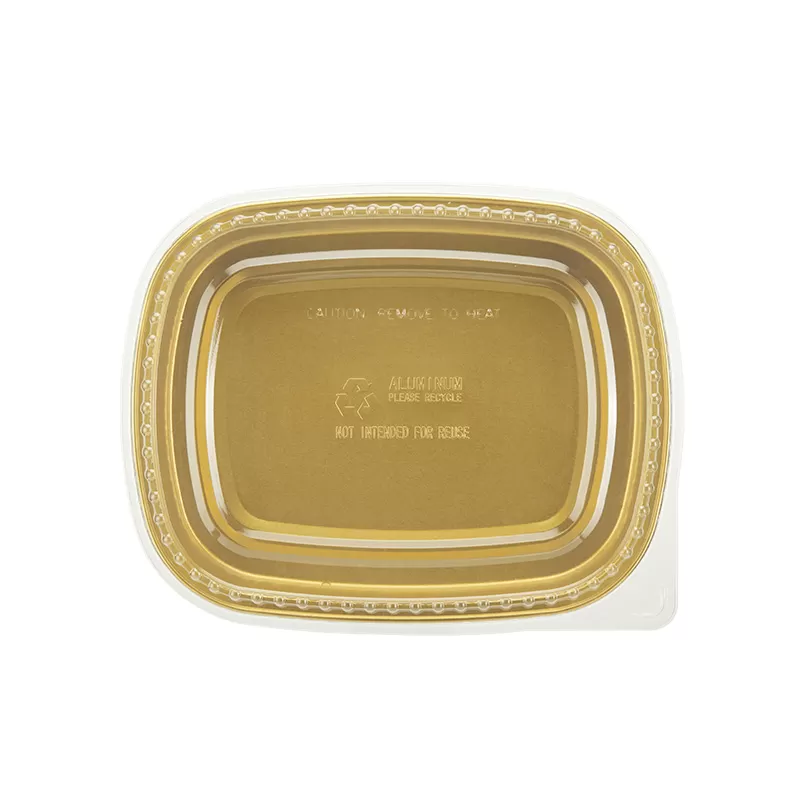
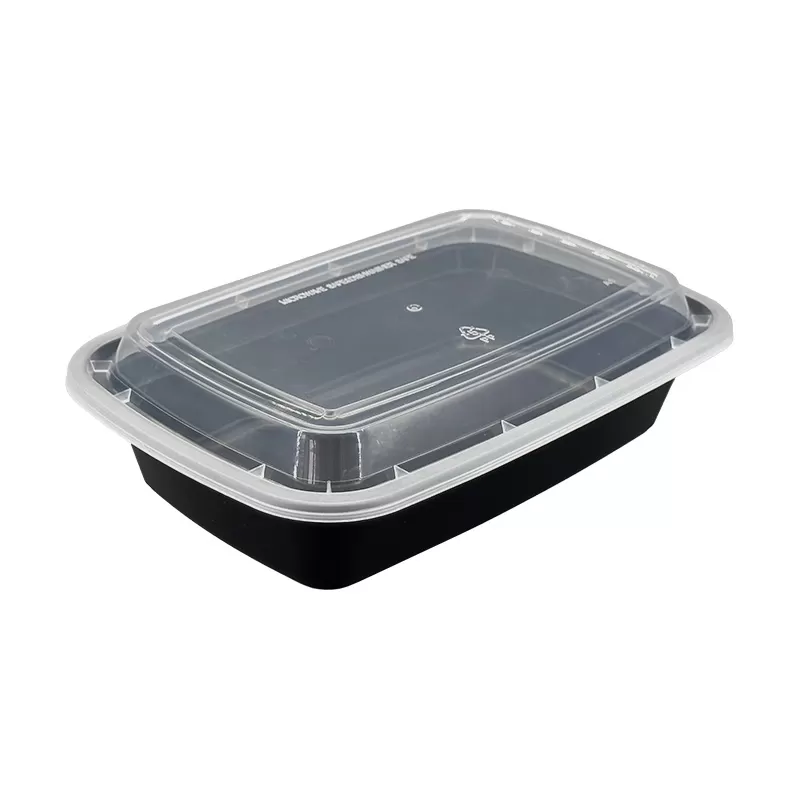
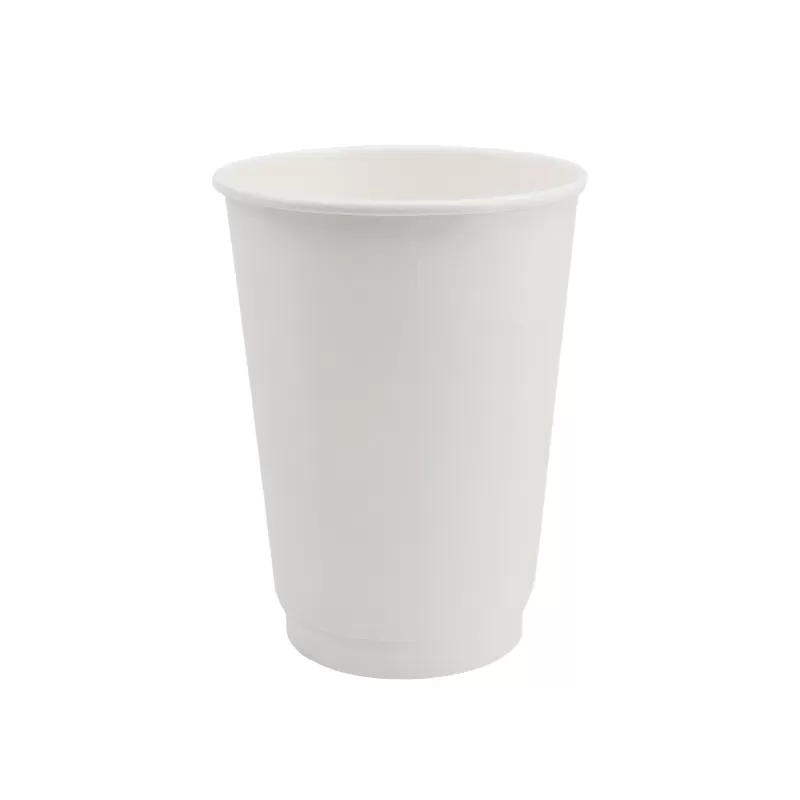
Disposable food packaging comes in a plethora of materials, each chosen for its unique properties. From disposable hot cups with lids to cling film wrap, the variety is extensive. Here are some commonly used materials:
Material | Examples | Properties |
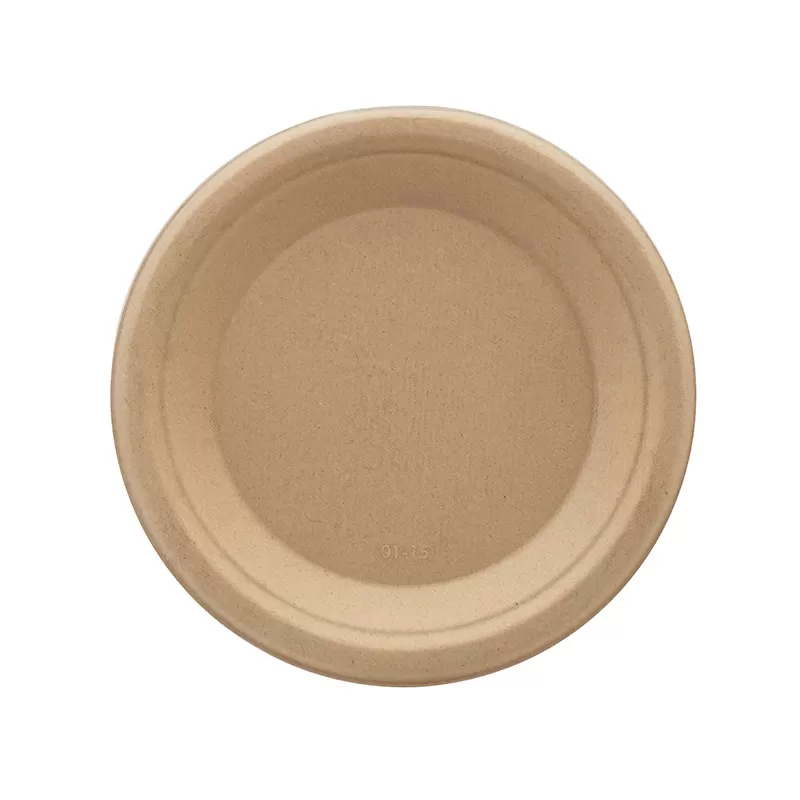
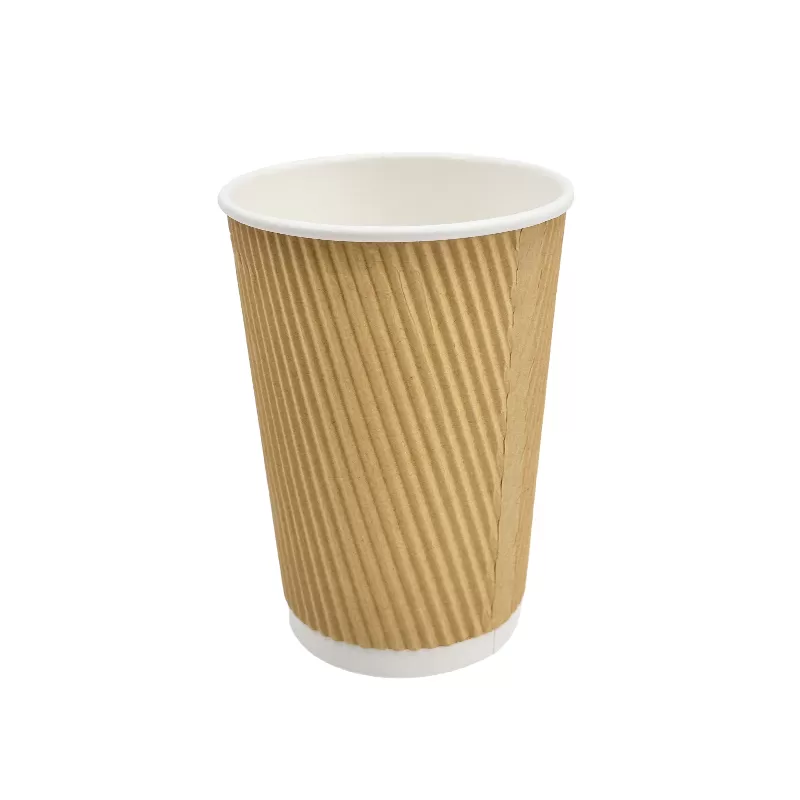
Paper | Hot cups with lids, paperbag | Biodegradable, recyclable |
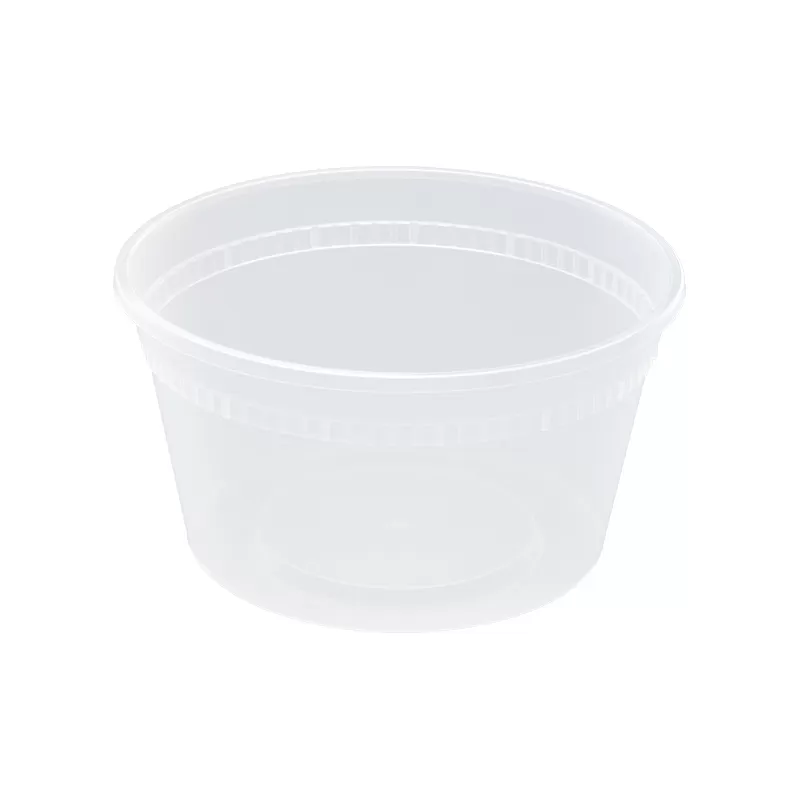
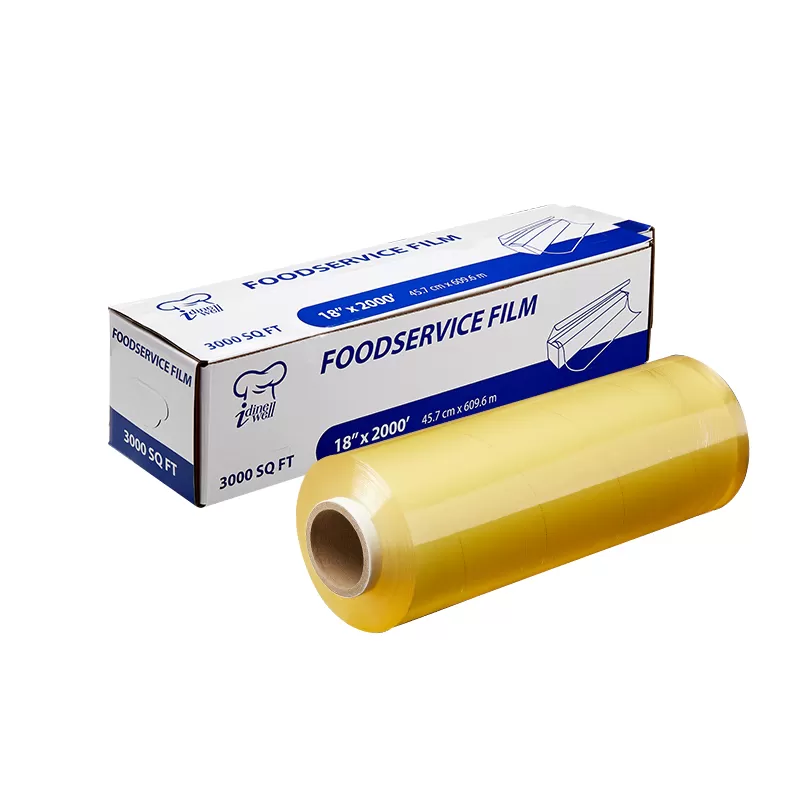
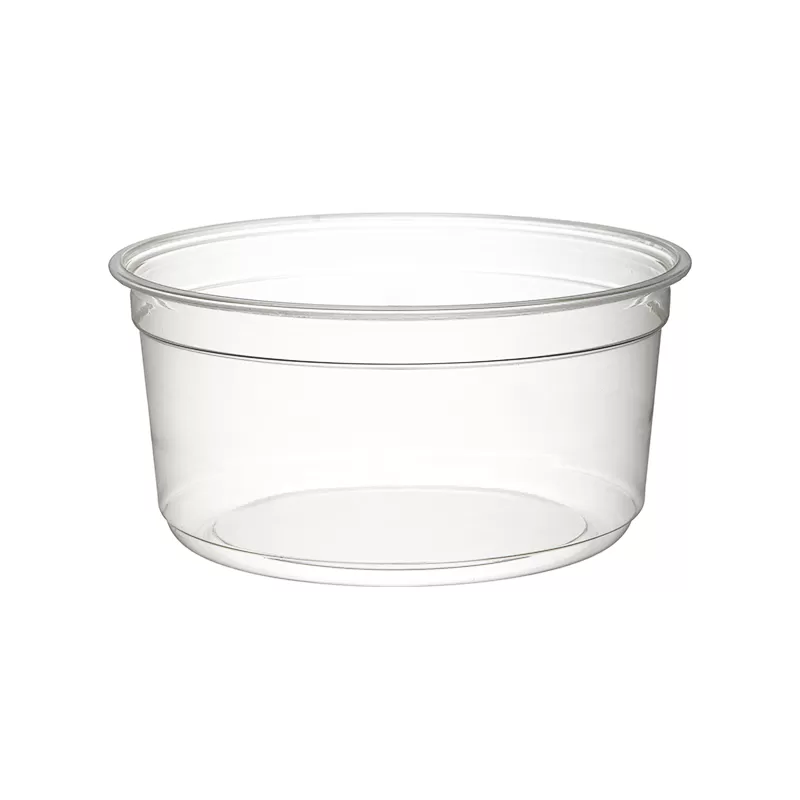
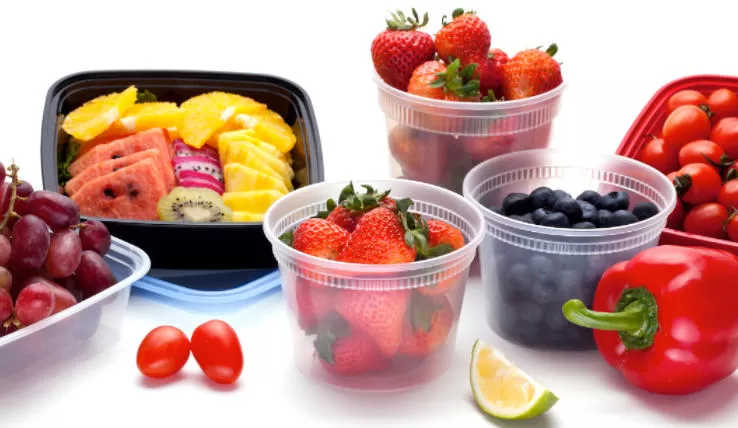
Plastic | Microwave safe plastic containers, plastic wrap heavy duty | Durable, versatile, sometimes recyclable |
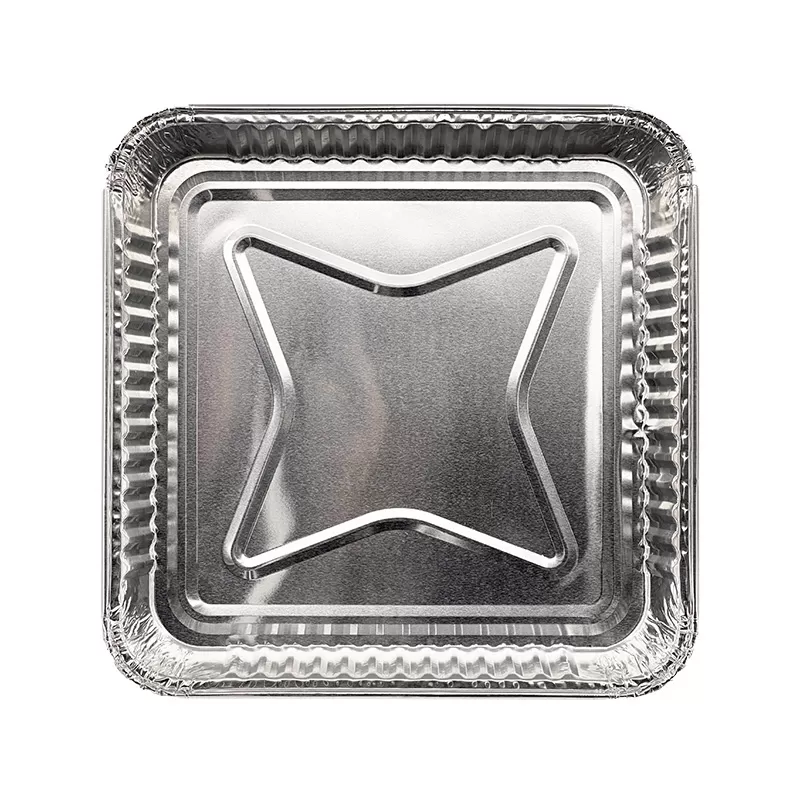
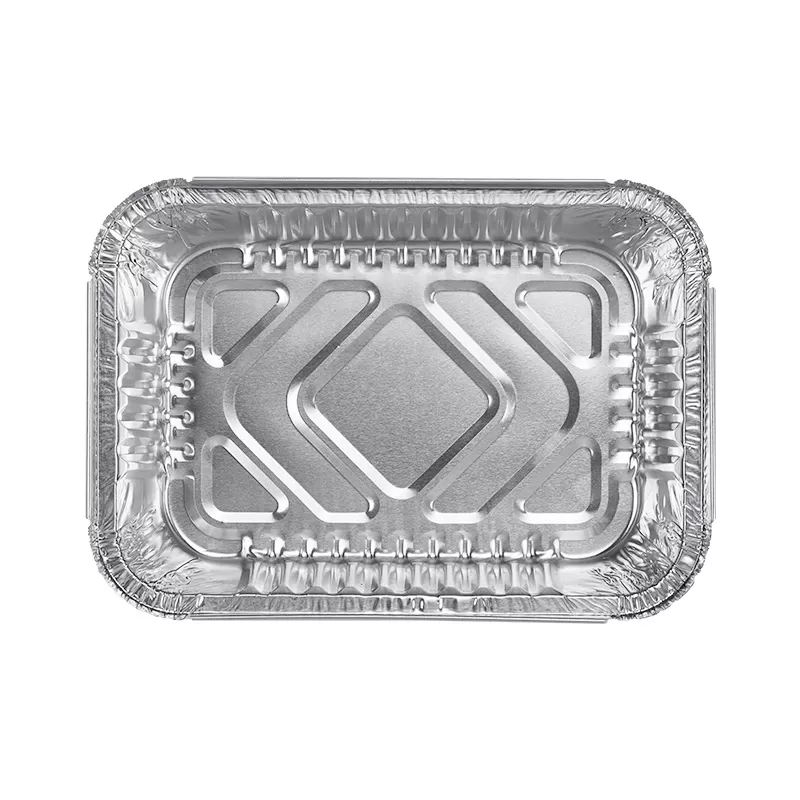
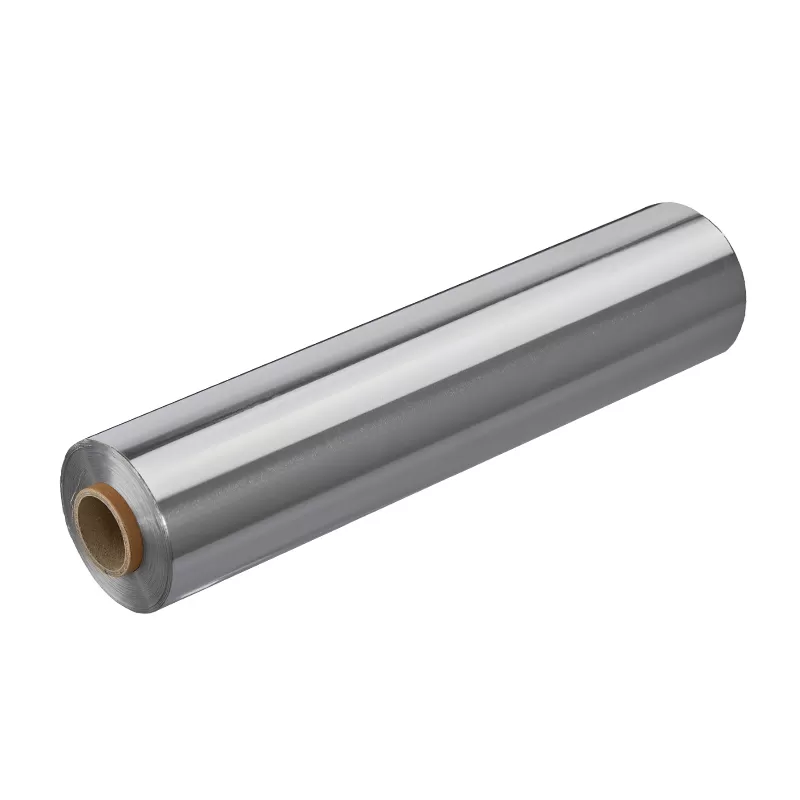
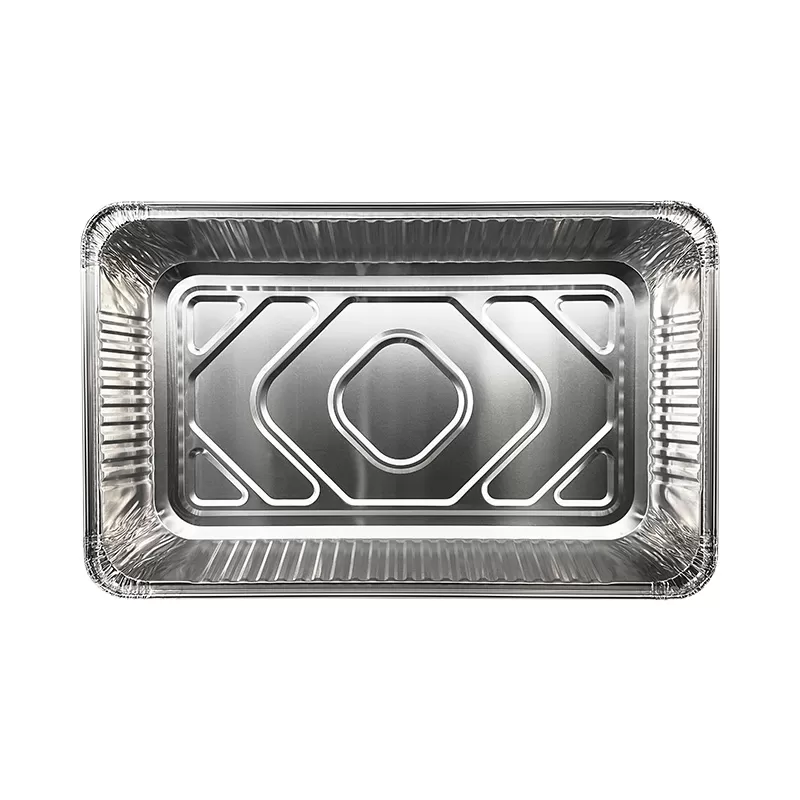
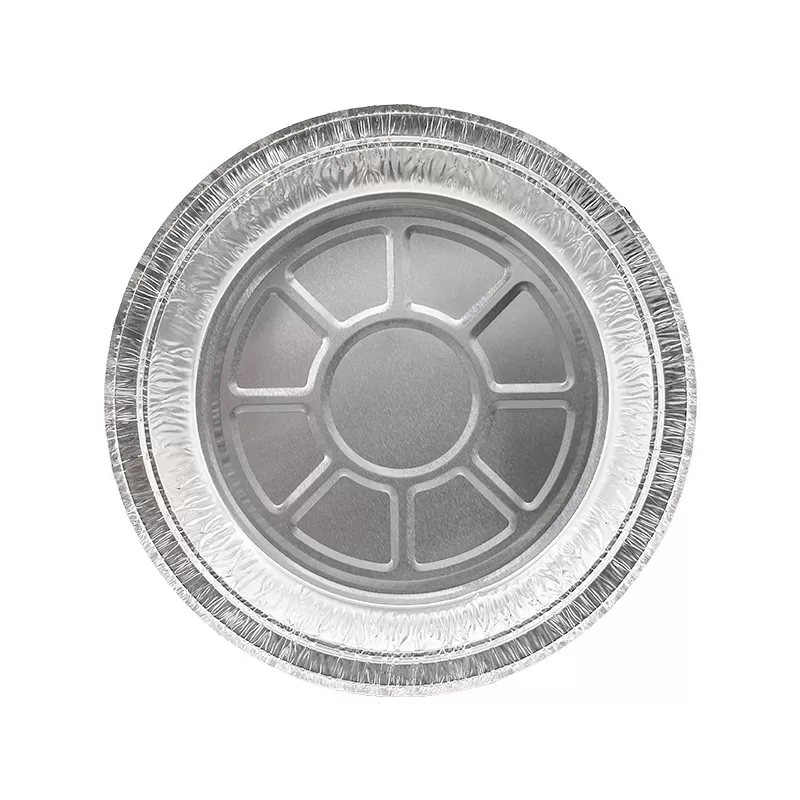
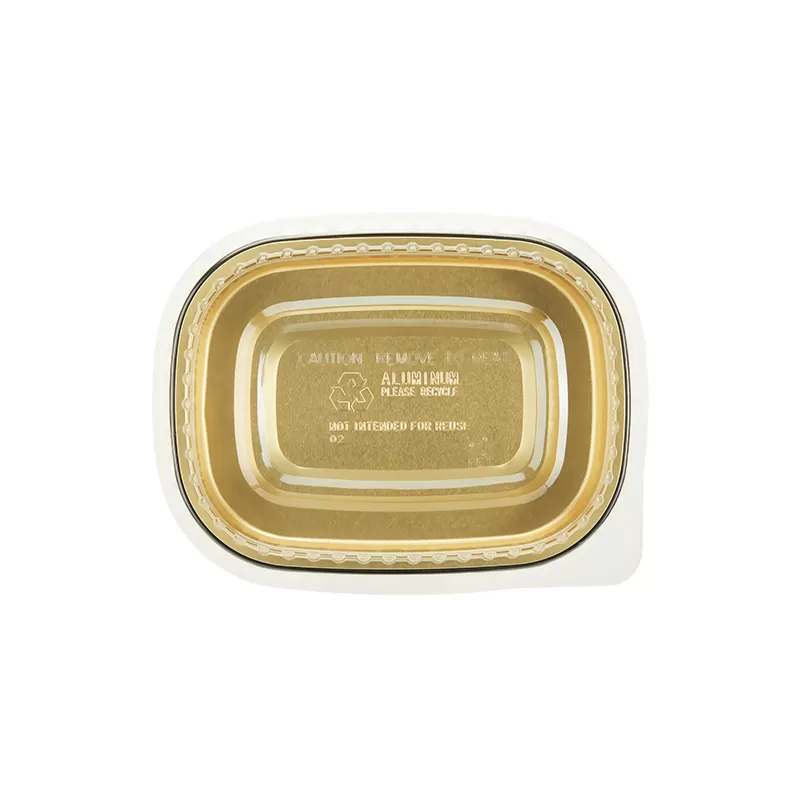
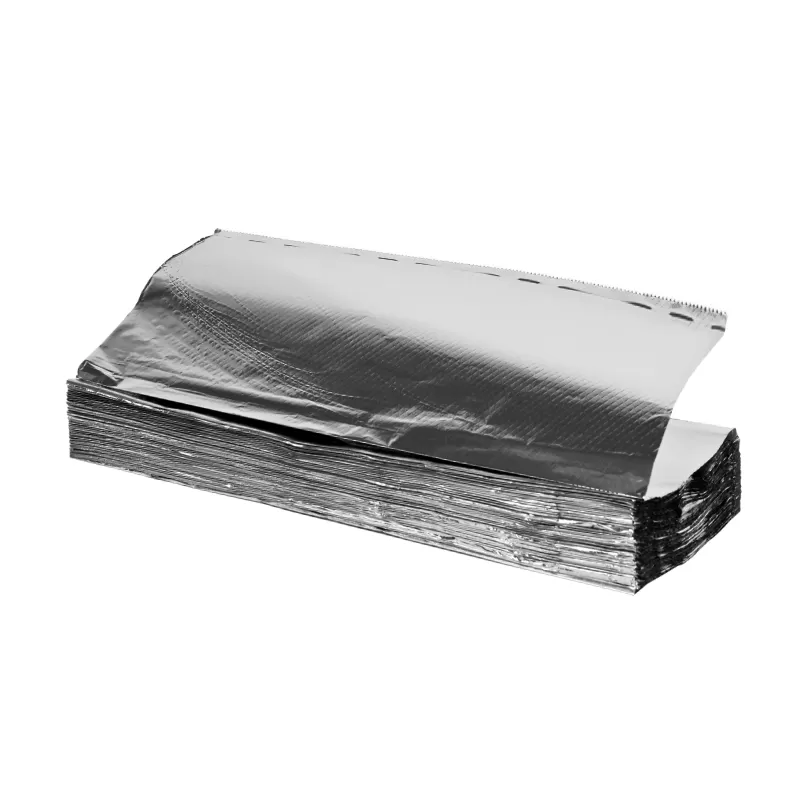
Aluminum | Aluminum foil roll, foil sheets for food | Heat resistant, recyclable |
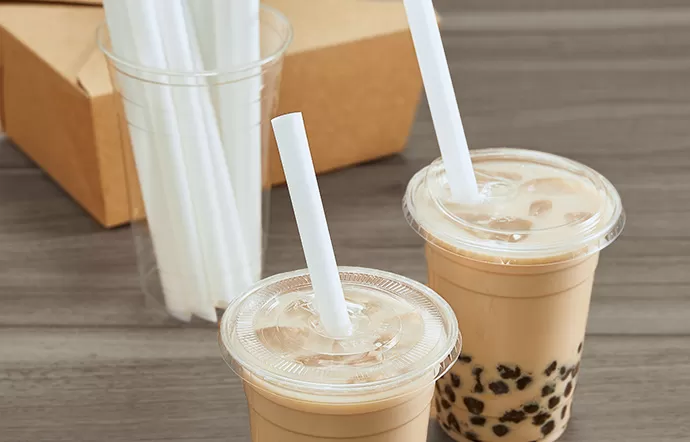
Each material has its own set of applications. For instance, bpa free plastic containers are often favored for their safety in food storage, while paper straws are celebrated for their eco-friendliness. The choice of material can significantly affect both the functionality and environmental impact of the packaging.
Benefits of Eco-Friendly Options
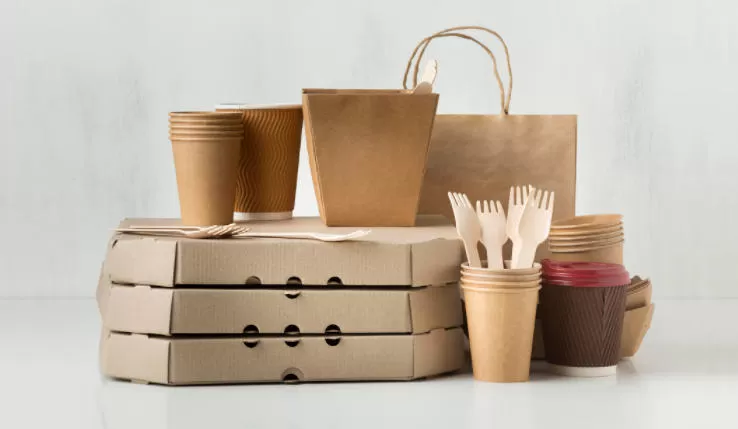
The shift towards eco friendly containers is more than a trend; it's a necessity. With the rapid depletion of natural resources, using sustainable materials such as compostable take out containers or reusable stretch wrap reduces waste and supports sustainability. Here are some benefits of opting for eco-friendly packaging:
Eco-Friendly Material | Benefits |
Compostable Plastics | Break down naturally, lower carbon footprint |
Recycled Paper | Reduces deforestation, saves energy |
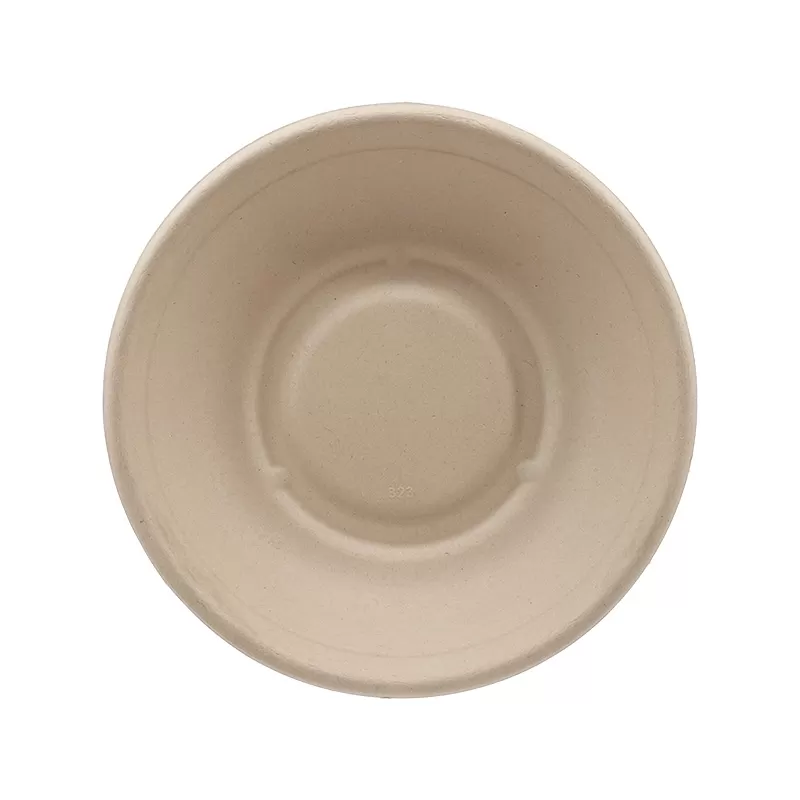
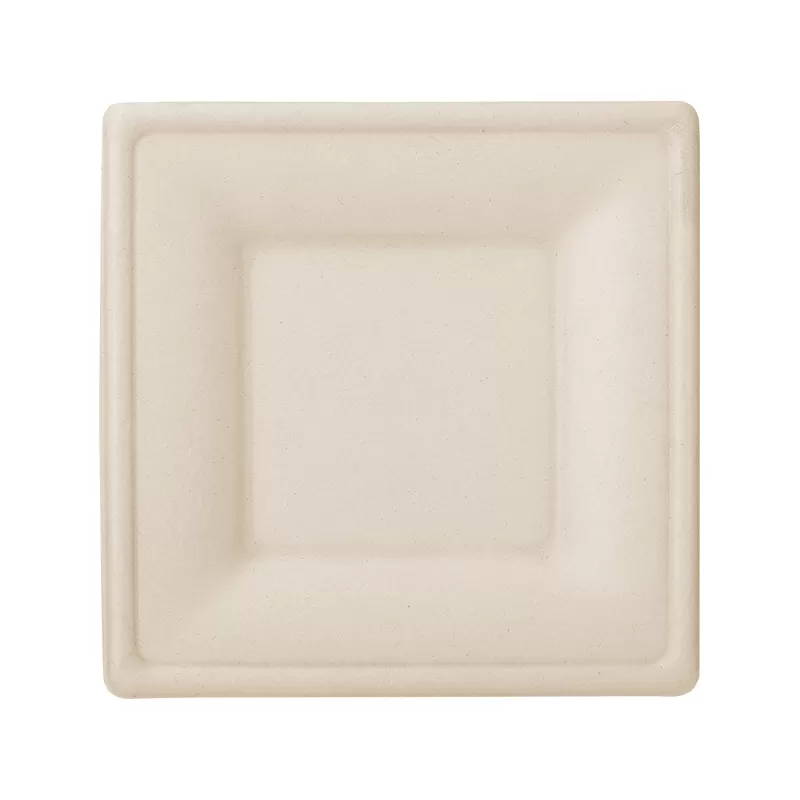
Plant-Based Materials | Renewable, non-toxic |
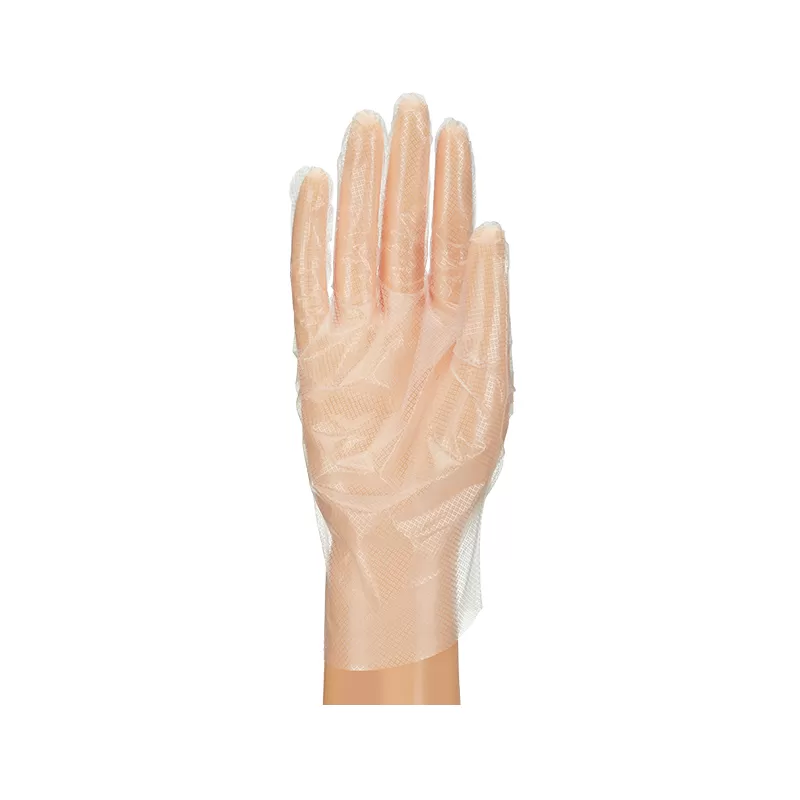
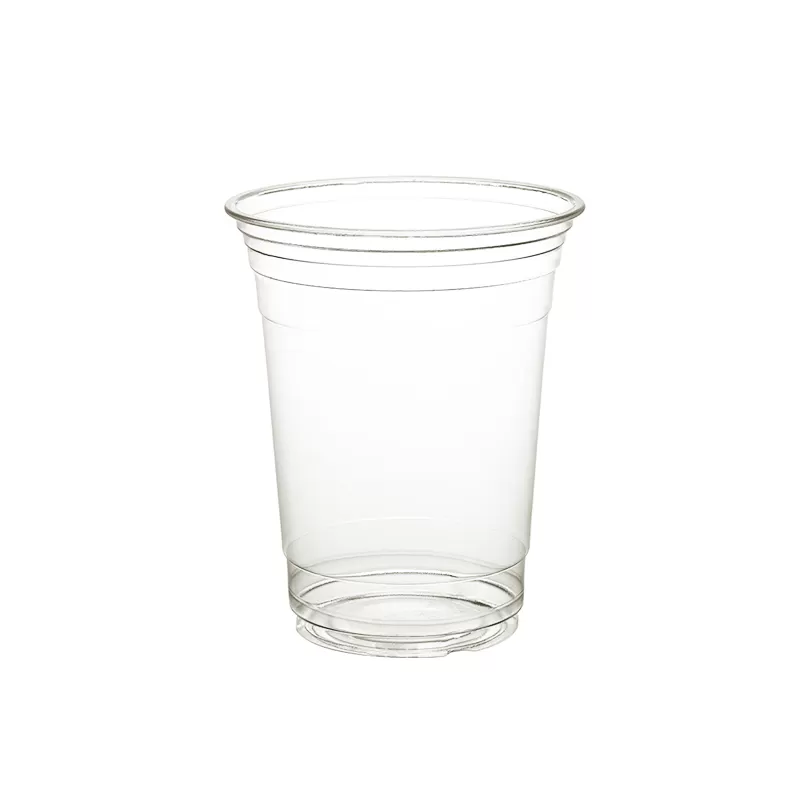
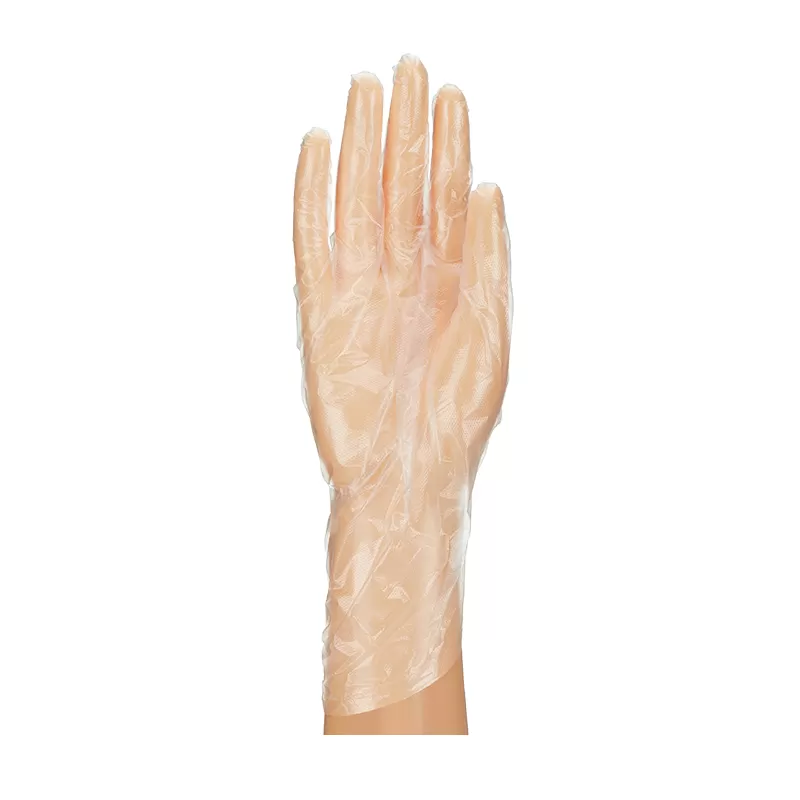
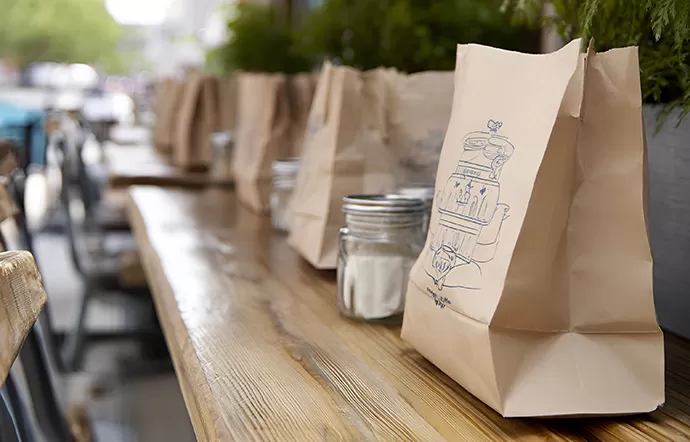
Brands that switch to materials like custom printed paper bags or compostable clear cups not only cater to environmentally-conscious consumers but also contribute positively to the planet. Opting for disposable gloves food safe created from biodegradable materials ensures minimal environmental impact while maintaining hygiene.
Common Uses in Food Service
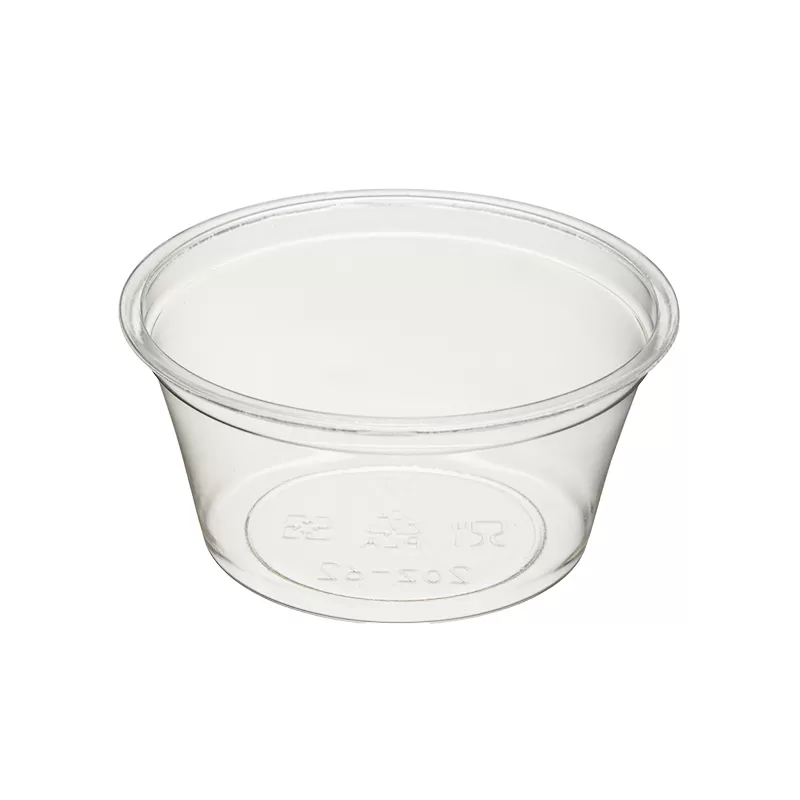
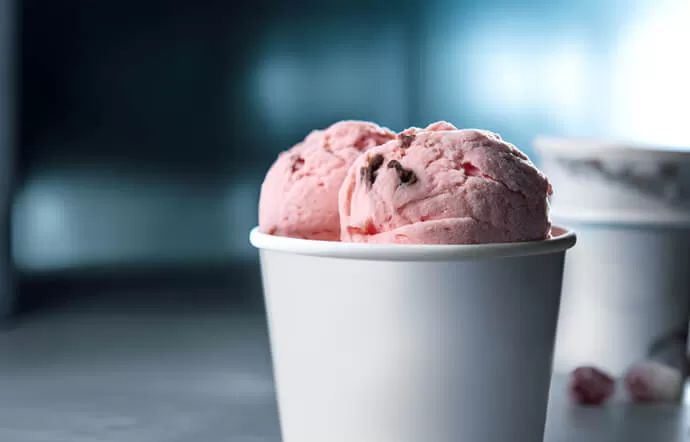
The food industry relies heavily on various disposable food packaging materials to meet its diverse needs. Whether it's serving ice cream cups bulk or packaging in plastic wrap cling, choosing the right packaging complements the product efficiently:
Food Item | Packaging Solution | Benefits |
Hot Beverages | Hot beverage cups, coffee sleeves | Insulation, spill prevention |
Cold Items | Cold Cups with lids, disposable iced coffee cups | Leak-proof, temperature retention |
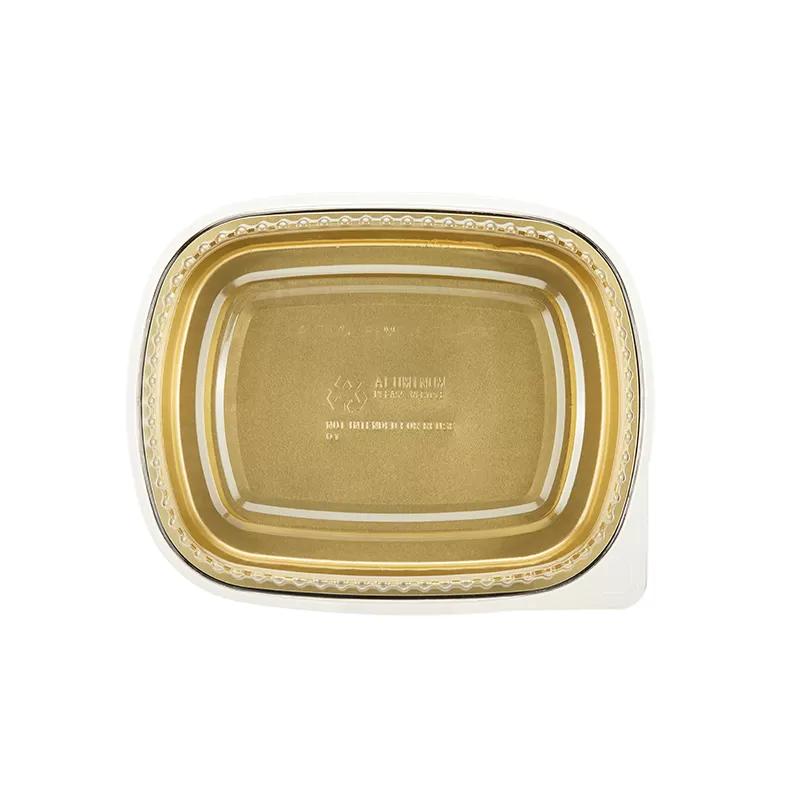
Prepared Foods | Foil baking pans, plastic bulk containers | Heat retention, durable |
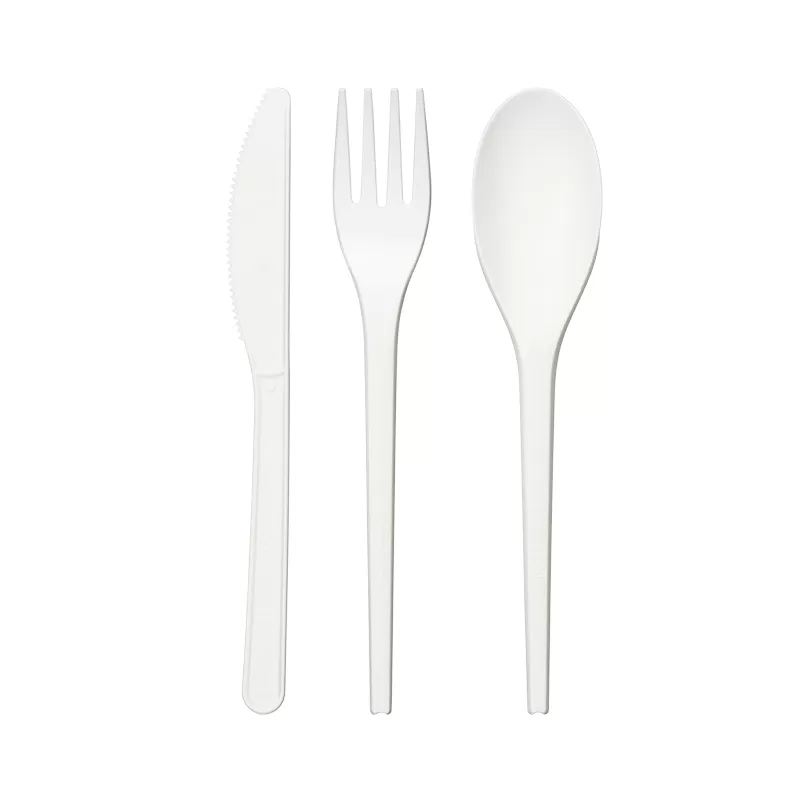
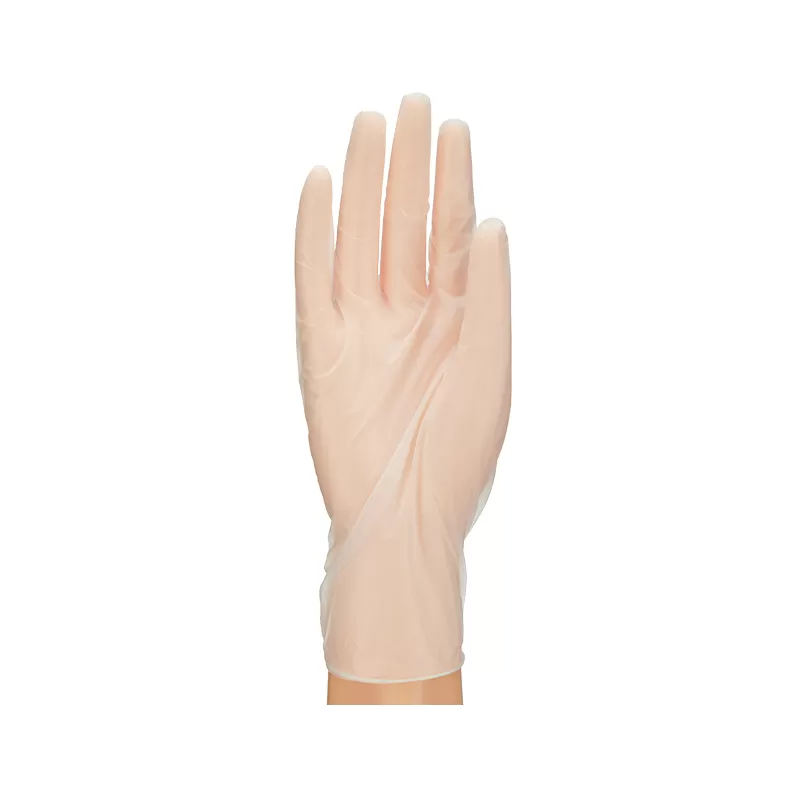
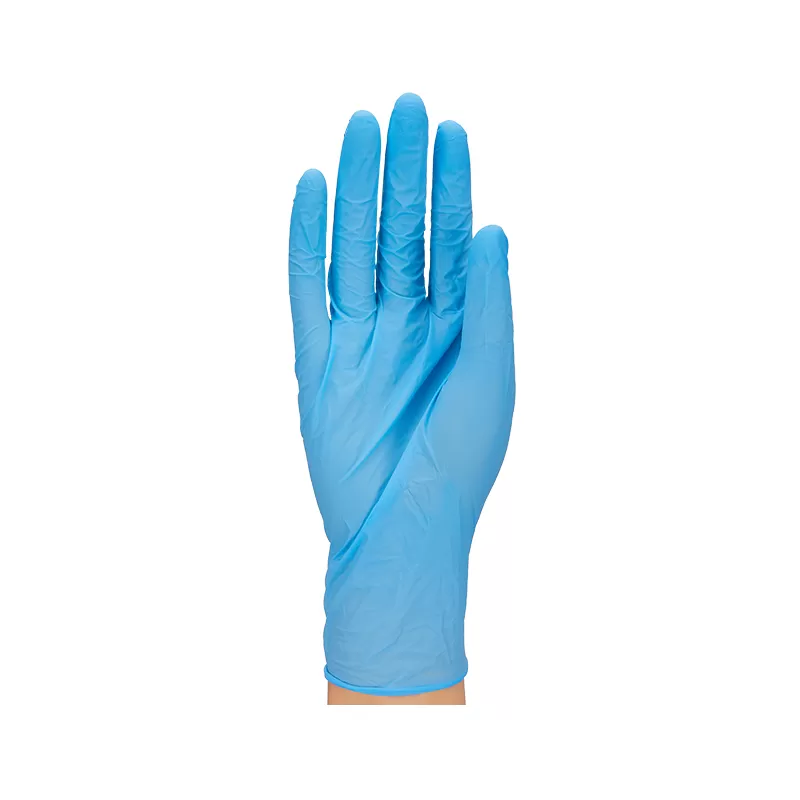
Efficiency in food service often boils down to the right packaging. Opting for disposable cutlery set or paper take out food containers ensures ease of use and convenience. Furthermore, disposable food service gloves are imperative in maintaining hygiene, especially in quick service restaurants.
Sustainability and Decomposition
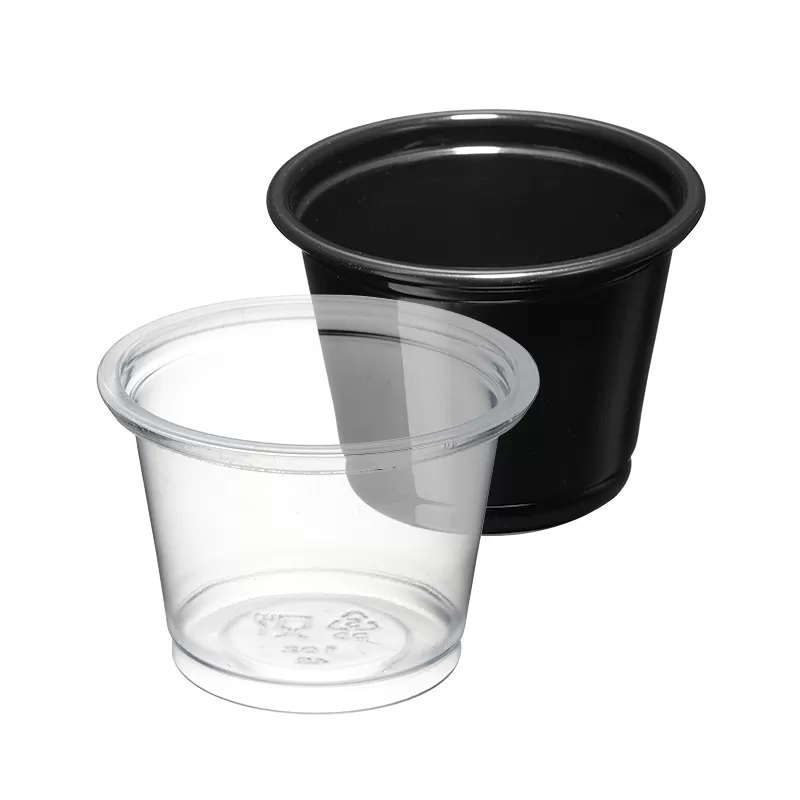
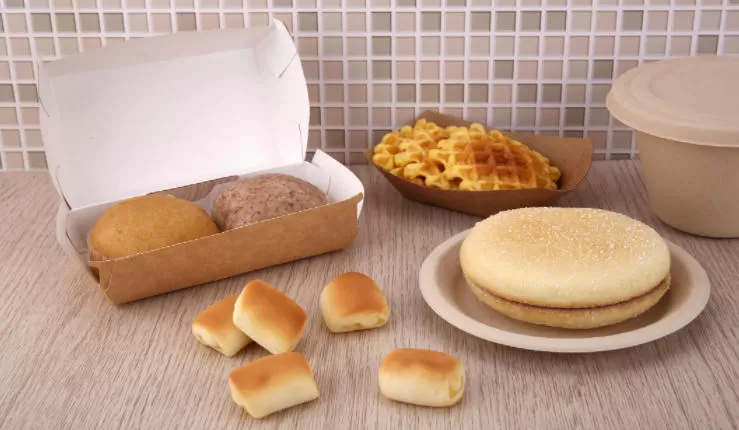
Sustainability is at the forefront of innovation in packaging, addressing the pressing concern of waste management. Material choices like aluminium to go containers or disposable plastic containers impact decomposition rates significantly. Here's how some materials fare:
Material | Decomposition Rate | Environmental Impact |
Paper | 2-6 weeks | Highly biodegradable, low impact |
Plastic | 50-500 years | Occupies landfill, non-biodegradable |
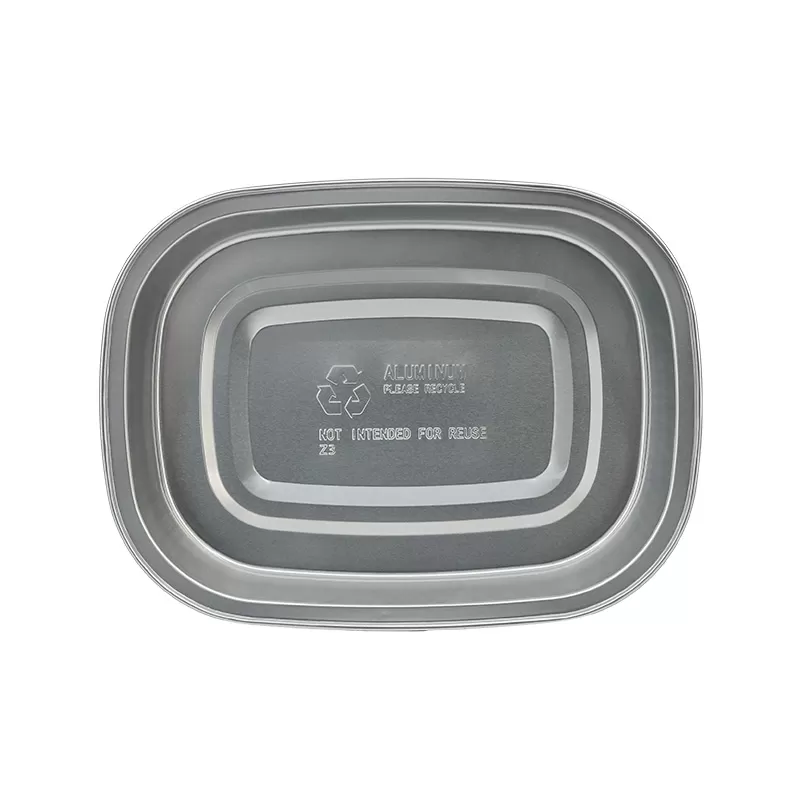
Aluminum | 200-500 years (if not recycled) | Recyclable, saves energy when recycled |
Consumers and businesses are encouraged to engage with recyclable products like.custom ice cream containers or reclosable bag options to minimize waste. Taking advantage of reusable cling wrap can drastically reduce the carbon emissions typically associated with manufacturing single-use plastics.
Tips for Proper Disposal
Proper disposal practices ensure that the benefits of choosing the right materials are fully realized. Here are some actionable tips:
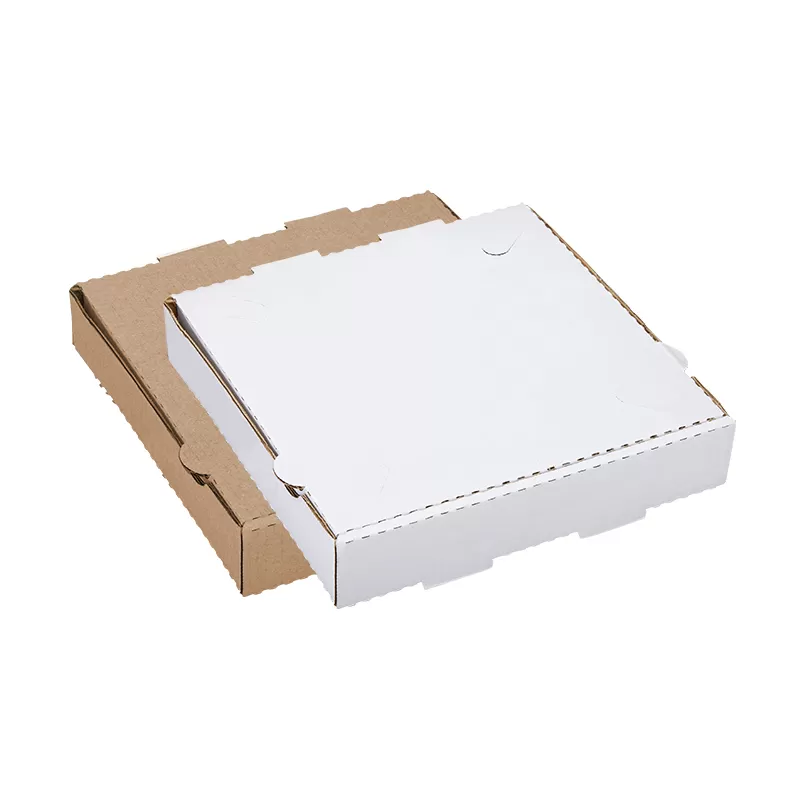
Segregate waste into recyclables, compostables, and non-recyclables. Use custom printed pizza boxes for recycling initiatives.
Opt for compostable plastic wrap where feasible, enhancing natural decomposition.
Encourage usage of eco friendly takeout containers to reduce landfill stress.
Participate in local recycling programs and utilize shopping bags bulk to aid in sorting and transporting recyclable packaging materials.
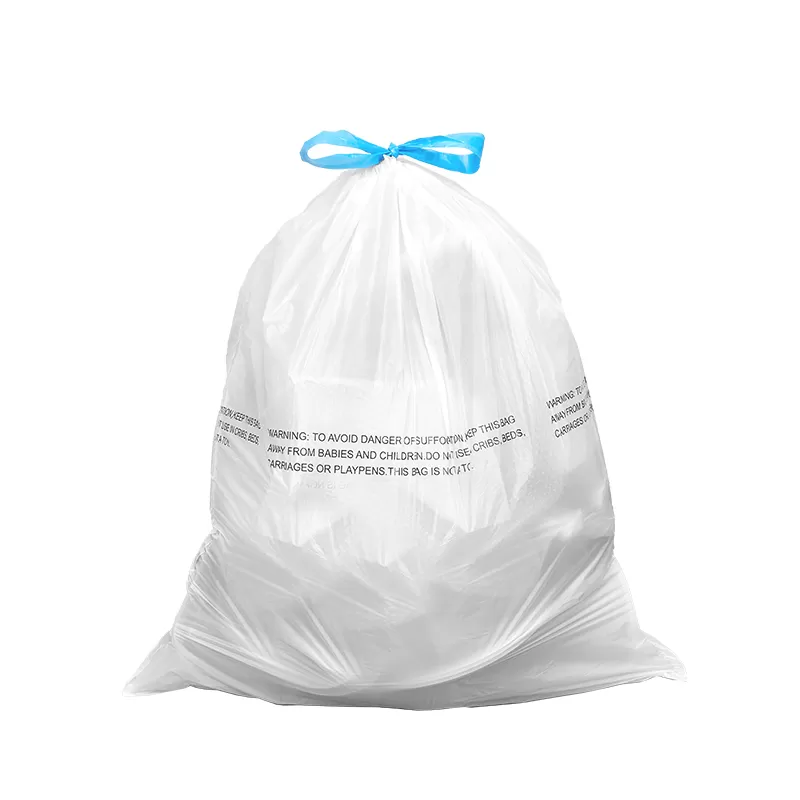
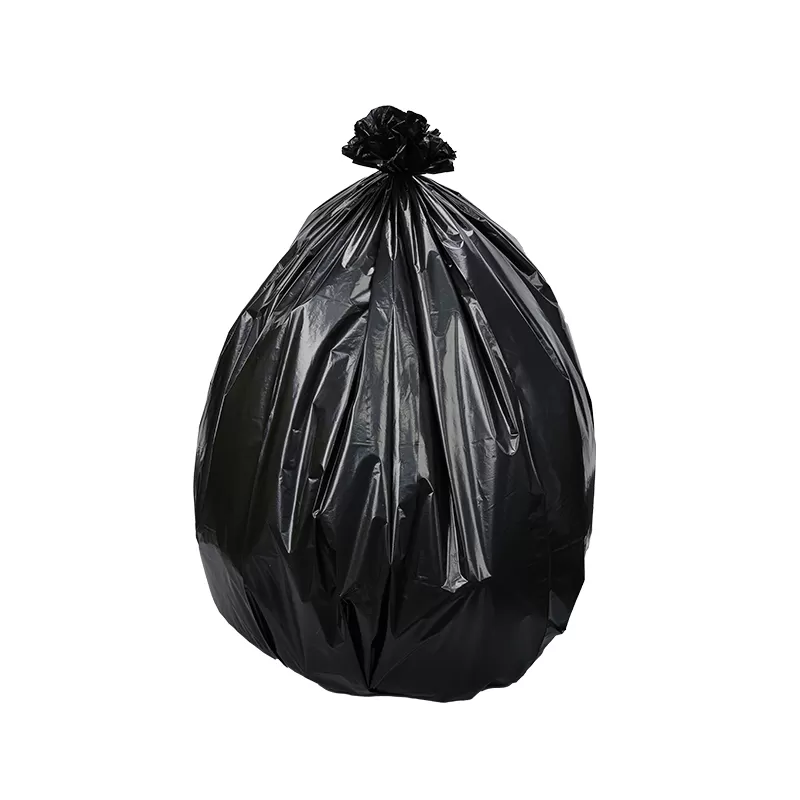
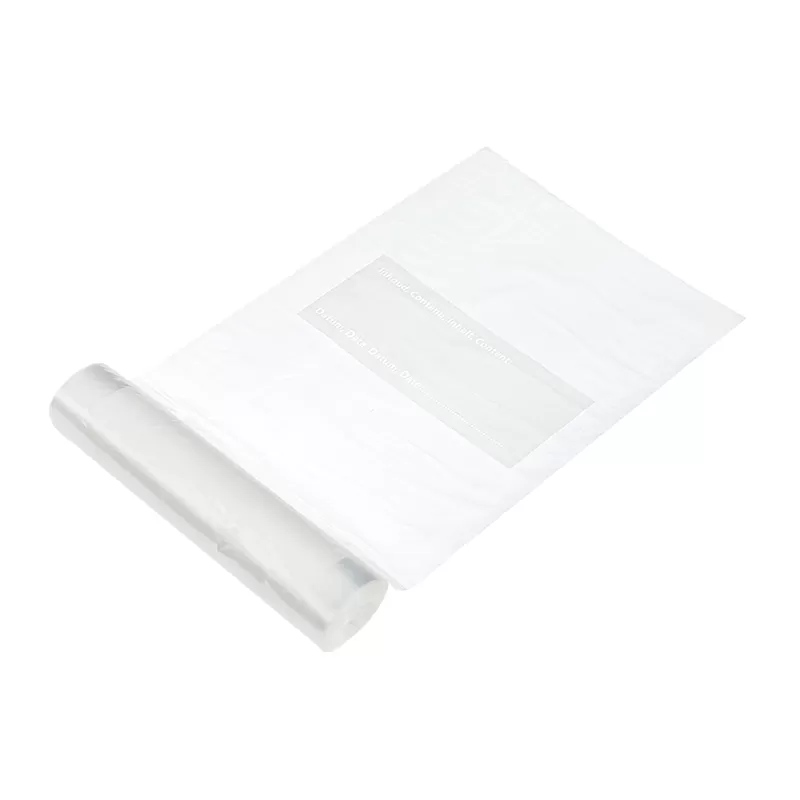
Being mindful of how we dispose of materials encourages a circular economy. Use garbage can liners made from sustainable materials to support better waste management strategies.
Conclusion
Understanding the different types of materials used in disposable food packaging and their impacts are essential for making informed consumer choices. From disposable hot cups to boba drinking straws, the selection of materials plays a critical role in sustainability efforts. By embracing eco-friendly options, businesses and consumers alike can contribute to a healthier environment while still enjoying the conveniences of modern life. It's essential to adopt proper disposal methods and respect the environment, ensuring that our choices today lead to a more sustainable tomorrow.
References:[Eco Watch](https://www.ecowatch.com/) - [Sustainable Packaging](https://sustainablepackaging.org/) - [Environmental Impact Assessments - EPA](https://www.epa.gov/environmental-topics)