For a foodservice buyer, BPI certification is useful because it gives a third-party basis for a compostability claim. A bpi certified straw is not simply a straw described as "green" or "biodegradable" by a seller; the certification indicates that the product has been evaluated under BPI's compostability program and meets applicable ASTM compostability standards.
Keystone Supply states that its PLA straws are made from BPI-certified compostable materials and are designed for cold beverages. BPI describes its certification program as third-party verification of ASTM standards for compostable products in North America. Buyers can review BPI's certification overview and searchable certified-product resources before approving a compostable packaging claim.
What Does BPI Certification Actually Verify?
BPI certification provides a structured, third-party process for products and packaging intended to be compostable. BPI currently distinguishes between Commercial Only certification and Commercial & Home certification. This matters because a product that is suitable for a commercial composting facility should not automatically be described as home-compostable.
For procurement teams, the practical takeaway is simple: ask for the certification status of the exact item, not just the resin or material. A supplier may sell several PLA products, and the presence of PLA alone does not prove that every finished item has the same certification status.
BPI also makes its certified-product directory available to the market. If a buyer is sourcing biodegradable straws wholesale, using a recognized certification directory is more reliable than relying on a broad environmental phrase in a product listing.
How Do Certified, Compostable and Biodegradable Claims Compare?
Claim seen in sourcing | What it tells the buyer | What still needs verification |
BPI-certified compostable | The product is covered by BPI's certification program and applicable compostability standards | Exact product/SKU, certification type and intended composting pathway |
Compostable | The seller is making an end-of-life claim | Which standard supports the claim and whether it is commercial or home compostable |
Biodegradable | A broad degradation claim | Conditions, timeframe, evidence and whether the term is appropriate for the product |
PLA material | Identifies the polymer family | Finished-product certification, temperature limits and disposal infrastructure |
This distinction is especially important when comparing a biodegradable straws supplier or reviewing claims from biodegradable straws manufacturers. The FTC's Green Guides warn businesses to qualify compostable claims when the appropriate facilities are not widely available and to avoid misleading environmental claims.
What Should Foodservice Buyers Verify Before Ordering PLA Straws?
Certification is one line on the checklist, not the entire checklist. Buyers should also confirm straw diameter, length, wrapper format, case pack and the beverage types for which the product is intended.
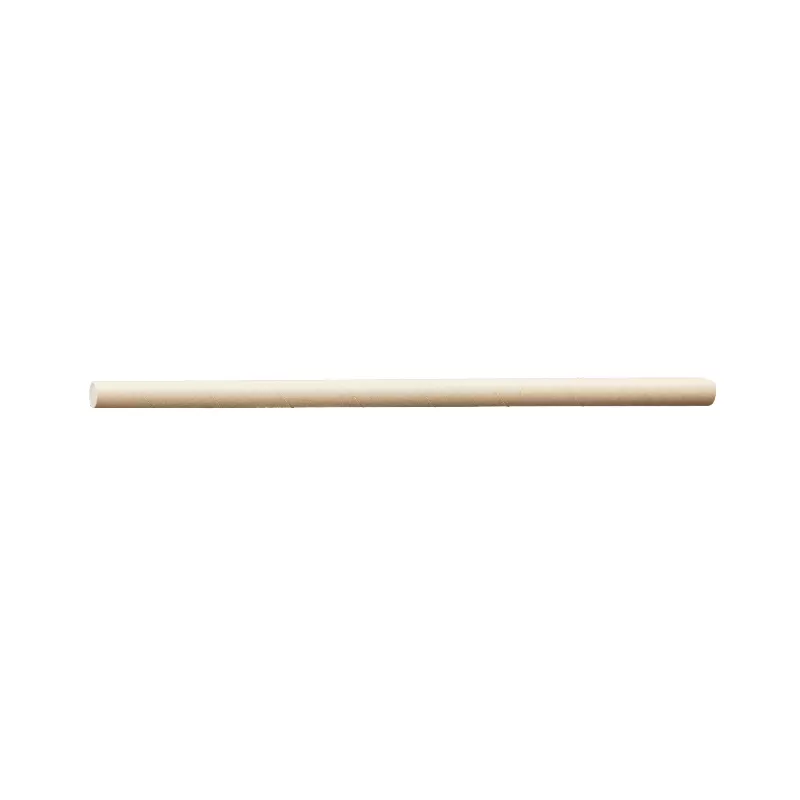
KSI's current PLA straw page lists several paper-wrapped formats, including jumbo, giant and colossal sizes in multiple lengths. The page positions these straws for cold beverages. A restaurant should therefore match the straw diameter to the drink and lid opening rather than ordering one straw for every beverage.
For buyers comparing pla straw manufacturers, the most useful request is an item-level specification package: product dimensions, case pack, foodservice use, current certification evidence and any storage or temperature guidance. If a company is buying for many locations, it can then create an approved SKU list and prevent individual stores from substituting a visually similar but unverified product.
End-of-life communication should also match local infrastructure. BPI certification indicates compostability under the applicable program, but it does not mean every municipality accepts compostable foodservice items. Foodservice operators should check the local organics collection program before telling customers to place a straw in a compost bin.
Keystone Supply's PLA straw range provides the product-level starting point. Businesses that need help choosing sizes and case quantities can contact Keystone Supply with beverage formats and expected volumes.
Conclusion
A bpi certified straw gives buyers a more defensible compostability basis than an unverified environmental claim, but certification should be reviewed together with product size, beverage use, case quantity and local composting access. The most reliable purchasing process verifies the exact item and uses precise terms such as "compostable" rather than assuming that every PLA or "biodegradable" product has the same end-of-life pathway.
FAQs
Is a PLA straw automatically BPI-certified?
No. PLA identifies a material, while BPI certification applies to products that have gone through BPI's certification program. Verify the exact finished item or SKU.
Does BPI certification mean a straw can go into home compost?
Not necessarily. BPI distinguishes Commercial Only from Commercial & Home certification. Check the certification type for the exact product.
Is "biodegradable" the same as "compostable"?
No. BPI recommends using "compostable" for BPI-certified products, and the FTC advises marketers to make environmental claims specific and substantiated.
What else should I compare when sourcing PLA straws?
Compare diameter, length, wrapper format, case pack, beverage compatibility, certification status and the local composting pathway available to customers.
Authoritative references: Biodegradable Products Institute - Compostability Certification; BPI - Certified Compostable; U.S. FTC - Environmental Claims: Summary of the Green Guides.