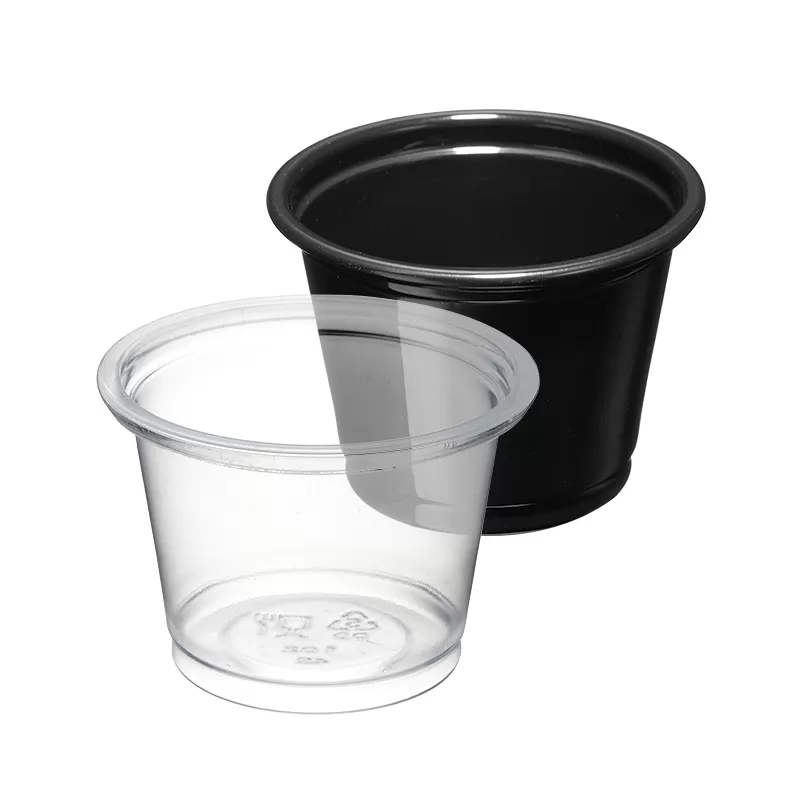
For delis, cafes, grocery prepared-food departments and meal-prep businesses, choosing container sizes is easier when capacity labels and lid compatibility are considered together. PLA deli containers are usually listed in ounces, while buyers may also think in pints or quarts. Understanding these labels helps reduce mismatched sizes and lids.
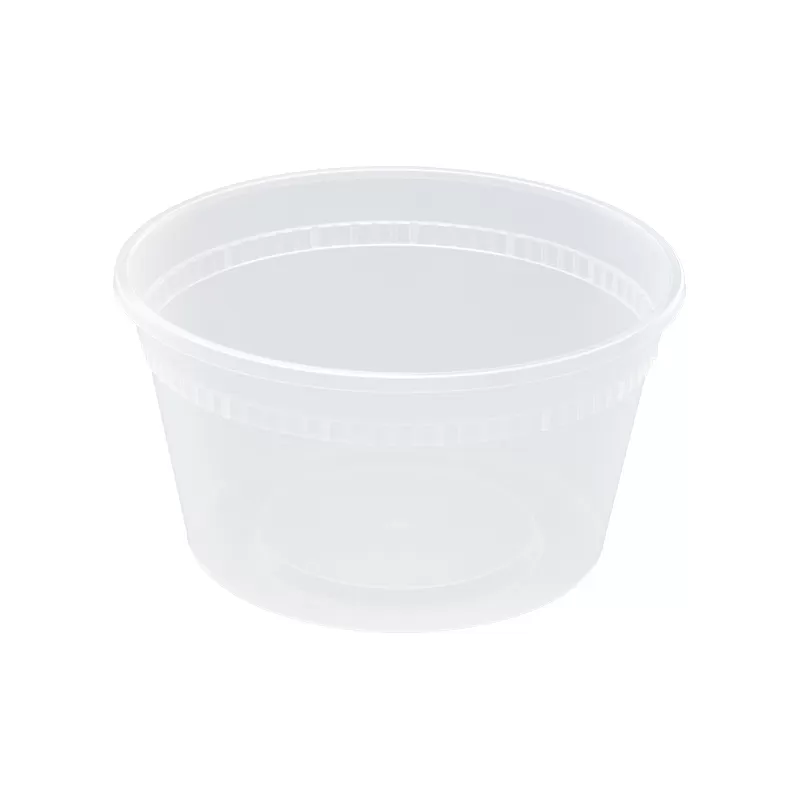
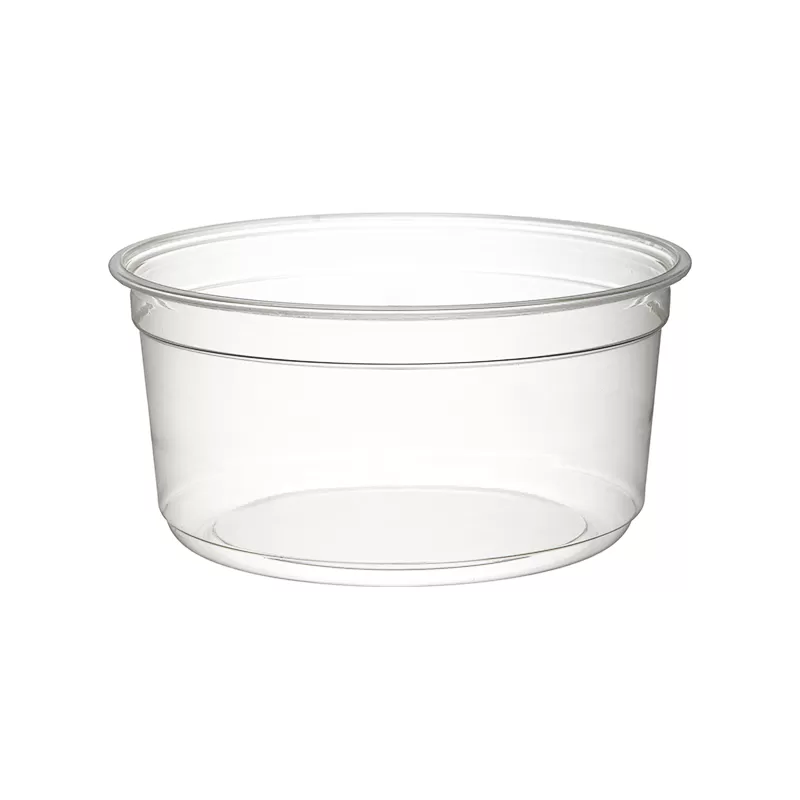
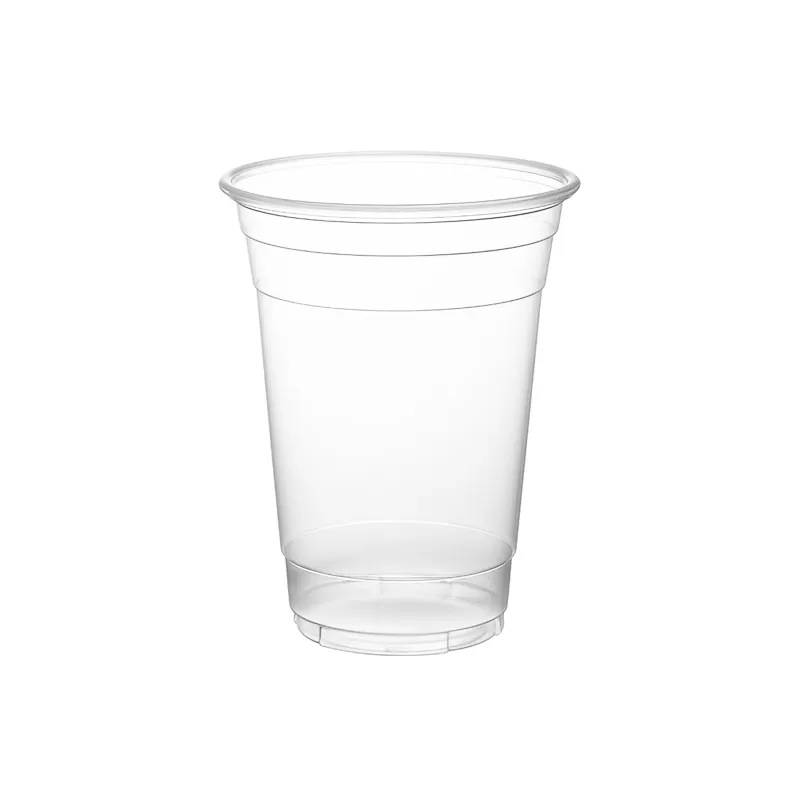
Keystone Supply currently lists PLA deli containers in 8 oz, 12 oz, 16 oz, 24 oz and 32 oz capacities. All five have a 4.61-inch rim diameter and use one compatible PLA lid. KSI also offers PP deli container options in the same capacities, with a separate LDPE lid for the polypropylene range.
Fluid Ounces, Pints, and Quarts in Deli Container Labels
Deli container labels describe nominal capacity, not the weight of the food inside. For U.S. foodservice packaging, the most useful conversions are:
l 8 fl oz = 1/2 pint
l 16 fl oz = 1 pint
l 32 fl oz = 1 quart
Capacity describes volume rather than food weight. A 16 oz container does not necessarily hold 16 ounces by weight because salads, fruit, sauces, and other prepared foods have different densities. NIST measurement equivalencies are useful for unit conversion, but actual portions still need to be tested with the food being packed.
Comparing Common Deli Container Capacities
KSI's current PLA and polypropylene deli containers cover several common foodservice capacities. The table translates the nominal ounce labels into familiar pint and quart terms.
Container label | Common U.S. volume relationship | KSI PLA range | KSI PP range |
8 oz | 1/2 pint | Available | Available |
12 oz | 3/4 pint | Available | Available |
16 oz | 1 pint | Available | Available |
24 oz | 1 1/2 pints / 3/4 quart | Available | Available |
32 oz | 1 quart | Available | Available |
These conversions are capacity references, not serving recommendations. Actual suitability depends on ingredient shape, density and required headspace.
Fill Volume, Headspace, and Food Portion Size
Nominal capacity should be treated as a starting point rather than a target fill line. Leafy salads, toppings, cut fruit and sauced foods may need extra headspace so the lid can close without pressing on the food or trapping ingredients in the rim.
A compact pasta salad can use the same volume differently from loose greens. Adequate headspace can also reduce pressure on the lid during stacking or transport. Buyers should test actual portions under normal service conditions.
Rim Diameter and Matching Lid Series
Capacity alone does not determine lid compatibility. Rim diameter and the manufacturer's matching lid series are equally important. KSI's 8 oz through 32 oz PLA deli containers all list a 4.61-inch diameter and use the same PLA lid, allowing several capacities to share one lid family.
KSI's 8 oz through 32 oz PP deli container range also lists a 4.61-inch diameter, but it uses a separate LDPE lid. The same stated diameter does not guarantee that lids are interchangeable because rim profiles and locking features can differ. Buyers should confirm the approved lid SKU for each container series before ordering.
Using several sizes within one compatible lid family can reduce back-of-house inventory and simplify replenishment.
Selecting Sizes for Salads, Sides, and Prepared Foods
Size selection should begin with the food rather than a generic portion chart. KSI's range allows buyers to test several capacities within the same overall container family:
l 8 oz and 12 oz: evaluate for sides, fruit, toppings, or compact prepared foods.
l 16 oz: useful to test for individual portions that need moderate headspace.
l 24 oz: provides more room for larger salads or layered prepared foods.
l 32 oz: suited to higher-volume portions where extra capacity is needed.
The final choice should still reflect fill height, lid closure, display needs, and transport conditions. For cold-food programs comparing PLA containers, testing two adjacent sizes can show whether one compresses the food or the other creates unnecessary empty space. If heat tolerance matters, polypropylene deli containers should be evaluated separately from PLA.
Conclusion
A practical deli-container program connects capacity labels, usable fill volume and lid compatibility. PLA deli containers may be described in ounces, pints or quarts, but nominal size should always be checked against the actual food and required headspace. KSI's 8 oz to 32 oz PLA range shares one 4.61-inch lid family, while its polypropylene range uses a separate compatible lid. Comparing size and lid specifications together can simplify inventory and improve consistency during packing, storage and takeout service.
FAQs About PLA Deli Containers and Sizing
How many ounces are in a pint-size deli container?
A U.S. liquid pint equals 16 fluid ounces, so a 16 oz deli container corresponds to a nominal one-pint capacity.
How many ounces are in a quart-size deli container?
A U.S. liquid quart equals 32 fluid ounces, so a 32 oz deli container is commonly described as quart size.
Do all KSI PLA deli container sizes use the same lid?
KSI currently lists its 8 oz, 12 oz, 16 oz, 24 oz and 32 oz PLA deli containers with the same 4.61-inch compatible PLA lid.
Can PP and PLA deli containers use the same lid because they have the same diameter?
Buyers should not assume this. KSI lists a PLA lid for its PLA range and a separate LDPE lid for its PP range. Confirm the matching lid SKU before ordering.
Authoritative reference: NIST - Metric Kitchen: Cooking Measurement Equivalencies.