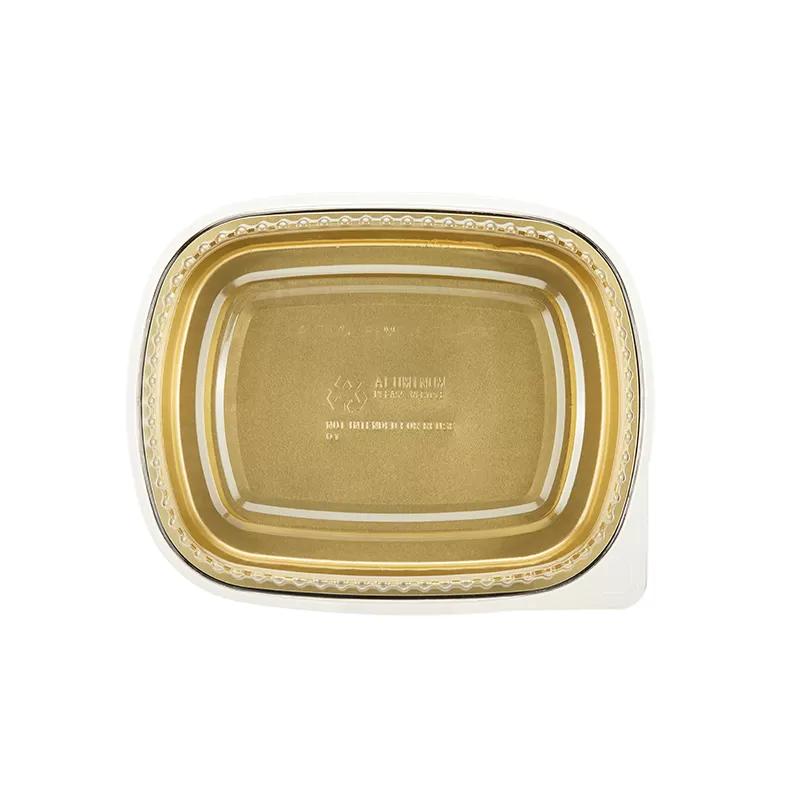
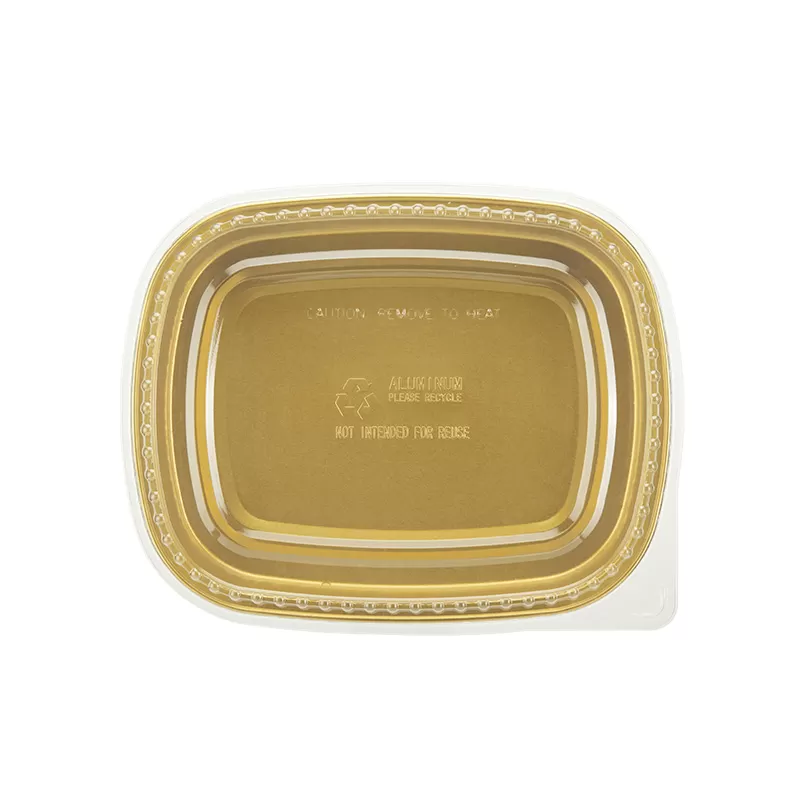
For catering teams, large-volume meal service is a timing challenge as much as a cooking challenge. Food must be prepared in batches, moved safely, held in an organized line, served quickly, and sometimes transported to another location before the first guest arrives. In this workflow, aluminum steam table pans are not just disposable containers. They are part of the operating system behind a smooth event.
Aluminum Take Out Containers and steam table pans help foodservice teams manage multiple menu items without overcomplicating preparation, holding, transport, or cleanup. Unlike beverage cups or cutlery, aluminum packaging plays a direct role in how food moves through the kitchen and service line.
For businesses that need aluminum pans, foil products, and related foodservice packaging, Keystone Supply supports U.S. foodservice operators with a broad disposable product range for catering, baking, takeout, and daily kitchen operations.
What Are Aluminum Steam Table Pans Used For in Catering?
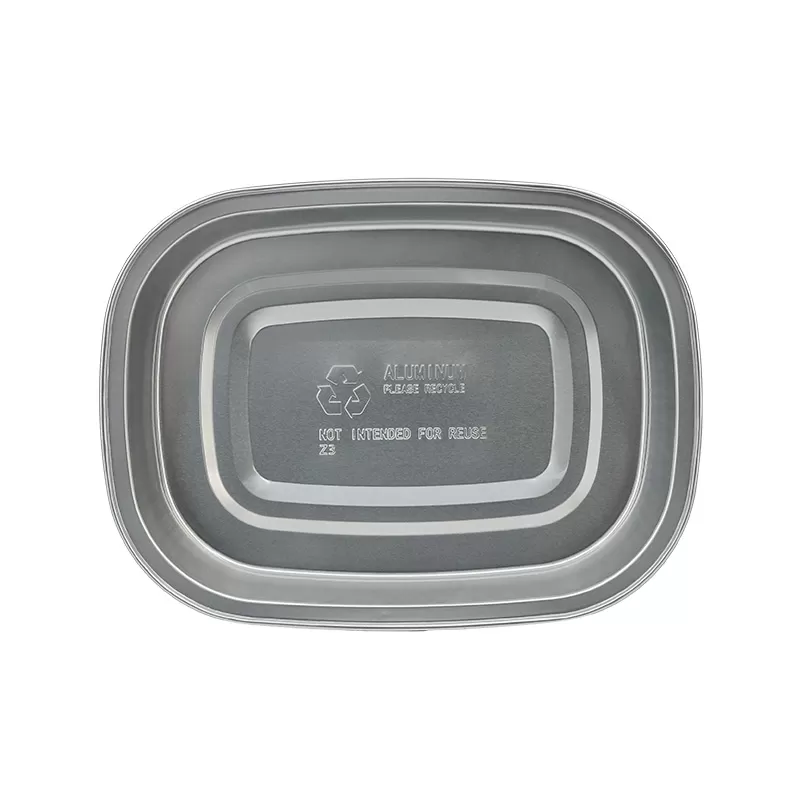
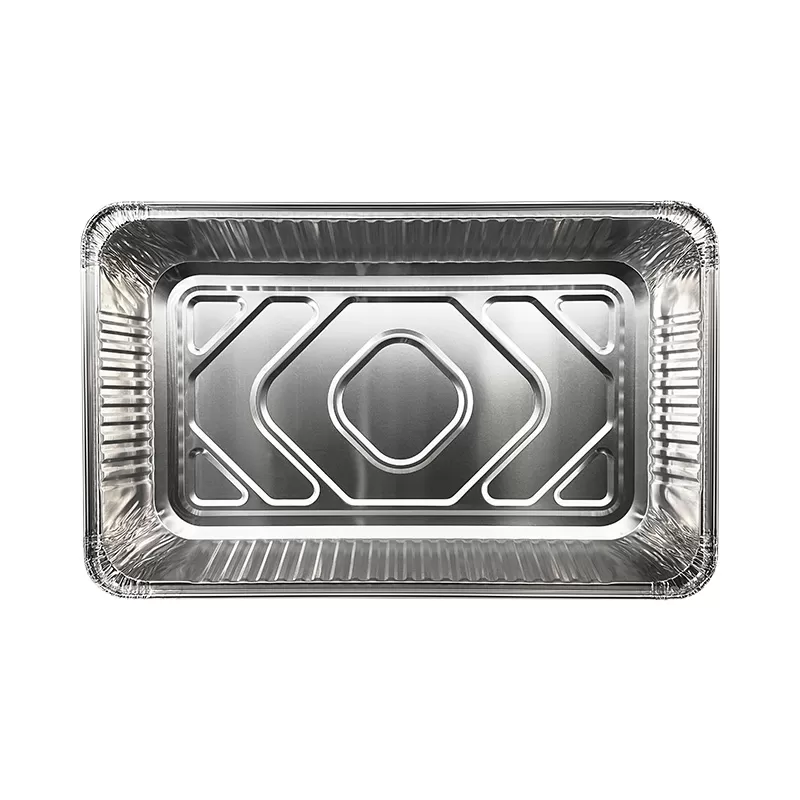
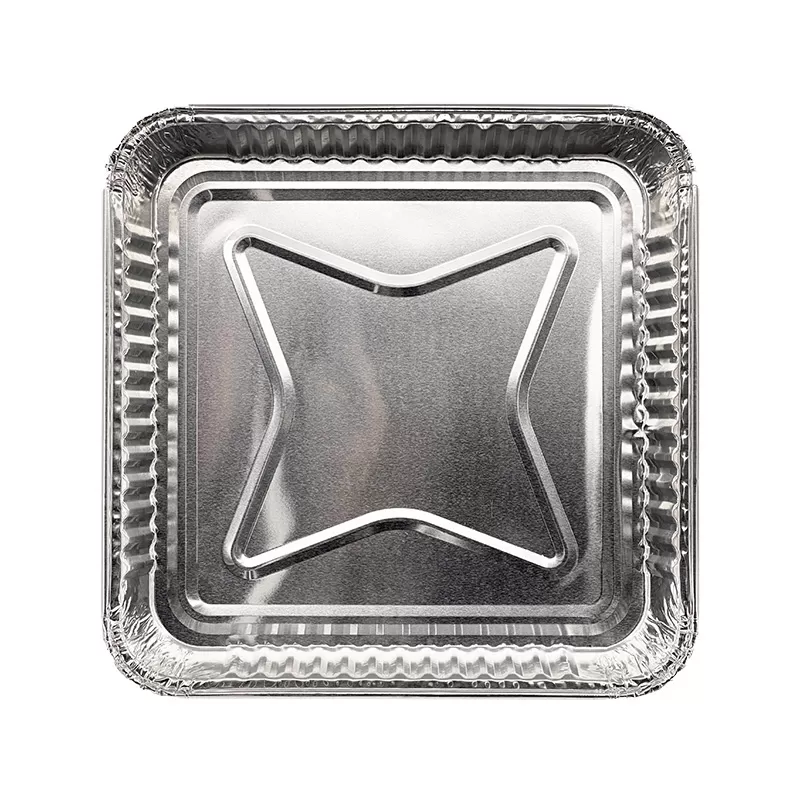
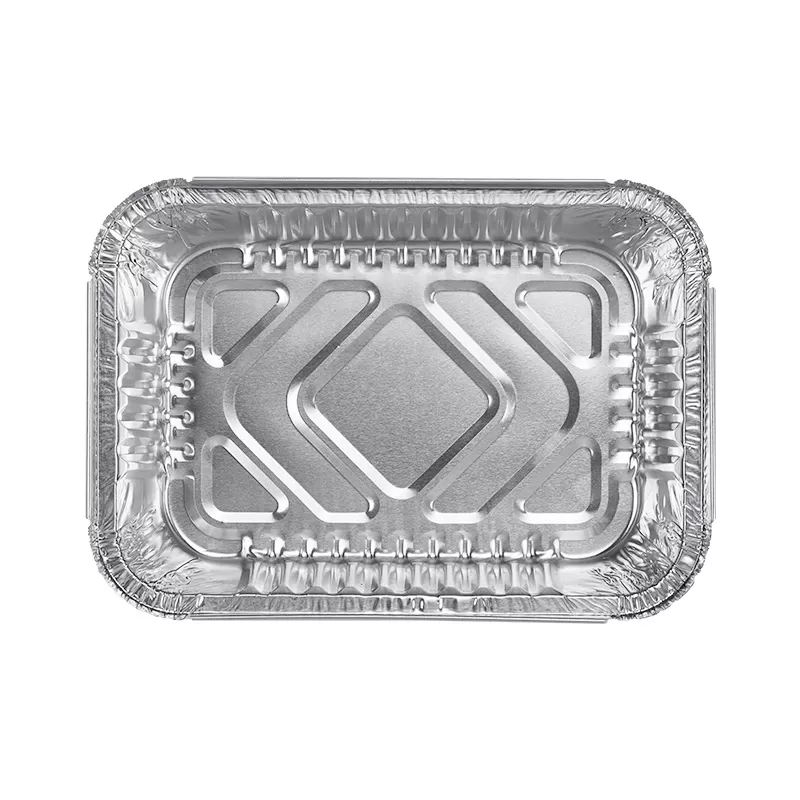
Aluminum steam table pans are disposable foodservice pans used to hold, transport, organize, and serve large batches of prepared food in catering lines, buffet setups, banquet service, and prepared meal programs.
In real catering operations, one pan may be used for pasta, another for roasted vegetables, another for proteins, and another for side dishes. This pan-based workflow helps teams separate menu items, stage service by order priority, and reduce confusion during event setup.
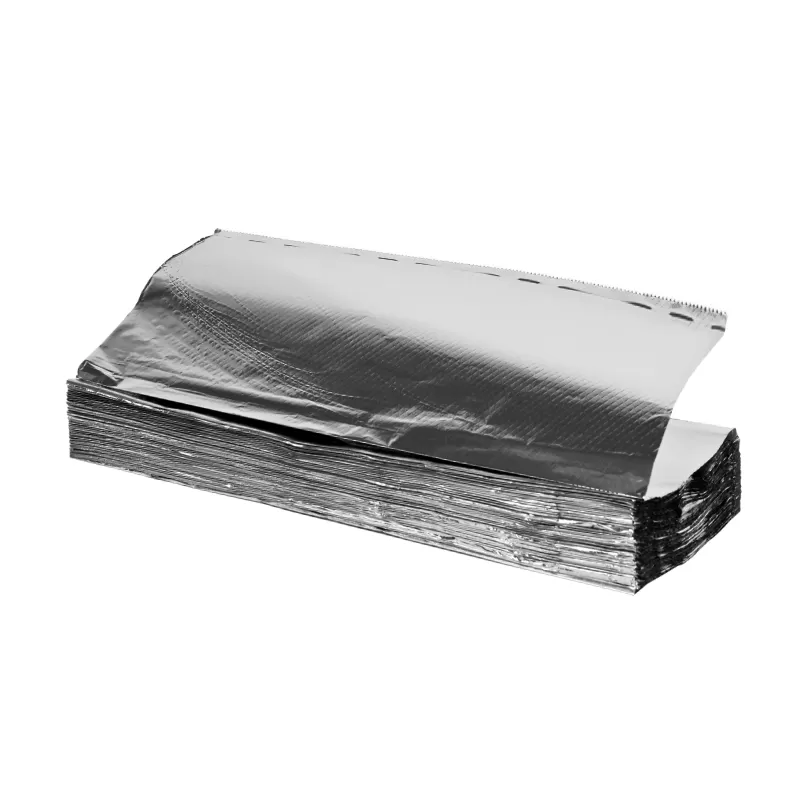
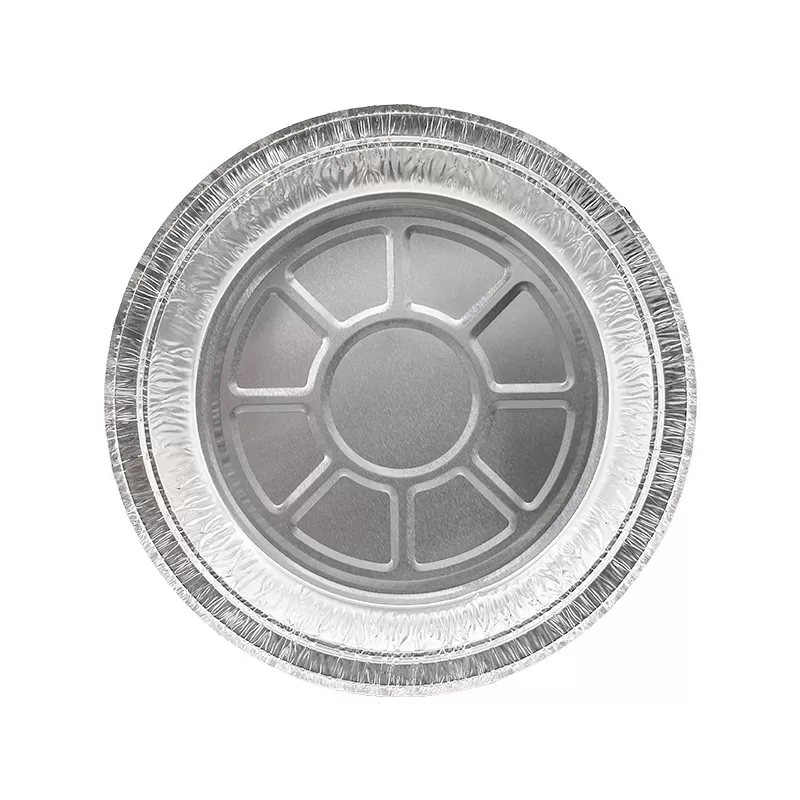
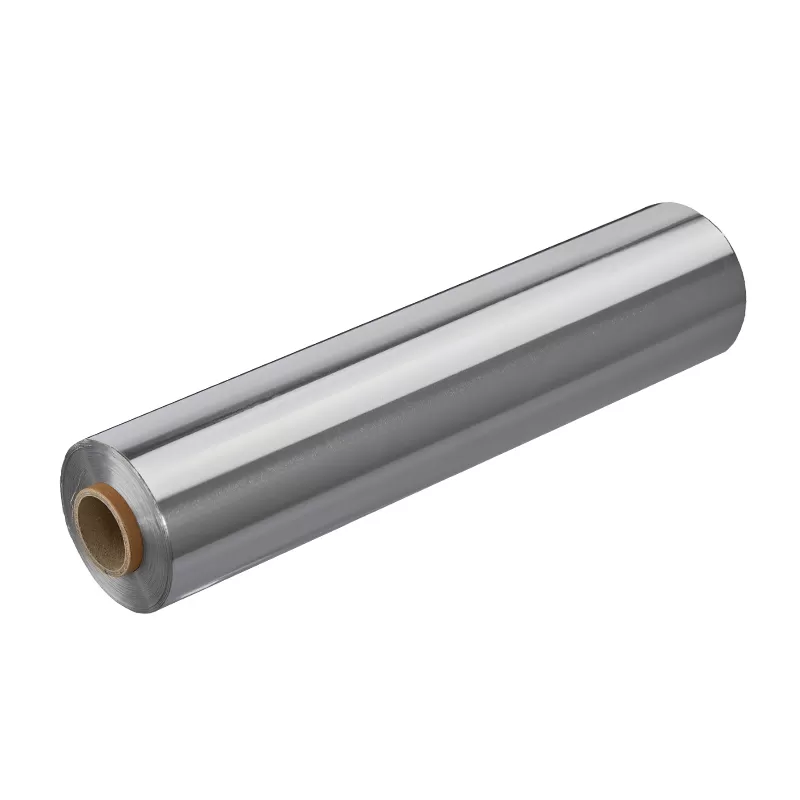
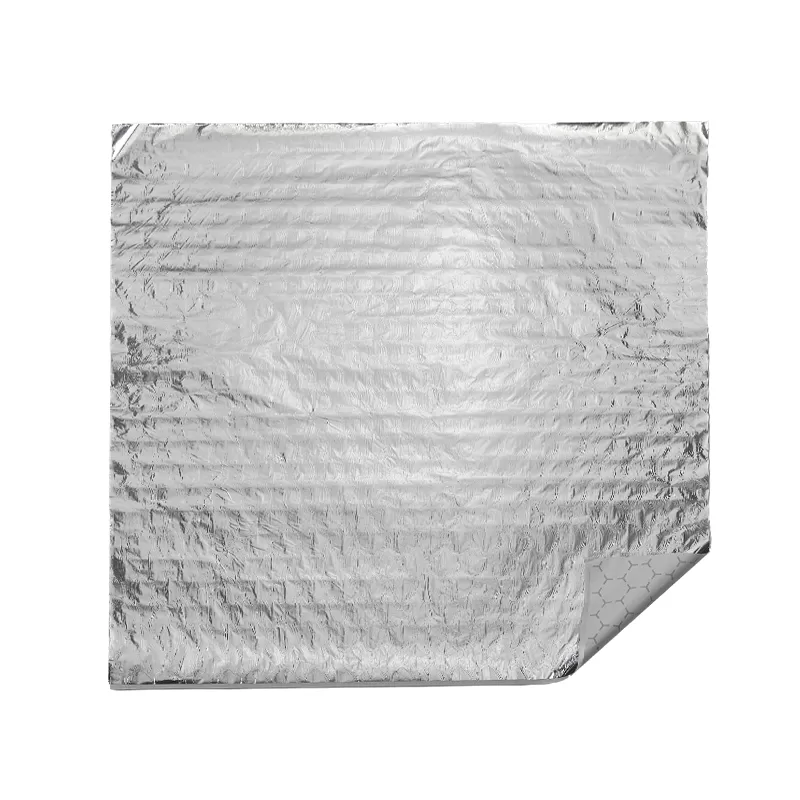
Keystone Supply's aluminum food packaging products include steam table pans along with aluminum rolls, aluminum sheets, insulated foil wrap sheets, round pans, oblong pans, cake pans, and smooth wall take-out pans. This range allows caterers to build a more complete packaging system instead of sourcing one item at a time.
For buyers planning a Wholesale Aluminum Food Container program, steam table pans are often one of the most important categories because they connect preparation, holding, delivery, and serving in one practical format.
How Aluminium Packaging for Food Supports Batch Cooking and Holding
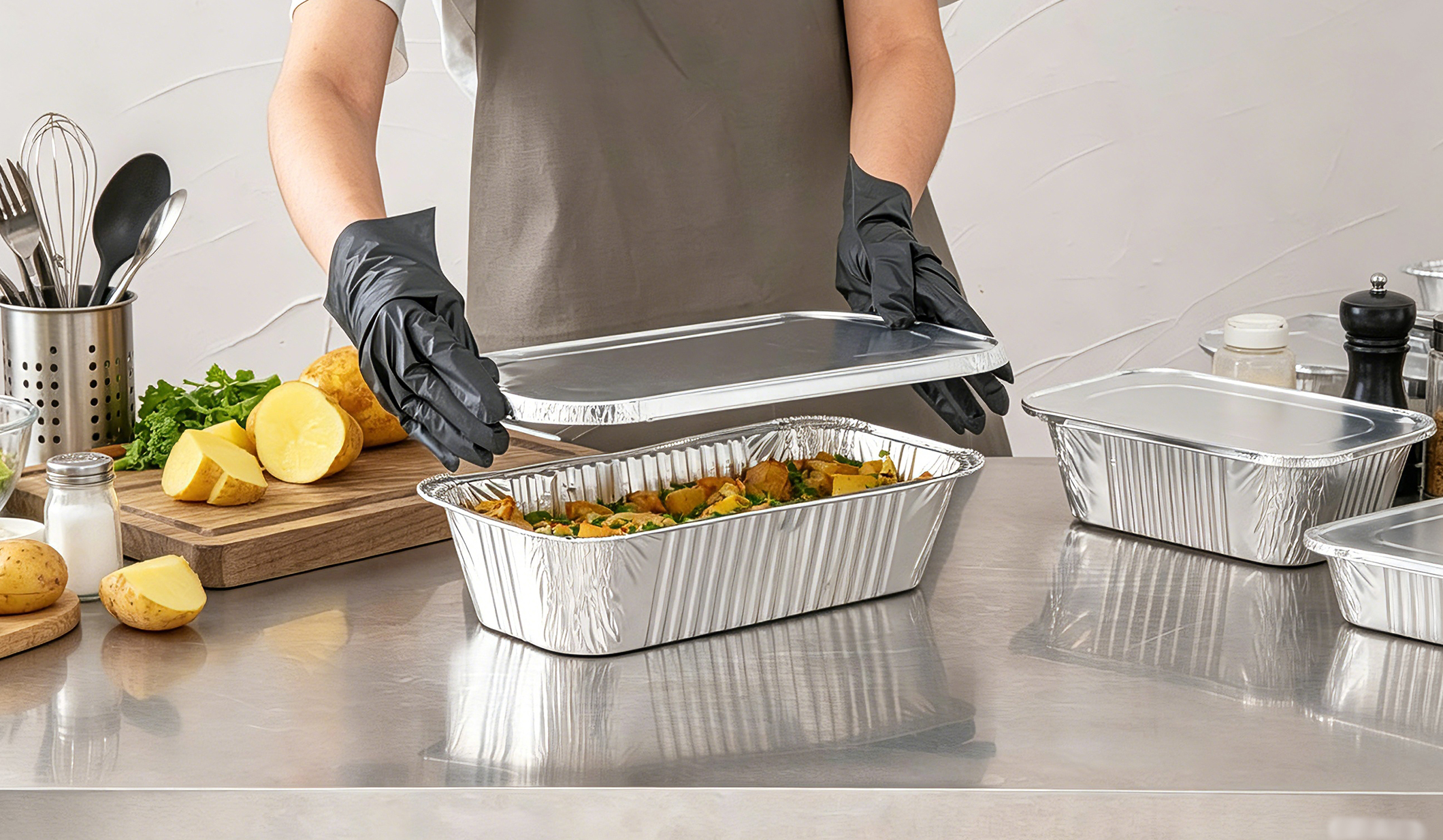
Aluminium Packaging for Food supports catering teams by helping prepared dishes move from batch cooking to temporary holding with fewer handling steps. When food is cooked in quantity, every transfer between pans creates extra labor, mess, and timing risk. Aluminum pans help reduce those unnecessary transitions.
Aluminum is commonly valued in foodservice because it offers practical heat conduction and convenience for catering, baking, and takeout applications. For catering teams, that means pans can support a more flexible workflow during prep, line setup, and serving.
A well-planned pan system can help teams:
Separate menu items by recipe, portion, or service time.
Hold batch-cooked food in an organized format before service.
Reduce the number of serving vessels that need to be washed after events.
Stage backup pans behind the main serving line for faster replenishment.
Cover, label, stack, and transport food more consistently.
This is where aluminum packaging differs from simple takeout packaging. In catering, the pan is often part of the production plan, not just the final container.
Full Size, Half Size and Portion Planning for Event Meal Service
Catering teams often think in pan systems because event service depends on portion control. The right pan choice helps the kitchen estimate how much food to prepare, how many pans to stage, and how quickly the line can be replenished during service.
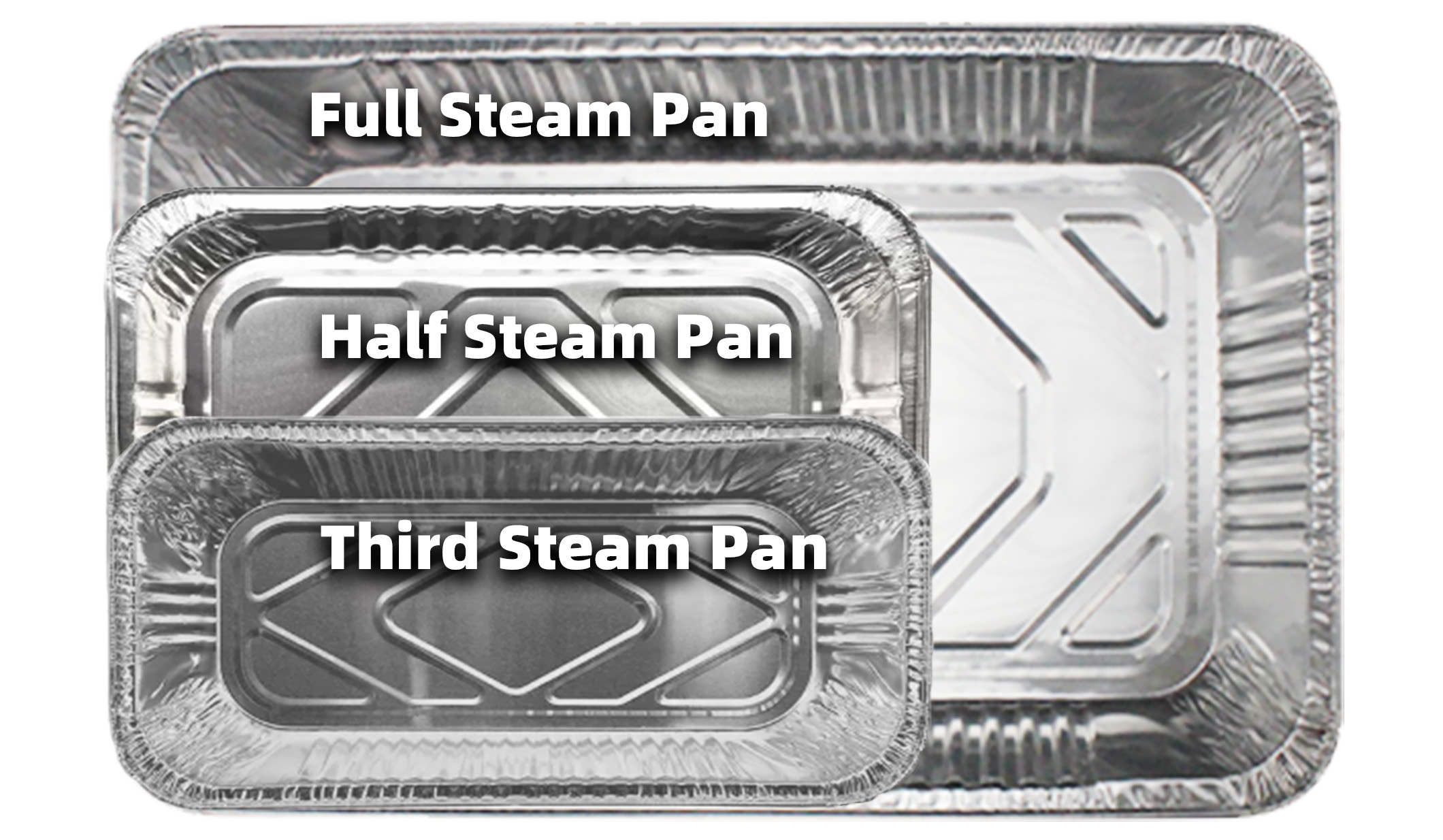
Full-size pans are commonly associated with larger batch items and buffet-style service. Half-size or smaller formats may make more sense when the menu includes multiple dishes, limited table space, or faster turnover between service periods. The best format depends on the number of guests, the menu mix, the serving equipment, and how the food will be transported.
Instead of asking only which pan is cheapest, catering buyers should ask how each pan size affects the full workflow:
Will the pan fit the serving line or holding setup?
Can staff lift, move, and replace the pan safely during service?
Does the pan depth match the food type and portion plan?
Will the same pan support prep, transport, and service without repacking?
Can the operation standardize fewer pan sizes to simplify inventory?
This approach helps buyers create a packaging system that fits the event plan, not just a storage shelf.
Common catering needs and aluminum pan roles
Catering Need | Packaging Role | Operational Benefit |
Batch cooking | Steam table pans for prepared entrees and sides | Keeps menu items organized by dish and service time |
Buffet replenishment | Backup pans staged behind the line | Helps staff refill quickly without interrupting service |
Off-site transport | Covered aluminum pans and foil support | Reduces repacking and simplifies setup after arrival |
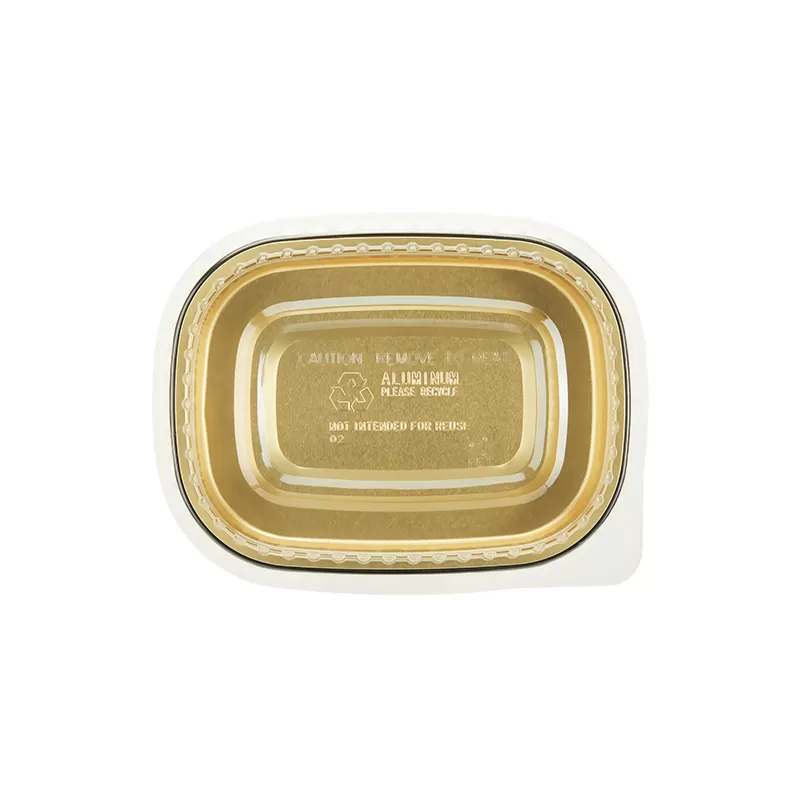
Prepared meal service | Smooth wall or takeout-style aluminum containers | Improves portion control and individual meal presentation |
Transport, Setup and Serving: Why Pan Strength Matters
During an event, catering pans may be filled, covered, stacked, loaded into vehicles, carried into the venue, placed into a holding setup, opened, served, and replaced. That repeated handling makes pan strength and stability important.
A weak or poorly matched pan can create problems before service even begins. Food may shift during transport, edges may bend during handling, or staff may need extra support trays to move heavy items safely. These issues slow down setup and increase stress during the most time-sensitive part of the job.
For this reason, catering teams should evaluate aluminum pans by food type and service pressure. Saucy items, baked casseroles, rice dishes, roasted meats, and heavy sides do not create the same handling demands. A more structured pan plan helps the team decide which items need larger pans, deeper pans, stronger formats, or additional foil coverage.
When buyers compare Aluminum Food Container Manufacturers and foodservice supply partners, product range is only one part of the decision. Reliable access to matching foil rolls, sheets, steam table pans, oblong pans, and takeout pans can make daily ordering and event planning much easier.
How Steam Table Pans Work with Foil Rolls, Sheets and Aluminum Take Out Containers
Steam table pans rarely work alone in catering. They are usually part of a broader packaging system that may include foil rolls, pre-cut aluminum sheets, insulated foil wrap sheets, round pans, oblong pans, cake pans, and individual takeout containers.
Foil rolls and sheets support wrapping, covering, grilling, and food preservation. Steam table pans support large-volume holding and serving. Round, oblong, and cake pans support specific menu items such as baked goods, sides, family-style dishes, and desserts. Smooth wall take-out pans can help improve presentation when the meal is packed for individual guests.
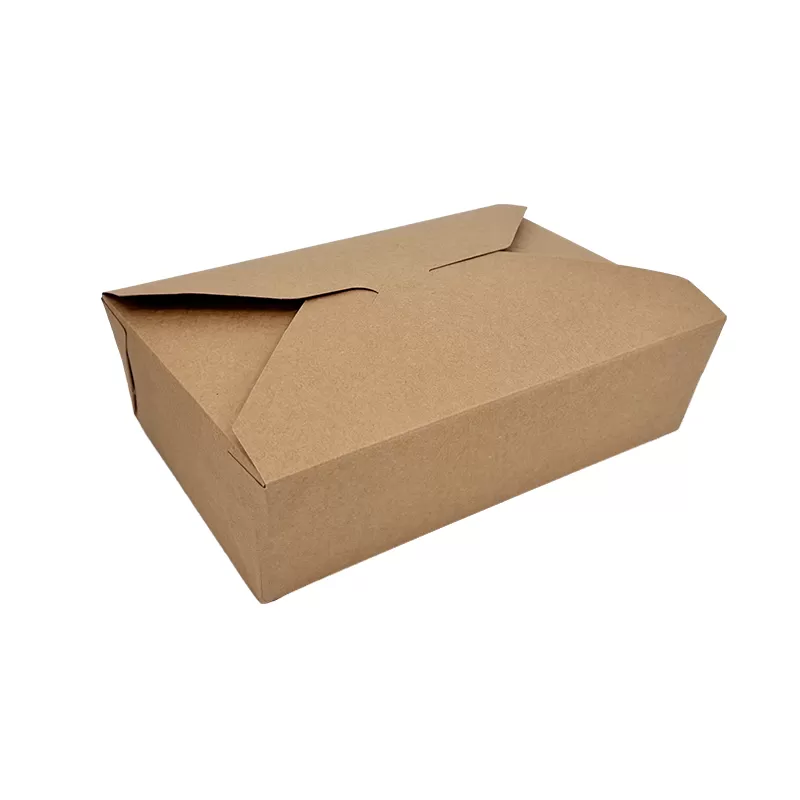
Aluminum Take Out Containers also matter when catering teams prepare boxed meals, staff meals, event leftovers, or individual portions for delivery. Instead of treating bulk pans and individual containers as separate purchases, many foodservice teams benefit from planning them together.
This is where a single U.S. foodservice supply partner can help reduce complexity. With Keystone Supply, catering operators can source aluminum packaging alongside other disposable foodservice products, making it easier to coordinate inventory across events, daily service, and takeout programs.
Conclusion: Make Large-Volume Meal Service More Predictable with Aluminum Pans
Catering teams depend on aluminum steam table pans because they support the full meal service process: batch cooking, holding, covering, transport, setup, serving, replenishment, and cleanup. The right pan system helps reduce unnecessary handling and keeps event service more predictable.
For restaurants, caterers, prepared meal providers, and distributors, a strong aluminum packaging plan should include more than one container type. Steam table pans, foil rolls, sheets, oblong pans, round pans, cake pans, and smooth wall pans each solve a different operational problem.
Foodservice buyers working with Wholesale Aluminum Food Container programs can use Keystone Supply's aluminum packaging range to build a more organized catering workflow. For product coordination, bulk planning, or packaging support, the Keystone Supply team can help match aluminum solutions to real foodservice needs.