As sustainability becomes a key focus in the global food service industry, restaurants, cafés, catering companies, supermarkets, and takeaway brands are actively replacing plastic packaging with environmentally responsible alternatives. Modern consumers expect businesses to reduce packaging waste while still delivering reliable food presentation and transportation performance.
One of the fastest-growing packaging categories is molded fiber tableware, which combines durability, heat resistance, and compostability in a single solution. Compared with traditional plastic or foam containers, molded fiber packaging offers a more practical long-term option for businesses looking to improve sustainability without compromising functionality.
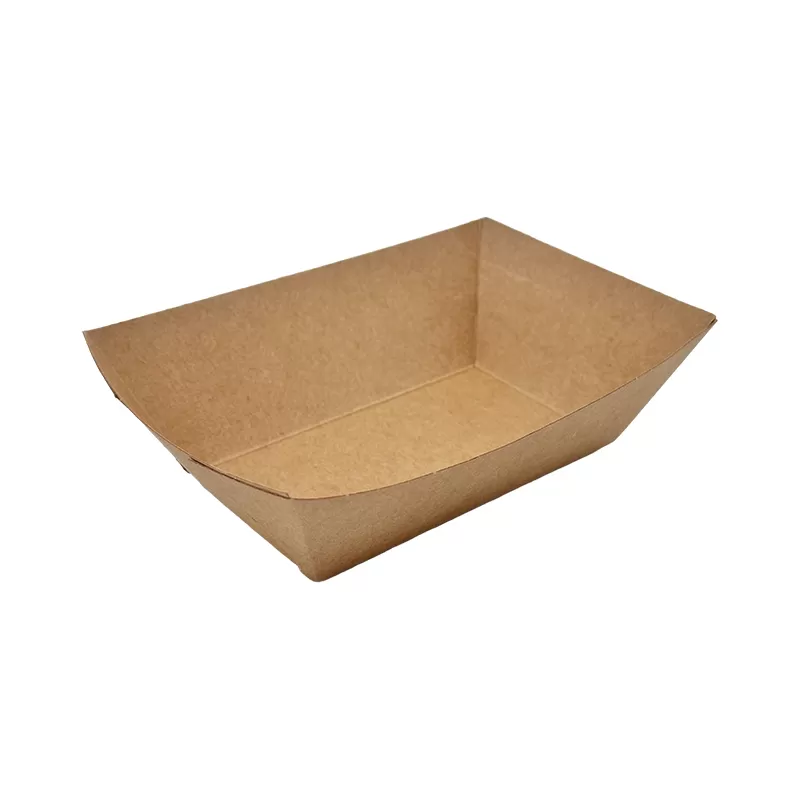
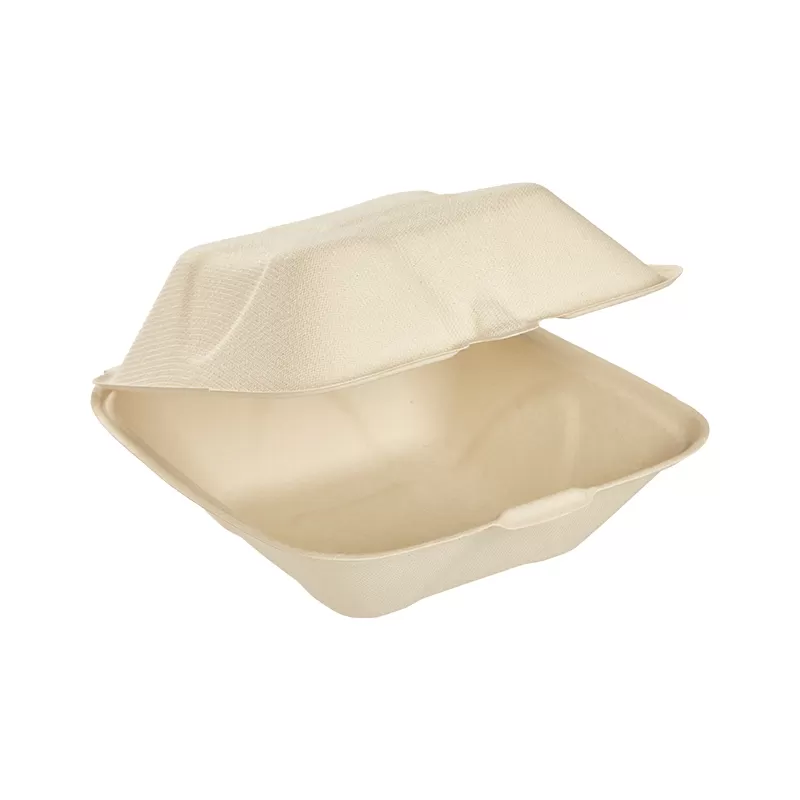
Keystone, a U.S.-based supplier serving international markets, offers a wide range of molded fiber food packaging products designed specifically for commercial food service operations. From molded fiber bowl products to molded fiber plates, takeaway trays, and fiber containers, Keystone focuses on packaging systems that support modern restaurants, food delivery services, and catering businesses.
This guide explains how to evaluate molded fiber products, what features matter most during purchasing, and how businesses can select packaging that supports operational efficiency, customer satisfaction, and sustainability goals.
What Is Molded Fiber Tableware?
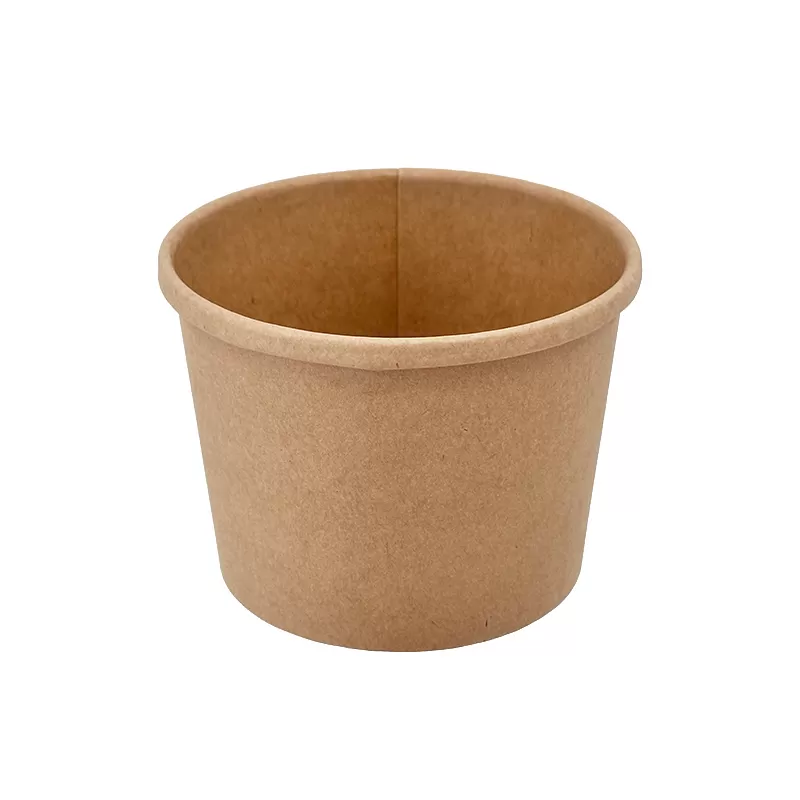
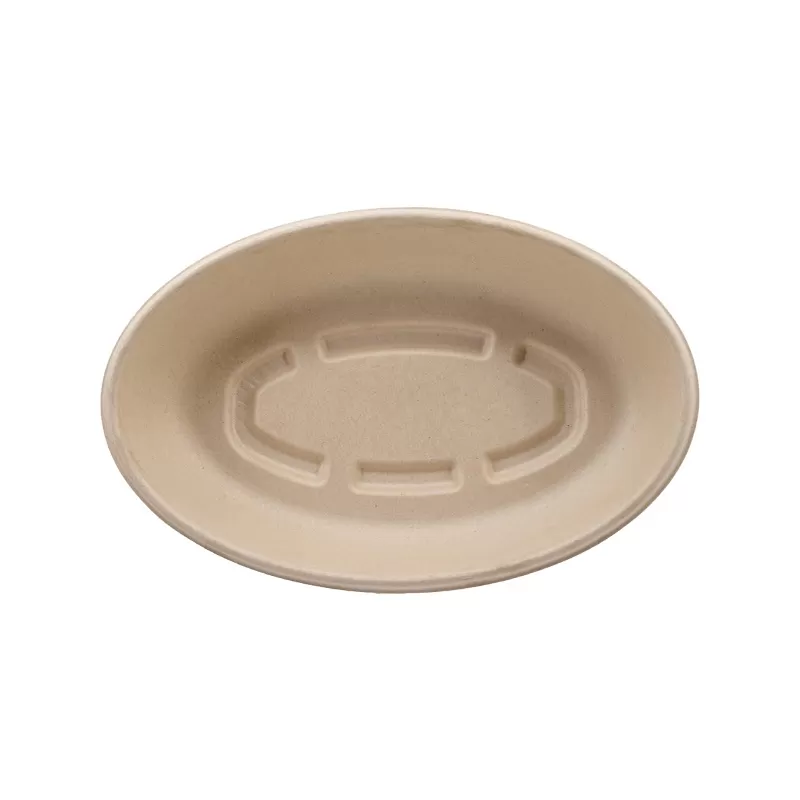
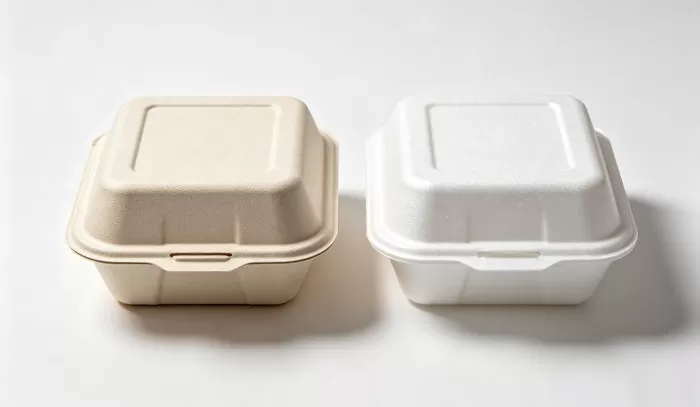
Molded fiber tableware refers to disposable food packaging products made from natural plant fibers, most commonly sugarcane bagasse. Bagasse is a renewable byproduct created during sugar production, making it an environmentally responsible material source for food packaging manufacturing.
Today, many restaurants are transitioning from plastic packaging to molded pulp tableware because it provides:
Strong structural durability
Heat and grease resistance
Commercial compostability
Reduced environmental impact
Better presentation for takeaway meals
Unlike standard paper containers, molded fiber products are specifically engineered to perform well in demanding food service environments.
Keystone develops molded fiber packaging solutions suitable for hot meals, prepared foods, takeaway service, meal prep operations, and food delivery applications.
Why Sustainable Takeaway Packaging Is Growing Worldwide
The rapid growth of food delivery platforms and takeaway dining has significantly increased global packaging consumption. At the same time, governments and consumers are placing greater pressure on businesses to reduce single-use plastic waste.
As a result, demand for products such as biodegradable take out containers continues to rise across international markets.
Restaurants today evaluate packaging based on more than price alone. Purchasing decisions are increasingly influenced by:
Businesses that adopt environmentally responsible packaging often strengthen customer trust while improving their overall brand presentation.
For this reason, many food service operators are replacing conventional containers with eco-friendly takeaway containers and other fiber-based alternatives.
Selecting the Right Molded Fiber Bowl
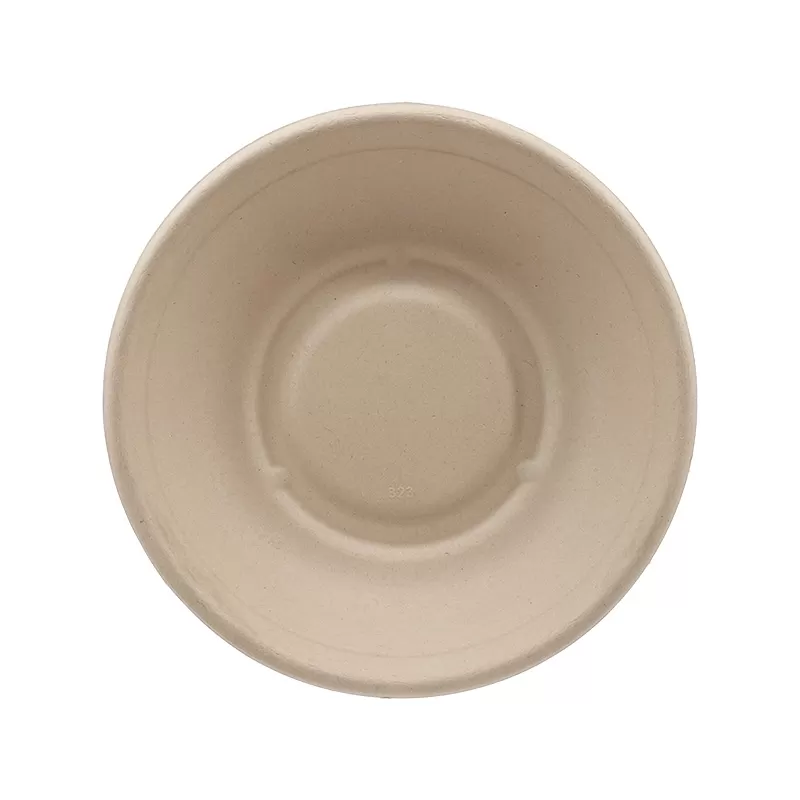
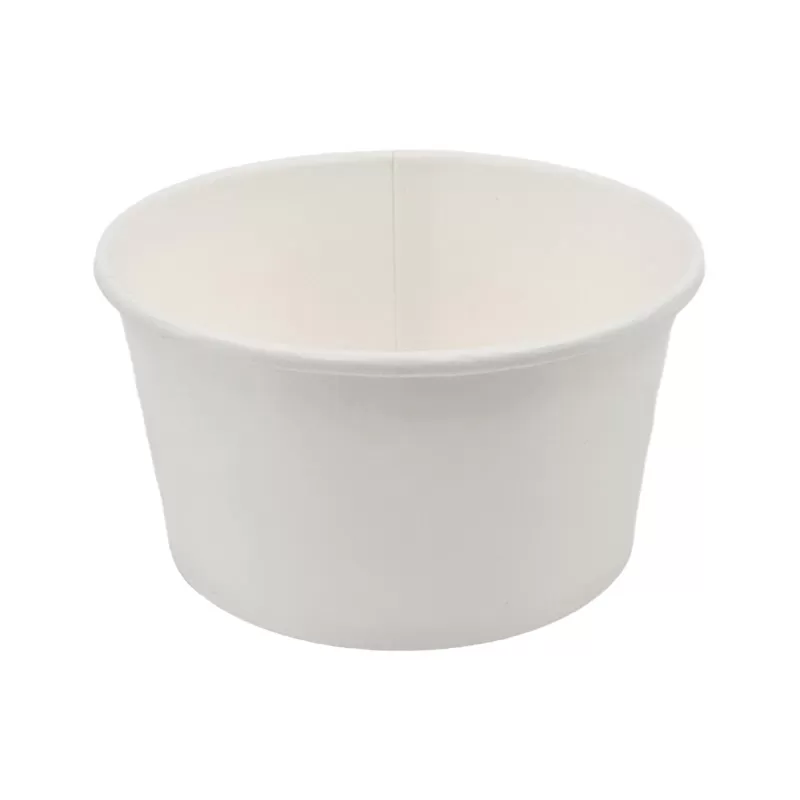
Choosing the correct molded fiber bowl requires careful evaluation of menu items, transportation conditions, serving size, and packaging durability.
Structural Strength Is Essential
One of the most important qualities in takeaway packaging is rigidity. Containers used for delivery must maintain their shape during transportation and stacking.
Low-quality packaging may soften under heat or collapse when carrying heavy meals. Premium molded fiber bowls should remain stable even when used for hot foods, rice dishes, pasta, soups, or sauce-heavy meals.
Keystone designs its bowl products with reinforced walls and durable bases that improve transportation performance and reduce leakage risks.
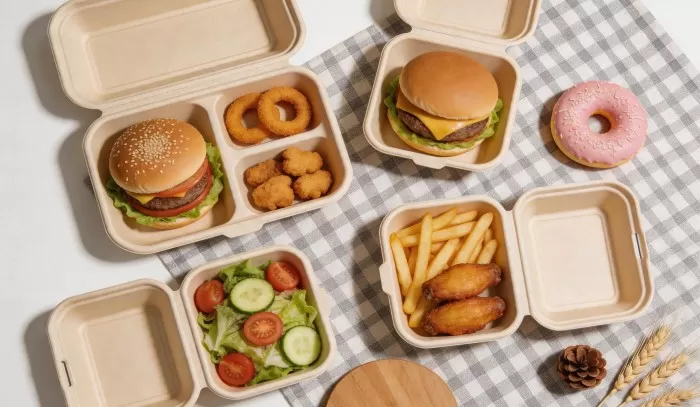
These bowls are widely used for:
Grain bowls
Salads
Noodle dishes
Meal prep foods
Rice entrées
Hot takeaway meals
For businesses operating in fast-paced delivery environments, container strength directly affects customer satisfaction.
Heat and Grease Resistance
High-quality takeaway packaging must handle moisture, steam, and grease without losing structural integrity.
Professionally manufactured compostable take out food containers should provide:
Reliable oil resistance
Moisture protection
Heat stability
Microwave compatibility
Keystone’s molded fiber products are engineered for commercial food service operations where consistent packaging performance is essential.
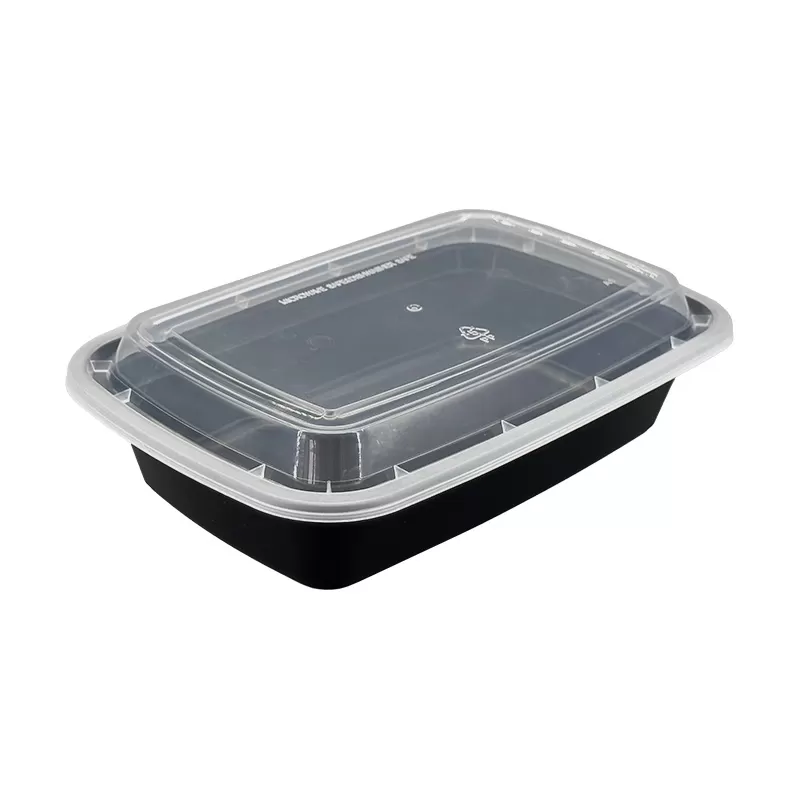
Lid Compatibility and Delivery Performance
Lid design plays an important role in food safety and transportation reliability.
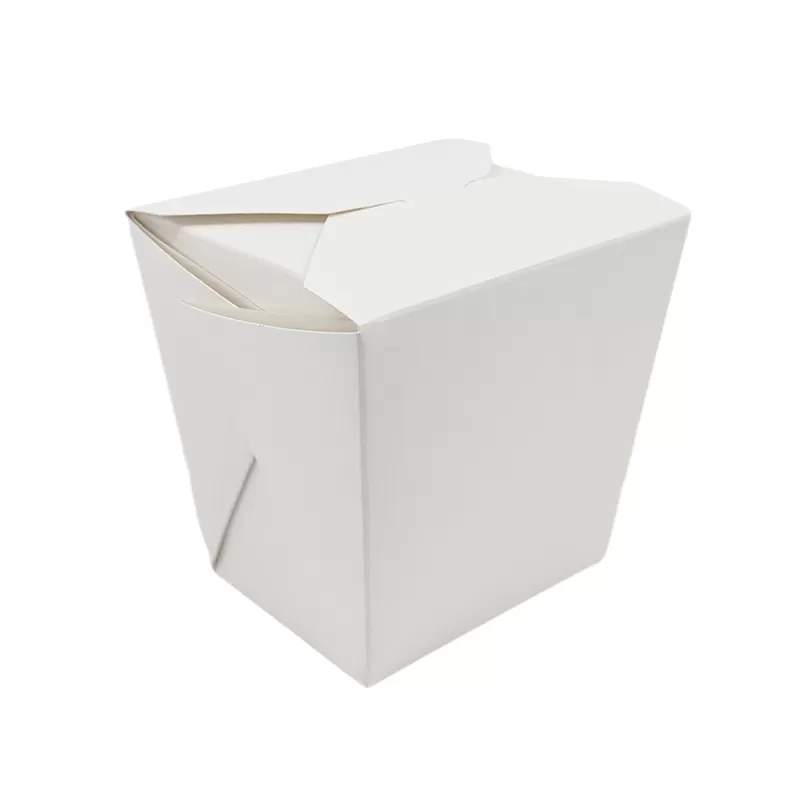
Well-designed compostable takeaway containers should include secure lid systems that help prevent spills while improving stacking efficiency during delivery.
Depending on the food application, businesses may choose:
Fiber lids for fully compostable packaging systems
Clear lids for food visibility and presentation
Flat lids for easier storage and transportation
This flexibility allows restaurants and takeaway brands to create packaging systems tailored to their operational needs.
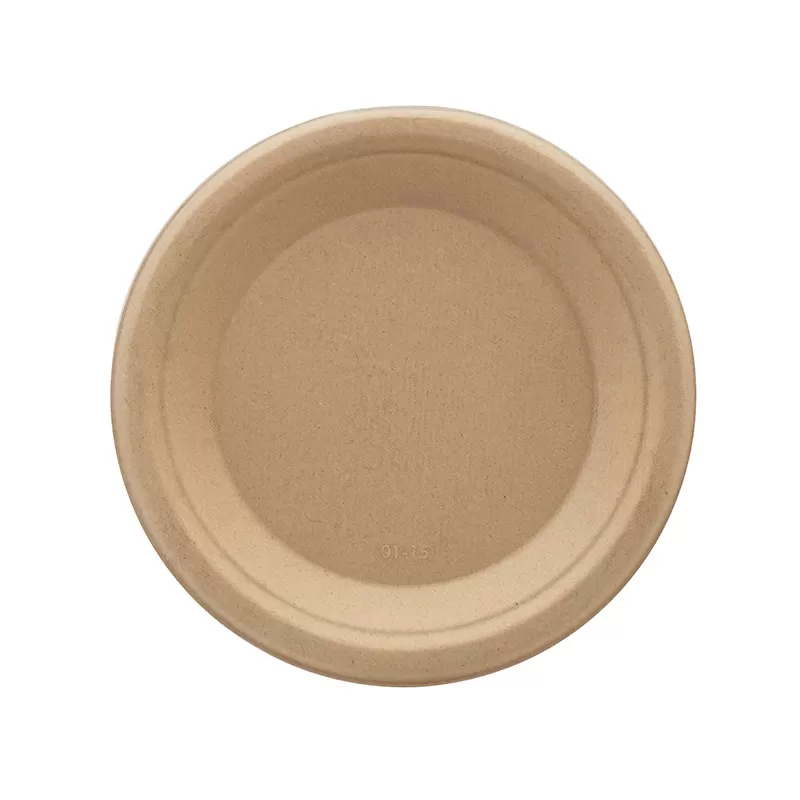
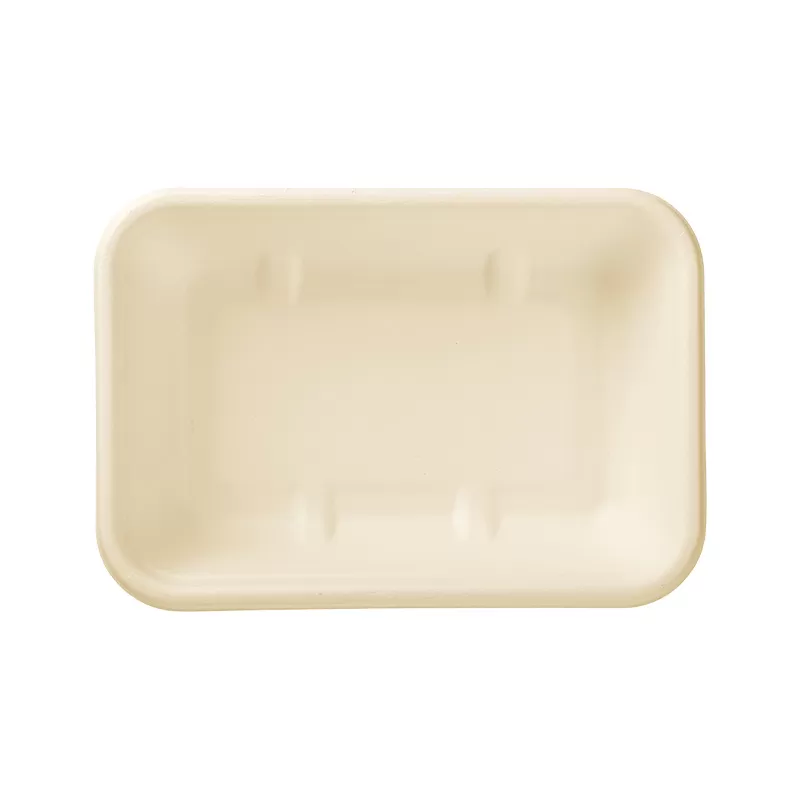
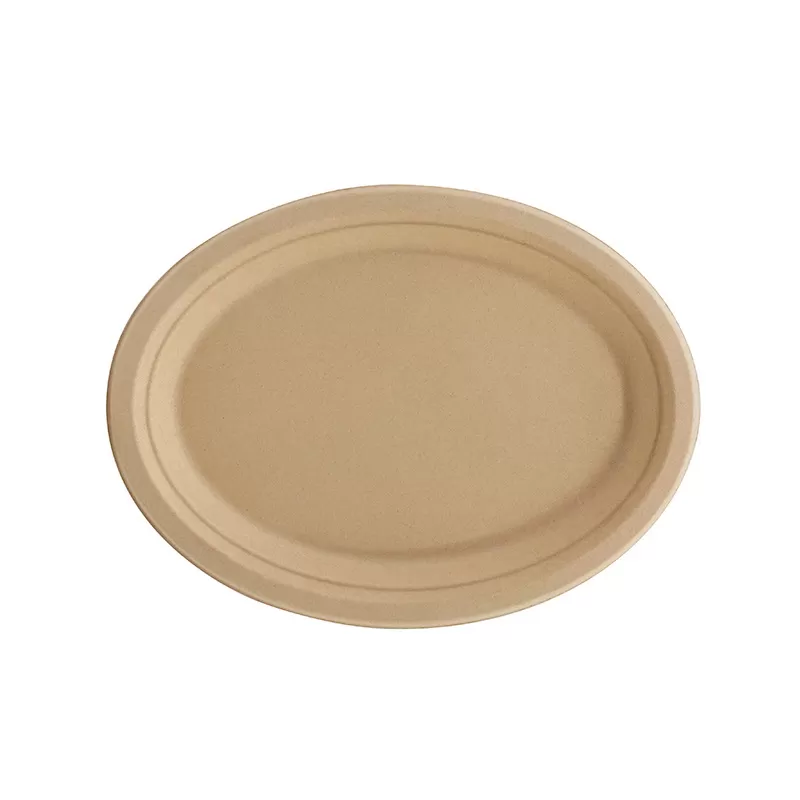
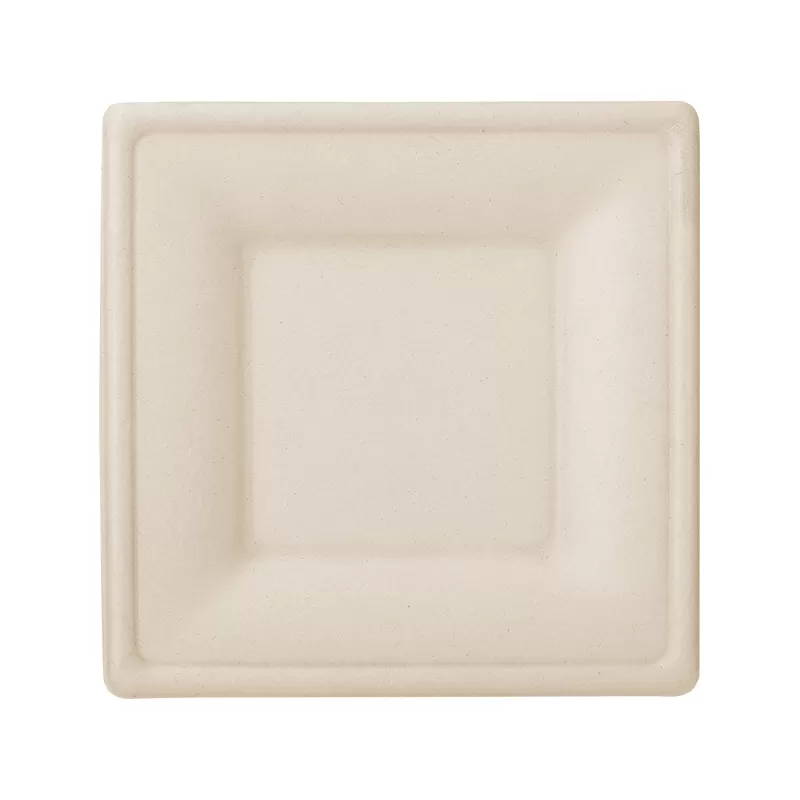
Choosing Durable Molded Fiber Plates
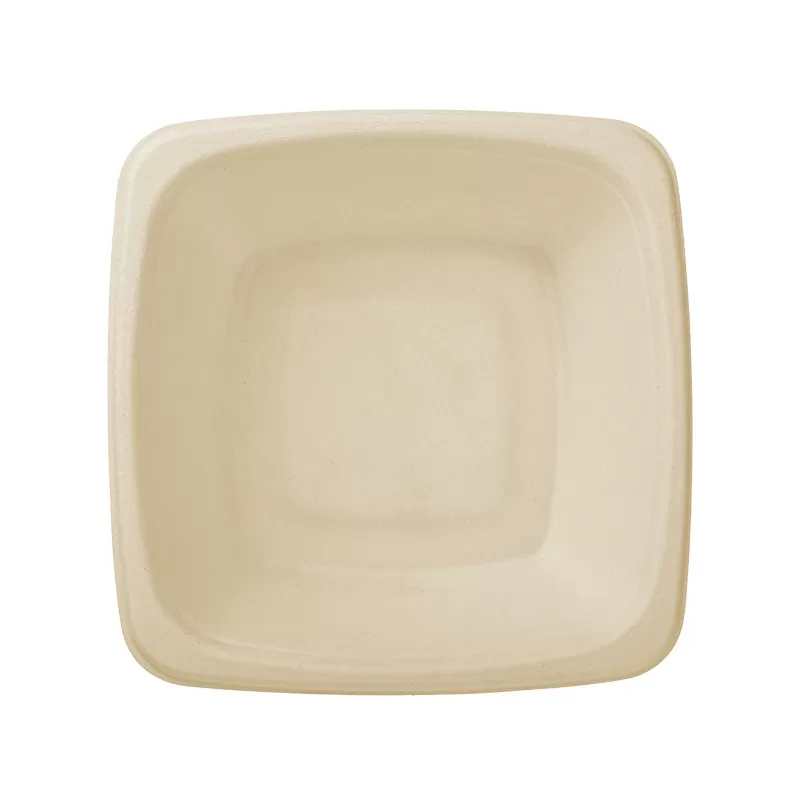
In addition to bowls, molded fiber plates remain a popular choice for dine-in service, catering operations, and takeaway meals.
However, selecting the right plate involves more than appearance alone.
Match the Plate to the Food Type
Different menu items require different plate structures.
For example:
Lightweight plates work well for bakery items and sandwiches
Deep plates are better suited for saucy entrées
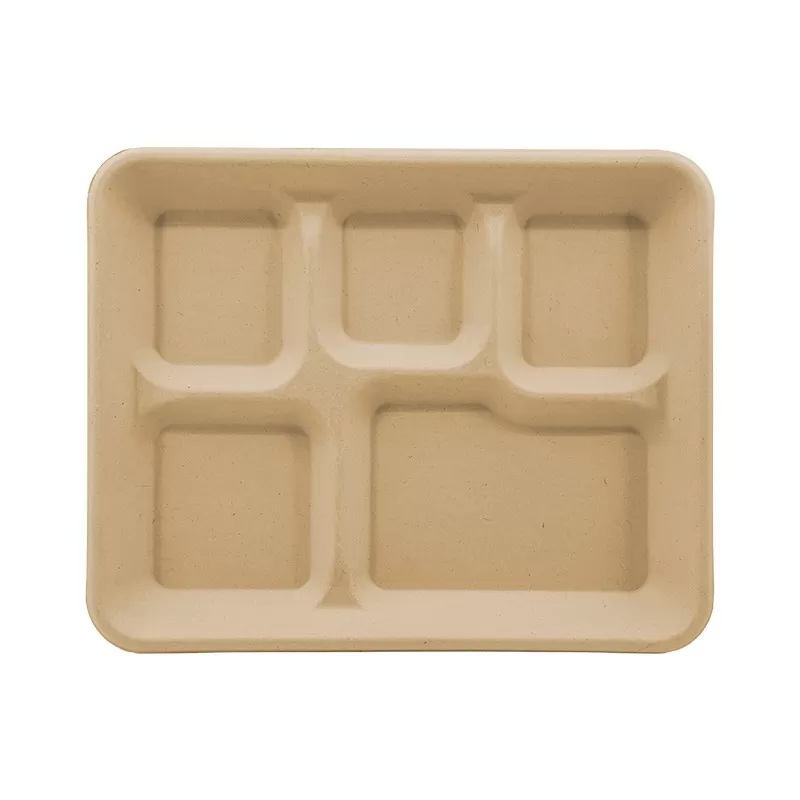
Compartment plates help separate multiple food items
Reinforced rims improve carrying stability
These design details are especially important for catering services and high-volume restaurant operations.
Consider Storage Efficiency
Restaurants and distributors often purchase packaging in large quantities, making storage efficiency an important consideration.
Keystone’s packaging systems are designed to optimize stacking performance and reduce warehouse space requirements, helping businesses improve operational efficiency.
Understanding Compostable Food Packaging
Many businesses mistakenly assume all paper packaging is environmentally friendly. In reality, some paper-based products include plastic linings that limit compostability.
True compostable takeaway food containers are typically manufactured from renewable plant fibers and designed to break down under commercial composting conditions.
This distinction has become increasingly important as more regions introduce stricter packaging regulations and sustainability standards.
Businesses evaluating packaging suppliers should consider:
Material composition
Food safety compliance
Compostability certifications
Manufacturing consistency
Long-term supply reliability
Working with experienced suppliers helps ensure stable product quality and dependable inventory availability.
The Growing Importance of Eco-Friendly Packaging
Packaging now plays a major role in customer perception and brand identity. Consumers increasingly notice whether restaurants use environmentally responsible takeaway packaging.
Businesses using eco-friendly takeaway food packaging often improve:
Brand image
Customer loyalty
Delivery presentation
Social media appeal
Modern food brands understand that packaging is part of the overall dining experience.
This is one reason why demand for sustainable takeaway packaging continues to expand globally.
Comparing Molded Fiber and Traditional Plastic Containers
Traditional plastic and foam containers are still used in some markets, but they present several disadvantages compared with molded fiber alternatives.
Traditional Packaging | Molded Fiber Packaging |
Petroleum-based materials | Renewable plant fibers |
Difficult to decompose | Commercially compostable |
Lower heat resistance | Better temperature performance |
Limited sustainability value | Supports environmental initiatives |
Increasing regulatory pressure | Better aligned with modern regulations |
For businesses planning long-term growth, upgrading to eco-friendly takeout containers can support both operational goals and sustainability strategies.
Keystone's Approach to Food Service Packaging
As a U.S.-based company serving global customers, Keystone develops packaging products designed for the practical demands of modern food service operations.
The company’s product line includes:
Businesses searching for Keystone food service solutions are often looking for packaging systems that combine durability, sustainability, and reliable supply support.
Keystone focuses not only on environmental performance, but also on food transportation, operational efficiency, and commercial usability.
The Future of Molded Fiber Packaging
Demand for sustainable food packaging is expected to continue growing as restaurants, retailers, and food delivery companies adopt more environmentally responsible packaging strategies.
Several factors are driving this transition:
Expansion of takeaway dining
International plastic reduction policies
Consumer sustainability awareness
Corporate environmental initiatives
Growth of food delivery services
As these trends continue, molded fiber packaging is becoming a standard solution across the global food service industry.
For businesses seeking durable, professional, and environmentally responsible packaging, Keystone’s molded fiber product line offers a practical solution designed for modern commercial food service operations.