In takeout, catering, and event service, the small items decide how smoothly an order moves. A fork that snaps, a missing spoon, or a utensil that doesn’t match the meal can undercut food that was prepared well. Disposable cutlery is a low-cost line item, but it appears in every single order, so the format you choose has a measurable effect on packing speed and the final customer impression.
Polystyrene (PS) cutlery remains one of the most widely used utensil options in U.S. foodservice because it is rigid, inexpensive, and available in formats that fit nearly every service model. This guide covers where PS cutlery performs well, how to match formats to your operation, and when a different material is the smarter call.
What PS Cutlery Does Well
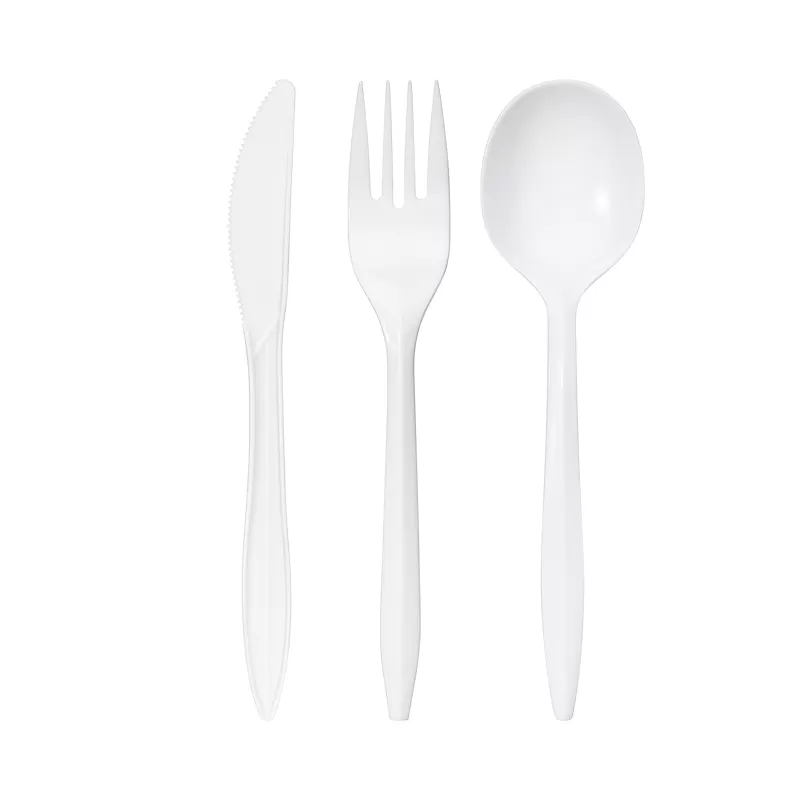
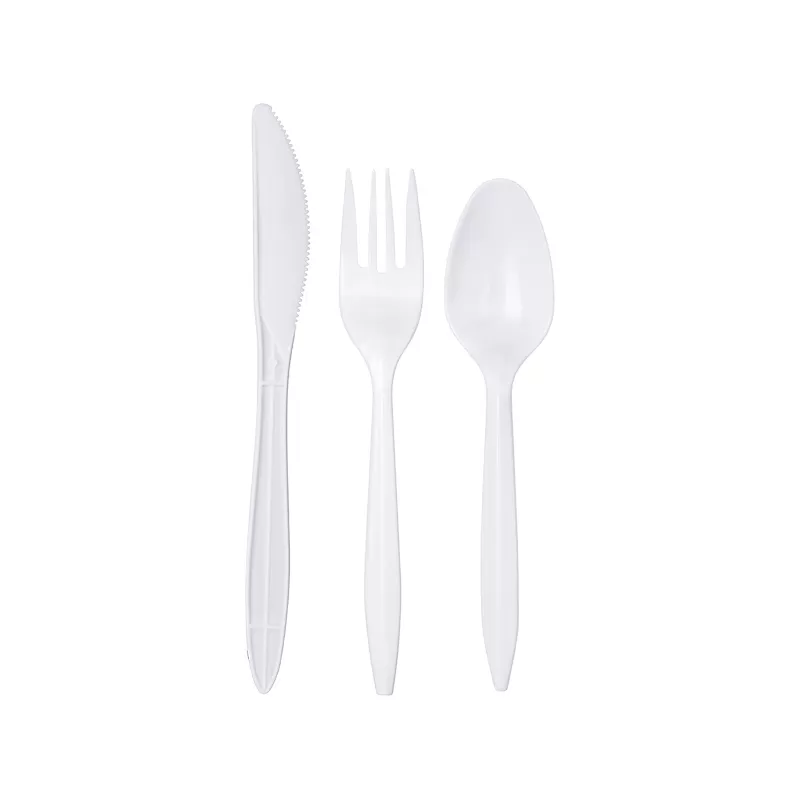
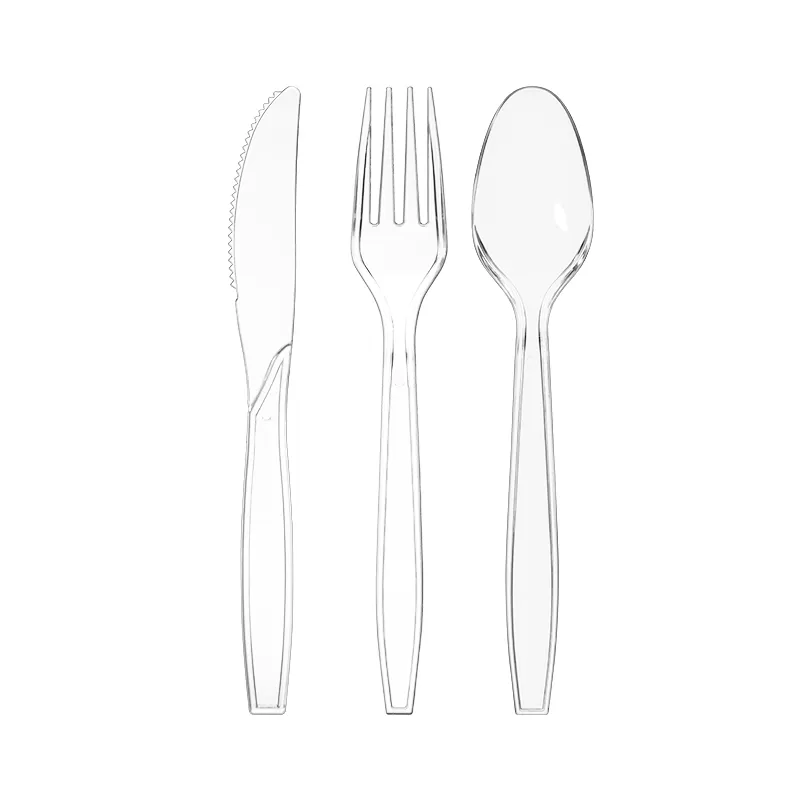
PS cutlery earns its place for three practical reasons: it is rigid and holds its shape under normal use, it has a clean crystalline appearance (especially in clear and black), and it is among the lowest-cost utensils available per piece. For high-volume operations where cost per order matters, that combination is hard to beat.
Typical specifications to know when ordering:
• Weights — light, medium, and heavy. Light weight suits simple grab-and-go items; medium weight covers most everyday takeout; heavy weight gives a more substantial feel for catering and banquet service.
• Colors — white, black, and clear. Black reads as more upscale; white and clear fit casual, corporate, or high-volume settings.
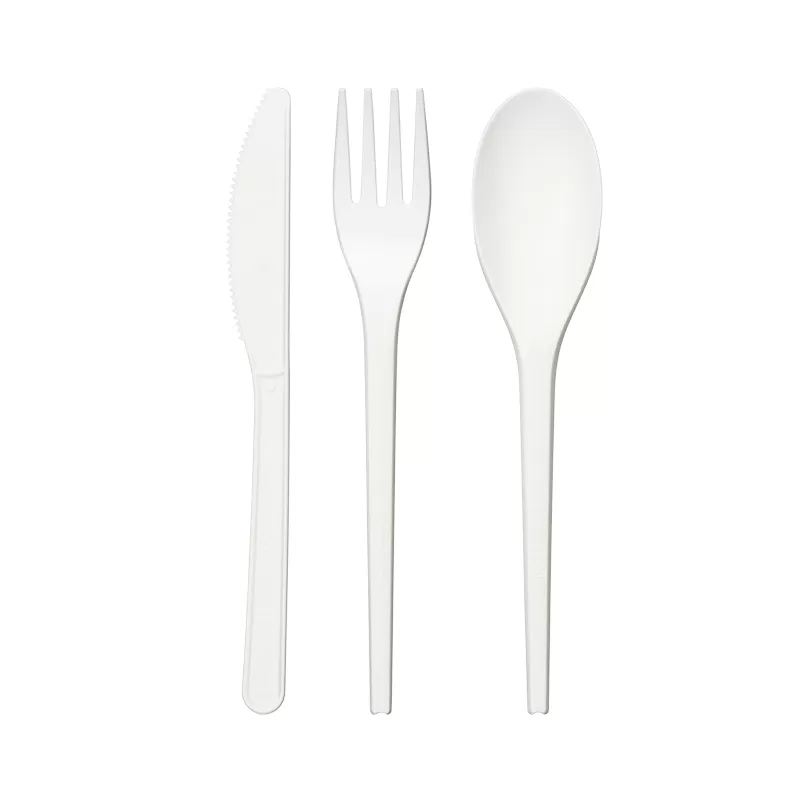
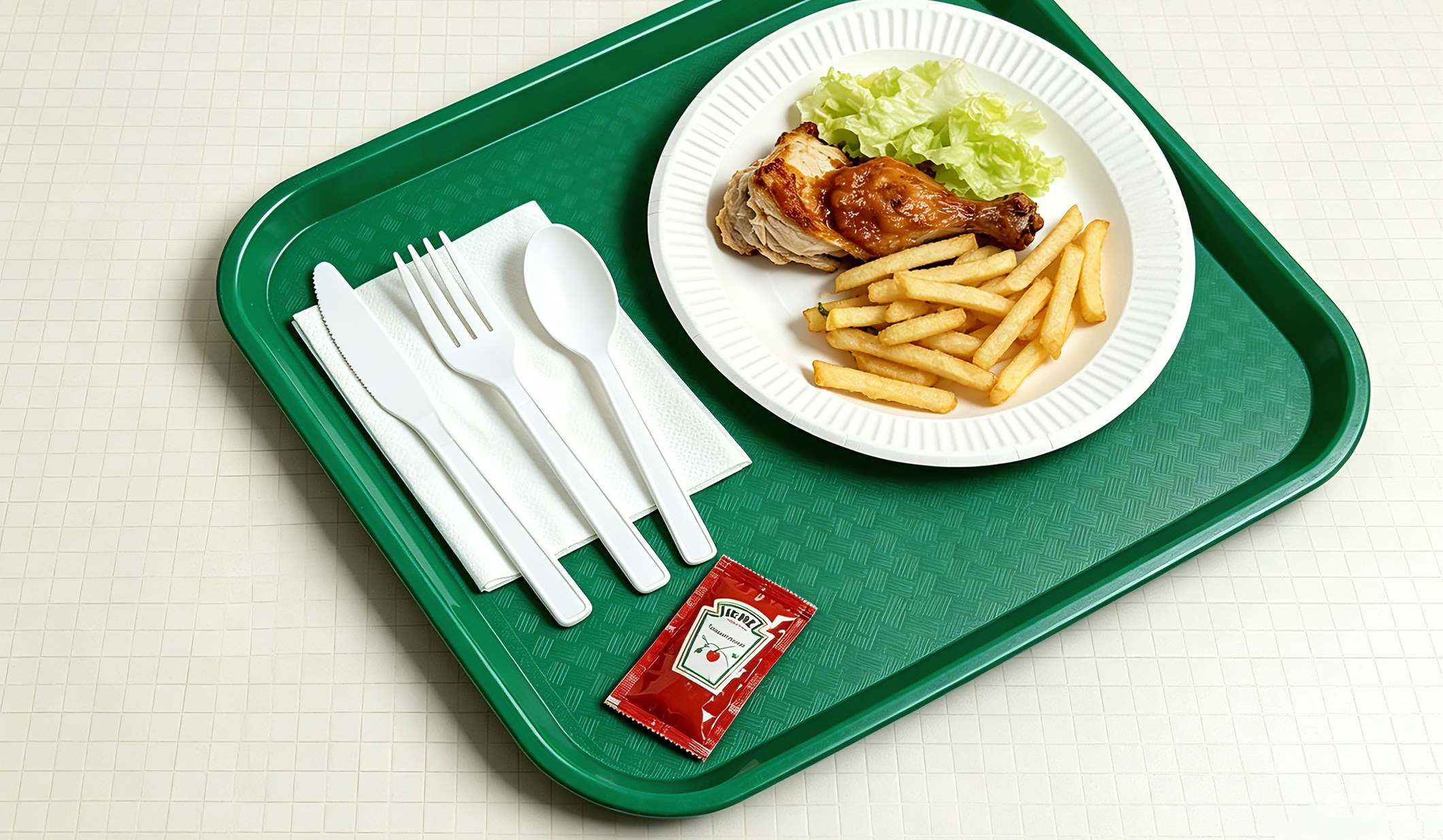
• Formats — bulk/unwrapped for packing stations, individually wrapped for fast handoff and hygiene, and complete kits (fork, knife, spoon, napkin, salt and pepper) for one-step distribution.
One limitation worth planning around: PS is rigid but more brittle than polypropylene (PP), and it has a lower heat tolerance. For very hot dishes or anything approaching boiling temperatures, PP or a heat-tolerant alternative is the safer choice.
Takeout: Keeping Orders Fast and Accurate
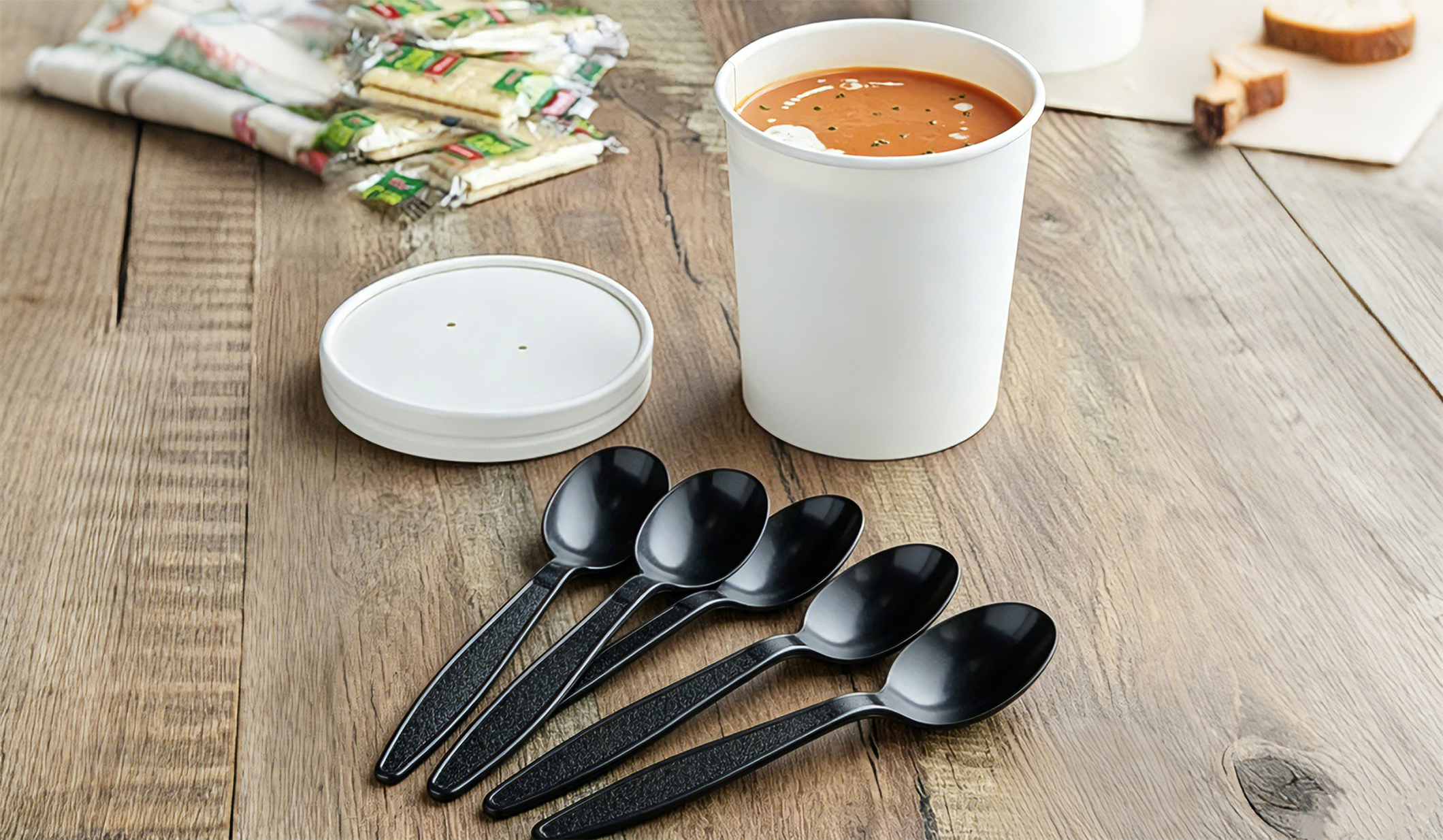
For busy takeout teams, the goal is simple — pack each order accurately and quickly, order after order. The right format does most of the work. Unwrapped utensils suit controlled packing stations where staff add forks, knives, or spoons by meal type. Wrapped utensils speed up handoff for pre-staged or quick-pickup orders. Kits remove a step entirely by giving staff a complete set in one grab.
A practical way to set up a program is to map utensils to order types rather than relying on staff to assemble every order by hand. Salads, entrees, and desserts each call for a different combination, and separating those formats at the station cuts the most common packing errors.
Catering and Events: Counting and Presentation
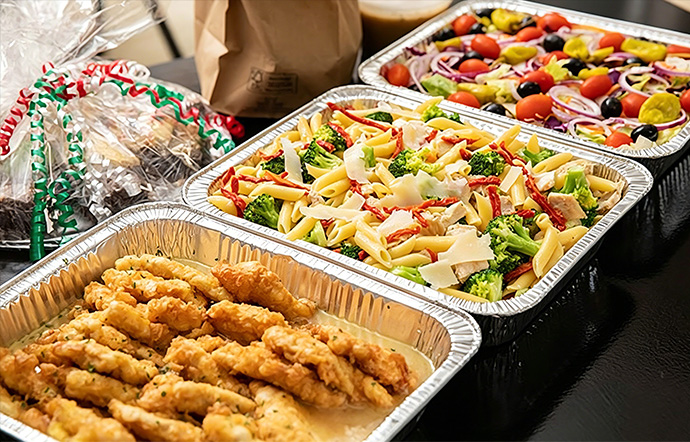
Catering teams often stage hundreds or thousands of place settings before service begins, so anything that makes counting easier is a direct operational win. Wrapped utensils and kits can be counted by case or package instead of piece by piece, which simplifies prep lists and gives managers a reliable read on how many complete sets are ready.
Presentation matters more here than in daily takeout. Heavy-weight utensils carry a more substantial feel for banquet-style settings, while color choice (black for refined events, white or clear for corporate and high-volume service) helps the table match the occasion.
Matching Format to Service
The most efficient program starts with where each utensil is actually used:
• Quick-service takeout — medium-weight unwrapped utensils or basic kits for fast, practical packing.
• Catering trays and boxed meals — wrapped utensils or complete kits for easy staging and counting.
• Events and banquet service — heavy-weight utensils or matching kits for a consistent place setting.
• Grab-and-go — pre-packed kits with napkins to reduce missing items at pickup.
• Self-service stations — unwrapped forks, knives, and spoons for flexible, on-demand distribution.
Material and Compliance: The Part Most Guides Skip
Polystyrene regulations vary by state and city, and they continue to change. Many restrictions target expanded polystyrene (foam) cups and containers, but some jurisdictions also limit rigid PS foodservice ware. Before standardizing on PS across multiple locations, confirm the current rules in each market you serve — it’s a five-minute check that prevents a costly re-buy.
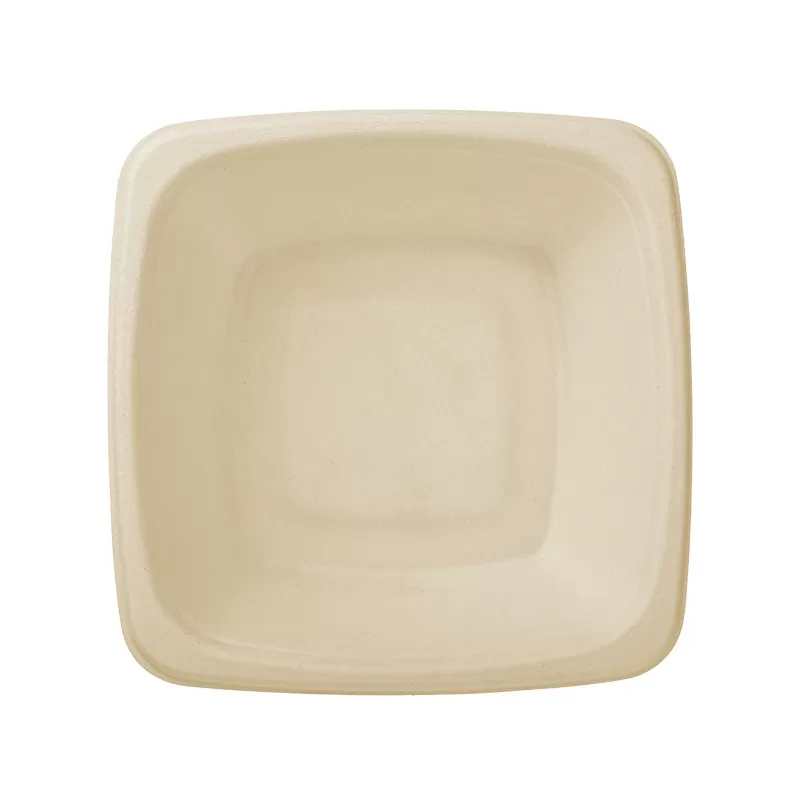
If you operate in a regulated area, or your customers have sustainability requirements, you don’t need a second supplier to handle it. Keystone Supply also stocks polypropylene (PP) cutlery and compostable lines — including CPLA, PLA, and agave- and bagasse-based products — so you can keep PS where it makes economic sense and switch materials where you need to, all from one vendor.
One Supplier for the Whole Order
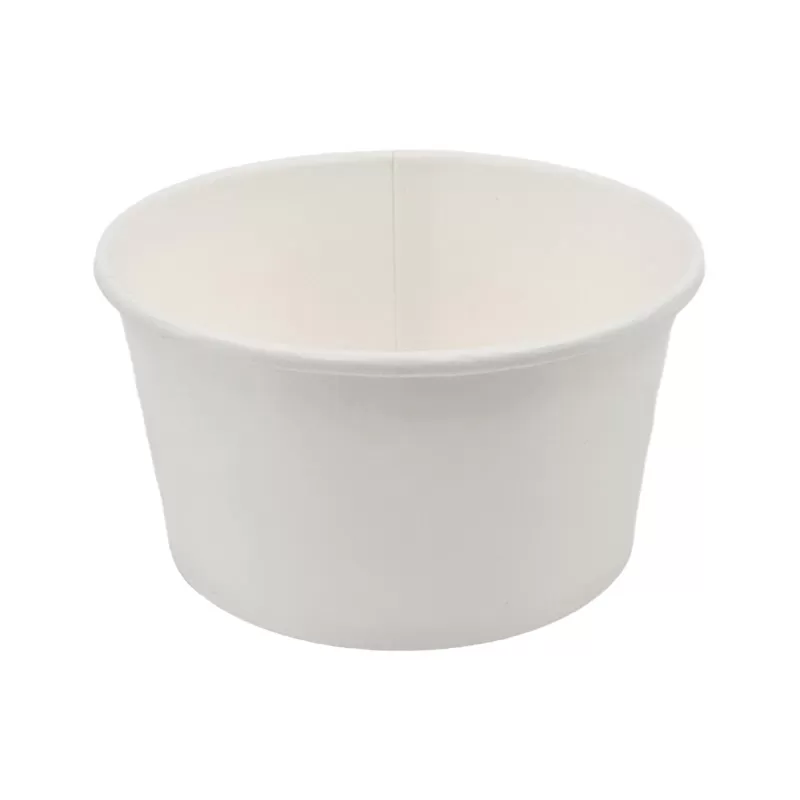
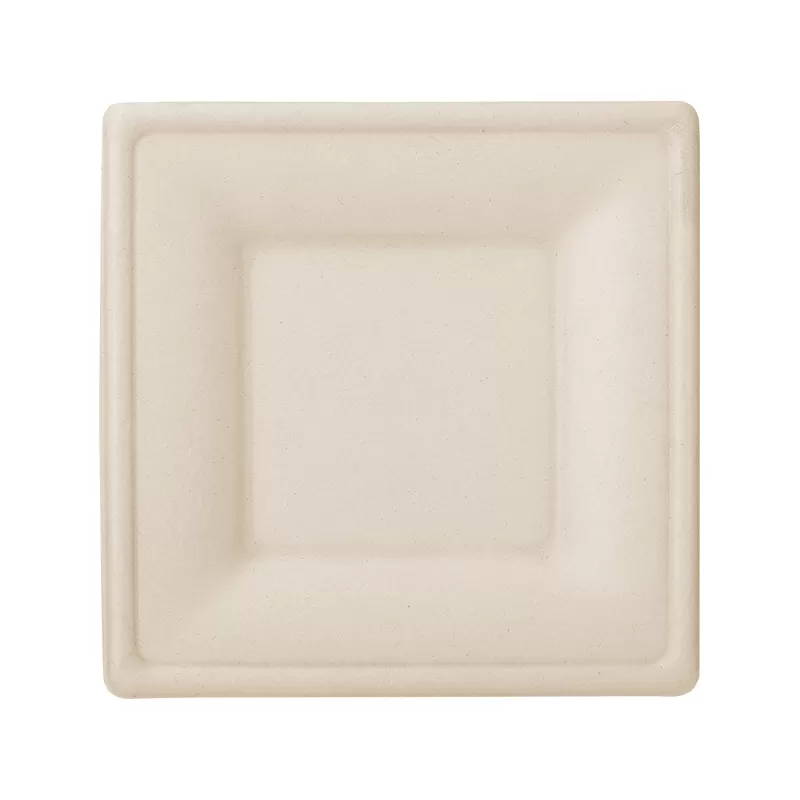
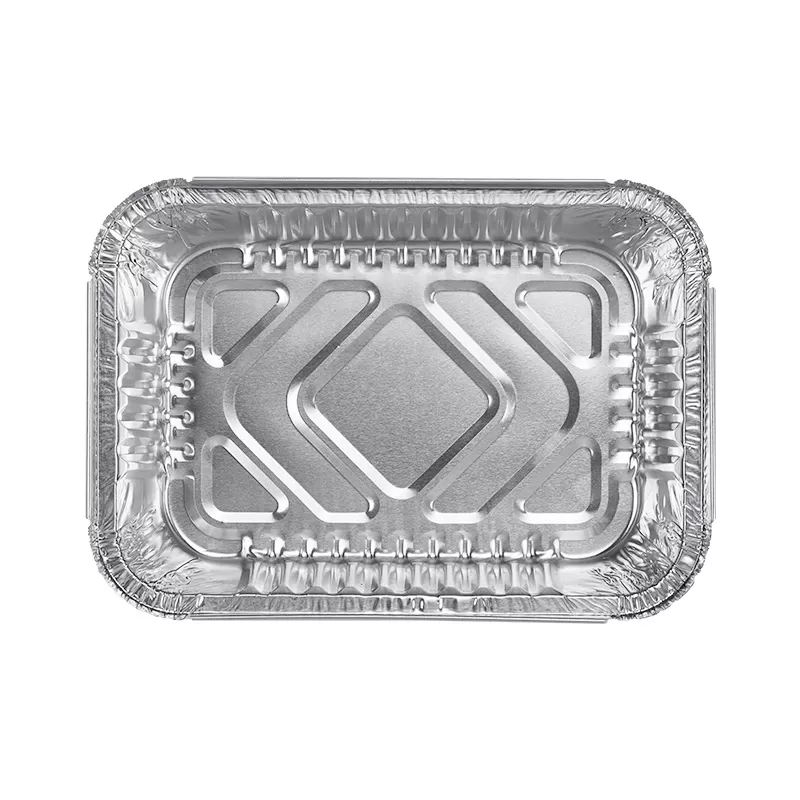
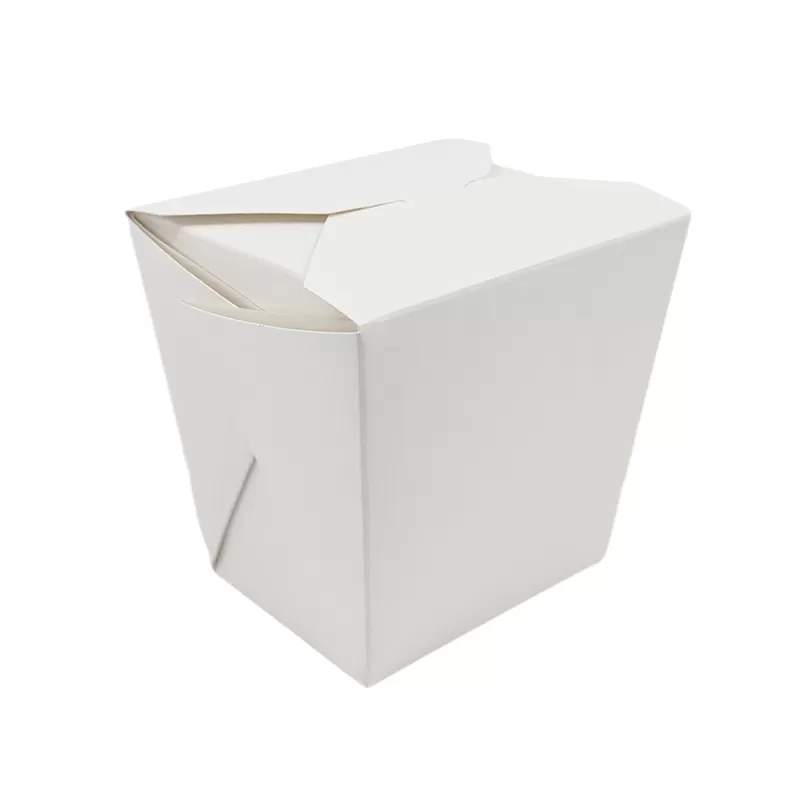
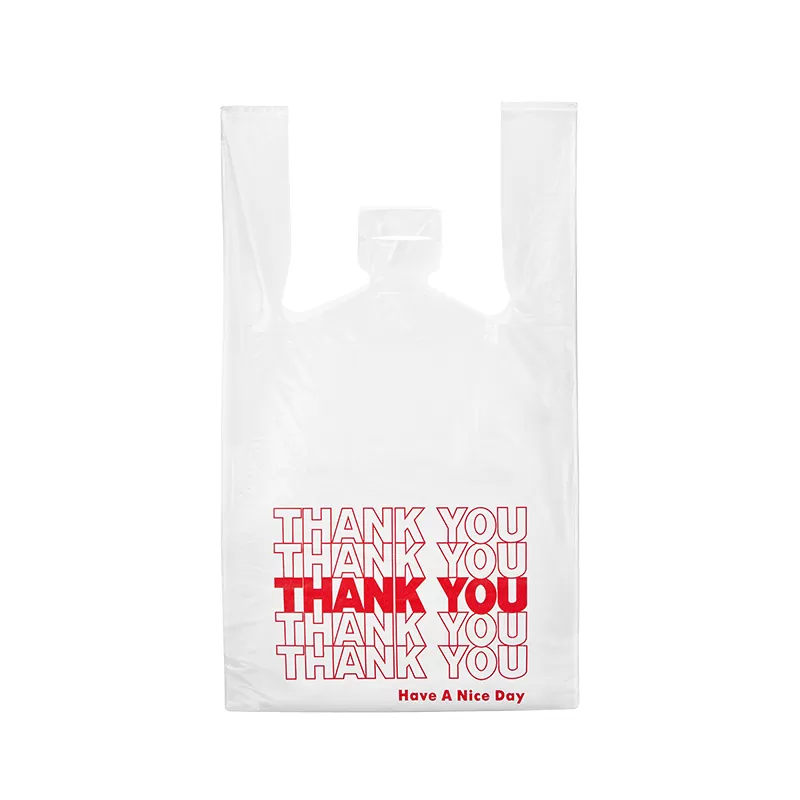
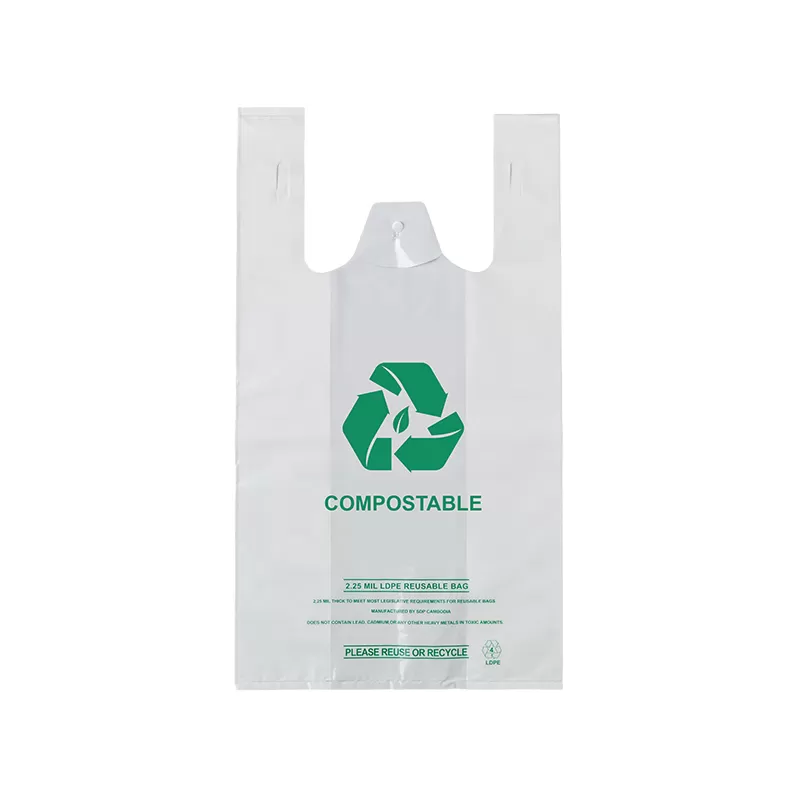
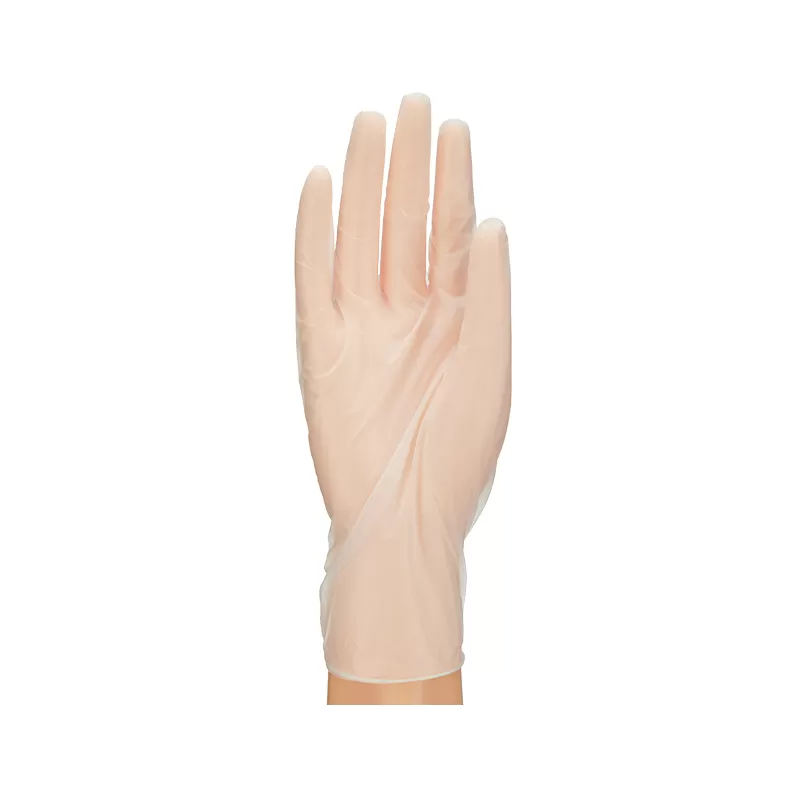
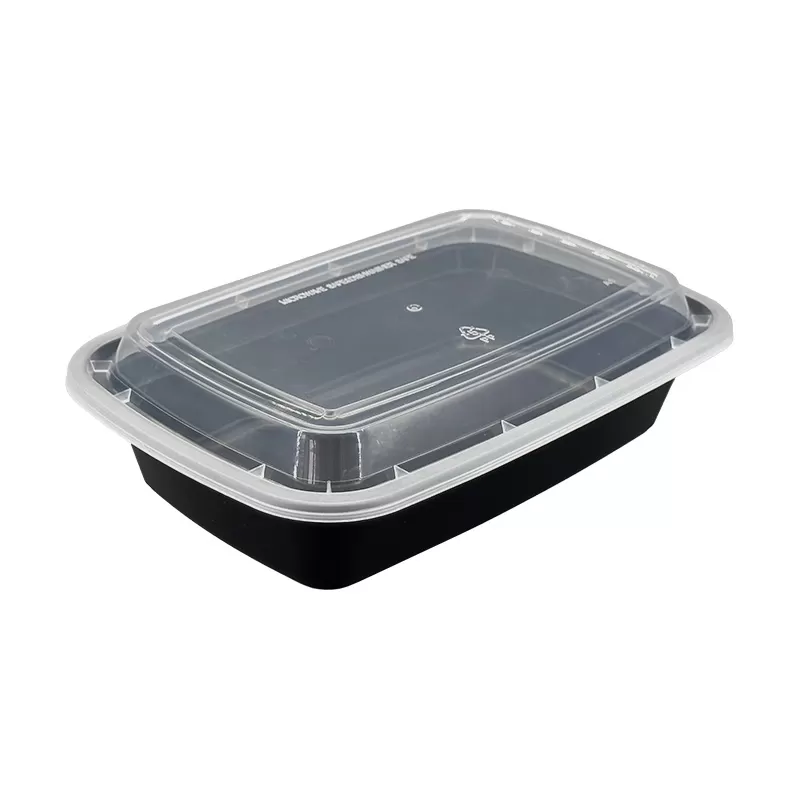
Most foodservice buyers manage far more than cutlery: cups, containers, bags, gloves, straws, and trays all have to arrive consistently. When each category comes from a different source, purchasing gets harder to coordinate and inventory gets harder to control.
Sourcing cutlery alongside the rest of your disposables from one partner simplifies communication, keeps product quality consistent, and makes replenishment easier. A takeout program may need containers, bags, napkins, and utensils together; a catering program may need trays, serving accessories, and kits; a grab-and-go program may need packaging and complete utensil sets. Coordinating them through a single supplier keeps the whole plan moving.
The Bottom Line
Efficient takeout, catering, and event service comes down to consistent details. The right PS cutlery helps teams pack faster, reduce missing items, and present meals well — and where polystyrene isn’t the right fit, Keystone Supply can supply the PP or compostable alternative instead.
Whether you need forks, knives, spoons, wrapped or unwrapped utensils, or complete kits, Keystone Supply supports practical sourcing across PS, PP, and compostable cutlery and the full range of disposable foodservice products. Contact Keystone Supply to review options and match a cutlery program to your operation.