When choosing hot beverage cups for your foodservice operation, understanding the cost differences between single-wall and double-wall cups can help you make an informed decision based on your business model, serving conditions, and customer experience goals.
The lowest-priced cup is not always the lowest-cost option overall. Businesses should also consider sleeves, storage, handling time, and the temperature of the beverages being served.
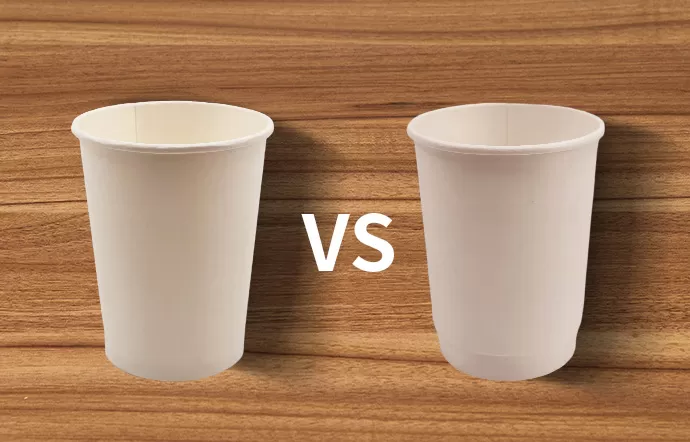
Single-Wall Cups: Lower Upfront Cost
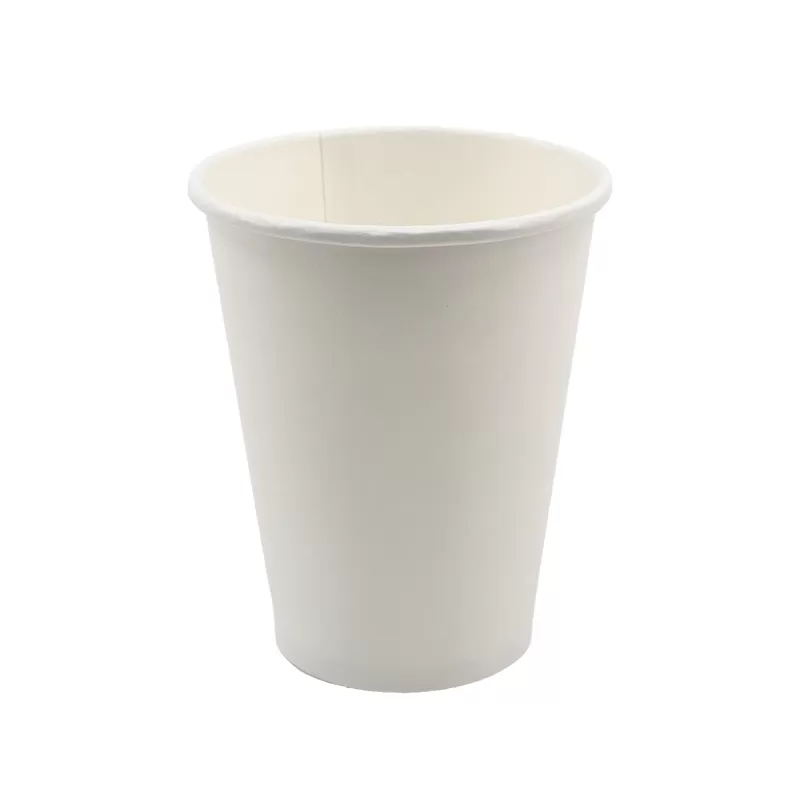
Single-wall cups are made with a single layer of paperboard, which makes them less expensive to manufacture and purchase. A single wall hot cup is an excellent choice for high-volume operations looking to minimize unit costs.
These cups are commonly used in fast-paced environments where drinks are consumed quickly or served with an additional sleeve. They may also be suitable for beverages served at moderate temperatures or for businesses that prefer to purchase cups and sleeves separately.
However, the main drawback is that single-wall cups typically require hot beverage sleeves for hotter drinks to improve customer comfort. When the cost of the sleeve is added, the total cost per serving may increase, especially in larger operations.
Businesses should therefore compare the price of the cup alone with the combined cost of the cup, sleeve, storage space, and handling time.
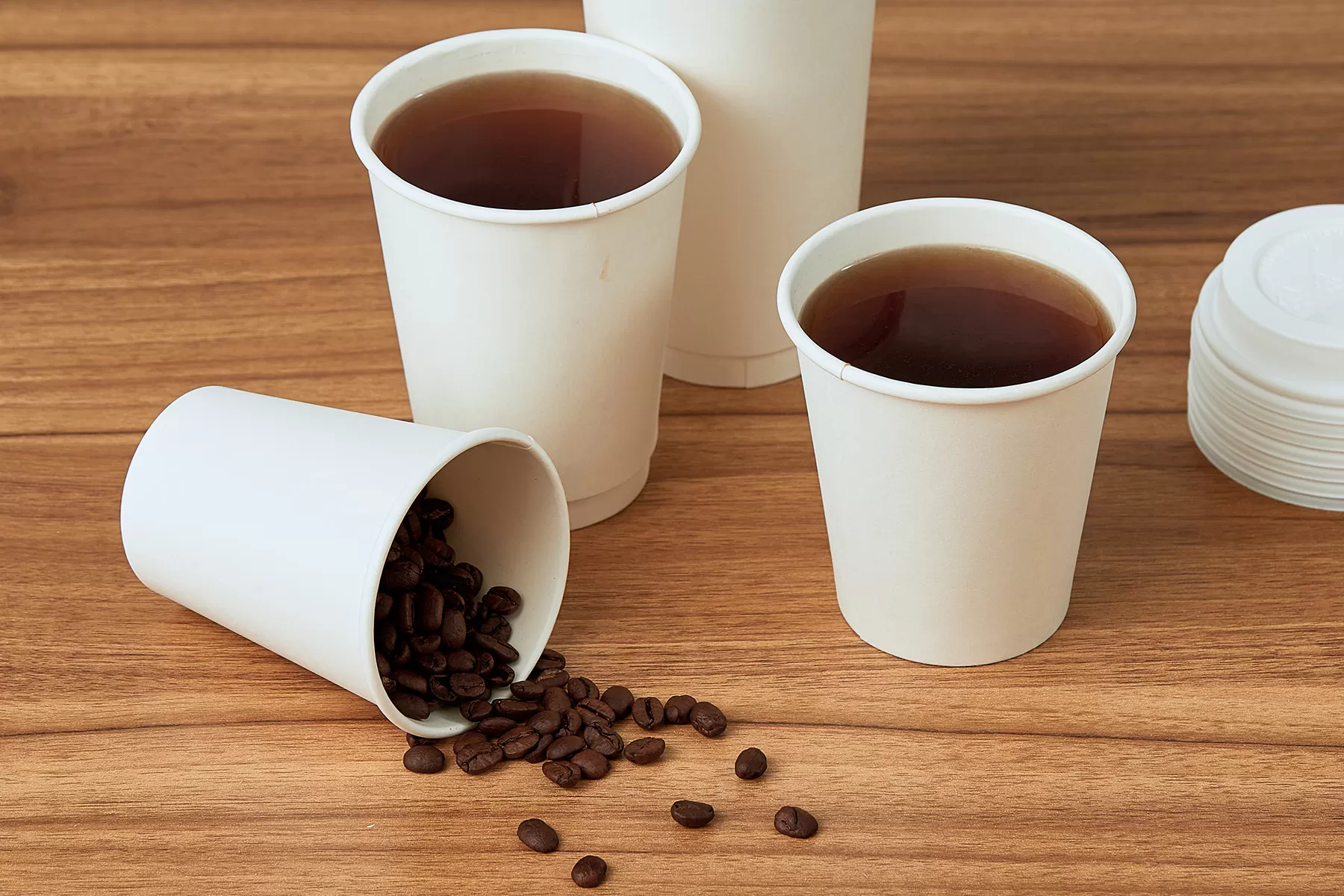
Double-Wall Cups: Built-In Insulation with Long-Term Value
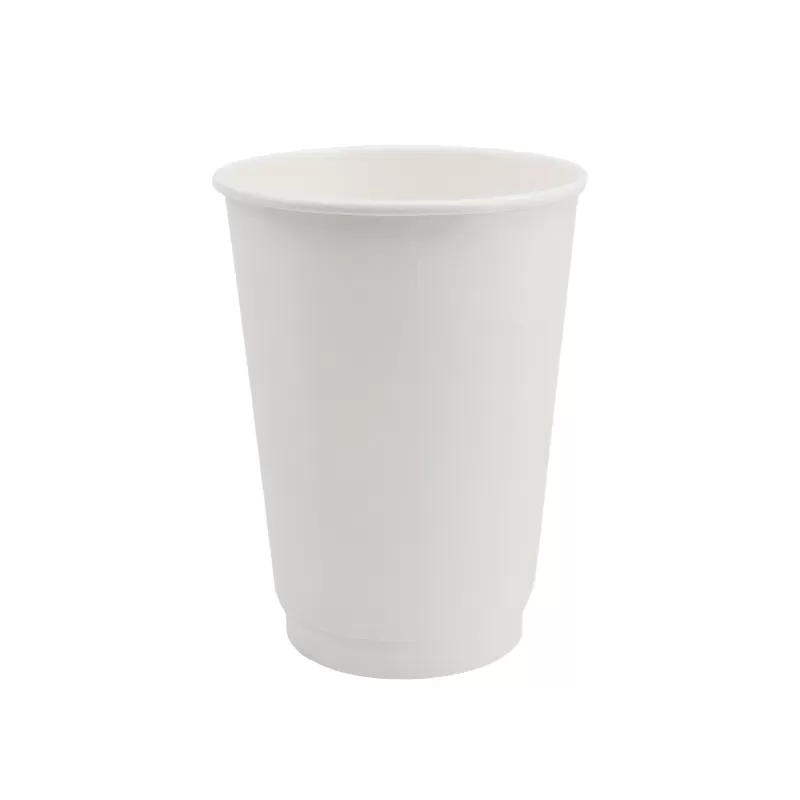
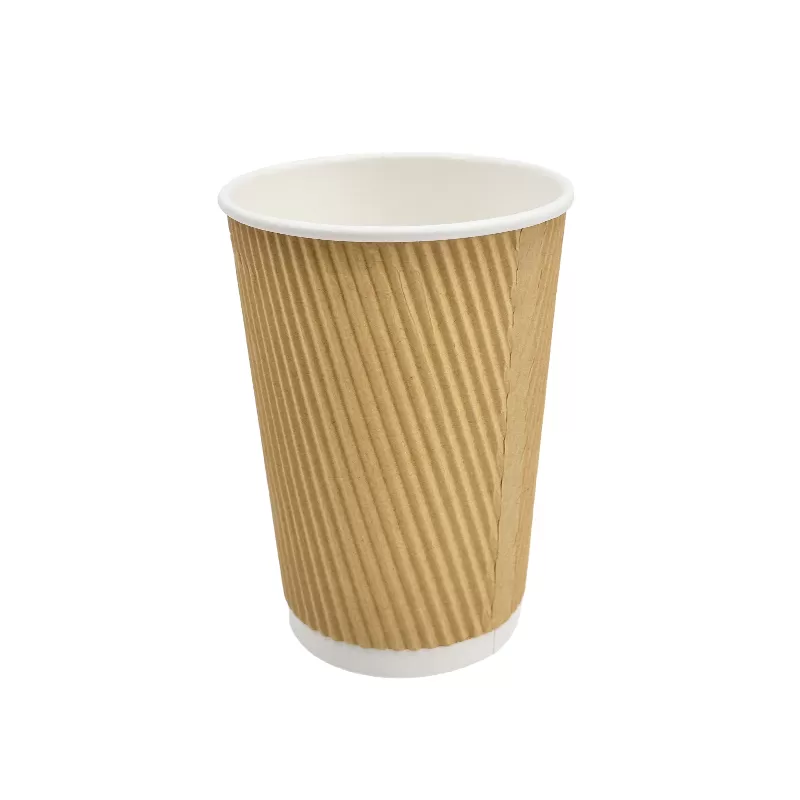
Double wall hot cups feature two layers of material, creating an insulating barrier that helps maintain beverage temperature and keeps the outer surface more comfortable to touch.
Because of this built-in insulation, sleeves are usually not needed. This can simplify inventory, reduce the number of separate packaging items required, and improve the customer experience.
Although double-wall cups come with a higher upfront price, their added comfort, durability, and branding potential may offer better value over time. These insulated paper coffee cups are well suited to businesses that want to provide a premium experience or serve drinks that customers may hold for longer periods.
Ultimately, single-wall cups may offer the lowest initial unit cost, while double-wall cups can provide greater overall value by combining the cup and insulation in one product.