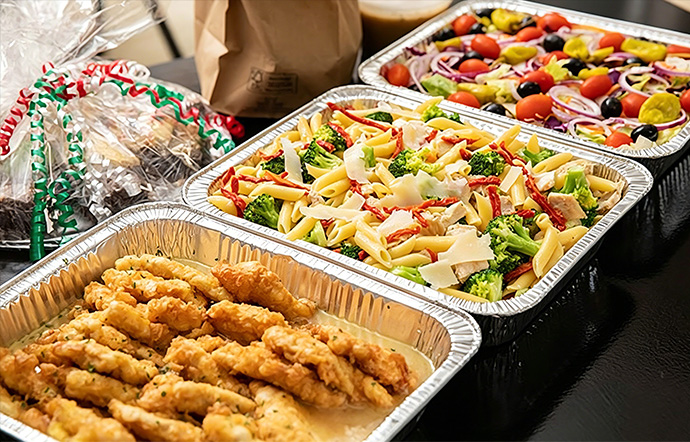
The global food service industry is undergoing a structural transformation driven by centralized meal production, institutional dining expansion, and the rapid growth of ready-to-eat distribution systems. Meals are no longer prepared and consumed only in traditional restaurant environments. Instead, they are increasingly assembled in central kitchens and distributed across schools, hospitals, corporate cafeterias, airline catering networks, retail prepared-food sections, and large-scale catering operations.
In this evolving ecosystem, packaging is no longer a passive accessory. It functions as a critical operational component that directly affects food quality, workflow efficiency, and environmental performance. Among all packaging formats, trays play a particularly important role because they support structured meal organization and high-volume distribution.
As a result, demand for molded fiber trays continues to rise as food service operators look for solutions that combine structural reliability with sustainability goals.
The Operational Role of Food Trays in Modern Systems
In modern food service operations, trays are not simply containers. They are part of a standardized system that supports portion control, meal organization, and efficient distribution at scale.
However, one often overlooked issue in traditional tray systems is premature food mixing. When compartments are poorly designed or materials lack stability, sauces and liquids can spread too early across different food components. This leads to texture degradation, flavor imbalance, and reduced overall meal satisfaction.
For example, crispy items may lose their texture when exposed too early to sauces, while starch-based foods can become soggy before reaching the consumer. These quality issues are especially critical in institutional dining and pre-portioned meal systems.
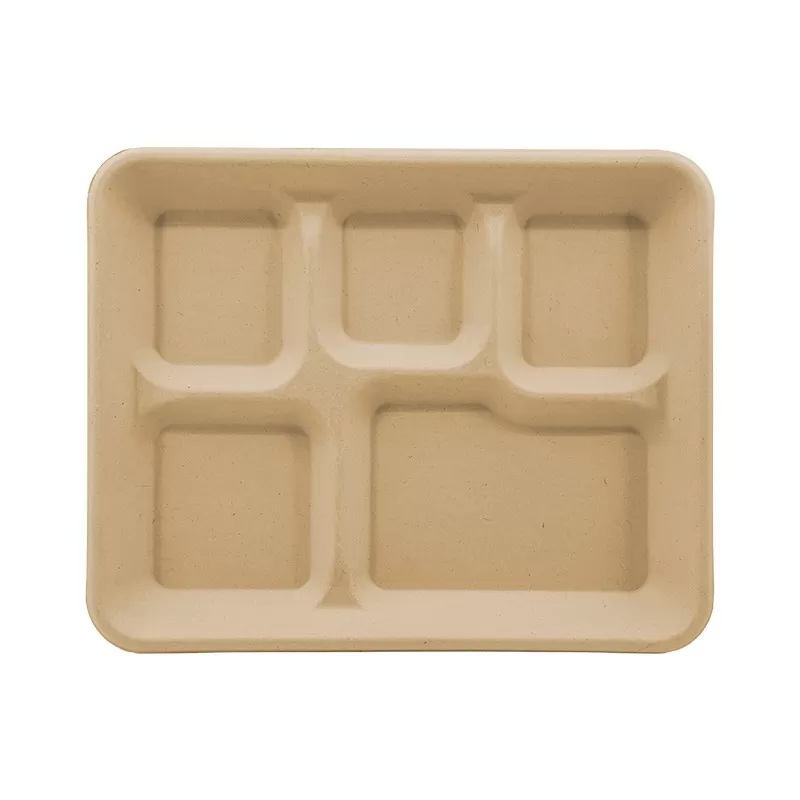
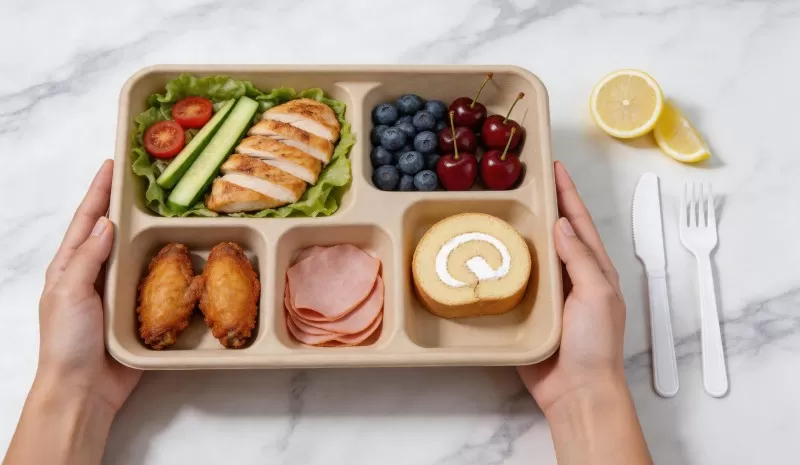
A well-designed fiber food trays system helps reduce this problem by providing more stable compartmental separation and improved structural rigidity during transport. This ensures that food components remain distinct until the moment of consumption, preserving intended texture and flavor profiles.
Material Innovation and the Shift Toward Sustainability
Beyond functional performance, environmental responsibility has become a defining factor in packaging selection. Governments in many regions are tightening restrictions on single-use plastics, while consumers increasingly prefer packaging that aligns with sustainable practices.
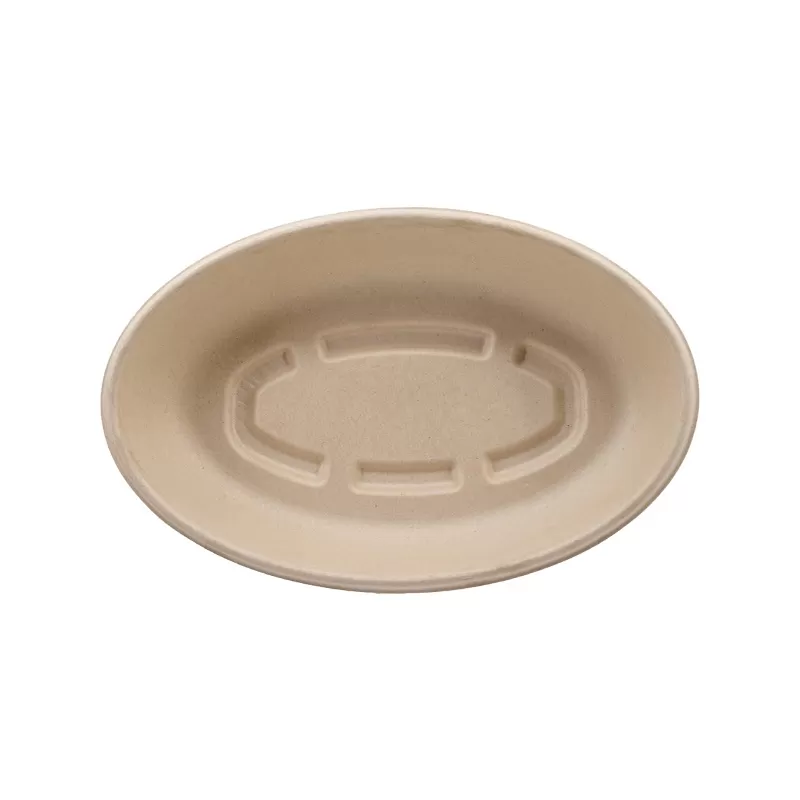
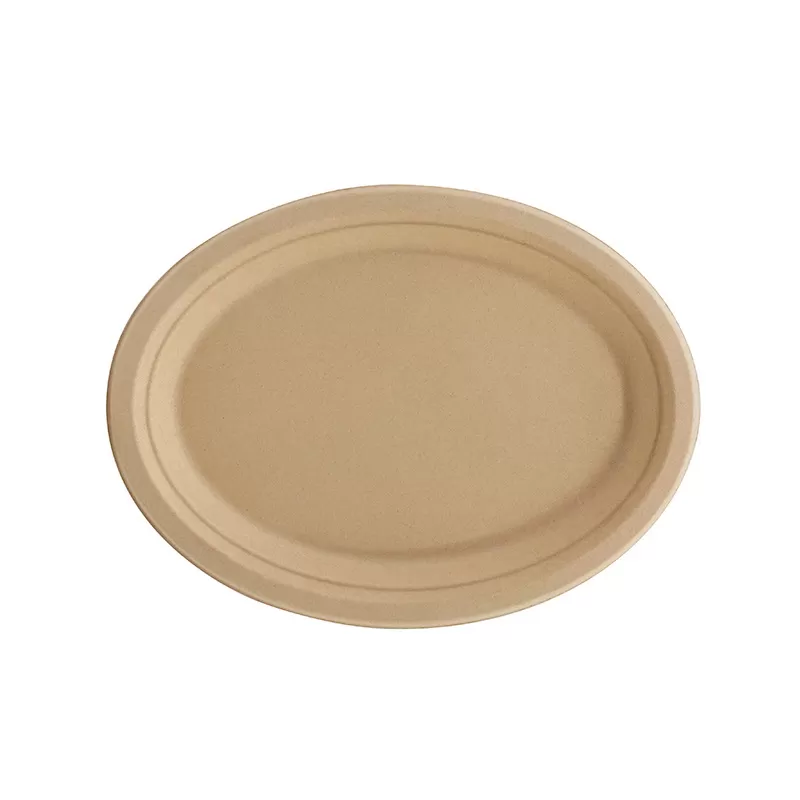
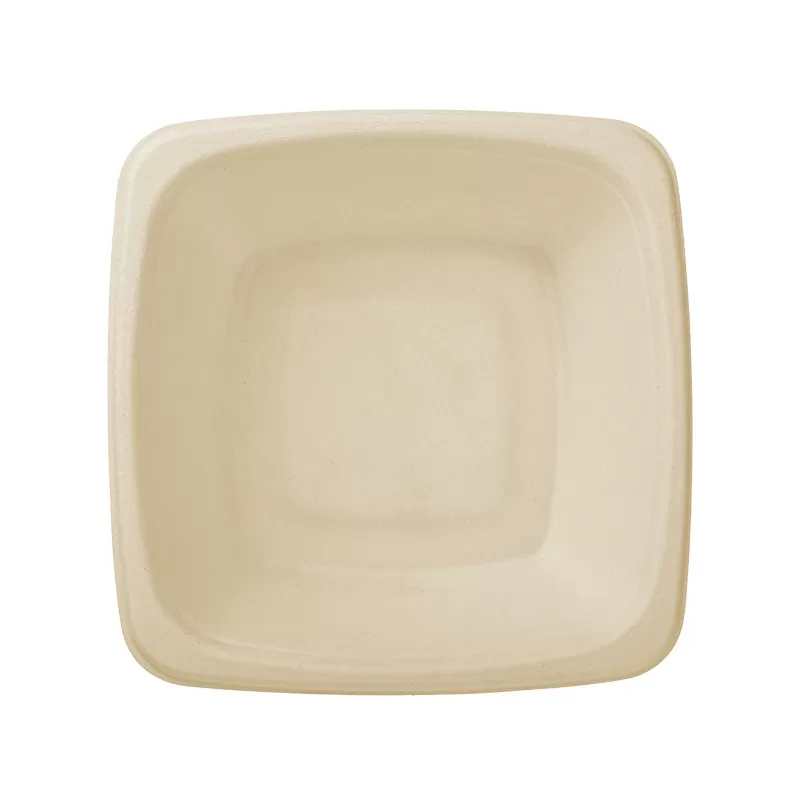
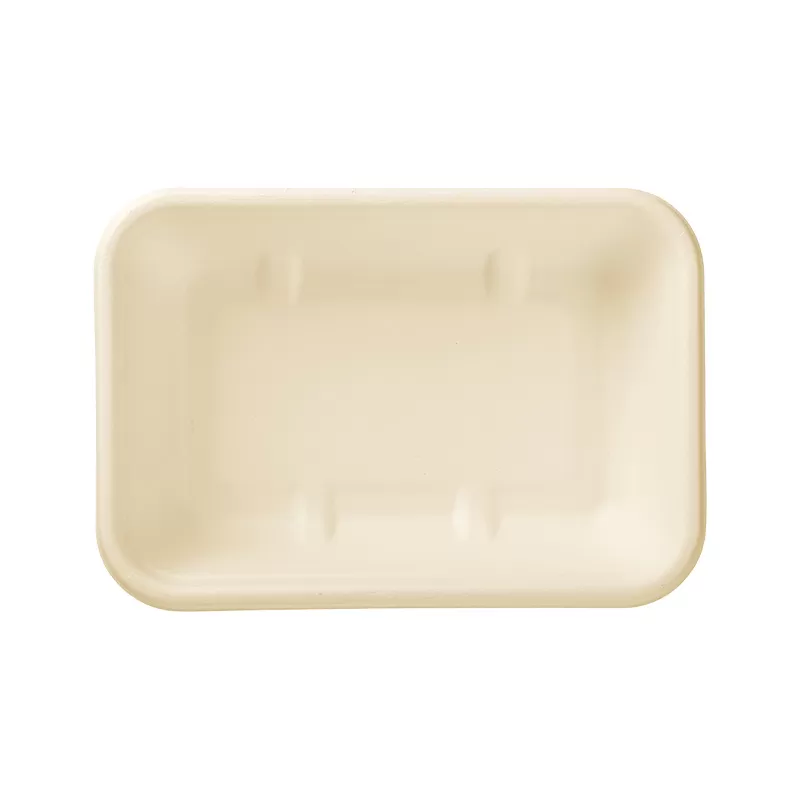
This has accelerated the adoption of molded fiber food tray solutions made from renewable plant-based materials such as sugarcane bagasse. These materials are formed under heat and pressure into rigid tray structures that support both performance and environmental goals.
Unlike conventional plastic or foam trays, molded fiber alternatives significantly reduce long-term environmental impact by relying on renewable resources and supporting compostable end-of-life pathways. This makes them particularly suitable for institutions and food service operators aiming to meet sustainability targets without compromising operational needs.
Functional Performance in Real Food Service Conditions
Molded fiber trays are designed to perform in demanding operational environments where stability, efficiency, and consistency are essential.
They support stable stacking in centralized kitchens, maintain structural integrity during transport, and reduce deformation under load. This is particularly important in high-volume operations where thousands of meals may be prepared and distributed within short time windows.
Additionally, their compartment-based design supports organized meal presentation while helping maintain separation between food components. This improves consistency in both appearance and consumption experience across institutional and commercial food systems.
Why Molded Fiber Trays Are Expanding Across Food Service Systems
The adoption of molded fiber trays is accelerating across multiple sectors due to their adaptability and system-level performance.
In institutional dining environments such as schools and hospitals, trays must support standardized meal layouts and efficient distribution while maintaining hygiene and consistency.
In corporate cafeterias and industrial food service operations, speed and throughput are critical, requiring trays that can support rapid assembly and distribution without structural failure.
In retail prepared-food environments, trays must preserve product appearance and stability during shelf display and consumer handling.
Across all these environments, molded fiber trays provide a balance of structural reliability and environmental alignment that traditional materials struggle to achieve.
Keystone's Approach to Molded Fiber Tray Systems
Keystone, a U.S.-based supplier serving global food service markets, has developed a comprehensive range of molded fiber tray solutions designed specifically for modern operational requirements.
Rather than treating trays as basic disposable items, Keystone approaches them as integrated components of food distribution systems, focusing on performance consistency and environmental responsibility.
Structural Stability for High-Volume Use
Keystone molded fiber trays are engineered to maintain rigidity under load, even in demanding environments involving stacking, transport, and repeated handling.
This stability reduces deformation risks and helps ensure consistent meal presentation throughout the distribution process.
Environmental Responsibility Through Material Design
Sustainability is a core principle in Keystone’s product development. Its molded fiber trays are produced from renewable plant-based materials, helping reduce dependence on plastic-based packaging systems.
This supports food service operators in meeting regulatory requirements while also aligning with growing consumer expectations for environmentally responsible packaging.
Operational Efficiency in Food Distribution
Keystone tray systems are designed to integrate smoothly into high-volume food service workflows. Their consistent structure and stackable design help improve handling efficiency in centralized kitchens and distribution centers.
This reduces preparation time during peak demand periods and enhances overall operational flow.
Balanced Performance in Real Service Environments
Food trays must withstand exposure to heat, moisture, and oil while maintaining structural integrity. Keystone’s molded fiber materials are designed to perform reliably under these conditions, ensuring stable support for food throughout preparation, transport, and service.

Application Environments
Keystone molded fiber tray solutions are widely used across multiple food service sectors, including:
Institutional dining programs
Hospital and healthcare meal systems
Airline and transportation catering
Corporate cafeteria operations
Retail prepared-food packaging
Large-scale catering and event services
In each of these environments, trays play a central role in ensuring operational efficiency and consistent food quality delivery.
The Future of Molded Fiber Tray Systems
As global food systems continue to centralize and scale, packaging requirements will become more complex. Future tray solutions will need to balance multiple priorities simultaneously, including food integrity, operational efficiency, regulatory compliance, and environmental sustainability.
Within this evolving landscape, molded fiber trays are expected to become a foundational standard in institutional and commercial food service packaging systems.
For organizations seeking to improve both operational performance and environmental outcomes, Keystone’s molded fiber tray solutions offer a practical, scalable, and forward-looking approach to modern food service challenges.