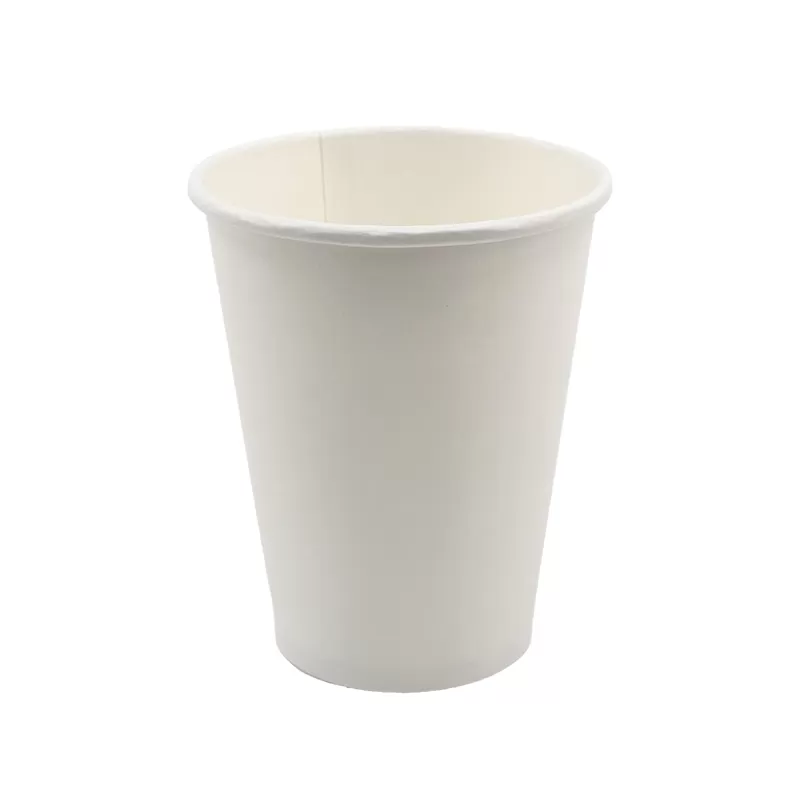
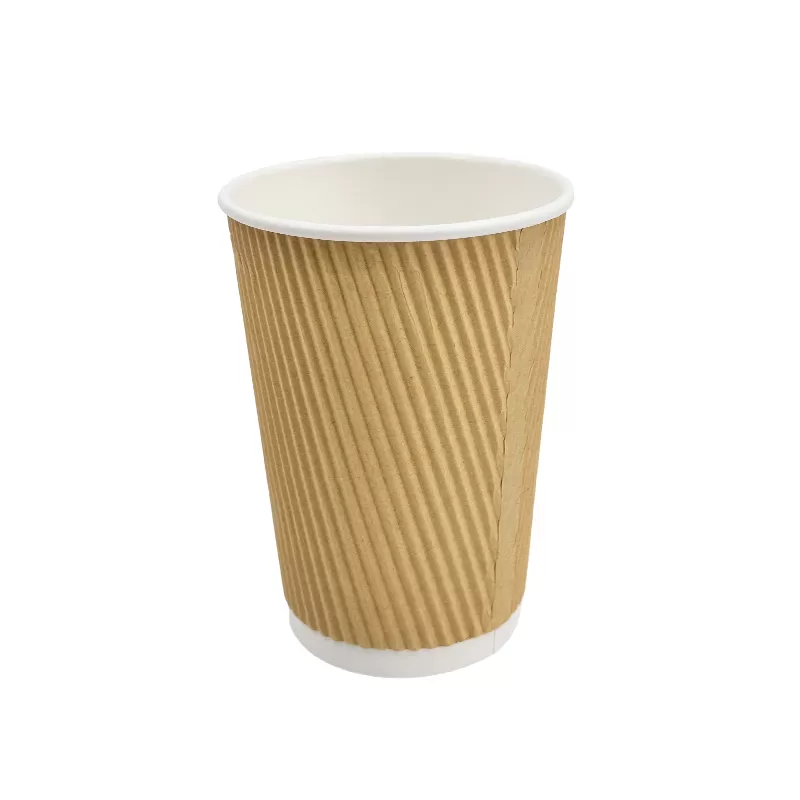
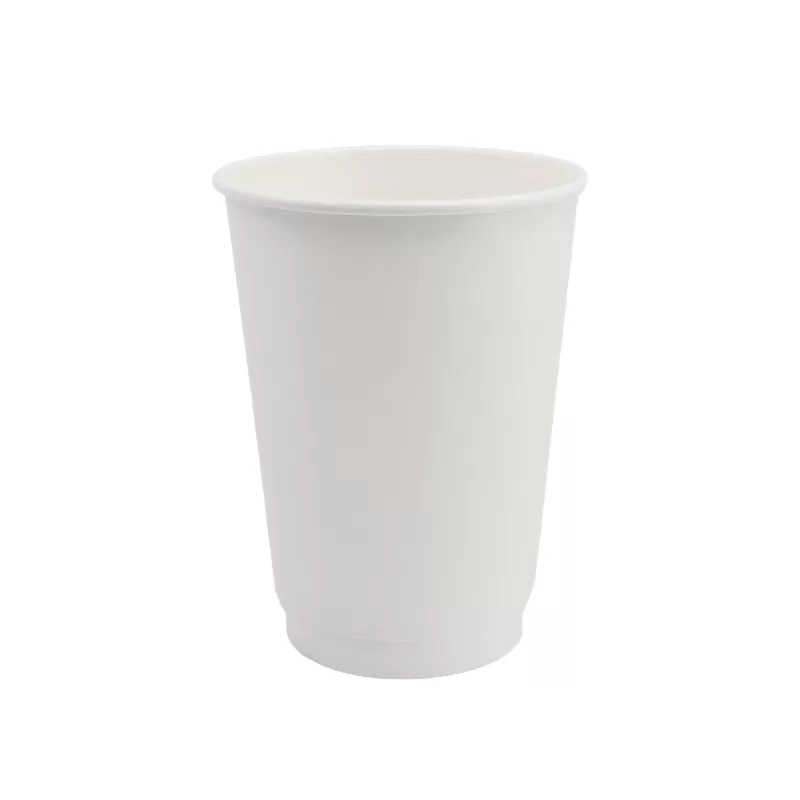
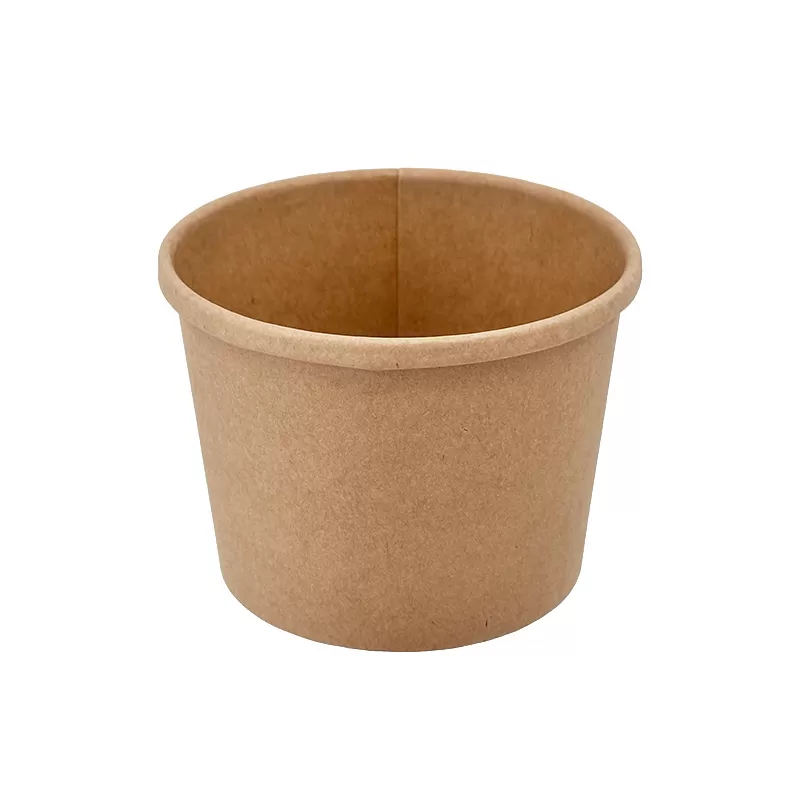
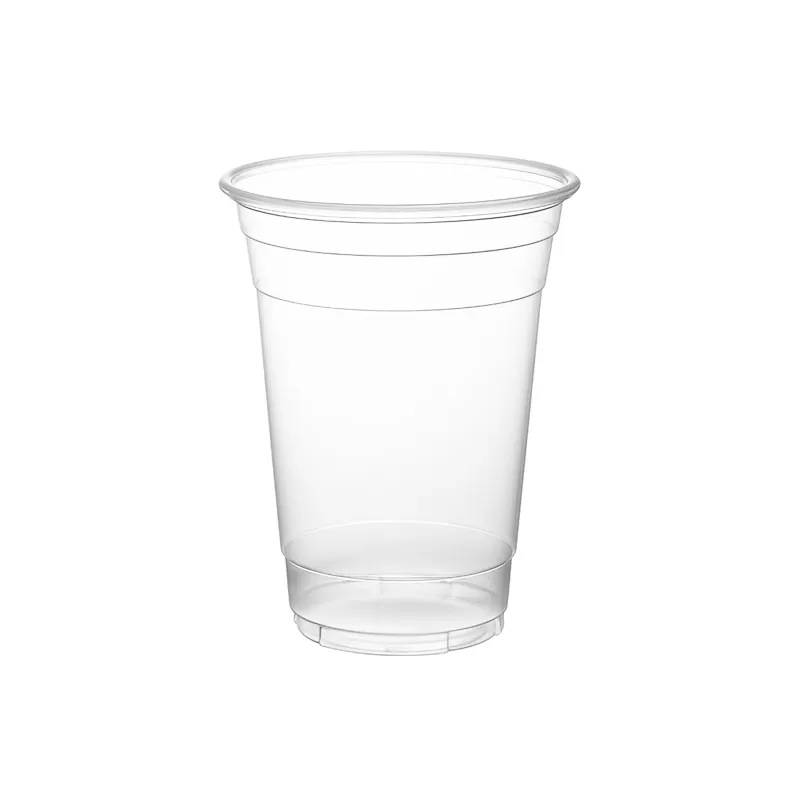
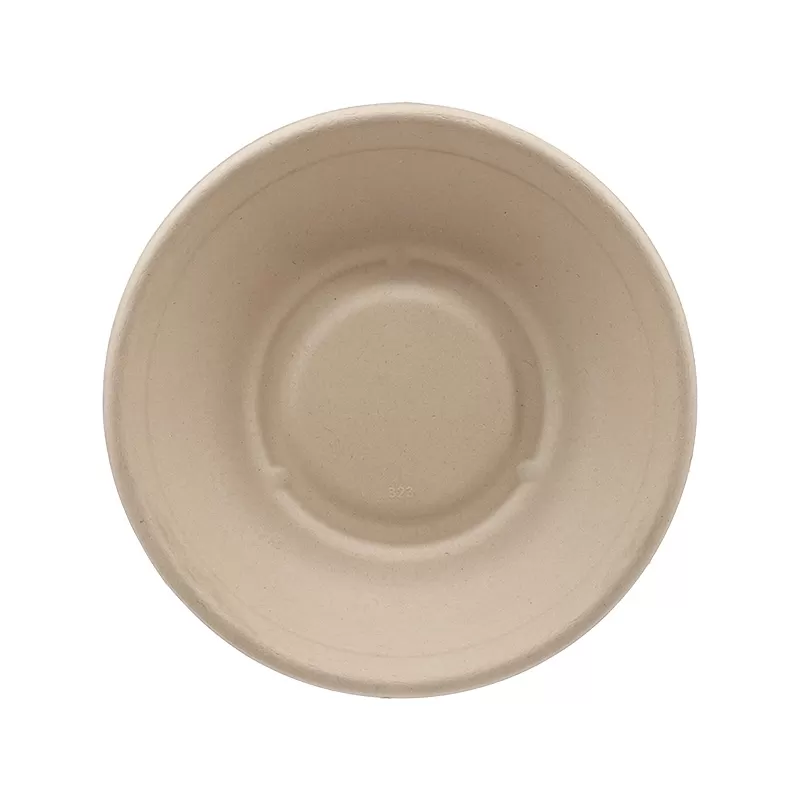
For ice cream shops, gelato counters, cafés, and distributors, choosing bulk paper ice cream cups should start with actual menu portions. Cup capacity must work with scoop volume, toppings, lids, takeout handling, and portion-cost targets. A cup that is too small can crowd toppings or prevent secure closure, while an oversized cup can make a standard serving look smaller than intended.
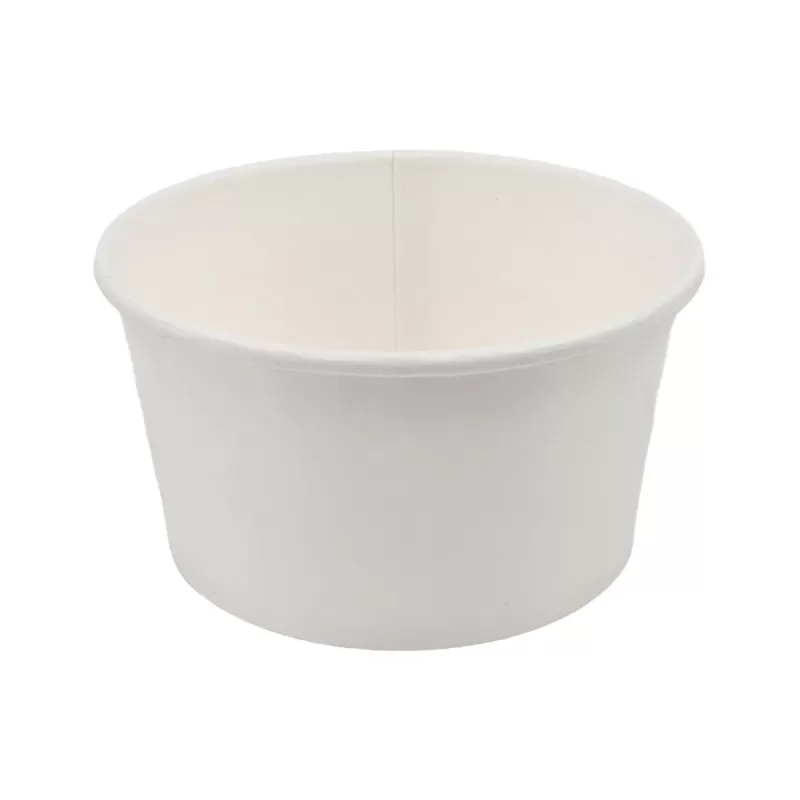
Keystone Supply currently lists 6 oz, 8 oz, 10 oz, 12 oz, and 16 oz ice cream cups. The 6-8 oz cups share a 3.80-inch paper lid, while the 10-16 oz cups share a 4.53-inch lid family with paper and PET dome options. This allows buyers to plan several serving sizes without stocking a separate lid for every cup.
Ice Cream Cup Capacity vs. Scoop Volume and Weight
Cup ounces describe container capacity, not the exact weight of the ice cream inside. Frozen desserts vary in density, air content, mix-ins, and serving technique, so shops should measure their own menu portions instead of assuming that one scoop always equals a fixed number of ounces.
• Measure the actual scoop: Use the scoop used in daily service and record the approximate filled weight for the specific product.
• Test the finished item: Place the normal scoop count and toppings in the cup, then check headspace and presentation.
• Check lid closure: Confirm that a paper or dome lid closes without pressing into the finished dessert.
For small paper ice cream cups, 6 oz and 8 oz formats can be useful starting points for compact servings, but the correct size should be confirmed with real products and staff portioning.
Comparing Small, Medium, and Large Serving Formats
Cup size should reflect how each menu item is sold. Smaller formats can support compact servings, while larger sizes provide more room for multiple scoops, sauces, or takeout toppings. KSI groups its current range into two main rim diameters, which can simplify inventory planning.
Sizes | Diameter | Lid family | Use |
6 oz, 8 oz | 3.80 in | Paper, 6-8 oz | Small servings |
10 oz, 12 oz, 16 oz | 4.53 in | Paper / dome, 10-16 oz | Medium/large servings |
Allowing Space for Toppings and Takeout Lids
The full capacity of disposable paper ice cream cups should not automatically become the fill level for every dessert. Sundaes, whipped cream, fruit, sauces, and cookie pieces require usable headspace. KSI lists a PET dome lid for the 10-16 oz family, which can provide extra vertical clearance for selected toppings. Shops should test the complete cup-and-lid combination with the actual menu item and takeout bag before approving a size.
Cup Dimensions and Portion-Cost Control
Cup dimensions also influence how a serving looks. A wider cup spreads scoops across a larger surface, while a taller cup creates a different visual presentation. Portion-cost control therefore works best when the cup, scoop tool, recipe, and staff procedure are standardized together. For retail-packaged products, capacity and labeled serving size are separate concepts; the FDA notes that Nutrition Facts serving sizes reflect amounts people typically consume, not recommended portions. See the FDA guidance on serving size when planning packaged retail products.
Building a Size Chart from Measured Menu Portions
Before ordering ice cream cup containers in volume, build a simple size chart from the shop’s actual menu rather than generic scoop assumptions.
• Record the base portion: List the scoop count and average filled weight for each core menu item.
• Add normal toppings: Test sauces, whipped cream, fruit, and mix-ins that change required headspace.
• Assign the final cup and lid: Choose the smallest format that consistently fits the approved finished portion and closes securely.
Repeat the test with more than one employee to check portion variation. Once the chart is stable, purchasing can focus on a limited set of bulk paper ice cream cups, reducing unnecessary SKUs and simplifying seasonal forecasting.
Conclusion
Choosing bulk paper ice cream cups requires more than matching an ounce number to a scoop count. Shops should measure real portions, allow room for toppings and lids, compare cup dimensions, and standardize serving procedures before committing to inventory. Keystone Supply’s 6 oz through 16 oz range provides several options across two main lid families. Testing menu items first helps buyers build a simpler packaging program that supports portion control, takeout performance, and efficient ordering.
FAQs About Bulk Paper Ice Cream Cups and Sizes
What paper ice cream cup sizes does Keystone Supply list?
KSI currently lists 6 oz, 8 oz, 10 oz, 12 oz, and 16 oz paper ice cream cups.
Do 6 oz and 8 oz cups use the same lid?
Yes. Both are listed with a 3.80-inch diameter and use the same paper lid family.
Which KSI cups can use a dome lid?
KSI lists a 4.53-inch PET dome lid for its 10 oz, 12 oz, and 16 oz ice cream cups.
Does cup capacity equal ice cream weight?
No. Cup capacity measures volume. Finished weight varies with product density, air content, mix-ins, and portioning, so shops should test their own recipes.