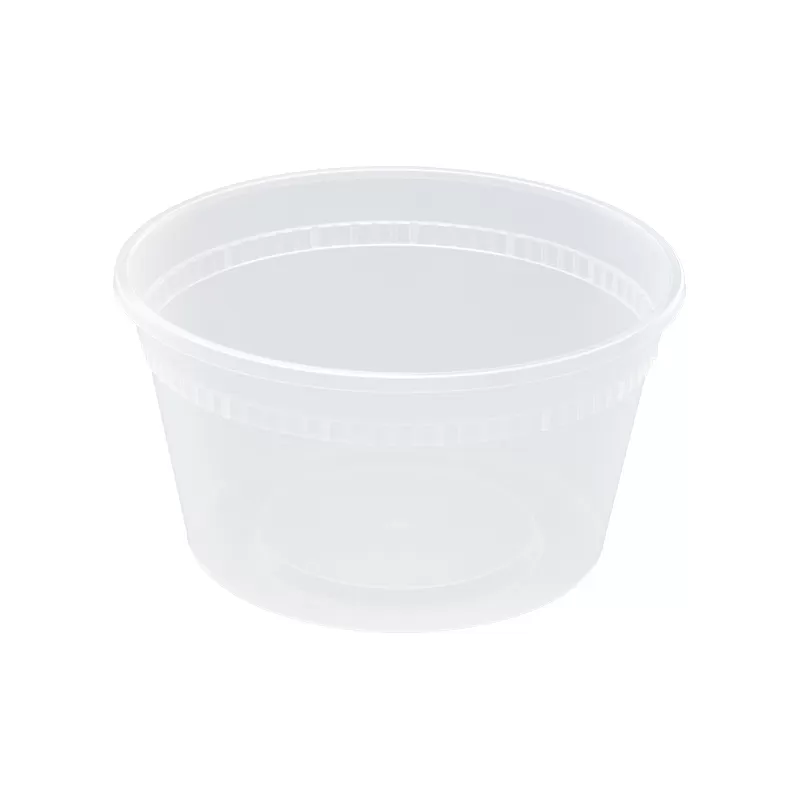
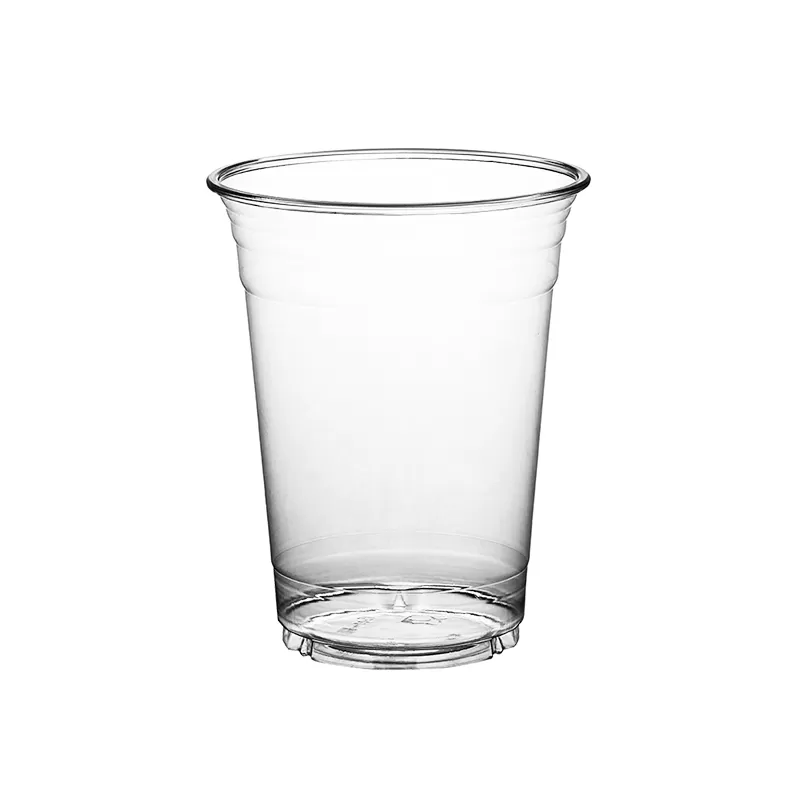
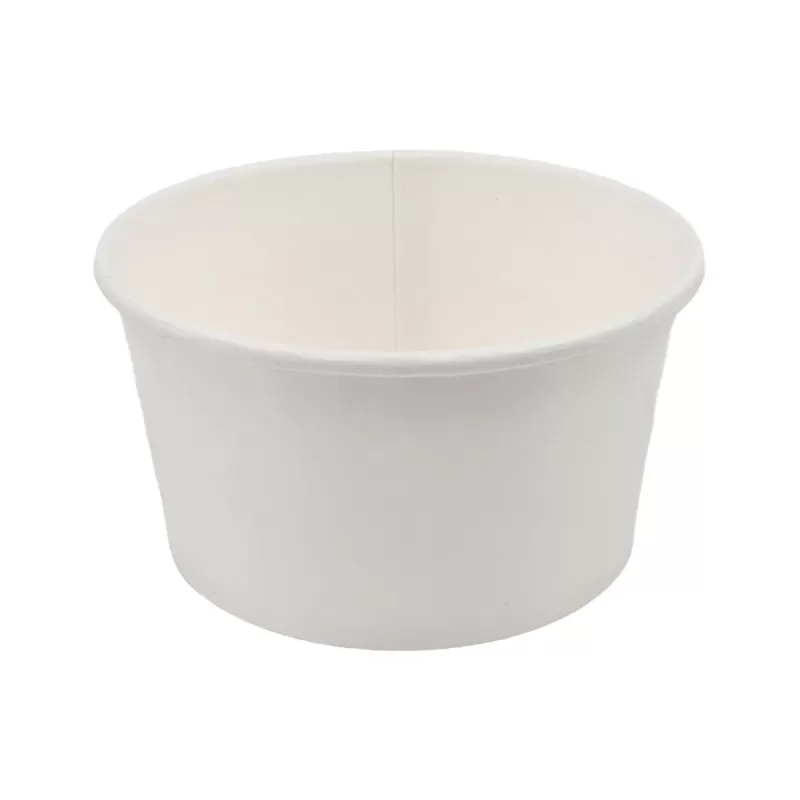
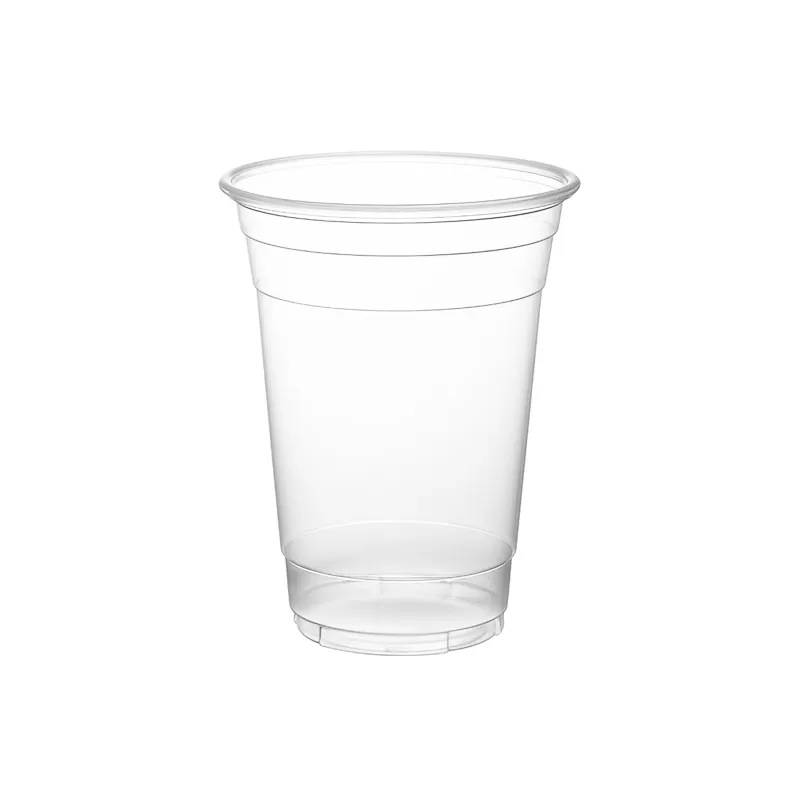
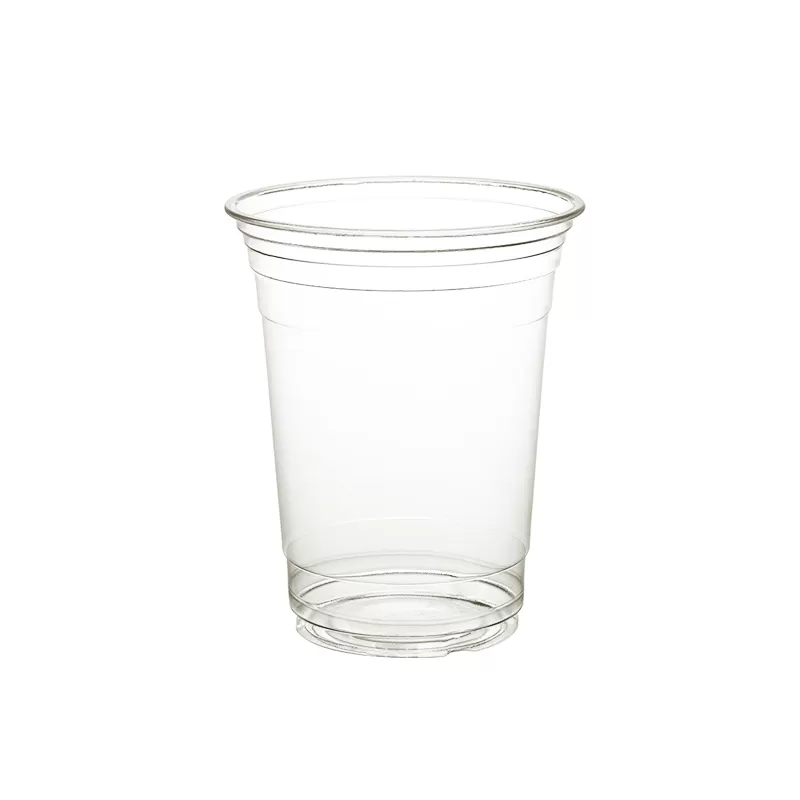
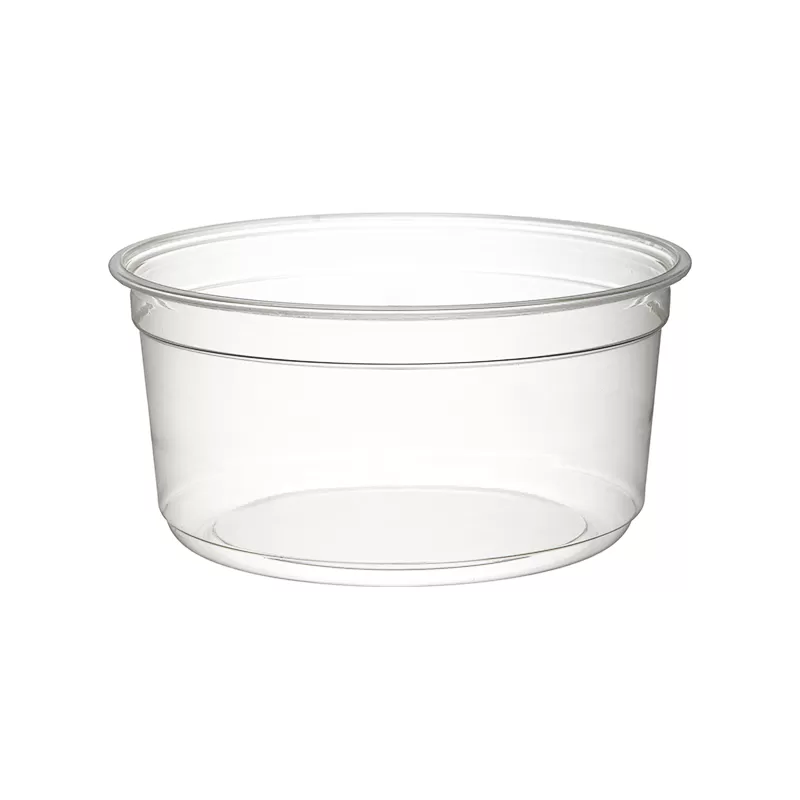
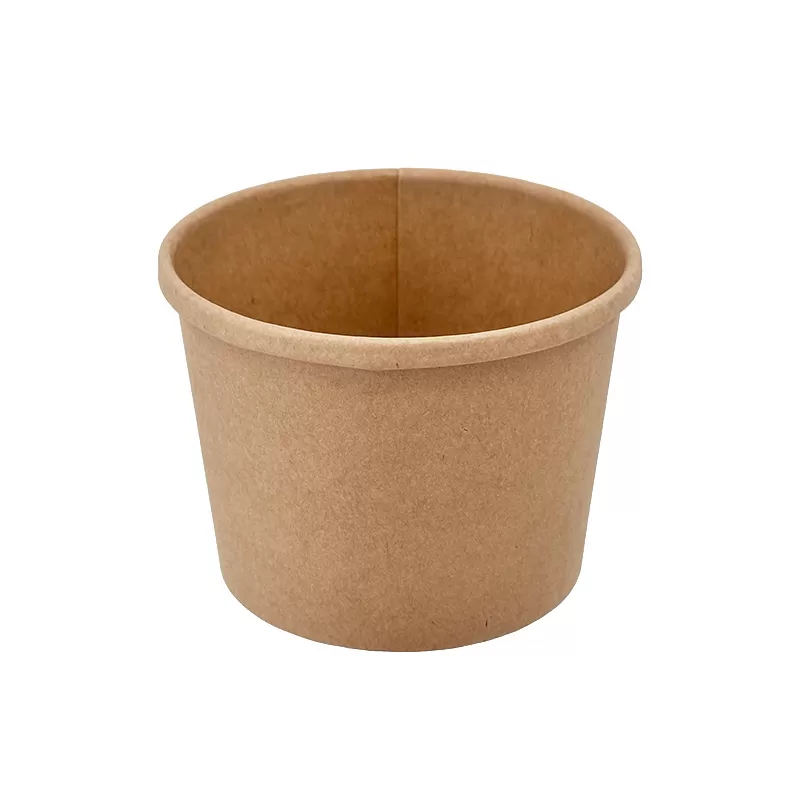
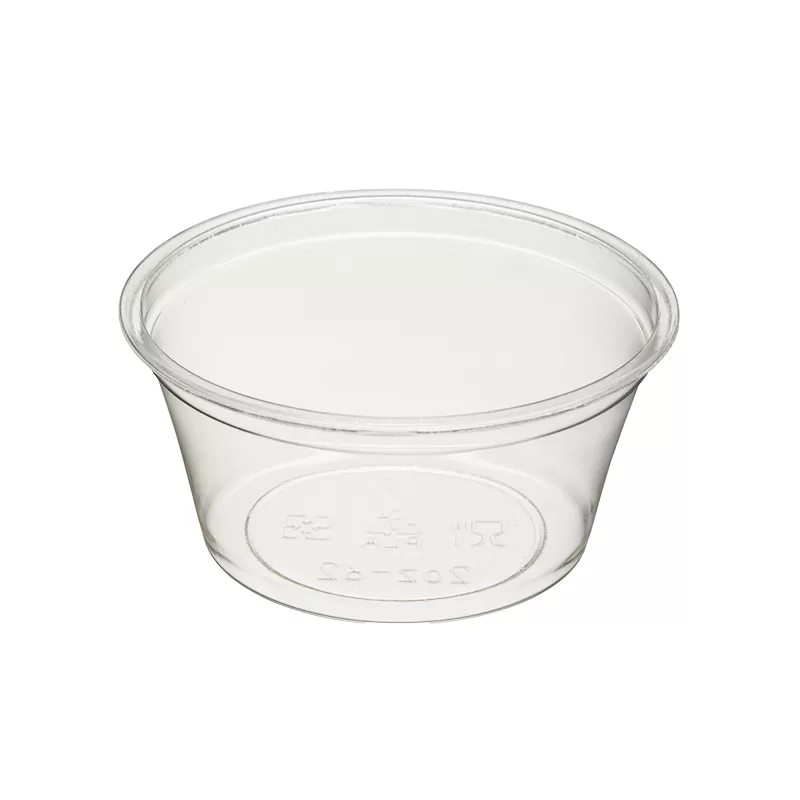
For delis, cafés, grocery stores, and grab-and-go programs, salad packaging must protect ingredients while remaining easy to store, display, and transport. PLA deli containers can be a practical option for cold salads because their clear construction allows customers to see the contents while the container and lid help keep ingredients contained during handling.
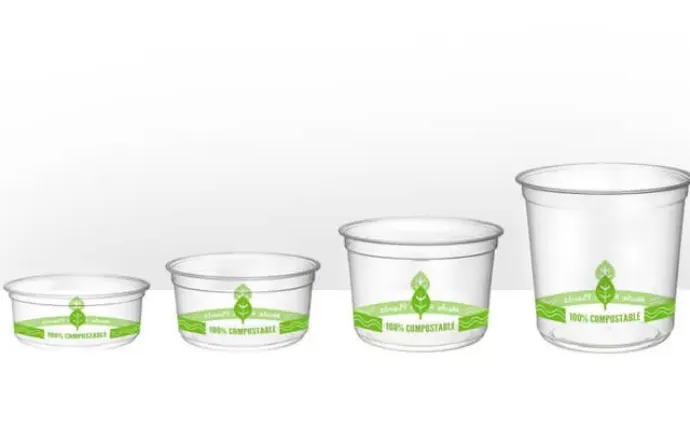
Keystone Supply offers clear PLA deli containers in 8 oz, 12 oz, 16 oz, 24 oz, and 32 oz sizes. The listed sizes share a 4.61-inch diameter and compatible PLA lid, helping businesses simplify lid inventory.
Salad Packaging Requirements for PLA Deli Containers
Start with the actual salad menu rather than choosing sizes only from a catalog. Side salads, fruit salads, pasta salads, grain bowls, and entrée salads have different volume and ingredient needs. The package should provide enough capacity without compressing leafy ingredients or interfering with lid closure.
• Portion size: Choose enough capacity for the serving while leaving suitable headspace for toppings and bulky ingredients.
• Ingredient type: Wet ingredients, sauces, proteins, and cut fruit may require more attention to filling level and closure.
• Cold-food use: PLA packaging is intended primarily for cold or room-temperature applications rather than hot filling.
• Lid compatibility: Confirm that the selected container and lid belong to the same compatible packaging family.
Because KSI’s five listed sizes share one diameter and compatible lid, operators can standardize several portions without maintaining a separate lid for each size.
KSI PLA deli container size planning
Container size | Diameter | Possible packaging role |
8 oz | 4.61 in | Small side salad, fruit, or toppings |
12 oz | 4.61 in | Small prepared salad |
16 oz | 4.61 in | Standard individual portion |
24 oz | 4.61 in | Larger meal-style salad |
32 oz | 4.61 in | Large or shareable portion |
These uses are planning examples rather than serving recommendations. Each business should test its own recipes and portion standards before finalizing the packaging program.
Ingredient Layering and Dressing Separation
Salad assembly can affect appearance and texture after refrigeration. Heavy or wet ingredients placed directly over delicate greens may compress leaves or transfer moisture. For layered salads, denser ingredients such as grains, beans, firm vegetables, or proteins can be positioned where they do not pressure lighter ingredients.
Dressing should also be considered as part of the packaging system. Depending on the recipe and expected holding time, keeping dressing separate may help maintain texture. A PLA food container should therefore be evaluated with the actual salad ingredients rather than tested empty.
Filling and Lid Closure to Reduce Spills
Consistent portioning improves presentation and lid closure. Overfilling can put ingredients in the sealing area and increase the risk of leakage or opening during transport. Staff should keep the rim clear and check that the lid is engaged around the full container.
Salads containing dressing, fruit, tomatoes, or other high-moisture ingredients deserve additional testing. One advantage of KSI’s current PLA containers is that the 8 oz through 32 oz sizes use the same listed 4.61-inch PLA lid, which can reduce lid-selection errors during busy service periods.
Refrigerated Storage and Display Considerations
PLA deli containers are intended for cold-food applications. Prepared salads should move into appropriate refrigeration promptly after packing, and the packaging should be evaluated under real holding conditions.
For food-safety planning, the USDA Refrigeration & Food Safety guidance advises maintaining refrigerators at 40°F or below. Display testing should also check whether condensation, ingredient moisture, or excessive holding time affects product presentation.
Stacking and Handling for Takeout and Delivery
A package that performs well in a refrigerated case should also be tested during takeout and delivery. Stack filled containers to confirm that lids remain closed and that upper containers do not damage salads below. Check whether each size fits securely in takeout bags, shelves, or delivery totes.
Testing should reflect real menu conditions rather than empty packaging. Containers holding dressing, tomatoes, fruit, or other moisture-rich foods may behave differently from those filled with dry greens. Staff should also be able to identify the correct portion size quickly during peak service.
Conclusion
An effective salad packaging program with PLA deli containers depends on more than capacity. Ingredient layering, filling level, lid closure, refrigeration, display conditions, and delivery handling all affect the finished product. Keystone Supply’s 8 oz to 32 oz PLA containers provide several portion options within one compatible lid family. Buyers should test actual menu items under normal preparation, refrigeration, stacking, and transport conditions before committing to larger orders.
FAQs About PLA Deli Containers for Salads
What sizes of PLA deli containers does Keystone Supply offer?
Keystone Supply currently lists 8 oz, 12 oz, 16 oz, 24 oz, and 32 oz PLA deli containers.
Do the different KSI PLA deli container sizes use the same lid?
Yes. KSI lists a 4.61-inch PLA lid for its 8 oz through 32 oz PLA deli container range. Buyers should still verify the current product specification when placing an order.
Are PLA deli containers suitable for hot salads?
They are primarily intended for cold or room-temperature foods. If a menu item is served warm or hot, buyers should confirm the appropriate container material before use.
Should salad packaging be tested before placing a bulk order?
Yes. Testing actual portions helps buyers evaluate capacity, lid closure, stacking, refrigeration performance, and handling before finalizing a packaging specification.
Authoritative reference: USDA - Refrigeration & Food Safety