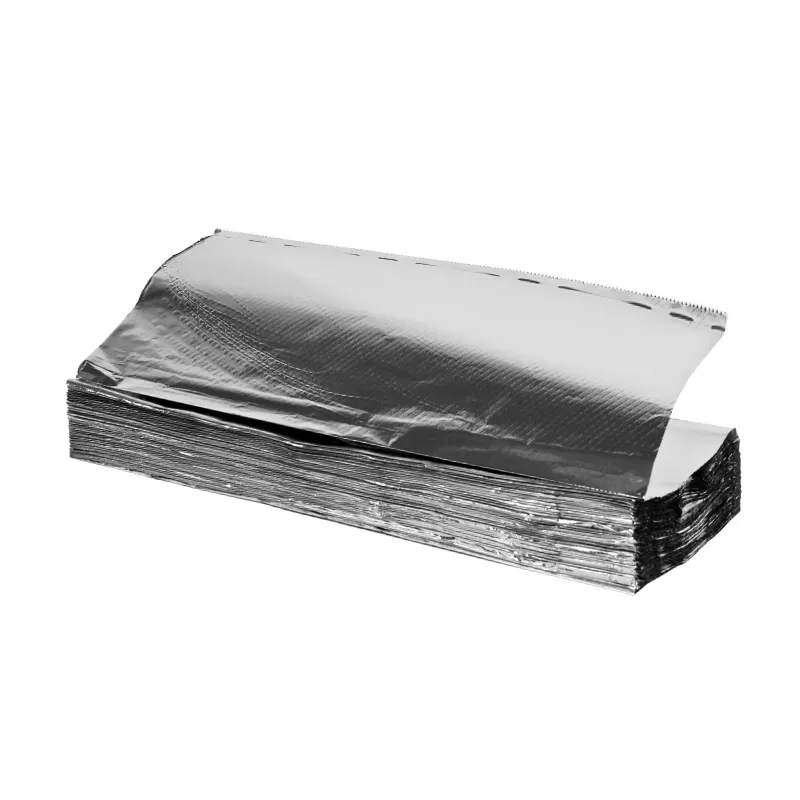
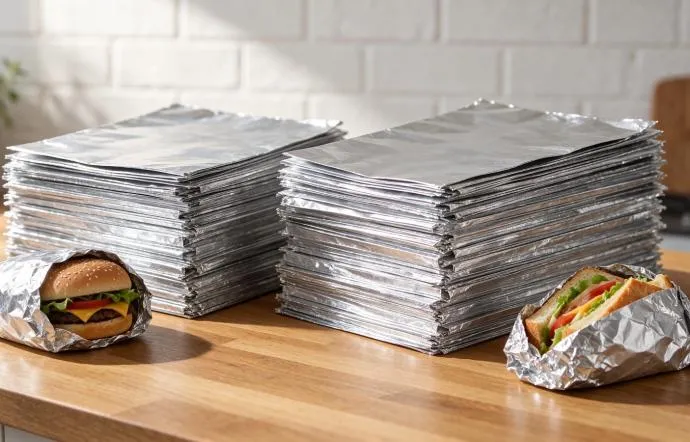
Using insulated foil sandwich wrap sheets helps foodservice businesses package sandwiches more efficiently while maintaining presentation and handling quality. The right wrapping method can support heat retention, reduce mess during transport, and keep sandwiches secure from preparation to delivery. However, good results depend on selecting the correct sheet size, understanding the wrap structure, and using a consistent folding method.
For restaurants, catering companies, and takeaway businesses, choosing the right insulated foil paper product is not only about keeping food warm. The packaging must also manage moisture, sauces, filling pressure, and delivery movement. A proper wrapping process ensures that sandwiches arrive in better condition while improving staff efficiency.
Identifying the Food-Contact Side of Insulated Foil Wrap
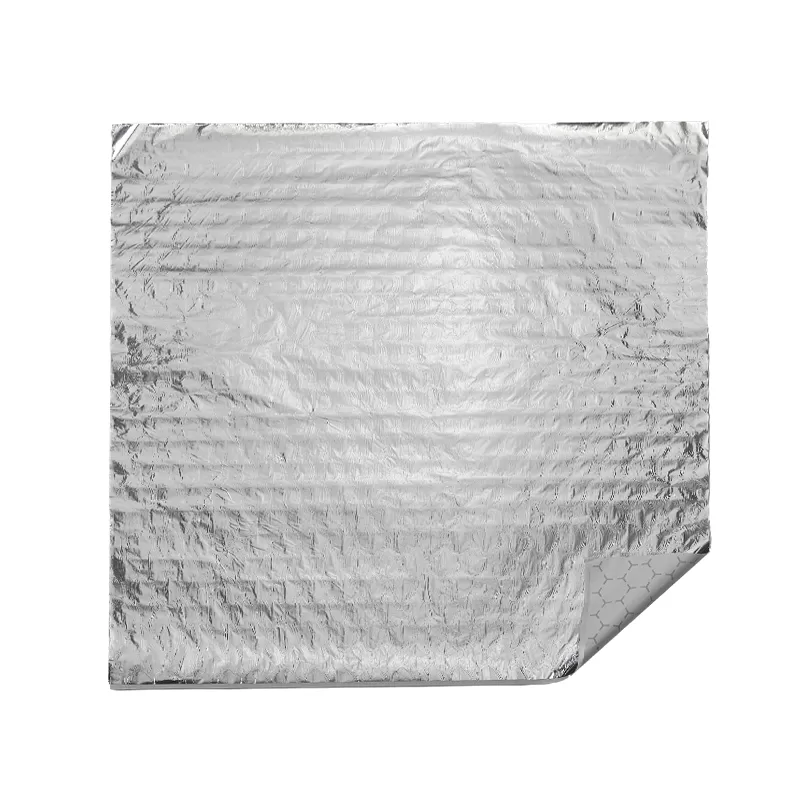
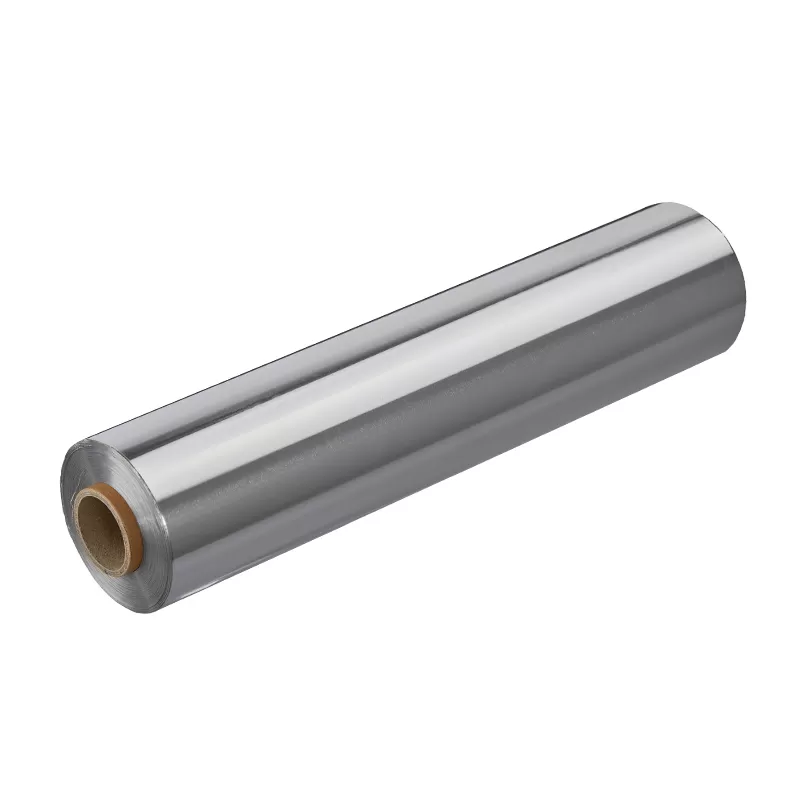
Insulated foil wrap products may combine aluminum foil with paper or other insulating layers. The correct food-contact side depends on the product design, so the shiny or matte surface should not be used as the only indicator.
Before wrapping sandwiches, confirm the product structure and intended usage. Key points to check include:
· Manufacturer instructions: Verify which side is designed for direct food contact and follow temperature recommendations.
· Material construction: Understand whether the product uses foil on the outside, paper on the inside, or another layered structure.
· Food application: Confirm that the wrap is suitable for hot sandwiches, cold items, or the specific menu category.
Some insulated foil paper products are designed with a food-safe inner surface and an insulating outer layer. Checking the supplier’s specifications helps avoid incorrect use and improves packaging consistency.
Selecting Sheet Size for Different Sandwich Shapes
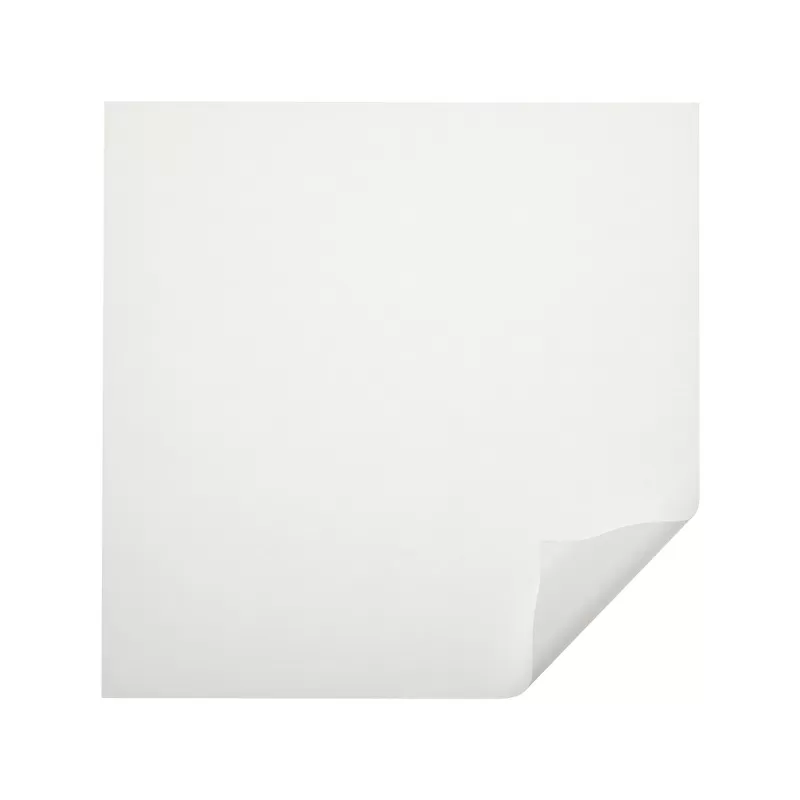
The correct sheet size depends on sandwich dimensions, thickness, and filling volume. A sheet should provide enough coverage for overlapping folds without leaving excessive unused material.
Smaller sandwiches, breakfast items, and simple wraps may work well with compact sizes because they require less coverage. Larger burgers, stacked sandwiches, and generously filled items usually need wider sheets to create secure side folds and prevent openings.
When selecting sheet sizes, consider the final wrapped shape rather than only the sandwich footprint. A taller sandwich requires additional material around the sides, while longer products may need more length for proper closure. Testing different sizes with actual menu items is the most reliable way to determine the best option.
Folding and End-Closure Methods for Takeout
A consistent folding process helps prevent sandwiches from opening during transport. Place the sandwich near the center of the sheet and leave enough material around all edges.
Start by folding one long side over the sandwich, then bring the opposite side across to create an overlapping seam. Press the seam flat and position it underneath the package for better stability. After that, fold both ends inward and secure the corners without compressing the sandwich too tightly.
For busy foodservice operations, staff should follow the same folding sequence for every item. Consistent wrapping improves speed, reduces packaging errors, and creates a cleaner appearance for customers. Catering foil sheets should also provide enough flexibility for different sandwich sizes while maintaining a secure closure.
Managing Steam, Sauces, and Excess Filling
Even insulated packaging cannot completely prevent moisture buildup. Hot ingredients release steam, and trapped moisture can soften bread or affect texture over time. Sauces and oversized fillings can also create pressure near the seams and increase the chance of leakage.
The wrapping method should match the sandwich composition. Avoid placing excessive filling close to the edges, and consider how hot ingredients, vegetables, and sauces interact during holding and delivery. A secure wrap should protect the sandwich while allowing enough space for proper closure.
Testing the complete package with the actual menu item is important. A wrap that performs well with a dry sandwich may not deliver the same result with a hot, sauce-heavy product.
Evaluating Wrapped Samples Under Actual Delivery Conditions
A wrapping method should be tested under conditions similar to real service. A package that looks secure at the preparation station may perform differently after transportation.
Evaluate wrapped samples based on:
l Heat retention: Check whether the sandwich remains at the expected temperature during the delivery period.
l Package strength: Confirm that folds remain closed and the material does not tear during handling.
l Moisture control: Look for condensation, soggy bread, or sauce leakage.
l Customer handling: Ensure the package remains easy to open while protecting the food.
These tests help businesses compare different sheet sizes and wrapping techniques before standardizing packaging procedures. Real-world testing provides more useful results than relying only on product descriptions.
Conclusion
Using insulated foil sandwich wrap sheets correctly requires more than simply covering a sandwich. Selecting the right size, identifying the correct food-contact side, applying consistent folds, and testing performance under delivery conditions all influence the final result. By matching the wrap to the food type and service environment, businesses can improve packaging efficiency while maintaining sandwich quality.
FAQs About Insulated Foil Sandwich Wrap Sheets
Which side of insulated foil wrap should face the sandwich?
Always follow the manufacturer’s instructions because the food-contact side depends on the specific material structure. Do not rely only on whether the surface looks shiny or matte.
What sheet size is best for sandwiches?
The best size depends on sandwich length, height, filling amount, and required overlap. Larger sandwiches generally need wider sheets for secure folding.
Can insulated foil wrap stop sandwiches from becoming soggy?
It can help manage temperature and moisture, but it cannot eliminate steam completely. Proper wrapping, filling control, and testing are still necessary.
Are insulated foil sandwich wrap sheets suitable for catering?
Yes, when the product is designed for the intended food type and holding conditions. Test the wrap under realistic preparation and transport situations before large-scale use.