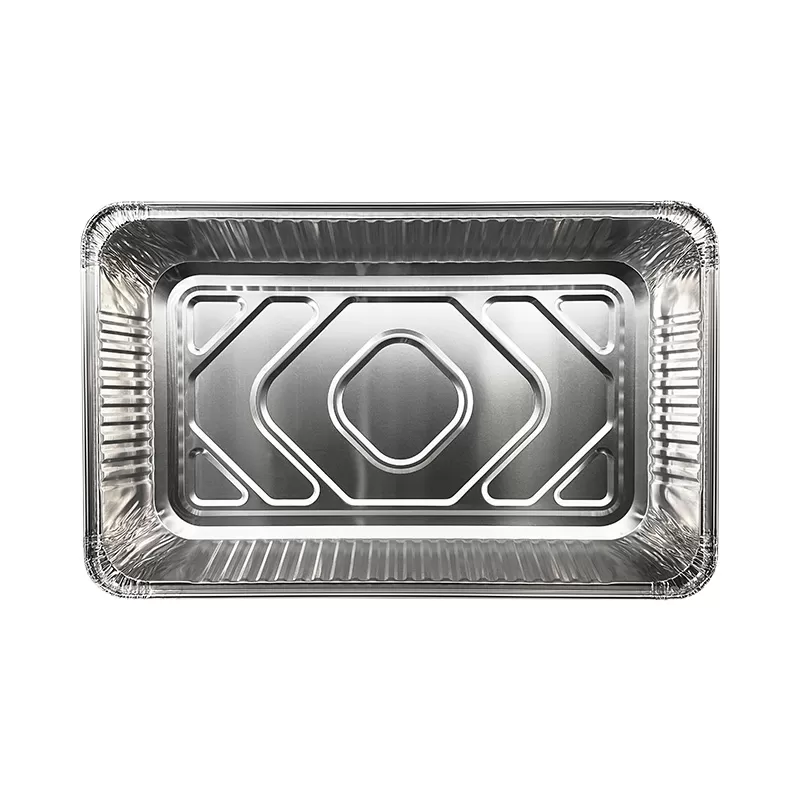
Many foodservice businesses and home kitchens use aluminum foil for storing frozen food because it is flexible, easy to handle, and helps protect food during storage. However, understanding is it safe to freeze food in aluminum foil depends on the food type, wrapping method, storage time, and protection level required.
Aluminum foil can be suitable for many freezer applications when used correctly. It helps reduce exposure to air and supports portion control, but it is not always the only layer needed for long-term freezing. Factors such as foil thickness, moisture protection, and sealing quality determine how well frozen food maintains its texture and quality.
When Aluminum Foil Is Suitable for Freezer Packaging
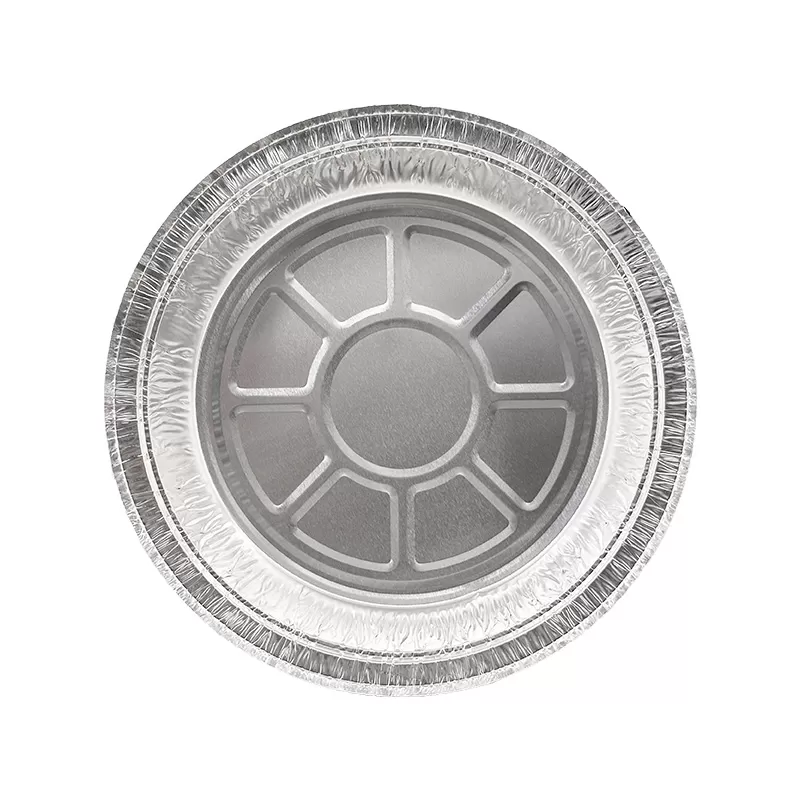
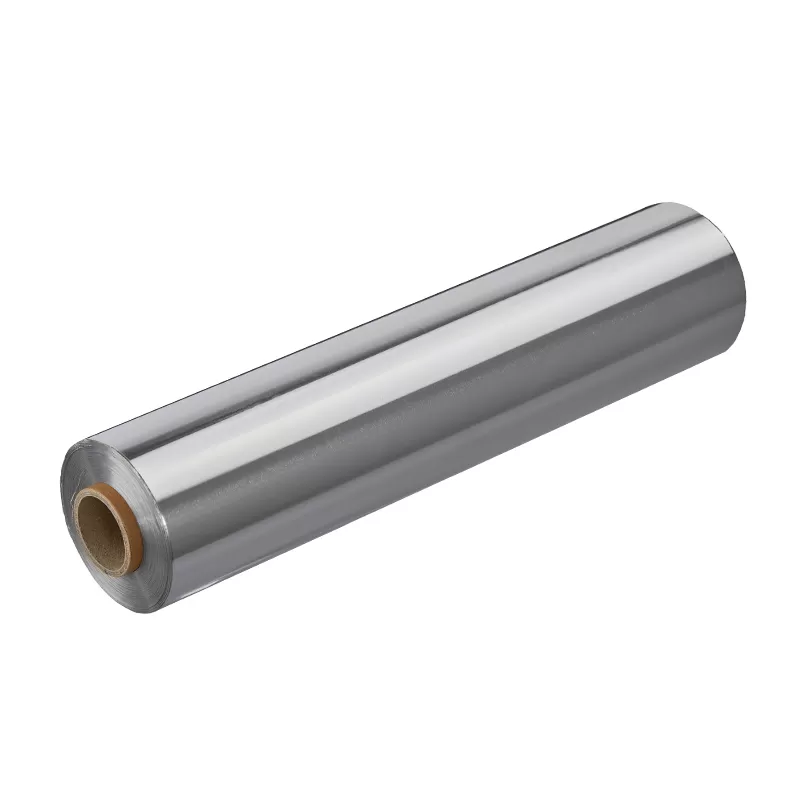
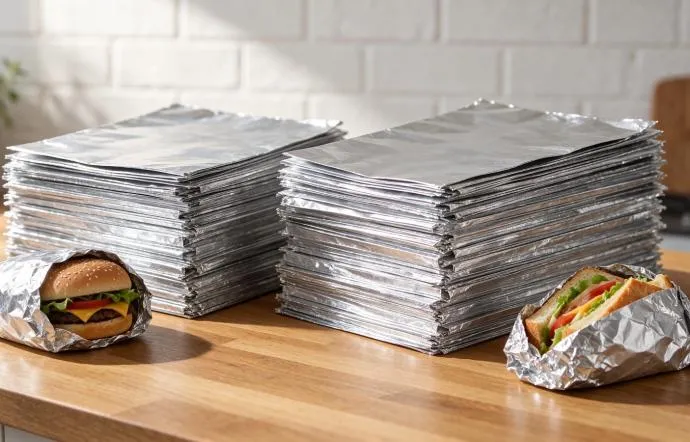
Aluminum foil is commonly used for wrapping prepared meals, baked goods, vegetables, and certain meat products before freezing. Its ability to fold tightly around food makes it useful for reducing air exposure and preventing surface drying.
For many applications, foil works well when:
· Food portions are properly wrapped: Tight wrapping helps limit air pockets that can contribute to freezer burn.
· The food surface is protected: Smooth contact between foil and food reduces unnecessary exposure.
· Storage conditions are controlled: A stable freezer temperature improves overall storage performance.
A common question is, can you freeze meat in aluminum foil? Yes, meat can be wrapped in aluminum foil for freezing, especially for shorter storage periods or when combined with additional freezer protection. However, raw meat with sharp bones or uneven surfaces may require extra care to prevent punctures.
Foil Thickness, Punctures, and Moisture Protection
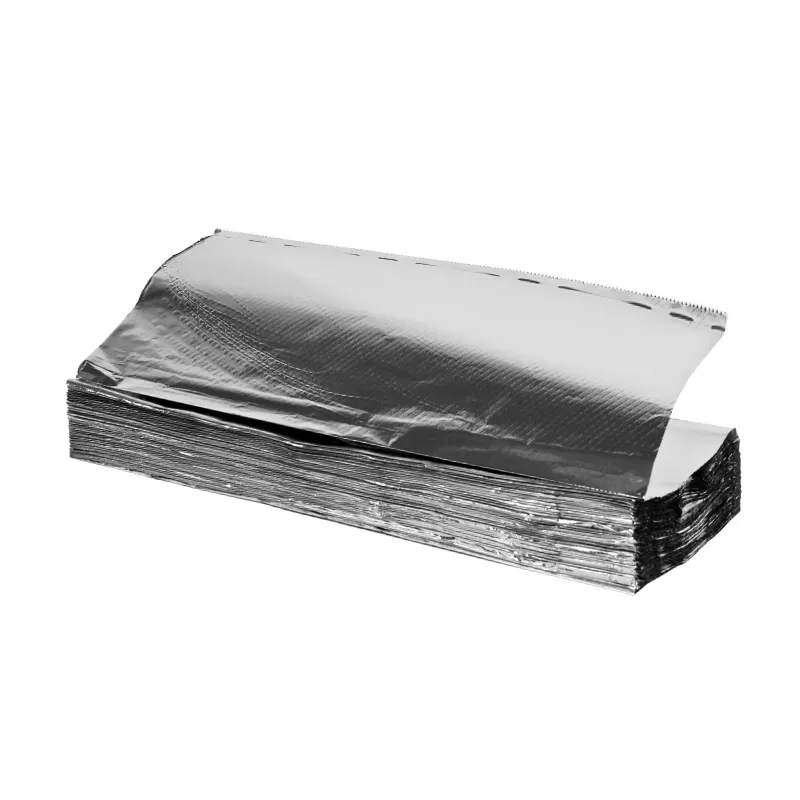
The thickness of aluminum foil affects durability during freezing and handling. Heavy-duty foil is generally more resistant to tearing and may provide better protection for larger portions or foods with irregular shapes.
Thin foil can still work for many items, but it may be more likely to develop small holes during wrapping, stacking, or movement inside the freezer. Even a small puncture can allow moisture loss and increase the chance of freezer burn.
When selecting foil for freezing, consider the food structure and storage environment. Foods with sharp edges, bones, or heavy packaging pressure may require thicker foil or an additional protective layer.
Wrapping Portions and Closing Seams with Minimal Air
Proper wrapping technique is just as important as the foil itself. A loose wrap can trap air and reduce the effectiveness of freezer storage.
Place the food portion in the center of the foil sheet and fold the edges tightly around the product. Press out excess air before sealing the final seam. Avoid leaving large gaps between the foil and the food surface.
For portioned items, consistent wrapping also improves inventory management. Clearly separated packages are easier to label, stack, and use according to storage schedules. This method is especially useful for foodservice operations preparing meals or ingredients in advance.
When an Additional Freezer-Safe Overwrap Is Needed
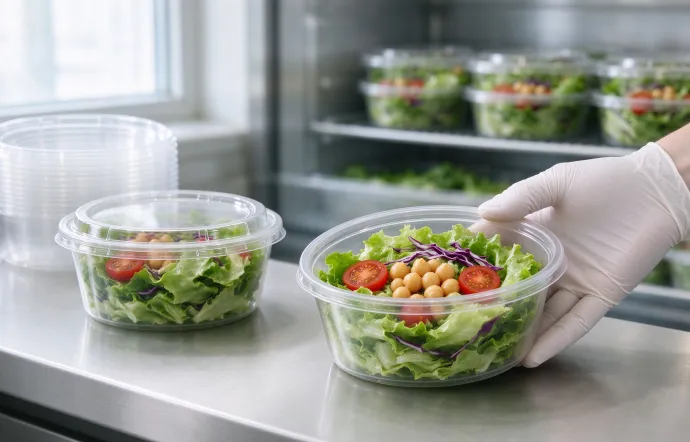
Although foil provides a useful barrier, some foods benefit from additional packaging. Long-term freezer storage, high-moisture foods, and products requiring stronger protection may need an outer freezer-safe bag, container, or wrap.
An additional layer can help:
· Reduce exposure to air during extended storage.
· Protect foil from tears caused by stacking or handling.
· Improve labeling and organization.
· Provide extra protection for foods with strong odors.
For example, when asking can you wrap meat in aluminum foil and freeze it, the answer depends on storage time and handling conditions. Meat may be wrapped in foil, but an outer layer can provide better protection for longer storage periods.
Labeling, Handling, and Inspecting Frozen Packages
Proper identification helps maintain food quality and reduces unnecessary waste. Frozen packages should include key information such as the food type, preparation date, and recommended use period.
Before placing packages into storage, inspect the wrapping for gaps, loose seams, or visible damage. During storage, avoid placing heavy items directly on delicate foil packages, as pressure can create punctures.
Organized freezer management improves product rotation and helps ensure frozen foods are used within their expected quality period.
Conclusion
So, is it safe to freeze food in aluminum foil? In many cases, yes, when the food is wrapped properly and stored under suitable conditions. Aluminum foil is a practical option for many frozen foods, but thickness, sealing quality, and storage duration should always be considered. For longer storage or sensitive products, combining foil with additional freezer-safe packaging can provide better protection and maintain food quality.
FAQs About Freezing Food in Aluminum Foil
Can you freeze meat in aluminum foil?
Yes. Meat can be frozen in aluminum foil when wrapped securely. For longer storage periods, additional freezer protection may help reduce freezer burn.
Can you wrap meat in aluminum foil and freeze it?
Yes, but the wrapping method matters. Remove excess air, seal seams tightly, and consider an outer layer for extended freezing.
Does aluminum foil prevent freezer burn?
Aluminum foil can reduce air exposure, but it does not completely eliminate freezer burn. Proper wrapping and storage conditions are also important.
Is heavy-duty foil better for freezing?
Heavy-duty foil is generally more durable and less likely to tear, making it suitable for larger portions or foods with uneven surfaces.