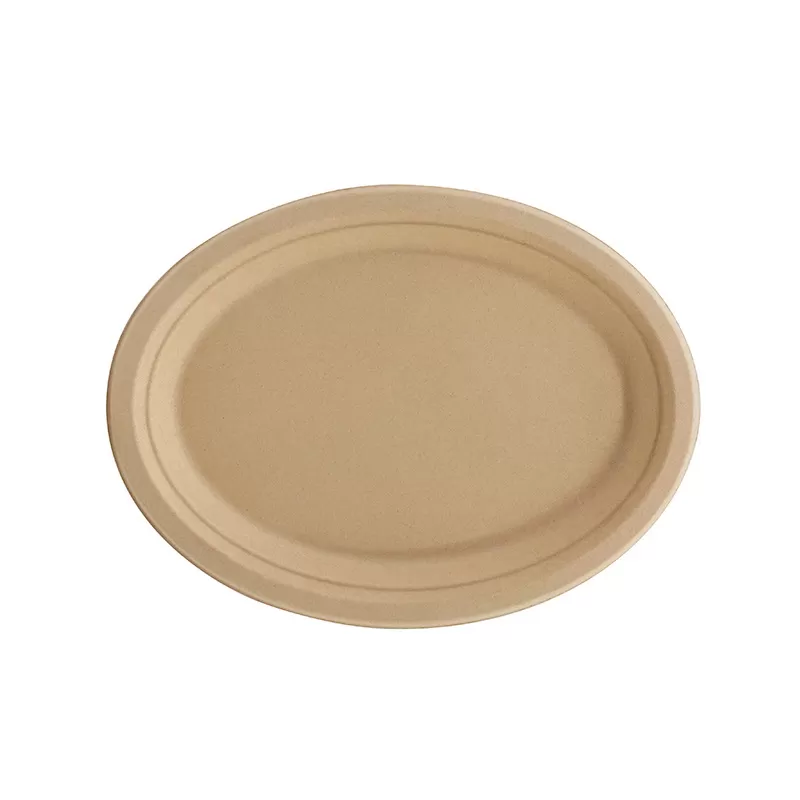
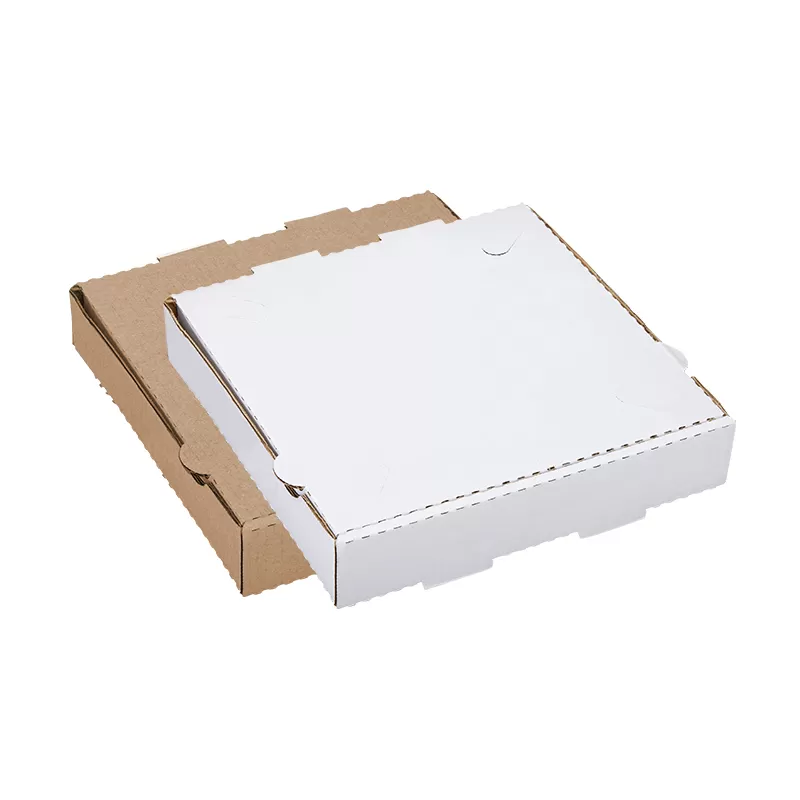
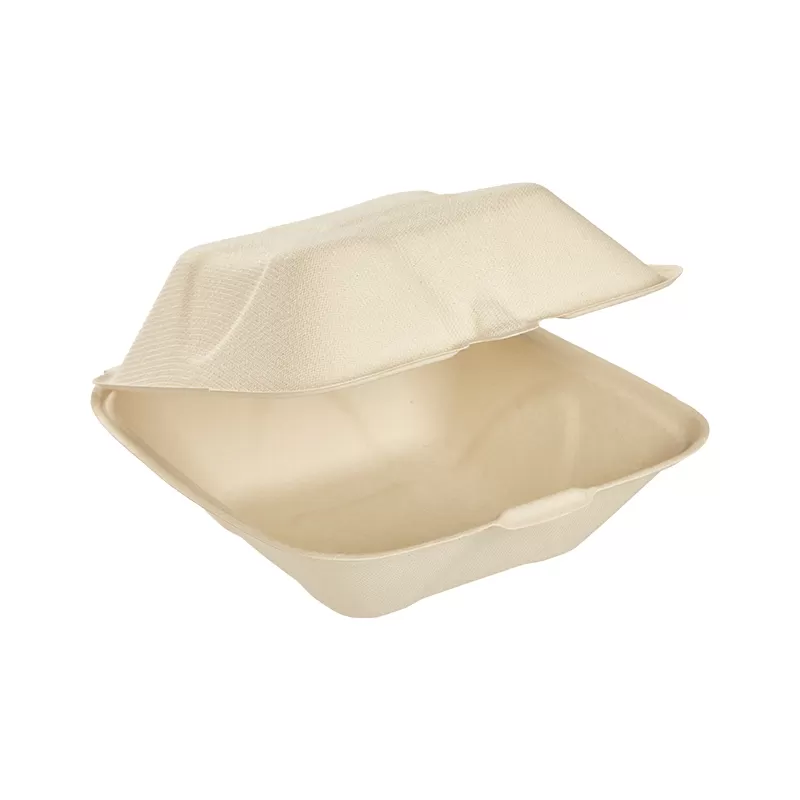
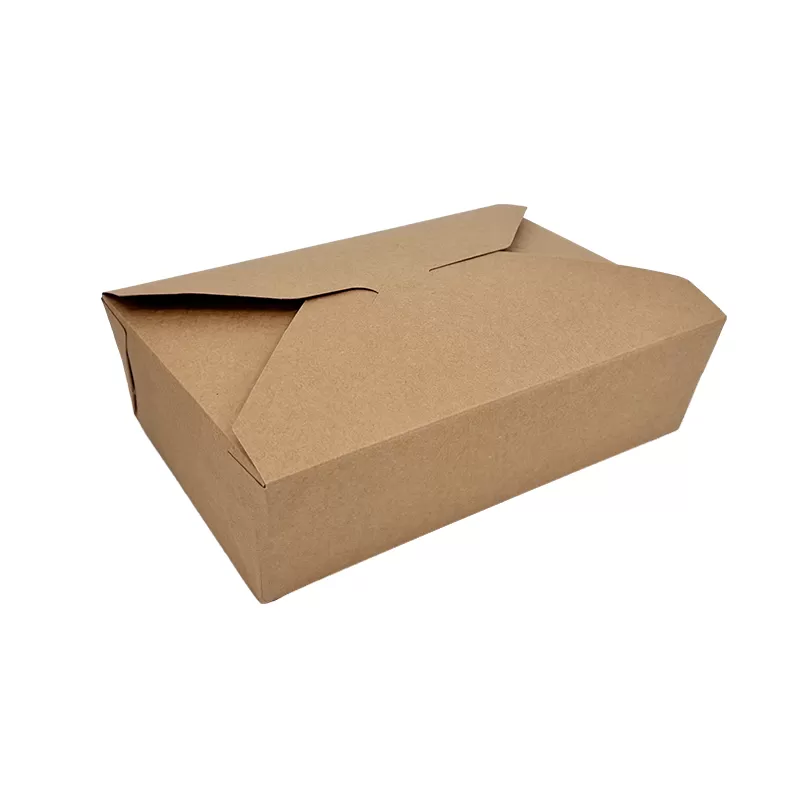
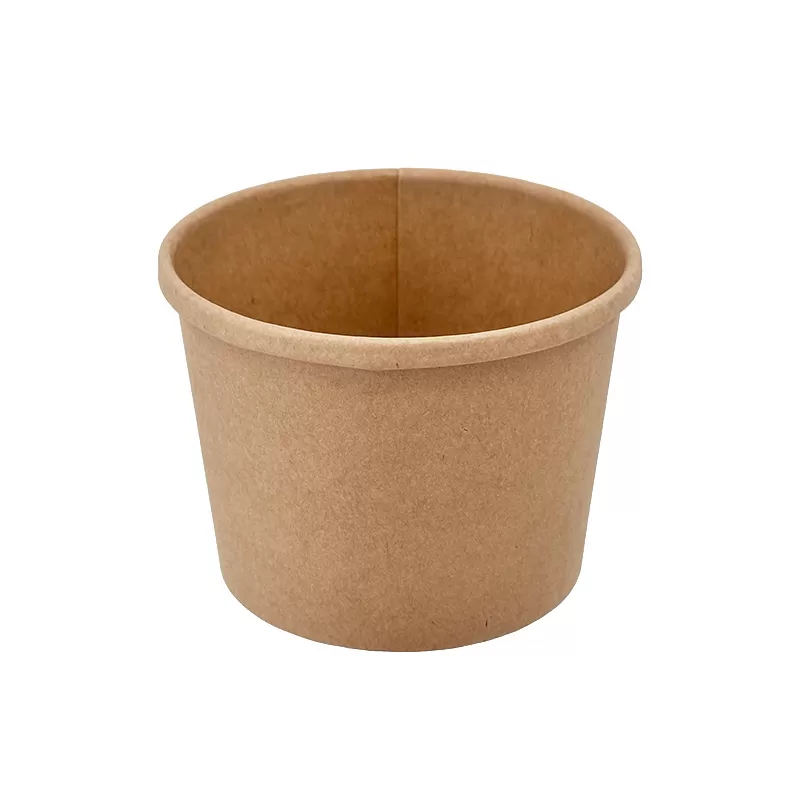
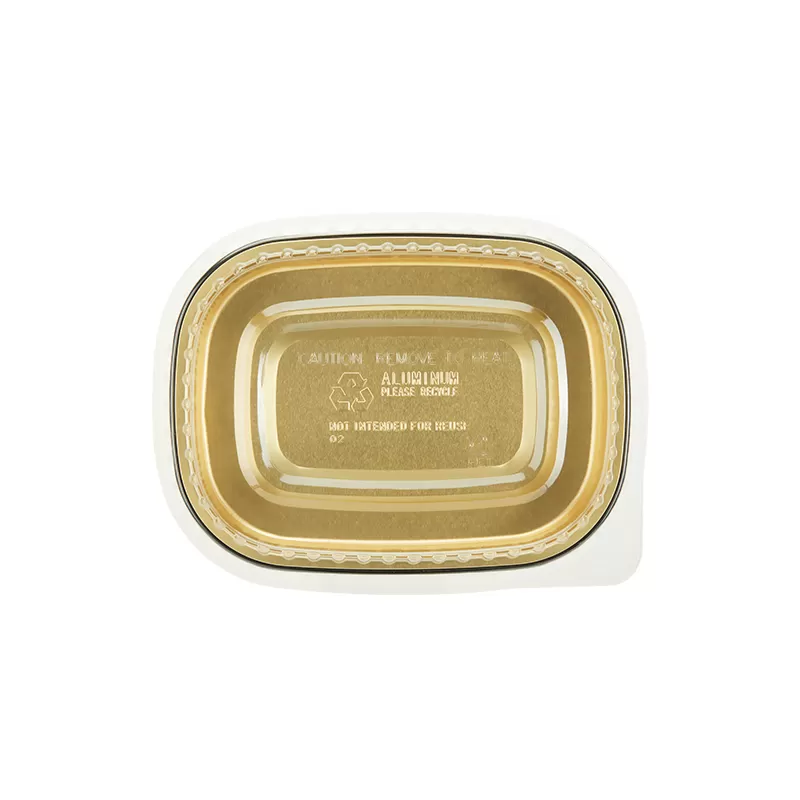
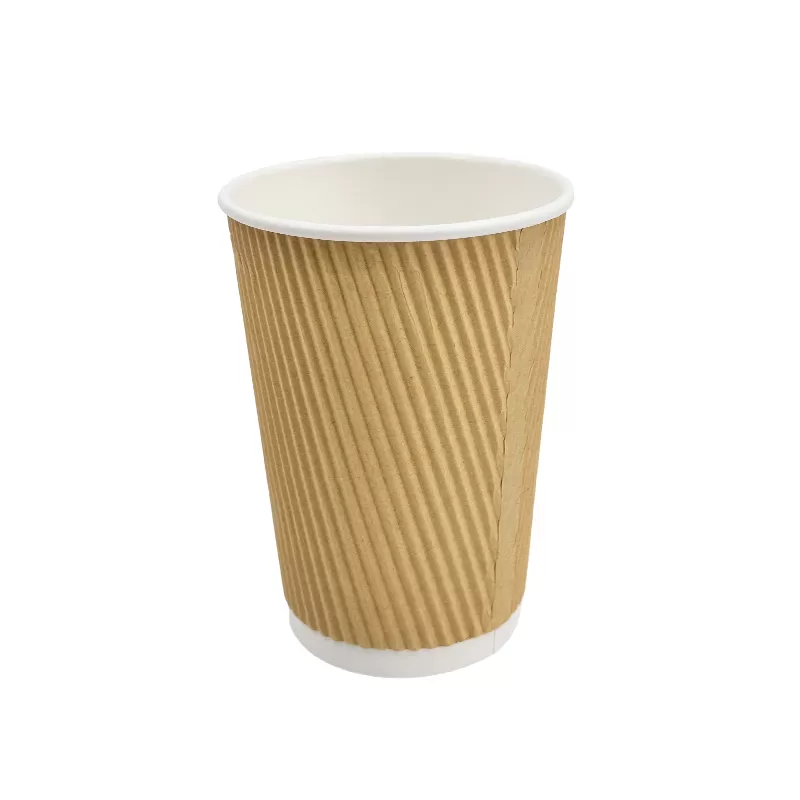
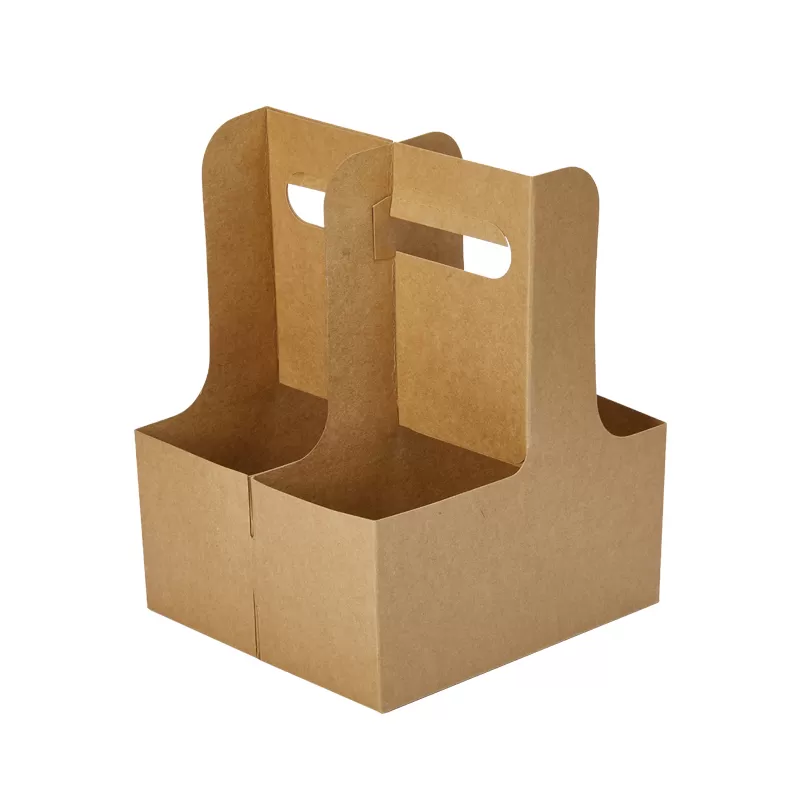
Choosing between kraft and white disposable paper food trays affects presentation, printing, grease visibility, and serving performance. Kraft offers a natural, casual look, while white provides a clean background for colorful graphics. However, neither color automatically means better strength or sustainability. Board specifications, coatings, construction, and disposal options are equally important when selecting foodservice packaging.
Brown and White Paperboard: Color vs. Material Specification
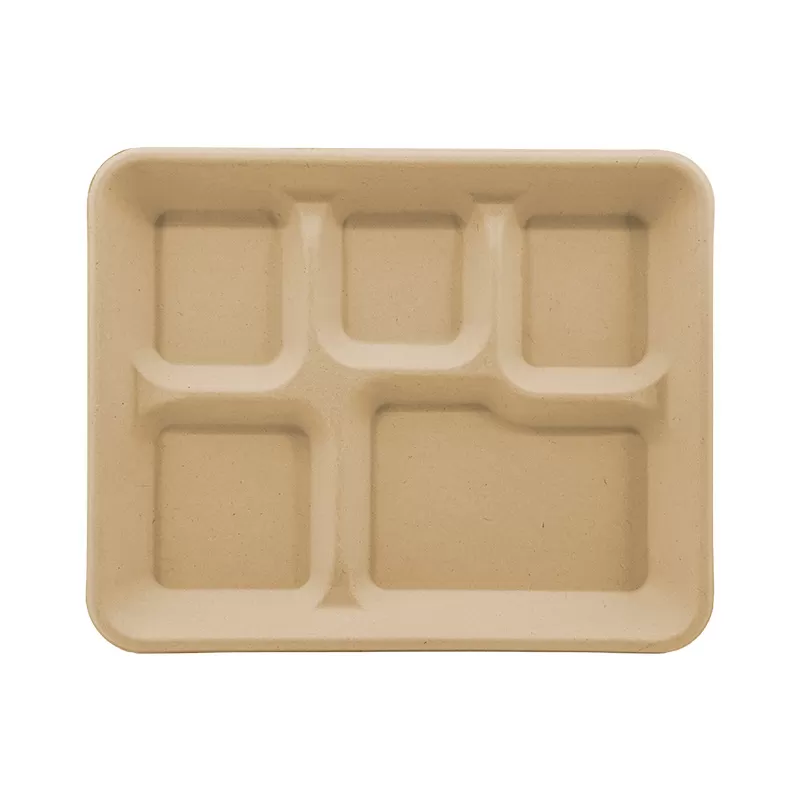
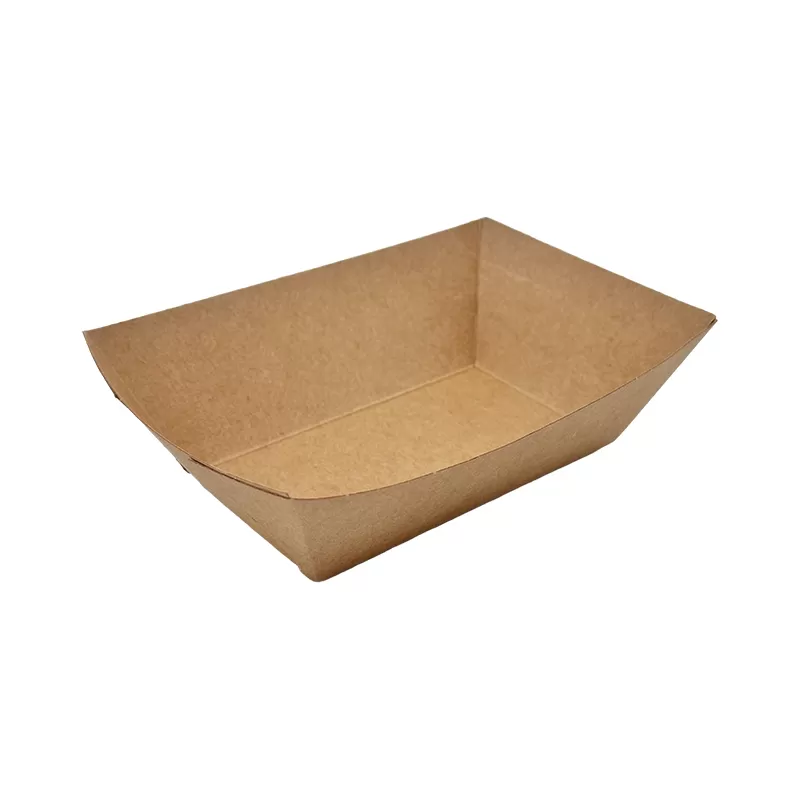
Kraft paperboard has a natural brown appearance, while white trays offer a brighter surface. These labels describe color, not overall performance. When sourcing kraft paper food trays, check:
l Board weight: Influences rigidity but does not guarantee leak resistance.
l Tray construction: Sidewall height, folded corners, and bottom design affect stability.
l Food-contact suitability: Confirm that materials meet requirements for the intended application.
Compare product specifications and test samples with actual portions, sauces, and serving conditions. This helps ensure the trays meet practical needs rather than relying on color alone.
Board Weight and Coating Requirements for the Menu
Choose board and coatings according to the food and expected holding time. Dry snacks and pastries may require less grease resistance than fried foods or meals with sauces. Heavier board can improve rigidity, but it does not automatically prevent leaks.
For takeout and delivery, test filled trays for sagging, softened corners, and leakage. If liners are normally used, test the trays with those liners in place. Also check whether coatings affect recycling or composting options, since not all paper-based packaging is accepted by every local facility.
Logo Contrast and Print Appearance on Each Surface
White board provides a neutral background for bright colors, detailed graphics, and small text. It works well for brands that depend on consistent colors and intricate logos.
Kraft paper food trays create a warm, understated look, but their brown surface can mute lighter inks. Dark typography and simplified artwork often provide stronger contrast.
Before placing a custom order, request a printed sample and check:
l Color accuracy: Make sure brand colors look appropriate on the selected surface.
l Readability: Inspect small text and fine lines under typical restaurant lighting.
l Print consistency: Confirm that the final result matches the approved design.
Testing samples helps avoid unexpected differences between digital mockups and finished packaging.
Presentation, Liners, and Visible Grease Marks
Kraft trays complement casual dining, cafés, and food trucks, while white trays create a bright, clean presentation. The best choice depends on the brand, food, and serving environment.
Grease marks may be more noticeable on white surfaces, while kraft can visually blend with some stains. Neither color prevents oil from spreading. A suitable liner may improve presentation, but it cannot replace an appropriate grease-resistant barrier.
Test trays with representative menu items throughout the expected service period, including stacking, carrying, and delivery. Choose a surface that maintains an appropriate appearance during actual use.
Comparing Equivalent Tray Sizes and Case Prices
Compare equivalent specifications rather than relying solely on case prices. Dimensions, depth, board weight, coating, and pack quantity all affect value.
Comparison Point | Kraft Trays | White Trays |
Appearance | Natural, casual | Clean, bright |
Print contrast | Dark inks stand out | Bright colors and details show clearly |
Grease visibility | Some marks may blend in | Marks may be more noticeable |
Best suited for | Rustic, casual branding | Colorful, detailed branding |
Cost checks | Size, coating, case quantity | Size, coating, case quantity |
Calculate the cost per tray by dividing the case price by the number of trays. Include printing, liners, and freight to estimate the actual cost. A cheaper product may offer less usable space or require additional supplies, increasing overall expenses.
Conclusion
Kraft and white disposable paper food trays can both perform well when their materials and coatings match the menu. Kraft provides a natural look, while white supports bright presentation and detailed printing. Compare specifications, test samples, and calculate total costs before ordering. The right tray should protect the food, support the brand, and perform reliably throughout service.
FAQs About Disposable Paper Food Trays in Kraft and White
Are kraft paper food trays stronger than white trays?
Not necessarily. Strength depends on board grade, construction, seams, and coatings rather than color alone.
Do white trays print better than kraft trays?
White generally supports bright colors and fine details more clearly. Kraft offers a distinctive appearance but may alter lighter ink colors.
Are disposable paper trays recyclable or compostable?
It depends on the materials, coatings, local rules, and available facilities. Check supplier documentation and local requirements.
How should I compare tray prices?
Match dimensions, depth, board specifications, coatings, and case quantities. Include printing, liners, and freight in the cost per tray.